Tips for Safe Boating

Hooking up the trailer, soaking in the sun, and running down the lake trimmed up is part of what makes bass fishing so exciting and addictive. When the fish and weather cooperate, there’s only one thing that can elevate your time on the water –and that’s having complete peace of mind with your boat and equipment while fishing. From pre-launch checks to on-the-water awareness, we break down useful boating guidelines and helpful tips to increase boater safety and maximize your enjoyment on the water.
Safety Starts at Home
A successful day on the water starts at home. While many factors, like weather, boating conditions, and debris, are out of your control, simple maintenance and establishing a routine for your boat preparation can prevent potential issues that may arise when trailering, boating, and fishing.
Inspect Emergency Equipment
Emergency equipment is only as useful as it is functional, so it’s a good habit to inspect the state of your safety equipment before heading out on the water. Below, we have compiled a checklist of handy emergency equipment to keep on board in case you get into a jam.
Be sure to check your state’s boating safety requirements to make sure you are meeting all laws and regulations.
Safety equipment:
Personal Floatation Device
Life jacket re-arm kit
Fire extinguisher
Visual distress signal
Sound producing device
Throw cushion
Navigational lights
Engine cut off switch
Jump starter and/or jumper cables
Anchor or buoy marker
Emergency drinking water
First aid kit
Bailing device
Spare boat part (trolling motor cable, tow strap, fuses, etc)
Tow rope
Tide chart (if on tidal fishery)

Motor Maintenance
Whether you put 500 hours on your motor last year or five hours, making sure your outboard is running like a top is critical to being safe and having fun on the water. Spark plugs, gas lines, lower units, fuel filters, and a million other small parts can all throw a wrench in your boating plans. Even if your big motor seems to be running perfectly, it’s always good practice to pop the cowling off once a year (at least) and perform standard maintenance –either yourself or with a trustworthy mechanic.
Life Jackets

One of the most critical accessories in case an emergency does occur, life jackets are imperative to safe boating. Visually inspect your life jacket(s) for any tears or rips before hitting the water. If you have an automatic inflatable life jacket, make sure that the cartridge is in good working order or replace it. Another safety accessory to check alongside your lifejacket is your engine cutoff switch. Ensure that the cord connecting your engine cutoff switch is free of damage and ready to disengage your motor should you get thrown from the boat.
Please note:
Check state and federal regulations to identify all requirements for life jackets.
Create a Float Plan

Before launching, it’s always a good idea to leave a float plan with a friend or family member back on shore. A float plan is a simple outline of your fishing trip that includes where you are going, who is with you, what boat you’re running, and when you expect to return. If something doesn’t go as planned and you don’t return on time, having a float plan in place gives authorities the information they need to narrow down your last known location. Even if it's a quick text message, this simple step can make a big difference in an emergency situation.
Before You Hit The Water
Once your gear is dialed in at home, the next step is making sure your rig is road ready. Here are a couple easy and important tips to help your trip go as smoothly as possible.
Double-check Batteries
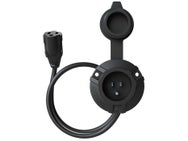
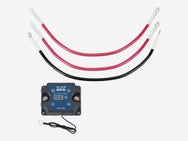
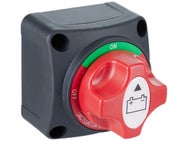
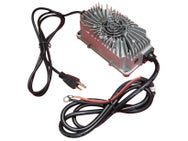
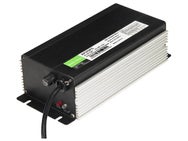
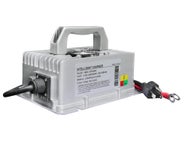
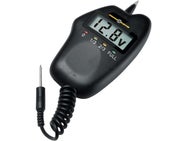
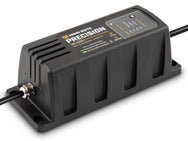
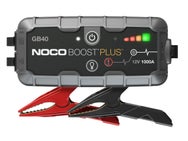
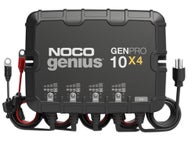
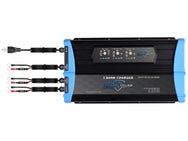
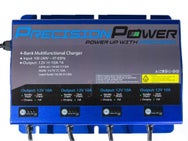
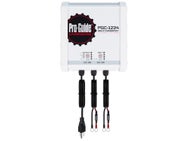
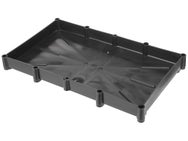
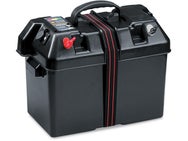
Any angler who has spent enough time bass fishing from a boat knows you’ll inevitably run into a situation where your batteries go dead while you’re on the water. With a couple of forward-thinking purchases, you can ensure that you don’t end up without power and are forced to rely on the trolling motor to get back to the launch ramp. Jumper cables and jump-starting devices are super handy to keep in the boat in case you end up with a dead battery. A battery tester or multimeter is also convenient to have on hand to make sure your batteries are in good health before you ever leave the house.
Annual Trailer Maintenance
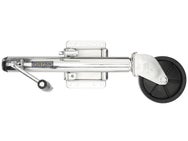
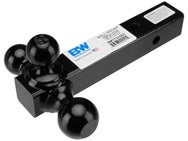
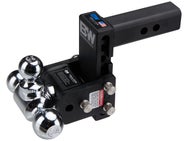
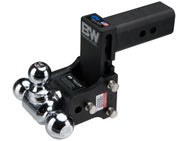
Although it doesn’t always seem like you put a lot of mileage on your trailer driving to and from your local lake, the road can be rough on almost every part of it. Bolts come loose, lights lose connection, and tires can go flat at a moment's notice. Just like your motor, it’s good practice to do a thorough inspection once a year or take it to a reputable boat mechanic or trailer specialist to make sure everything is functioning properly.
Routine Trailer Inspection

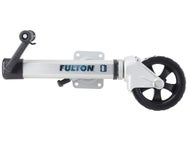
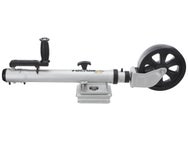
While issues like flat tires are hard to avoid, most trailer-related issues are avoidable by keeping a sharp eye on your trailer. Before hitting the road, especially on a longer trip, it’s good practice to do a lap around the trailer to look for any oil leakage around your axle, double-check that your brake and turn signals are functioning, and address any tires that look like they might be low. Once you launch your boat and the truck is parked, it’s a good opportunity to check the trailer bunks and running boards for any damage.
Keep An Eye On The Weather
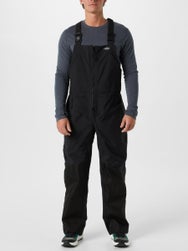
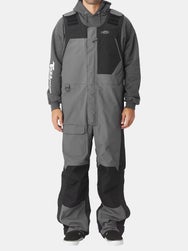
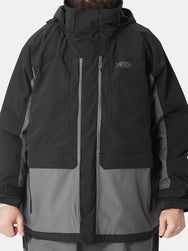
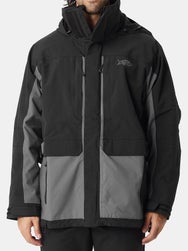
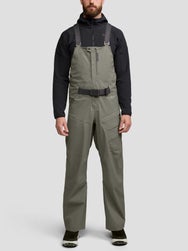
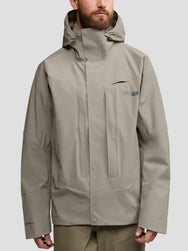
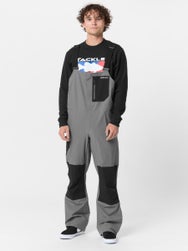
Even if you have been keeping an eye on the weather report all week, conditions can change in a hurry, so a final check the day of your trip is always best. Make sure you have all the necessary equipment to stay comfortable while fishing, whether you are faced with wind, rain, or excessive heat.




On The Water Safety
Now that you are on the water, maintaining safe boating practices is the last piece of the puzzle for a smooth day on the water. Taking a couple of steps to remain vigilant and safe on the water goes a long way in avoiding accidents.
On The Water Vigilence
Even if you follow every rule and guideline, accidents can still happen. When you’re driving down the lake, especially at high speeds, be sure to keep an eye out for other boaters, debris, and shallow water hazards. While this may seem like a no-brainer, it’s easy to get distracted while driving, so just remember to keep your eyes on the water and keep your head on a swivel.
Follow Posted Lake Rules

Navigation buoys serve as the road signs of the lake to ensure safe passage for all boaters. If there’s a 5-mph zone, a no-wake zone, or a shallow water marker, make a mental note of their location when you’re driving and always respect the rules of the body of water you are fishing on.
Follow Tournament Rules
All tournament circuits provide safety guidelines and rules to keep competition fair, safe, and fun. Familiarize yourself with these rules before fishing and follow them on the water, whether it’s a fog delay or an off-limits area designated by the organization. There’s no fish or prize money that’s worth jeopardizing your safety or the safety of others.
Rule Of 1/3's
If you’re fishing a local lake or river, it’s easy to plan for how much gas you might need in a given day. But, if you’re on a new body of water and don’t really know what to expect throughout a long day of fishing, or if you’re fishing offshore, the Rule of 1/3’s helps you safely prevent running out of fuel on the fly. The general rule is: utilize 1/3 of your gas to get to wherever you’re fishing, 1/3 of your gas for the return trip, and reserve the last 1/3 of your gas for unexpected bad weather, strong current, or emergencies.
Be Prepared For Water Intrusion
In the unlikely event your boat takes on water, you want to make sure your bilge pumps are ready to start pumping it out. Along with bilge pumps, it’s not a bad idea to keep a water bailing device in the boat if you have room. And to prevent self-induced water intrusion, it’s good practice to inspect your boat’s drain plug and keep a spare handy just in case it is forgotten, lost, or damaged.
Carry A First-Aid Kit

Not all accidents are boat-related, so it’s good to be prepared for any medical issues that might arise on the water. A first aid kit should be carried on every trip to treat minor injuries quickly.
Off the Water
After a successful day of fishing on the water there’s a couple of quick and easy steps you can take to make sure your next fishing trip is just as smooth. Practicing these simple boating safety habits helps reduce risk, improve efficiency and ensures that every trip on the water is productive and enjoyable!
Make Sure The Boat Is Secured
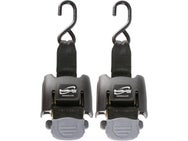
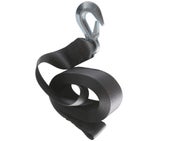
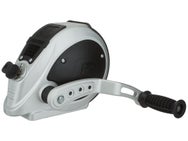
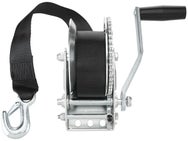
Once your boat is safely on the trailer, make sure all straps are secured to the boat, the motor support is in place, streering locks are clipped on, drain plug is pulled, and trailer winch is securely fastened to the bow of your boat.
Check-in Routine
It's always a good idea to routinely contact someone to let them know you made it off the water safely. In the event of an emergency on the water, having a friend or family member who expects to hear from you after your trip can act as an early warning system if you fail to check-in.
One Final Check
Once the boat has made it safely to its destination, make sure the trailer wheel chocks are in place to keep it from moving, the key is in a secure location (if your boat requires one), and the batteries are plugged in and charging.