2013 BASS Winning Pattern Baits & Gear
Rich Howes Wins Kissimmee Chain BASS Southern Open
In addition to its namesake body, the chain also consists of lakes Toho, East Toho, Cypress, Hatchineha, Jackson and Marian. Toho, site of the 2006 Classic and home to the lauch/weigh-in facility for the Open, is the most famous, but it's not currently in peak condition. "Toho's an incredible fishery, but it's under the weather," he said. "The hydrilla had gotten totally out of control, and in November and December there were just so many chemicals dumped in there trying to fight that stuff back. The fishing has been incredibly hard." He visited both Cypress and Hatchineha on the first practice day, but found nothing of consequence. On Sunday he went to Kissimmee, which at nearly 35,000 acres is by far the biggest lake in the chain, and there he found what would eventually be the winning fish. "I went to a place on the north side where there's lots of flipping mats and hyacinth mats, and in about 2 hours I had a 30-pound stringer, so I knew I was onto something at that point. Everybody else smashed them that day, too, but the thing was, I had nobody near me. I never had anybody within a couple hundred yards of me all week." He stayed in Toho the next 2 days, catching a good stringer on one and failing to get a single bite on the other. He sat out the final practice day altogether as a cold front arrived, bringing a south wind that exceeded 25 mph. "I knew anything I found that day was going to be unfishable by the time the front passed through. I'm not a sight-fisherman and I wasn't going to go out and look for fish on beds. I stayed home (about a 45-minute drive from the launch) and got the boat prepared and spent time with my daughter."
Competition:
Howes' prospects for winning didn't look too bright on day 1, when he brought in a rather pedestrian bag that left him in 29th place - nearly 15 1/2 pounds behind Lanier, who'd sacked a whopping 27-11. H said the lockmaster told him that 173 boats (out of 198 in the field) locked through to Kissimmee that day. "The bite was slower, but it still wasn't too bad," he said. "I lost one that was about 8 pounds and I had an opportunity for an 18- to 19-pound stringer, but I just didn't capitalize." He had his entire 20-pound stringer by 11 o'clock on day 2, and it catapulted him to the lead as Lanier brought just two small fish to the scale. His sack included a 6-pounder and a 4. "I had 4 hours to get rid of the one little pipsqueak I had, and I was beginning to think about day 3. I went searching, but the bite was completely off everywhere."
The water temperature on day 3 was down to 62 degrees (from a high of 70 on day 1), and he knew that connecting with quality fish would be difficult. "I decided to go right to where I'd caught the 20-pound sack to see if I could get them to bite. I went through and picked that place apart - I mean Power-Poling down and fishing for 15 minutes, then moving 10 feet and doing it again. My poor co-angler was bored to death and I never had a bump. It was a complete ghost town." He relocated to the North Cove and lost a 2 1/2-pounder. At 12:30, he still didn't have a fish in the boat. "By that time it started getting into my head - I was going to Bass Pro Shops (for the weigh-in) and I'd look like an idiot in front of a bunch of people I knew because I didn't have any fish. I knew one spot where I could at least catch one 12-incher, so I ran over there and accomplished that in about 5 minutes." He returned to his key stretch with about an hour to fish and found that the water temperature had climbed to 65 degrees. That was a promising sign, and he quickly stuck a 4-pounder and a 3. He added a 2 from the mat where he'd lost the big one on day 1. He got through the lock efficiently and had about 10 minutes to spare as he approached the ramp. He'd found a patch of blown-in hydrilla during practice and on his final pitch of the day - with a bait that was so torn up that it would barely stay on the hook - he popped a 4-10. That fish allowed him to tie Lanier, who'd rebounded from his sad-sack day 2 with 16-12 on day 3.
For the fish-off, he opted to return to Kissimmee even though the run would shorten his fishing time to about 3 1/2 hours. "It's all about strategy in a 5-hour day and if you don't have a plan, you just end up bouncing around," he said. "I've made that kind of mistake in the past and I wanted to go to a place where I absolutely knew there were fish. Once I made that decision, a calm came over me." He went back to the North Cove and quickly boated a 2-pounder. Awhile later he began wondering whether he should return the area that had produced so well for him to that point, but chose not to dueto the water temp having dropped to 59 degrees. The water there was too shallow (1 1/2 to 3 feet) for that temperature, and he figured he was better off staying in the 4- to 5-foot depth range. He popped a small keeper and a 2 1/2 from a place just a couple miles north of his key stretch, and then missed a 7 - the loss of which culminated in a big ball in his braided line. Instead of grabbing another rod, he took the time to settle down and re-rig (and regroup mentally), and he then caught a 4 just a few feet from where he'd lost the bigger one. He didn't know whether that would be enough to win, but his hopes were buoyed when he learned that Lanier had chosen to spend his time in Toho. "I knew how tough the fishing was in there. I spent a lot of time in there (during practice), and for most of it I didn't even get the slightest tick."
Winning Gear:
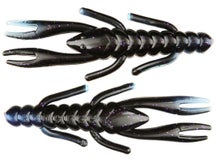
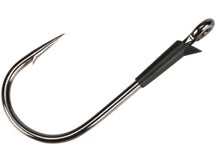
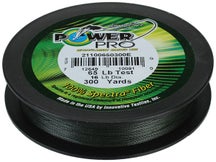
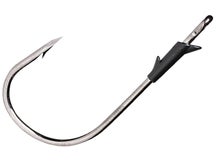
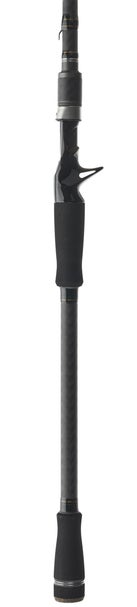
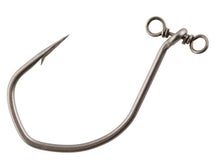
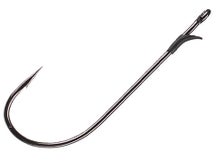
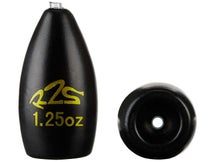
Flipping gear: 7'10" heavy-action Fitzgerald rod, XPS Johnny Morris Signature Series casting reel, 65-pound PowerPro braided line, 1 1/2-ounce tungsten weight, 3/0 Strike King Hack Attack hook (with baitkeeper), Gambler BB Cricket or Jim Bitter's Bitter Bug (green-pumpkin/candy or junebug).
Main factor: "When you have a cold-front in Florida and it's not a sight-fishing deal, it's going to be a mat-flipping bite, and that eliminates about half the field because guys just won't commit to doing it for an entire day. I was actually fishing shallower than most people because the effects of the front hadn't hit those fish yet. Then I made the right call in the fish-off by not going back there and (instead) going out to deeper stuff."
Performance edge: "I'd have to go with the double Power-Poles. You need two when the wind gets up to a certain speed so you won't spin on the mat and you won't blow trolling-motor backwash underneath it. When you're punching a mat every 3 feet, you don't want to be worried about boat control."
By John Johnson BassFan Senior Editor
TW Staff
Adam Wagner Wins Old Hickory Lake BASS Weekend Series
Competition:
The opening day of the tournament was a virtual continuation of practice for Wagner, who bagged a limit by 10 a.m. in Bledsoe Creek, and had 17-plus pounds before 11:30. He went to his flipping areas down lake, but couldn't rouse another keeper the rest of the day. He brought only six fish into the boat, but he tangled with the right ones as he opened the event with a 1 1/2-pound lead over Marty Giddens. "I really could've caught a big bag on day 1 if I wanted to, but I left them when I caught what I caught," he said. A hard cold front pushed through Wednesday (day 1) and Thursday (day 2), which had him thinking the bite would toughen up as the tournament wore on. He was correct, but he cranked up more than 15 pounds on day 2 to give himself a healthy cushion at the top. "It was easier to catch fish, but it was harder to catch big ones," he said. "I went through three limits of fish to catch 15 pounds." In hindsight, he wishes he would've managed the fish in those spots a little better. "I think catching that many fish ended up hurting me," he said. The end of the cold front brought a thick blanket of fog over the lake on Friday morning and the field had to wait out a 2 1/2-hour delay before being turned loose. It put a damper on Wagner's cranking pattern as the lake slicked off. "I only got to fish 4 1/2 hours that day and once that fog lifted, the cranking bite just died," he said. "I caught one early when I got up there. I think it was 2 o'clock before I caught my second fish. I was due in at 3:15." Between 2 and 2:30, he caught three more keepers burning his crankbait around wood targets in Bledsoe Creek. Despite having just four fish for 7.06 pounds, he still maintained a healthy lead entering the last day. A 4-pounder he lost that morning would've given him a huge edge. "Having 7 pounds when I went in, I was pretty tickled to be honest," he said. "I would've liked to have had five, but I was pretty happy with what I had based on how tough it was." The fog didn't return the morning of the final day so Wagner was able to get right to work. He caught a limit fairly early fishing the same stuff. He caught six keepers, but his lone cull sealed the win for him.
Winning Pattern:
By early November, Wagner said the fish have typically pushed into the backs of the creeks, but the fishing pressure seemed to have them scattered throughout the creeks. "Most of the time this time of year, they'll be nearly to the back, but there was so much pressure," he said. "I really wasn't expecting that much company up there. Probably half the field ended up fishing those creeks. In Bledsoe, there were 10 boats in the back of it. I worked from where you go in to halfway back. In Bartons, I caught them in the back. It was just channel swings where you'd be sitting in anywhere from 14 to 20 feet of water and I'd be throwing into 2 feet. They'd be right off that break. I just took that Bandit and burned it and as soon as it came off the channel edge they'd load up on it." The shallow cranking pattern is something he says works almost year round at Old Hickory. "I'll start doing that at the end of May during the post-spawn and it'll go all the way through the summer and into the fall. The only time I won't do it over there is in the early spring." Wagner said one of the keys to his success was backing off the areas once he caught a couple off a certain channel swing or piece of wood. He'd run back and forth between the three creeks, which was easy since they're all within a 10-minute ride of each other. He said crashing the crankbait into cover would often trigger a bite. "The first day it was one fish off each piece of cover, but it was a big fish. The second day it was multiple fish off those spots, but they were smaller and I had to go through them multiple times to get the bigger ones. The third and fourth days, they weren't on those spots." He said there wasn't much current to speak of, but the fish would've been more active if there had been. "Bartons Creek was pretty clear and Bledsoe had good color, which it always does," he said.
Winning Gear:
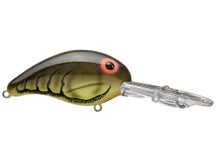
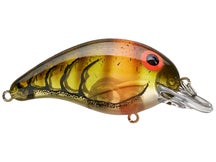
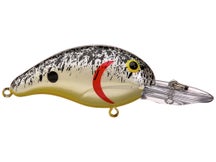
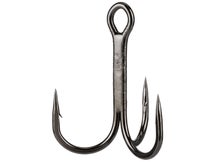
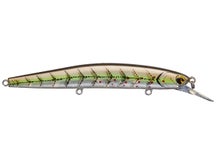
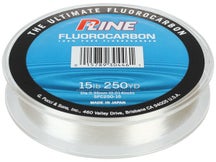
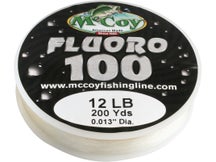
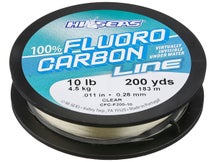
Crankbait gear: 7' medium action All Pro cranking rod, Shimano Curado casting reel (7.1:1 gear ratio), 15- and 20-pound Berkley Trilene 100% Fluorocarbon line, Bandit Series 100 crankbait. Wagner declined to disclose the color of his crankbait, noting it's a stock pattern, but difficult to find. He used the 20-pound test line when he was fishing around heavy wood. "If I wanted to get 4 feet deep, which is deep cranking for me, I'd use the 15," he said. He swapped the stock No. 6 treble hooks for No. 4 Gamakatsu round bends. "Bandit's one of the few crankbaits you can upsize the hooks on. When you bounce it off a piece of cover, they're not as bad to hang up. A lot of crankbaits, when you upsize the hook and they roll, they'll hang. The Bandits are pretty good about not hanging."
Main factor: "Confidence and knowing the lake. I can usually do really good over there at any time. That lake just suits my style of fishing. It just all worked out. I have a ton of confidence with that crankbait in my hand."
Performance edge: "My ability to put that crankbait where I needed it. There were times on Friday and Saturday when I couldn't catch them off of those little channel bends or the little sweet spots. I had to put the trolling motor down and hit any piece of cover I could see."
Old Hickory Weekend Series Winning Pattern Bassfan 11/12/13 (Todd Ceisner)
BASS Alabama River Baits, Gear & Patterns

BASS Bull Shoals Lake Baits, Gear & Patterns
BASS Falcon Lake Baits, Gear & Patterns
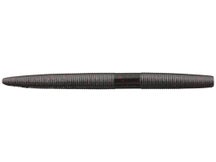
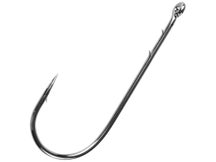
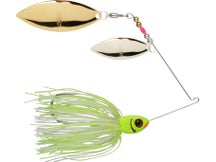
BASS Lake Erie Northern Open Baits, Gear & Patterns
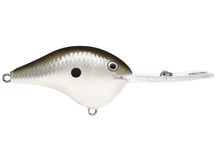
BASS Lake St. Clair Baits, Gear & Patterns
BASS Mississippi River Baits, Gear & Patterns
BASS Sabine River Baits, Gear & Patterns
BASS St. Lawrence River Baits, Gear & Patterns
BASS West Point Lake Baits, Gear & Patterns
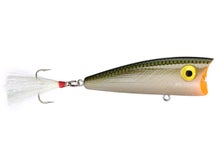
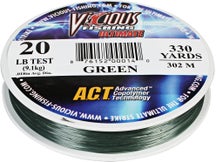
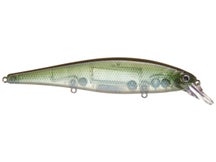
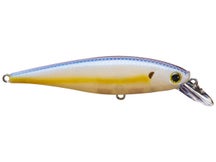
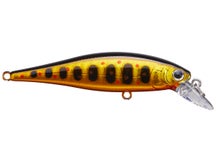
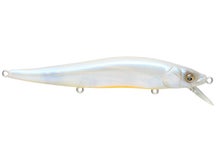
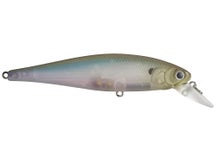

Chad Morgenthaler Wins BASS Lake Okeechobee Wild Card
Morgenthaler first fished Okeechobee 10 years ago and had four Top-10s there to his credit between FLW and B.A.S.S. entering the Wild Card. He said the lake is higher than it's been in several years and he was a little unsure how the lake was going to fish in December. His previous experience there had been gained from time spent in January or February or in the fall. "Those are two pretty distinctly different times of year," he said. "I wasn't really sure, but I had a pretty good handle on the two or three things that I thought were going to work. "The lake was in great shape. The water was clean, there was good matted vegetation and the reeds were in good shape." On the first day of practice, he went to an area that he felt held the best potential. He hit the mother lode immediately, catching several big fish and shaking off dozens of other bites. "I can't even believe it happened, but within the first 2 hours I found those fish," he said. "It was like I drove right straight to them. It was insane. That's never happened to me before. You usually have to work your (butt) off." He found a couple backup areas and then spent the next couple days just checking other areas around the lake. On the second day he witnessed five spray boats go through his best area. Surprisingly, though, the fish held their ground and didn't leave. "I was just crushed," he said. "It happened to me in the FLW Tour there earlier this year. There was enough hydrilla in this particular area so (the spraying) didn't run them off. I didn't know it because I'd pretty much written it off at that point." At the end of practice, nothing had come close to what he'd found right off the bat, but his high hopes were tempered after witnessing the spraying episode. "I really liked the looks of that spot. It had a good mix of everything - hyacinth, pennywort, reeds," he added.
Competition:
Thinking the spraying had really messed up his best area, Morgenthaler opted to start day 1 of the tournament on a secondary spot. It produced like a primary spot, though, as he laid the foundation for a big day with two big fish before running to the spot he wanted to start at. "I ran to that area just to check it and get it out of my mind," he said. "I started getting bit right away. That's when I realized they hadn't left. I had to follow them around because they'd moved a little, but every day they were there. "I just pretty muchstayed there. I'd fish another spot for an hour or 90 minutes, but most of the time I stayed in that general area and followed that school around." He tallied 30 bites on the opening day and despite trailing Baker by 5-plus pounds, he was happy with his strong start. "I knew I had to come out swinging," he said. "This was for all the marbles and no points. You had to go for it. The first day played out exactly like I'd hoped because I hadn't lost the tournament on that day. You can lose it on the first or second day. Even though the weights were falling off, mine included, I kept moving up. That was my gameplan all along. It worked out even better." He said when he and Baker ended up on the same exact mat on day 1 in one of his secondary spots, he got the feeling that he was around the right fish. "When that happened, I knew that area was good for some big fish," he said. "I also knew it would get a lot of pressure. On the second day, the 3rd-place guy came in there. I had a pretty good idea that they were going to compete with some local traffic and some other competitors and that that spot was not going to produce the winning fish because I didn't feel like there was a new wave coming in. It just didn't have the cover to support it."
The other thing Morgenthaler had going for him was because of the spraying his primary area received, many other competitors wrote it off. "As soon as they spray, you can tell the next day," he said. "The hyacinth turn brown and shrivel up. They look like they've been dead for a year. The pennywort mats start disappearing. What saved me was a lot of the guys wouldn't fish it, the first day especially. They just overlooked it because it'd been sprayed. That kept the pressure down. It got a little more severe the second day because guys who'd seen me in the area knew I had a big bag the first day. "Luckily for me, they moved around a little on the second day and I was able to catch key fish just moving with them." He bagged 18-13 on day 2 and moved into 2nd place. He had his prime area to himself on the final day and despite a slow start, sealed the win with a 20-12 sack, one of only two 20-pound bags on day 3. "The cool part was they were over the spraying by the third day because they'd moved in and started to go on beds that day," he said. "The males I was catching had red bellies and bloody tails. All of the fish I weighed in were females that were full of eggs so I knew I'd found those pre-spawners." His livewell was still empty at 9 a.m. on the final day. Shortly thereafter, he moved to a reed head in his best area and at 9:10, he got his first bite and the key indicator for how the fish were set up. "I caught four, one of them being a 7-pounder, in 15 minutes," he said. "Once I figured out what they were doing that particular day, then I just stayed and fished that type of vegetation and structure. They were bedding in that reed head. They'd moved in there over night. I knew I'd found a sweet spot." He caught a 4 1/2 to complement the 7, then culled several other times. "It was a very small area so I knew the majority of fish had to come to me," he added.
Winning Gear:
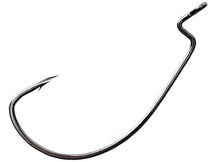
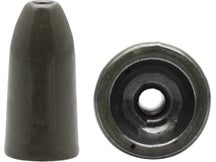
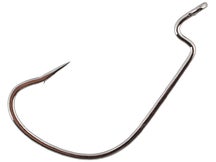
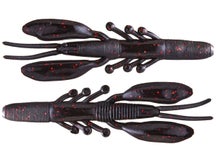
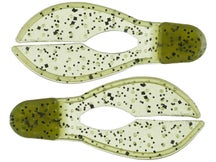
Flipping/pitching/punching gear: 8' XXH Carrot Stix Wild Black casting rod, Lew's Super Duty casting reel (6.4:1 ratio), 66-pound Toray Bawo finesse braided line, unnamed 2-oz. tungsten punching weight, 5/0 Gamakatsu heavy cover worm hook, Missile Baits D Bomb and Baby D Bomb (love bug & bruiser flash), Morgenthaler said when it started to get tough or he encountered extremely thick cover, he switched to the Baby D Bomb "because it entered the stuff better," he said. "I also noticed right away in practice that big D Bomb, with that 2-ounce weight, would catch my bigger fish every single time. There's something about the profile and action of that bait that just triggers that bigger bite. It's just a good flipping bait." The only tweak he made to how he rigged his bait was opening the hook just a bit to improve his hookup ratio.
Main factor: "There were so many parts that played into me winning this tournament. The smaller field obviously helped. Falling on those fish and having the experience on Okeechobee to know which areas could withstand the pressure and which ones couldn't by looking at them was the biggest factor. I've finished 2nd down there and just by making a few small adjustments and recognizing that Shaye and some other guys were fighting over the same fish, that let me know that they'd probably opened the door for me."
Performance edge: "This is the first year I've run the Phoenix 920. On the second day, there was another competitor who was in the same area that I was and I was going to one of the secondary spots that I started on. I was able to overtake him by a pretty large margin on the way down and not knowing, I went exactly to the waypoint that he was heading to. By simply having a boat that performs like the 920 does, I was able to get there. I caught a limit off that spot in 20 minutes that day and caught two of the fish I weighed in out of that area. This was my first tournament out of that boat. To say that it performed beyond expectations would be an understatement."
Lake Okeechobee Wild Card Winning Pattern Bassfan 12/10/13 (Todd Ceisner)
Jeff Lugar Wins BASS Nation Championship
Lugar saw Dardanelle for the first time on a 2-day pre-practice trip in September. "That helped me, but that's not when I found the fish that I caught during the tournament," he said. "I learned to navigate the water and I got a feel for the lake as far as what it had to offer for places that could hold fish - grass vs. wood vs. offshore stuff. But how I caught then in September was not how I caught them in October." Last month, the fish were stacked up on docks and shoreline grass and were easily enticed by reaction baits. By last week, when the 56 competitors got on the water for the 2 days of official practice, many had moved out into the colonies of coontail grass, where big populations of baitfish were feeding on insects. Not just any coontail would do, however. "Some of it had this black slime or moss in it or on it and it had a very pungent odor. In those places, even if the bait was there, the bass were not in there. "I was able to find some other areas that had clean coontail in the bigger bays (Dardanelle and Delaware). If they didn't have that moss or slime, and they had baitfish, the bass would be in there with them." Moving baits were still the ticket, but they had to be fished more deliberately than before.
Competition:
Lugar caught his biggest sack of the tournament on day 1 to put himself just a pound off the pace set by Louisiana's Ryan Levigne. He compiled it despite getting only six keeper bites on the day - all on a spinnerbait. "I had two that were right at 4 pounds each," he said. "I didn't catch anything real big, but they were solid. I had a little flurry in the morning, and then I changed areas in the afternoon and caught one good one." A stiff wind changed a lot of things on day 2. His starting spot produced just one fish albeit a 4-pounder and the locale he'd come to consider his primary area gave up a 2 1/2. Both places had been muddied up by the wind. He added another 4 and a barely legal keeper at his third stop (like the previous two fish he'd caught that day, they bit a ChatterBait). Even with the short bag, he concluded the day right where he'd started it in the standings in 2nd place, just 15 ounces off the lead. Day 3 was the only day that featured significant cloud cover. He expected the action to pick up under those conditions, but he had to resort to a shaky-head to catch a single keeper from his starting spot, and his primary locale was good for only one non-keeper. He expanded farther out into the coontail colony and found more clean grass, and when a fish busted the surface nearby, he threw the ChatterBait to the spot, but got no response. He tossed the spinnerbait out there and slow-rolled it, and caught a 2 1/2. After 20 minutes of plying that tactic over a 65-yard stretch, he had a limit and had begun culling. He made a couple more improvements within the hour, then went to a place that had given up a 4 on each of the 2 previous days. He picked up a 3 1/2 there that finished off his sack.
Winning Gear:
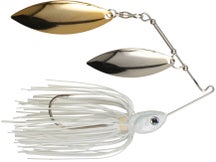
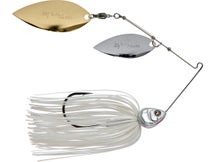
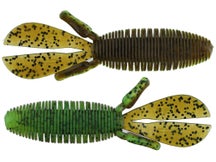
Spinnerbait gear: 6'6" medium-heavy G. Loomis IMX 783 rod, Lew's Tournament Pro casting reel (6.4:1 ratio), 20-pound Berkley Trilene Big Game monofilament line, 3/8-ounce War Eagle Extreme Trokar spinnerbait (chartreuse/white with silver and gold willow-leaf blades).
ChatterBait gear: 6'8" medium-action G. Loomis Topwater Series rod, same reel, 17-pound Berkley Trilene 100% fluorocarbon line, 1/2-ounce Z-Man Original ChatterBait (white with silver blade), Zoom Split Tail (blue glimmer) or Zoom Swimming Fluke Jr. (disco green) trailer.
Main factor: "I guess it would be figuring out what the fish were relating to and figuring out the presentations to get them to bite. Other guys were fishing the grass, but a lot of them were fishing all the grass whether it had the slime or not. I focused only on the clean coontail and I slow-rolled the bait because the fish didn't want it fast you almost had to tickle it through there to get bit. I didn't catch a ton of fish, but by being patient and fishing as thoroughly as I could, I was getting the right bites."
Performance edge: "It might be crazy to say this, but I think the HydroWave really helped. I ran it all 3 days in that grass and it seemed like the shad were always active around me."
BASS Nation Championship Winning Pattern Bassfan 10/29/13 (John Johnson)
Randall Tharp Wins BASS Central Open Ross Barnett Reservoir
He arrived at Ross Barnett in 2nd in Central Division points so his lone objective was to stay in the Top 5 and secure an Elite Series invite. Mission accomplished. "The thing I'm most excited about is getting to fish against Kevin (VanDam) and Skeet (Reese) and (Mike) Iaconelli and Jason (Christie)," he said. "I've competed against all of those guys a time or two. To get to go over there and show them what I can do is what I'm most excited about." He also wrapped up the Central Division points title after posting finishes of 4th (Red River), 18th (Arkansas River) and 1st (Ross Barnett). At Ross Barnett, a 33,000-acre impoundment on the Pearl River, he targeted isolated docks and some rip rap on the lower lake to put together a daily average of nearly 14 pounds to pace the field. His 41-15 total topped runner-up Stephen Browning by almost 4 pounds. Rather than hoist his winning fish out of the plentiful lily pads around the lake, he opted to flip jigs up under docks and around seawalls to capture the win.
Save for a half day about 20 years ago, Tharp had no experience at Ross Barnett prior to the tournament. "That was back before I even knew how to bass fish," he said, "but I knew it would be won shallow before I got there. I was confident I could put something together in the pads. I had frogs and swim jigs tied on and I was prepared to fish like I did at the Red River." After the Toyota Texas Bass Classic, he went right to Mississippi so he got a jump on breaking down the lake and more importantly what patterns were clicking. Initially, things were tougher than he expected. "The first day we were there I put the boat in up the river near where we were staying," he said. "It's the most beautiful place I've ever seen and I only had like two bites. I started thinking it was going to be a tough one. I knew it wasn't spoken of very highly, but it was worse than I'd imagined. The following day, he fished the lower lake toward the dam and by 9 a.m., had six bites under docks, a flurry that got his attention. "It's totally not what I planned on doing, but I pitched a jig under the first dock I went to and a big one just smoke it," he said. "I was like, 'There's something going on here.'" He spent the rest of that day and an entire other day on the lower end, refining the dock pattern. He estimates he had 40 bites the second day, just on docks. "I had several different things going on down there, but docks were 90 percent of what I did," he said. He also got bites on a small umbrella rig along riprap banks that under calm, sunny conditions and by the Saturday of the weekend before the tournament, he had decided the lower end was where he was going to focus his time during the tournament. "It was totally against what I thought and totally against what anybody would think I would do," he said. "There's a lot of green stuff in that lake and I did fish some in the tournament, but it was already after I had 16 pounds and I just killing time to make sure nothing else was going on in the area I was fishing."
Competiton:
The opening day of the tournament brought with it the best fishing conditions of the event, but there was also the lingering shock and sadness stemming from the shooting death of Opens angler Jimmy Johnson, who was gunned down in the parking lot of the Jackson, Miss., motel where he and his wife were staying the Sunday before the tournament. "It affected everybody at the tournament," Tharp said. "I didn't know Jimmy, but I had spoken to him in the bag line. He had a realistic chance to qualify for the Elites and accomplish something I'm sure he always wanted. It touched everybody that was there. He was there pursuing something he loved. It could've happened to anybody. It was just an unfortunate thing. Everybody feels for his family." Once the tournament was under way, Tharp didn't take long to start building momentum. His first keeper, a solid 3-pounder caught on a Z-Man ChatterBait, was stationed on an isolated boat ramp pier near the dam at the lower end of the lake. Then on the way to his second area, his motor cut out on him, but he was able to troll to where he wanted to be.
"It was probably an hour before the service guy got to me and by then, I had four fish and three were big ones," he said. "From that point on, it was the jig. It was totally unexpected the way it all went down." Most of his day-1 fish were plucked out of the u-shaped cutouts "cubby holes" as he called them in metal seawalls in 2 to 3 feet of water, which was the key depth all weekend. By noon, he had the weight he brought to the scale. He did fish some pads and "experimented around because I didn't want to beat anything else up for the rest of the week," he added. "It was a good day. I didn't lose any or miss any fish." His 16-pound bag put him out front by 4 ounces, ahead of Brian Potter. He caught 15 keepers each of the first 2 days, but he noted the feeding period was moving later in the day. On the second day, he finished his limit at noon and caught a key upgrade on an umbrella rig. His 13-04 effort kept him in the lead entering the final day when the bite toughened across the board. Despite Browning bringing in the tournament's heaviest bag (16-14), only half of the 12 finalists hauled limits to the stage. It was tough on Tharp as well. He wrangled six keepers into the boat on the final day, but the best five weighed 12-11 and secured the victory for him.
Winning Pattern:
The extra time Tharp put in on the lower end allowed him to pinpoint where the better fish were holed up. "It was obvious that it was a certain type of dock in a certain place on the lake," he said. "I marked every one I could. I think I had 50-something waypoints, but when the tournament began, I probably hit between 100 and 150 a day. It was basically pull up and make 10 flips and then go to the next one. There's a lot no-wake buoys there and the long stretches with 10 docks were getting some pressure, but the ones that were off by themselves or you had to a long idle to get to them, nobody would do it. That ended up being the key. The isolated docks are where I caught the biggest fish. "Most of the fish were pretty far back up under stuff. They weren't on the outside poles either. They were all up under, in the thickest stuff. If there were four poles together back in there the hardest to get to that's where they'd be. I had to make long, really accurate pitches. It made for some pretty exciting fishing. When one gets it way up under there and he's throwing water all over the pier and you're pulling him over cables, it's pretty awesome. It's the way I love to fish." He figured out the rig pattern after he'd locked down the dock strategy in practice. "There was so much bait there, I knew there had to be fish there," he said. "I hate throwing that thing and hate everything about it, but I knew it was the time of year and the water was clear enough for it to work. I rigged one up and went to the dam. Every time I saw a ball of shad, I caught a 3-pounder. I told somebody I thought I could win it on that stupid thing. That bite kind of went away because the conditions never aligned for that. On the final day, there was a small window when it got calm and sunny. I ran over there and on the first cast, I caught a 3-pounder. It definitely paid off."
Winning Gear:
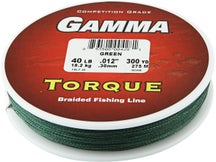
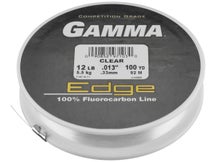
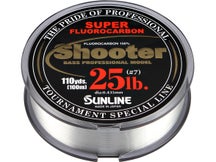
Jig gear: 7'6" heavy-action Halo Daylite casting rod, Shimano Chronarch 100 casting reel, 20-pound Gamma Edge fluorocarbon line, 1/2-oz. 4x4 Bass Jigs Randall Tharp Signature Series jig (golden craw), Zoom Big Salty Chunk trailer (green-pumpkin). Sticking with the jig was a big key in Tharp's mind. "There was quite a bit of pressure around the area and everybody was throwing moving baits or flipping little finesse worms," he said. "I just had an old school flipping jig."
Umbrella rig gear: 7'6" heavy-action Halo Twilite casting rod, same reel, same line, YUM Flash Mob Jr. umbrella rig, 1/8-oz. jig heads, 2.8" and 3.8" Keitech Swing Impact FAT swimbaits (electric shad). He hung the smaller swimbaits on the outside hooks and the longer one on the middle wire. All of the fish he caught on the rig came on the middle wire.
Main Factor: It was a high speed, run-and-gun thing. There were key places and I didn't waste a lot of time fishing random stuff. I fished key places the entire week. It was the same thing at the Cup and when I won at Okeechobee I never went to what I felt were the best places until I felt like the fish were biting. If there was one key to me winning, it was the timing of when I went to those key places."
Performance Edge: "I feel like I have the best jig and the best rod. The boat and motor were great. My Power-Poles were key again as far as stopping me on the docks when I needed it."
Ross Barnett Reservoir Winning Pattern Bassfan 10/23/13 (Todd Ceisner)
Terry Butcher Wins Grand Lake PAA
Competition:
Despite being unable to fish much of the area he wanted to because of high winds, Butcher carried over his success in practice to day 1 of the tournament as he weighed nearly 16 pounds to take the lead. "I thought I'd catch a few more big ones than what I did," he said, noting his bag was anchored by a 4-pounder. "I just had good, solid fish." He stuck to his spinnerbait-shallow cranking patterns on day 2 and boxed his first limit by 10:30 a.m. From there, it was a grind as he didn't catch any upgrades the rest of the day. "I ran a bunch of new stuff, but never backtracked anything," he said. "I just started thinking I'd catch them better on the third day." His 13.72 pounds on day 2 kept him in contention as Scanlon was able to move past him for the lead by a scant 0.13 pounds. The final day was another grind, however, as it took until nearly 11 a.m. for Butcher to finish his limit. The afternoon produced no upgrades as he went back through areas he'd already fished, thinking the bass has repositioned later in the day. "I back tracked and figured I could go back and hammer on some of that stuff and probably get another quality fish or two, but I couldn't do it," he said. "I was thinking the whole time I needed at least one more big one. It ended up being tough for everybody so it worked out good." Scanlon fell off with just three fish for 4.32 pounds, opening the door for Butcher, who wasn't sure his 12.26 sack would be enough to take the win. "I really didn't think I did," he said. "I thought Casey or one of the other guys would catch them. I really thought going in 16 pounds a day would win. I wouldn't have been shocked had it taken more, but listening to the weights it's been taking lately, it's been tougher."
Winning Pattern:
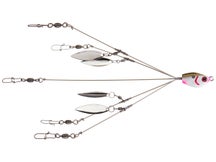
The square-bill crankbait was responsible for catching Butcher's best fish - the 3- to 4-pound specimens - while the rest came slow-rolling a spinnerbait on the sides and across the front of boat docks. "I was fishing rows of docks, but I did have one dock in particular that gave me three fish I weighed in," he said. "To be honest, I hadn't fished these docks before. There were about 10 docks there. I caught some off the other ones, but there was one that I caught a 4-pounder and a couple of 3-pounders off of." He cranked mostly around shallow, flat, rocky banks. "That's my favorite thing to do - just throw an XCalibur 100 series square-bill crankbait up shallow. I'm talking 6 inches to 4 feet and run it back out," he added. The morning bite was decidedly better than later in the day. "It seemed like all of my better bites came between 9 and 10:30. The first day I caught a 3-pounder early that made a difference. I was thinking the first 2 days that maybe I was getting out of the areas they were in, but the third day I backtracked and went back through it and still couldn't catch them. The morning was the best time frame for me, for sure."
Winning Gear:
Spinnerbait gear: 7' heavy-action Wohali casting rod, Ardent Edge casting reel (6.1:1 gear ratio), 50-pound PowerPro braided line, 1/2- and 3/4-ounce Booyah double willow blade spinnerbait (white/chartreuse). A slow retrieve with the spinnerbait was key to triggering bites around the docks.
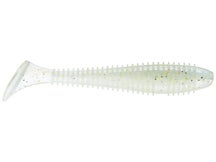
Crankbait gear: 7' medium-heavy Wohali casting rod, same reel, 14-pound Silver Thread fluorocarbon line, XCalibur XCS 100 series square-bill silent crankbait (fire tiger and oxbow).
Main factor: "Probably knowledge of the lake and patience and being slow with the spinnerbait was the biggest key. I know some other guys tried the spinnerbait thing on the docks and couldn't get it done. The biggest key was just being slow with it. You try to cover a lot of water with it, but you had to reel it really slow down those docks."
Performance edge: "My Bass Cat and Mercury never missed a beat. Also, I used my Power-Poles when the wind was blowing pretty hard. I'd put them halfway down and it helped keep my back end from blowing around."
Grand Lake PAA Winning Pattern Bassfan 11/13/13 (Todd Ceisner)