Rick Cotten's Pattern, Baits & Gear
The key was a silent entry and not hitting the target. "You absolutely had to be silent with the jig when it comes into the water and you have to get as close to your target as possible and not hit it," he said. "If you hit it, you might as well reel back in because you're not going to get a bite." Finding a transition area where fish were coming in and out of was crucial. His big bag on day 1 was all pre-spawn fish while his giant stringer on day 2 were all post-spawners. When the winds picked up on the weekend, it muddied up the water and made bait presentation extremely challenging, and in turn, he struggled mightily. "You do that for 5 or 6 days in a row between practice and the tournament, that gets tough on your wrist because you have to sidearm it," he said. "It's tough to consistently sit there and do that from that far away. It sounds easy, but it's not. "That many days, it takes a toll on your body, especially when the wind picked up on day 3 and 4. It gets pretty tough to sit there and do that."
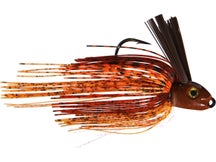
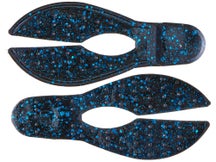
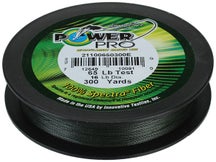
Pitching gear: 7'6" heavy-action Phenix casting rod, Lew's Speed Spool casting reel (7.1:1 ratio), 80-pound PowerPro braided line, 1-oz. unnamed double weedguard jig (junebug and black/blue), Zoom Super Chunk trailer (black/blue).
He's been very impressed with the performance of his Lew's reels. "I've fished with other reels, but when you get in a driving rain or if they get wet, you had to put the brakes on them. With the Lew's, you can sit there and dunk them in the water and cast after cast, you don't have to adjust the brakes on them. I'd recommend Lew's to anyone."
Main factor: "Picking the right bait and finding the right area. The mid-lake area is just on fire right now. Earlier in practice, I didn't catch them that good. Even the slightest little cold front or the slightest little temperature drop affects the fish drastically down here - moreso than any other place I've ever seen in my life. I think the biggest key was the warm up."
Performance edge: I would recommend Phenix Rods to anyone and I love my Lew's reels. Other than that, my Mercury and my Champion bass boat got me to and from my spots every day."
Lake Okeechobee FLW Tour 2-5 Patterns Pattern Bassfan 2/13/13 (Todd Ceisner)
TW Staff