Easy Steps To Rig A Punching Setup
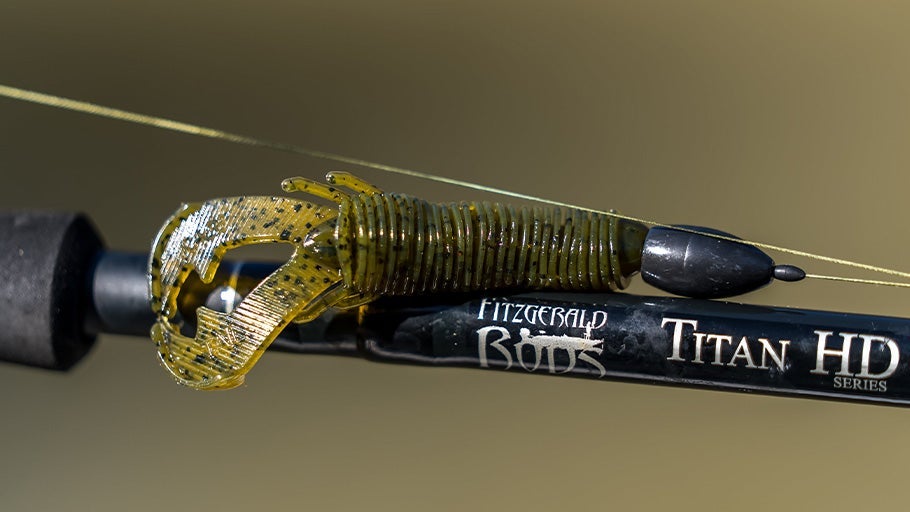
Designed for fishing the thickest matted vegetation, a Punching Rig is a highly effective technique and sometimes the only way you can access where the fish are to seduce a bite. A properly set up Punching Rig is also crucial for getting through the mat and fishing heavy cover effectively. In this article we will discuss how-to set a Punching Rig so you can get underneath those mats where the big ones are hiding.
What You'll Need
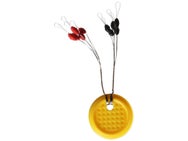
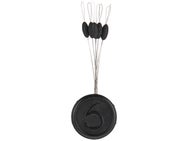
Bobber Stops/Punch Stops
Tungsten Flipping Weight
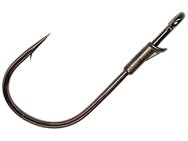
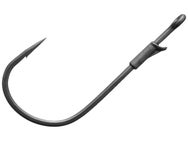
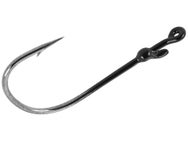
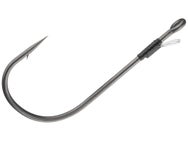
Flipping Hook
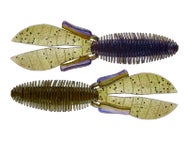
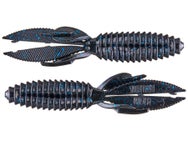
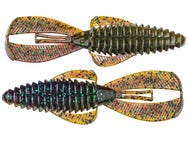
Soft Plastics (Creature Baits, Craws)
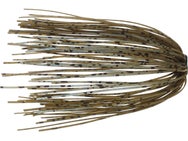
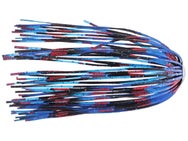
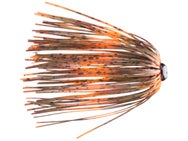
Punching Skirt (Optional)
Steps For Rigging a Punching Setup
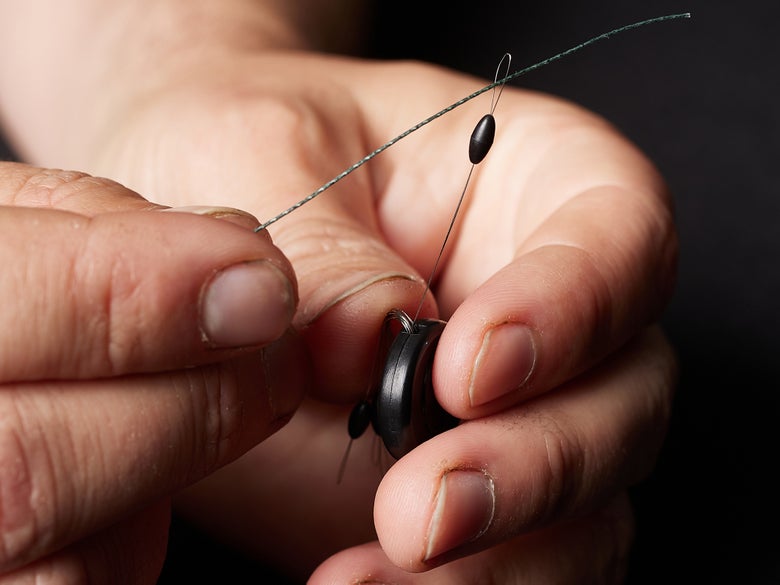
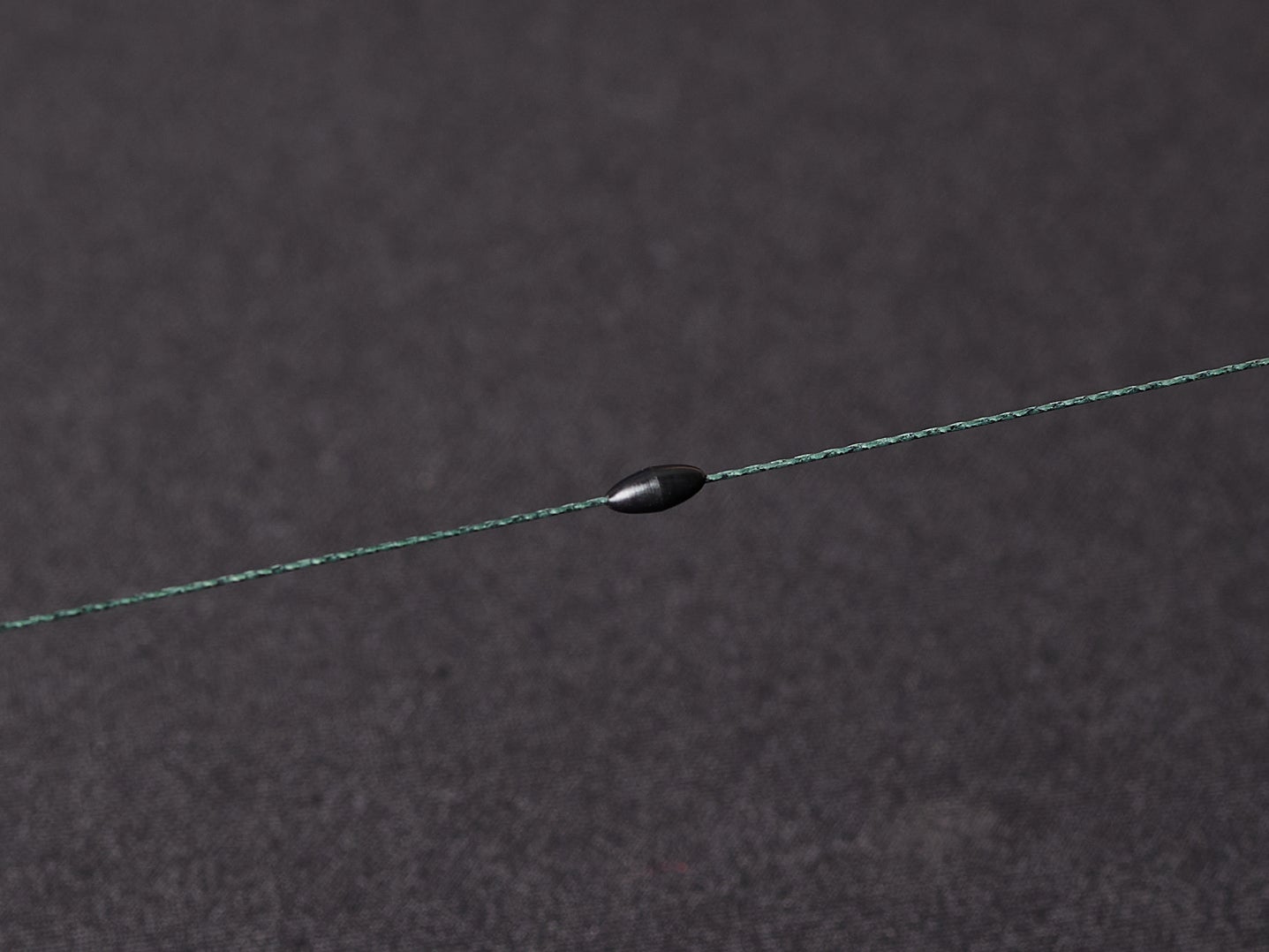
Add A Punch Stop
Add a bobber stop or punch stop to your line and slide it a couple feet up the line to give yourself room to complete the rest of the rig.
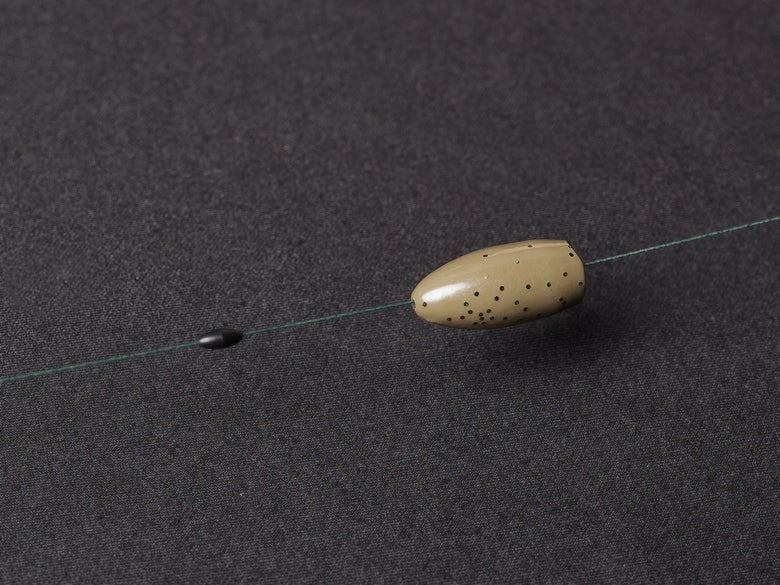
Add A Weight
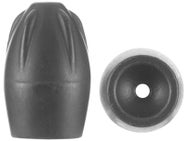
Add a tungsten flipping weight to the line next. Tungsten is a much better option than lead because it’s much more compact and punches through matted vegetation more efficiently.
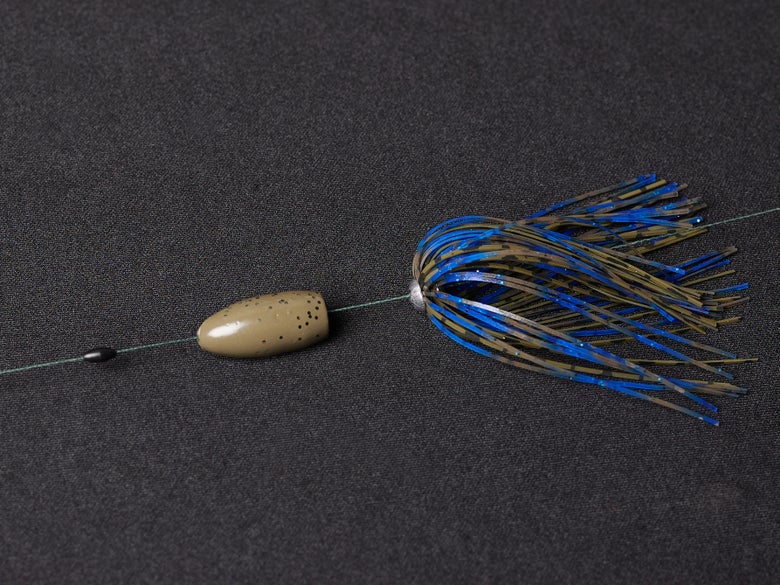
Adding A Punch Skirt (optional)
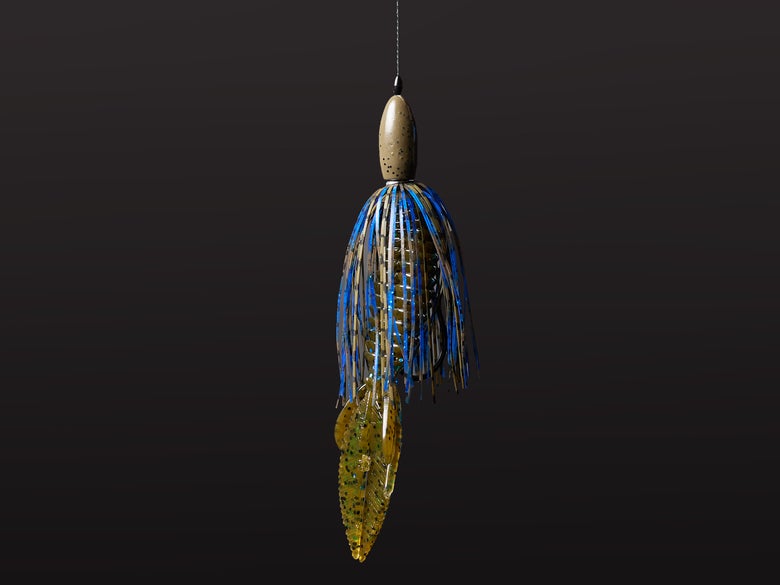
If you would like to add a punch skirt now is the time to do so. Simply thread it onto the line after the weight. A punch skirt adds bulk to your presentation and allows anglers to create custom color combos and another dimension to their bait.
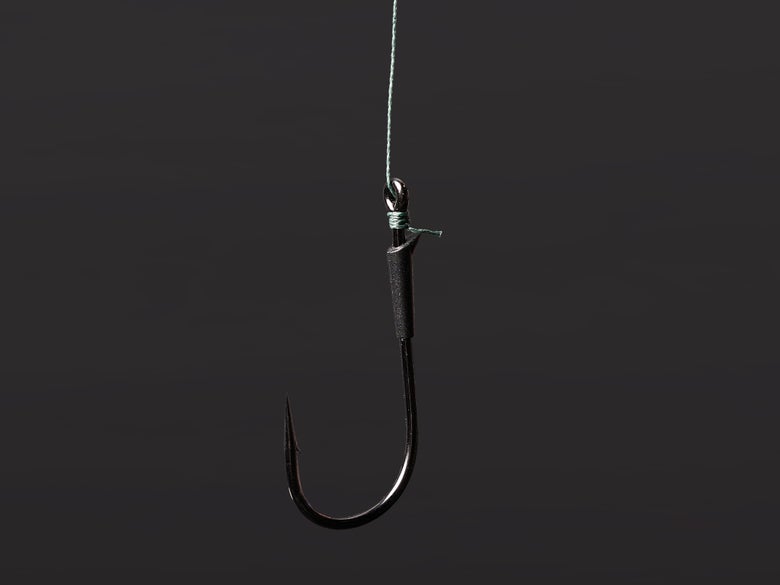
Tie Your Flipping Hook On
Tie on your favorite flipping hook. For punching, it is highly recommended to use an extra strong straight shank flipping hook. Any knot will work, but many professional anglers and avid flippers believe there are many advantages to using a Snell knot and the Snell knot is the best knot for punching.
Thread On Your Bait
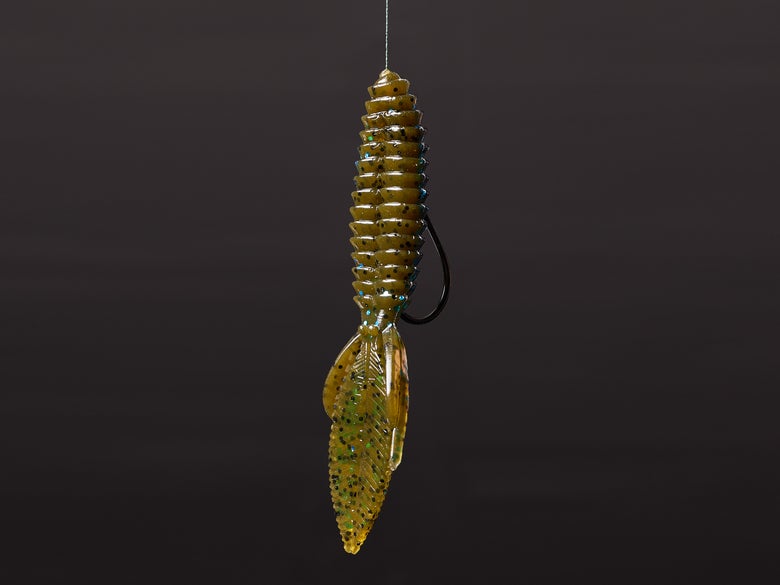
Rig your desired soft plastic onto the hook. Rig it Texas style with the hook point protected by the plastic for a completely weedless presentation.
Bring It All Together
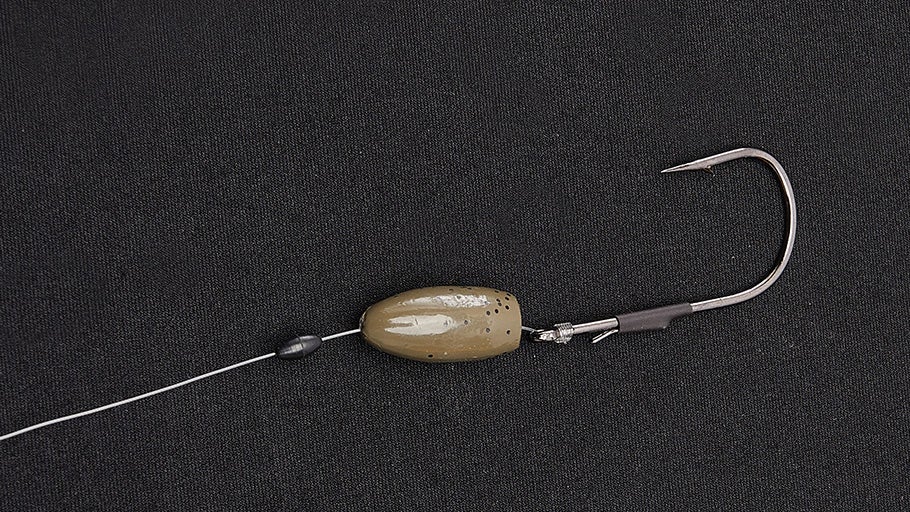
Slide the bobber stop down the line and bring all the elements together. The bobber stop will keep all the elements of your punch rig together when you flip into a mat, which ensures the entire rig goes under the mat and not just a portion of it and leaving your bait behind.
Frequently Asked Punching Questions
What is a punching rig used for?
A punch rig is used to target bass hiding in heavy vegetation, especially hydrilla, hyacinth, duckweed and other matted aquatic vegetation. Typically, rigged with a weight ranging from 3/4- to 2 ounces, the streamlined presentation “punches” through this heavy cover and allows anglers to present a bait to fish hiding underneath.
What size weight should I use for my punching setup?
Choosing the correct size punching weight is going to depend on how heavy the cover is that you are fishing around. While standard punching weights range in size from 3/4 to 1-1/2 ounces, when fishing around super dense vegetation, it may be necessary to size up to 2 ounces or more to effectively penetrate the cover.
Should you peg your weight when punching?
While punch stops might be a preference for flipping, a punch stop (sometimes even two) is necessary for punching. Punch stops keep your presentation compact and allow it to remain streamlined, so it can easily slip through dense vegetation.
What type of hook is best for punching?
A heavy gauge straight-shank hook with a sharp point and a solid hook keeper is a good choice for flipping and punching. The heavier hook wire provides the muscle necessary to pull big fish out of thick cover, and the sharp point makes it easy to penetrate the fish’s mouth.
What rod should I use for punching?
For punching, a longer (7’6” and up) Heavy to X-Heavy, Moderate-Fast to Fast-action rod is used to create powerful hooksets and pull fish out of thick vegetation. Look for a weight rating that covers the size of the weight that you are using.