2014 BASS Winning Pattern Baits & Gear
Andy Montgomery Wins Lake Norman Southern Open
Montgomery has a long history of success at Norman. He's fished team tournament trails there in the past with current FLW Tour star Bryan Thrift along with Louie Hull, the owner of Shooter Lures, and his dad. Montgomery and Hull teamed up to win the 2006 National Bass Circuit national championship at Norman while Hull and Montgomery's dad are team partners now. Having not fished the lake much in recent years, he leaned on his old partners prior to the official practice period. He spent a day on the lake each with Hull and Thrift. "It helped me remember a few things I might not have remembered," he said. "It's good to have somebody who you've already spent time on the lake with to get your bearings. We just did a lot of riding around. "I only get to fish there once or twice a year now, so just riding around and getting to visually look around, it started to come back to me. I did fish a little bit, at least enough to know I could get some bites."
Competition:
Montgomery went into the tournament with a target weight of 13 pounds. He figured hitting that mark would put him in contention for the victory, but it was no guarantee. "Usually this time of year, 13 to 14 pounds wins local one-day tournaments," he said. "I figured staying on 13 a day over 3 days would give me a shot." Morning fog that lasted until about 10 a.m. gave way to slick, warm and sunny conditions on day 1 and Montgomery was a man on the move. He ran around to docks he knew had brush piles around them and also mixed in new areas. "I caught close to 40 fish the first day and probably 30 were jig bites," he said. "Every day of the tournament I'd mix in new stuff I hadn't fished before and I also repeated some stuff from previous days. It was a healthy mix. There's no way I could fish all the stuff I knew on the lake. I didn't even touch 50 percent of the stuff I knew. "I also figured out that mid-lake was where the best bite was at. A lot of people shied away from it because it was looking like it was turning over. It may have been, but the fish still bit. I think that scared a lot of the field away." He hit his mark with 13-02 to start and that had him in 4th place.
Beside brush and docks, he started to unlock a pattern on docks that had longer walkways out from shore that were situated on flatter banks. "I got on that a little bit in practice," he said. "I fished some stretches that I don't typically fish and it seemed like they were on the poles or right under the walkway. That developed as the tournament went on, but on day 2 it was pretty strong." He made a move up to 2nd place with a 13-12 bag on Friday, which was cloudy and rainy most of the day. The weather change seemed to push the fish off docks and positioned them shallower. "I couldn't get bit in brush piles and the clouds and rain are typically not good for the jig," he said, "because the fish have a tendency to suspend." He spent the early part of the day on the extreme lower end of the lake, but he was unable to get into stretches that he wanted to fish because other competitors had swarmed there. He relented and headed back to the middle and upper sections of the lake, where "I could get on anything I wanted." He mixed in a couple topwater baits in the afternoon and caught three keepers that way. "It was tough until the afternoon," he said. Starting the final day 8 ounces behind David Williams, who led the first 2 days, Montgomery knew the fishing would get tougher under the bluebird, post-front sky. "That's when you want to fish a jig," he said. So that's what he did. He went back to his brush pile pattern and grinded out 12 to 15 keeper bites to come back with 10-12. It was hardly the biggest bag of the day, but when Williams managed just three for less than 5 pounds, Montgomery felt he'd done enough. "I mixed in some new stuff and ran some stuff that had been good," he said. "There was one stretch where I'd caught them good on day 2 that produced a couple weigh fish on day 3."
Winning Pattern:
Asked to reveal details about the type of docks that he targeted, Montgomery offered this breakdown: "For some reason, on Norman, docks are always good. It doesn't matter if they're in the backs of pockets or on the main lake or a point, docks are good year round. It's not like the fish go to the backs of the creeks in the fall like they do on other reservoirs. They live everywhere year round at Norman."
Winning Gear:
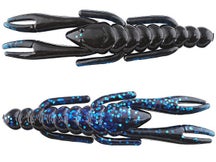
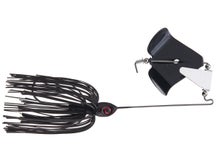
7' medium-heavy Daiwa Zillion casting rod, Daiwa Tatula casting reel (7.3:1 gear ratio), 20-pound Seaguar InvizX fluorocarbon line, 1/2-oz. Shooter Elite jig (crawdad), Strike King Rage Tail DB Structure Bug trailer (green-pumpkin). Montgomery said he nipped a little bit of the Rage Bug off before threading it on the jig. "I used to just use chunks as jig trailers, but that bait has made for a deadly combo now," he said. Montgomery also caught three of his weigh-in fish in the afternoon on day 2 on an unnamed buzzbait.
Main factor: "Knowledge of the lake. That's what it boils down to. I wish I had something more interesting to say, but I know the lake extremely well and that's what helped me."
Performance edge: "My Daiwa rod and reel set up was another key for me. The two big factors for me were knowledge of the lake and being able to put it under there where they live."
Lake Norman Winning Pattern Bassfan 10/7/14 (Todd Ceisner)
Andy Young Wins BASS Central Open Lake Amistad
Competition:
Young got only six bites on day 1, and one of those was a short fish. His bag was very solid considering the conditions, but it left him nearly 6 pounds behind Allen, whose stringer was anchored by a 10-pounder. "I wasn't really surprised because I figured somebody would catch them," he said. "What surprised me was when he did it 2 days in a row." Young managed just four bites on day 2. He'd boxed only three run-of-the-mill keepers by mid-afternoon when he connected with a 6 1/2-pounder on the umbrella rig. He'd resigned himself to fishing for 2nd place on the final day. "I really didn't think I had a chance, but a couple friends kept telling me that anything could happen, that (Allen) could blank in those tough conditions. Sure enough, he left the door open." He had a limit by 11:30 and one of those fish was a beauty - a 7 1/2-pounder that fell for the umbrella rig. "I culled two times after that and each one of them was very minor - a half-ounce here and a half-ounce there. But considering I won by 1 ounce, those two little upgrades were the key."
Winning Pattern:
Allen said the umbrella rig was most effective when it was retrieved within a few feet of the bottom. "The first time I'd cast it out and let it sink all the way down (to see how long it took), and after that I'd count it down for 10 seconds or whatever. They wanted it slow, but I was giving it some erratic jerks. "Two of the biggest ones hit when the bait was straight under the boat, and I think that had to do with the HydroWave. I had it on 'Feeding Frenzy' and turned up as loud as it would go."
Winning Gear:
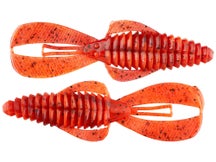
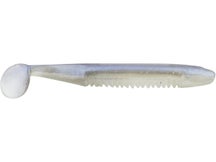
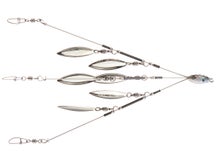
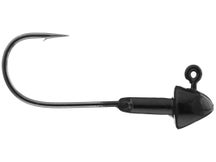
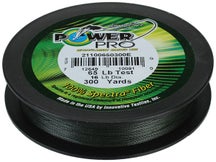
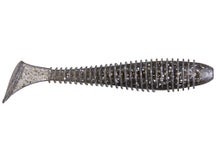
Umbrella rig gear: 7'6" heavy-action Dobyns 766 SSM flipping stick, Lew's BB1 casting reel (6.3:1 ratio), 65-pound PowerPro braided line, 5- or 7-arm Hog Farmer Bait Company umbrella rig, 1/8-ounce Outkast Tackle Money jigheads, 5" Big Bite Cane Thumper swimbaits (pearl and watermelon ghost). The 5-arm bait was equipped with four spinners and the 7-arm had 12. He prefers the Outkast heads because the 4/0, heavy-wire hooks are a little smaller than the standard U-rig offerings. "They don't snag up on the branches as much and they hook the fish really well."
Dropshot gear: 7'4" medium-action Dobyns Champion Extreme rod, Lew's Gold Spin 3000 spinning reel, 8-pound P-Line fluorocarbon line, 3/16-ounce lead dropshot weight (round), 1/0 Gamakatsu dropshot hook, Biovex Kolt Fish Tail (green-pumpkin).
Main factor: "I think the biggest thing, with the weather being so bad, was me being from Minnesota and being used to it. The cold didn't really bother me. The other thing was having a simple gameplan - I had two things that worked and I just kept doing them."
Performance edge: "I really think the HydroWave made a big difference and I had the right rods for the job. The Hog Farmers made a big difference, too, and the finesse dropshot bait was huge. Without those dropshot fish, there's no way I would've won."
Amistad Open Winning Pattern Bassfan 2/13/14 (John Johnson)
Brett Hits Wins BASS Lake Seminole
Chad Pipkens Wins Lake St. Clair Northern Open
Pipkens calls himself a "big dropshotter" when it comes to catching smallmouth bass at St. Clair or elsewhere up north, but the finesse technique was mostly an afterthought at the Open. "There are three guys I grew up with fishing and we've spent a lot of time out there with tubes and dropshots," he said, "and we've found that the days it wasn't easy out deep, the fish were up shallow and that's how I was able to put the crankbait bite together as fast as I did." He started practice the Sunday before the tournament and spent some time probing transition areas in 12 to 22 feet. "I tried those and some deeper stuff, but only caught small fish," he said. "When I went shallow and started cranking, I caught a 4 1/2 and a 5. I fished two other places and had a 5 1/4, a 6 1/4 and a 3 1/2." The weather did pose a challenge before the tournament as winds would kick up significantly, making Erie inaccessible and unfishable at times. "I felt like I was driving my truck and boat more than I was fishing," he joked. On Wednesday, though, the waves on Erie laid down and he was able to fine tune his cranking program. "I had seven shallow places, but really wound up catching them off only two of them," he said. "That's why I like to fish Erie - it's very specific. If I don't get bit doing one thing on one place, I leave and go do something else until I find them." He did have backup areas in St. Clair where he figured he could catch 3 1/2- to 4-pounders, but their nomadic nature made it tough to bank on them sticking around. "When I'd come back in from Erie and stop on those places, they weren't there," he said. "I didn't event want to fish St. Clair if I didn't have to."
Competition:
Pipkens made the 70-mile run out to his area on the Canadian side of Lake Erie on day 1 and promptly put 21-06 in the boat. "I left myself 4 hours to get back and it wound up taking 3 hours and 10 minutes," he said. "It got so windy that I felt fortunate to catch what I did off my first two places. The biggest thing was paying attention to the weather. I was lucky to get down there okay." He estimates he had an hour and 45 minutes to 2 hours of fishing time each day once he got to the spots he wanted to hit. "I had about seven key areas in a 5-mile stretch," he added. His day-1 bag was anchored by a 6-pounder that fought so hard the rear treble was missing from the crankbait once Pipkens got it back to the boat. "I had three fish literally straighten out the split rings," he said. Day 2 was a bit more of a challenge in terms of getting to his area and back because the wind had picked up out of the southwest and was blowing into the part of the lake he was fishing. "It just made it hard to do everything," he said. "We'd catch one and by the time we'd land it and put it in the livewell, we'd be so far off the spot, I'd have to start the big motor and drive back over to it." His first five fish of the day, though, were good for 22 1/2 pounds and sensing he had enough weight to qualify for the final day, he headed back St. Clair with 5 hours left before check-in. "I knew if I could make it to Saturday, with the weather they were calling for, it could be one of the best days ever," he said. His 22-08 sack on day 2 gave him 43-14, but he was still 3-12 back of Balog, who crushed 25-02 on Friday. A sizeable front moved through Friday night and had Pipkens concerned, but when he woke up Saturday and saw the marine forecast for the Canadian side of Erie was calling for winds out of the northwest, he started licking his chops. "If it had been out of the west, there was a chance it would've stirred some stuff up," he said. "When we got out on the lake and started getting closer, I slowed down and saw the water color was right." With the favorable conditions, he knew he could stay a little longer than he had been. Calling it the "best 4 hours of fishing I've ever had," Pipkens hit the mother lode with his crankbait. "We had a lot of fun out there," he said. "Within 25 minutes, my co-angler had 12 pounds (three fish) and we eventually left the first place because we were just catching 4-pounders. We said, 'It had to be 4 1/2 or bigger or we're leaving.' We were laughing about it because that never happens." Pipkens guessed he caught 50 fish on the final day, 40 of which were 3 1/2 pounds or heavier. "I must've caught three or four 20-pound bags," he said.
Winning Pattern:
Pipkens opted for the Damiki DC-300, a 2.1-inch, 0.55-ounce crank that dives to 12 to 15 feet, because it "seemed to be just the right size bait," he said. "The key was I had to hit around the right pieces and just have it knick the bottom," he added. "On day 3, if you were around the right stuff, they'd just eat it. Each day they were set up on different parts of the sweet spot depending on the wind or current. On the last day, they were literally on the whole thing." Water clarity was a key factor in his success, too. "A lot had to go right with it not getting muddy, but it wasn't too clean either," he said. "Plus there was a lot of bait in the area." The areas he fished ranged from 8 to 11 feet deep.
Winning Gear:
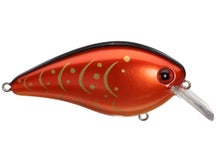
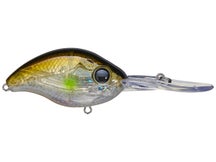
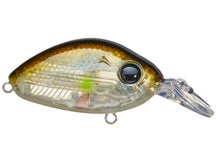
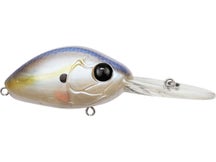
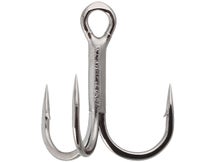
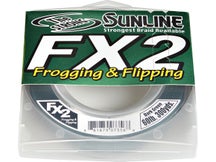
Cranking gear: 7' medium-heavy Powell Max glass cranking rod, Abu Garcia Revo STX casting reel, 12-pound Sunline Super FC Sniper fluorocarbon line, Damiki DC-300 crankbait (real shad). Pipkens swapped the stock hooks for #4 Gamakatsu round bend trebles on the front and #5s on the back.
Main factor: "Having the lake experience I do and having the confidence in the way Lake Erie fishes, as well as having put my time in and having an idea of what the weather would be like and knowing I could get to where I wanted to go. I knew it was a big risk, but if I could get there and focus on a fishing for a couple hours, I knew I could do well. It doesn't happen that often in a tournament where everything lines up in the right way on the right day."
Performance edge: "My Skeeter FX 20 and Yamaha 250 SHO were great. I have Hull Speed on the bottom of my boat and I feel like that really helps with mileage out there. It was about taking it slow and getting there. If you can get there and your stuff's not broke, you can get the job done."
Lake St. Clair Winning Pattern Bassfan 9/9/14 (Todd Ceisner)
Chris Lane Wins BASS St. Johns River
Clifford Pirch Wins Lake Mead US Open
Competition:
Pirch began the event with a whopping 15 1/2-pound bag that gave him a lead of nearly 4 pounds. It was the second straight stringer of that caliber he'd caught in U.S. Open competition - he had one on the final day in 2013 when he nearly snatched the title away from Rusty Brown. The day featured a major thunderstorm that kept light conditions low and rendered the competitors extremely wet. "The weather was a huge factor that day," he said. "In fact, I thought there were going to be more bags like that because I thought everybody was going to catch them that good." His sack included a 6 1/2-pounder - the biggest fish of the event - that bit a crankbait and a 4 that was enticed by a worm on a dropshot rig. "Those big ones I caught, you normally wouldn't catch that class of fish in those places. It takes some crazy factors to make them bite." His day-2 haul was just a little more than half of what he caught the previous day, but it kept him more than 2 pounds clear of everyone else. The weather was still rough that morning and he opted to remain in the vicinity of the launch at Callville Bay. "I basically dropshotted for that 7 1/2 pounds," he said. "I caught a few on a topwater and maybe one cranking. Then at about 11 or 12 (o'clock) it really slicked off and the fishing got pretty tough after that. It was really all about the first half of the day." Conditions were mild on day 3, which allowed him to make the long run to the Overton Arm with no logistical issues. He didn't find the same scenario he'd discovered during practice, though, as the rain had changed things considerably. "With the really nice weather I knew I could get up there and still have time to move to plan B or plan C if I needed to. When I got to my area, it was all blown out by the flash flood - the water was (the color of) chocolate and debris mats were covering all my stuff. I couldn't even get to it." He kept moving around and eventually pinned down some fish at mid-day. "The morning was a little stressful, but I finally found them at about 10:30 or 11. I found some scattered debris that wasn't as vast and the fish were setting up under or around that and I just started flipping wood, tumbleweeds, sawdust and whatever else was in there." The area, which was about a mile from where he'd planned to start, eventually surrendered more than two dozen keepers to him and his co-angler. "For awhile it was one after another and I was culling a half-ounce at a time almost non-stop."
Winning Gear:
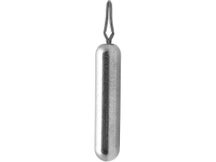
Dropshot gear: 7' medium-action Phenix M1 Drop Shot rod, unnamed spinning reel, unnamed 6-pound fluorocarbon line, 1/4-ounce cylindrical dropshot weight, 1/0 Roboworm Rebarb light-wire hook, 4 1/2" Roboworm (oxblood light or Pirch's purple).
Cranking gear: 7'6" medium-action Phenix X13 rod, unnamed casting reel, unnamed 10-pound fluorocarbon line, unnamed medium- and deep-diving crankbaits (shad colors).
Flipping gear: 7'11" heavy-action Phenix flipping stick, unnamed casting reel, unnamed 65-pound braided line, 1/2-ounce Clifford Pirch Outdoors jig (black/blue, brown or clay bank orange), unnamed craw trailer (to match jig). He tied his jigs directly to the braid in muddy water, but employed a fluorocarbon leader in clear water.
Main factor: "I'd probably say just experience on desert lakes and knowing what to do under those types of conditions."
Performance edge: "Getting around in that rough water is a whole lot more pleasant when you're running a Skeeter."
U.S. Open Winning Pattern Bassfan 9/12/14 (John Johnson)
Greg Hackney Wins BASS Cayuga Lake
Jacob Powroznik Wins BASS Lake MIchigan Bay de Noc
Jacob Powroznik Wins BASS Toledo Bend
Jacob Wheeler Wins BASS Lake Chickamauga
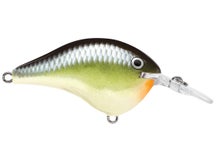
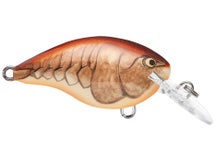
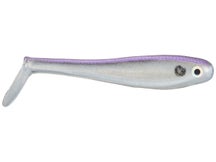
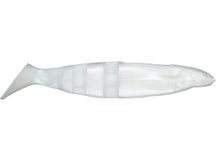
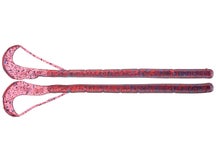
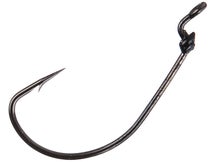
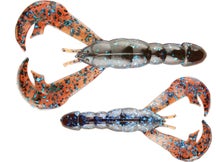
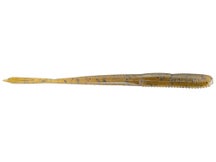
Jason Chrisite Wins BASS Lake Dardanelle
Keith Combs Wins Lake Fork Toyota Texas Bass Classic
Mark Tyler Wins Arkansas River Bass Open
A great deal of practice on his adopted home water had never before paid off in the short term for Tyler. There was the lock disaster last year, and prior to that the flooding that caused the final event of his last Elite Series campaign to be shifted to Fort Gibson Lake just days before it was set to begin. A lot of the effort he'd put in on the Arkansas in previous years paid off last week, however. He had little choice other than to rely on those memories as his practice leading up to this event consisted of a mere 6 hours. "I went out on Monday (3 days prior to day 1) and I got there about 9 o'clock after checking for new calves and doing some other chores early in the morning," he said. "I spent a couple hours just getting familiar with the boat and making sure everything worked and that left 3 or 4 hours for fishing. I spent some of that making sure the navigation was the same and that there weren't any new sandbars that made the water depth 6 inches where it used to be 3 feet. "I tested a few areas and got a few bites on reaction baits and plastics. I had to leave by a little after 3 to do my afternoon rounds checking for the calves and on Tuesday and Wednesday I was just too busy to get back out."
Competition:
Tyler fished both the Webbers Falls Pool (where the launch took place) and the adjoining Kerr Pool. His 15 weigh-in fish were split almost evenly between them. He had a slow morning on day 1, going without a keeper for the first 2 hours in the rainy conditions. He though the setup was prime for reaction baits, but the fish apparently felt otherwise. He eventually switched to flipping and pitching plastics and caught a solid stringer that put him within a pound of early pace-setter Clayton Coppin. "Things definitely didn't start out as planned, but I just kept at it and eventually the bites started coming," he said. "The whole tournament was like that - it was pretty much a grind the whole time. I caught eight keepers the first day, seven the second day and six the last day. "I never knew when my next bite was going to come, how long it was going to take to get it or even if I was going to get it. I tried to stay focused on the process and stay confident that it was eventually going to work out." Plastics were the ticket again on day 2 when he took over the lead. The moving-bait action finally materialized on the final day. "You don't always know why things like that change, but you know they're going to change and you have to adapt. Maybe the fish were feeling a little pressured and they needed something moving faster to make them bite. "I started out with the crankbait in the morning and it just felt right, and I caught one pretty quick. When I went to the plastics I wasn't getting bit, but I had just enough confidence in the crankbait and the subtle clues were telling me I needed to stick with it. "It's (the fishes') environment and they know why they do what they do," he concluded. "It's our job to figure out whatever works - and to do it quickly."
Winning Pattern:
Tyler said he was on the move frequently. He fished mostly woody targets, but also worked weed points and anything else that provided any type of current break. He always had at least four rods rigged with plastics and switched between them often. "If I was confident a fish should be there, I'd attack each piece of cover from different angles," he said. "I wanted to exhaust every opportunity to give that fish something it wanted to bite." All of his fish came from water that was 4 feet deep or shallower, with most in the 1- to 3-foot range.
Winning Gear:
Tyler opted to withhold details of the equipment he used other than his rods (he still has a sponsorship deal with Denali). "That's not because I'm worried about people knowing what I was using, but because it does a disservice to all pro fishermen," he said. "If companies want their products mentioned, they have to pay. It should be given away for free." His plastic offerings included craw worms, traditional worms and Beaver-style baits. He went with dark colors (black or blue) in dirty water and greens and purples in clearer water. All were fished on 20-pound fluorocarbon line. "I tried to find what each individual fish wanted and I got bites on all of them."
Arkansas River Open Winning Pattern Bassfan 9/16/14 (John Johnson)
Mike Iaconelli Wins BASS Delaware River
Mike McClelland Wins BASS Table Rock Lake
Ott DeFoe Wins BASS Northern Open Douglas Lake
He totaled up 62-05 over 3 days, including a whopping tournament-best 24-01 on day 3 to beat fellow Elite Series pro and Tennessee native David Mullins by nearly 10 pounds. "It's a thrill (to win at home)," DeFoe said. "Every event we've had here, I've done well in and made the Top 12. I don't take that lightly. Having led the PAA (at Douglas) after day 2 last year and not winning kind of burned me so there's no greater feeling than to win here, especially at home." DeFoe opted to limit his time on the water prior to the competition for a couple reasons. First, he has such vast knowledge of the lake and how the fish typically set up this time of year on certain areas that he didn't feel it necessary to roam around trying to set the hook a bunch of times. Second, he frankly didn't want to be seen stopping or idling on certain locales, knowing that could be a tip-off to other competitors. "I practiced about 5 hours Tuesday and 5 or 6 hours Wednesday," he added. "And very little was spent fishing. I mainly was idling and looking at stuff. Timing is such a big thing here. Even if you pull up on your best spot right now, they might not be there. Whether I caught them somewhere in practice I really didn't put any stock in it." While idling, he took note of the areas that were getting hammered or pressured in an effort to "check the senses of the community holes," which aren't very well hidden on the latest mapping chips. With that in mind, he began looking at secondary areas that he felt could be holding quality fish. "The deep fishing was kind of off a little bit from what it had been a couple weeks ago," he said. "It'd been getting like it should be, but maybe the boat traffic and fishing pressure got to them. It was still a way to catch them, but it wasn't the best or only way. "I totally expected to never make a cast shallow. I just never thought it would be a consideration.
Competition:
DeFoe couldn't have scripted a better morning on day 1 as he had 19 pounds in the boat by 9:15 a.m. Three of his weigh fish fell for a Rapala DT-16 crank, another came on a 1/2-ounce jig and the other was on a swimbait. They were all "deep fish," he added. "My game plan was to fish up the lake a bit, but the fish aren't usually as big as down lake," he said. "Typically, you're going to catch 2 1/2- to 3 1/2-pounders up there. Four-pounders are at a premium. With that in my mind I had the idea that I'd be able to catch 16 or 17 pounds and come back down lake and fish for two or three big bites (5-pounders) the rest of the day." He was fortunate to nab to 4 3/4-pounders where he least expected them, but the rest of the day was a skunk-fest. "I fished the rest of the day and never landed another bass," he said. "I was all over the lower half of the lake. I never imagined I could fish that many good places for that amount of time and not catch one. People caught them down there. It's not like they didn't bite, but it really irked me that I didn't catch 'em."
After day 1, he eliminated the lower end from his game plan going forward. "I'd caught a couple fish that were better than expected up the lake and the weights overall were a little off," he said. "I thought all along that someone was going to get to 60 (pounds) and they'd have a 23-pound day along the way and that it would likely be on the first day." A boat was already occupying his day-1 starting spot when he got there on day 2, so he opted to bounce around to the places that produced the previous day. He finished his first limit while doubling back on one area and his initial stringer was in the 11-pound neighborhood, coming off "similar stuff or places as day 1." "At that point, I was in scramble mode bouncing around to new water," he said. "I worked my way up lake and wound up flipping up three good fish - a 5-pounder, a 4-plus and a 3-pounder." Those went to the stage with him, as did two others that ate the DT-16. His 19-01 stringer gave him the day-2 lead with 38-04. "Day 1 went so easy in one respect, but the second half of the day was really frustrating," he said.
"Day 2 was more of a struggle, but it came together and it worked out. My mindset going into the final day was I needed to catch 15 pounds to have a chance, but I wasn't going to feel good until I got to 20." He tried to guard against fishing conservatively and went to a few places he hadn't been to. "I bounced around and worked my way up to hit some deep stuff I hadn't been to," he said. "I almost got to where I had flipped on day 2, then went to a shallow rock pile that had a little bit of current just below it." He threw a square-bill on that spot and left with four in the livewell, including a 4-plus pounder. He then did some deeper cranking and caught another 4-plus to get him to around 16 pounds. "Then I went back up to the shallow rocks and I got them figured out right where they were and sat there and hammered them pretty good," he added. "I got to 21 pounds there and wound up catching my biggest one on a swimbait at around 1:15. That was definitely the icing on the cake." His 24-pound final-day total caught him off guard. "It was more than I could've imagined," he added. "It was one of those special days. I caught more fish on day 3 than on the first 2 days combined. I was able to get in the right place and get the right bait and cast figured out."
Winning Pattern:
DeFoe did employ the strolling or long-lining method on day 1 to get his cranks down to their max running depth, but none of the fish he weighed in came out of water deeper than 18 feet. "Most of the fish were right on the bottom," he said. "Some areas were rock or slick bottom where there was just a contour change. There were some bars or points, but it was pretty slick. We call them river slicks. They're just the rounded tops of rocks." His crankbait retrieve was steady and fast and at times, he would stop and start to give the baits an erratic-looking motion.
Winning Gear:
Deep cranking gear: 7'8" medium-heavy Fenwick Elite Tech Bass casting rod, Pflueger Supreme casting reel (5.4:1 ratio), 10-pound Berkley Trilene 100% Fluorocarbon line, Rapala DT-16 (Caribbean shad).
Flipping gear: 7'5" heavy-action Fenwick Elite Tech Bass casting rod, Pflueger Patriarch casting reel (7.9:1 ratio), 30-pound Berkley Trilene Braid line, 20-pound Berkley Trilene 100% Fluorocarbon line (leader), 1/2-oz. Terminator Pro Series Jig (Texas craw), unnamed chunk trailer (green-pumpkin).
Square-bill cranking gear: 7'2" medium-action Fenwick HMG casting rod, Pflueger Supreme XT casting reel (6.4:1 ratio), 15-pound Berkley Trilene 100% Fluorocarbon line, Storm Arashi Silent 3 crankbait (hot blue shad).
The Elite Tech Bass rods will be introduced at ICAST. On his square-bill retrieve: "I was burning that thing so fast," he said. "I caught them winding as fast as I've ever wound a crank."
Main factor: "My local knowledge and knowing I didn't need to fish something in practice. If I saw something I liked, I'd put it on my checklist for the tournament, so knowing the lake really well was a big key."
Performance edge: "I covered a lot of ground and my Nitro boat and Merbcury motor held up really well. I needed them to with as much running around as I did. Also, the Humminbird 360 Imaging on offshore stuff is incredible. I've used it for about a year now and I love it more every day."
Table Rock Lake Winning Pattern Bassfan 6/3/14 (Todd Ceisner)
Paul Mueller Wins Ouachita River BASS Nation Championship
Mueller says he likes to eliminate water just as much as he likes to locate areas holding fishing during pre-tournament preparations. With so much water in play at the Ouachita River, he felt it was important to narrow his options. Navigation was tricky so running and gunning wasn't plausible. During four days on the water prior to the off-limits period, he spent time in the known community hole at D'Arbonne Bayou. "I knew it's one of the top places to be there," he said. "I also went way down south to the Columbia lock where Koby Kreiger won the (Rayovac) Championship (in 2012). I wrote that off." He then found his way into Horseshoe Lake, where he ultimately spent his tournament days. The best limit he caught in there during pre-practice weighed about eight pounds, but he started to get dialed in on a flipping and cranking bite around cypress trees and their complex root systems. "I was flipping a Reins Craw Tube on a 1/2 ounce weight," he said. "I always like a tube in dirty water. It just works good around wood, especially cypress. It doesn't snag like a jig and it has a unique action. I knew it would be a key bait for me. I also caught some on a spinnerbait, but I think the water was still too warm for that to be really good." Like many backwaters along the Ouachita, access was a challenge, but he managed to wiggle his way through. "It was tough to get into," he said. "I had to make a special trail on my GPS because there was this little canal that led into the oxbow lake. It's a pretty big area. I went in there one morning and spent all day in there and fished every inch of the lake. "I caught a lot of fish in there, but they were all 1.25 to 1.50 pounds," he added. "I wasn't comfortable with the caliber of fish there, but I figured I had it in my arsenal if I needed somewhere to go." The official practice period consisted of two 8-hour days as B.A.S.S. wanted the competitors to get acclimated to the blast-off and check-in procedures. Mueller steered clear of Horseshoe Lake both days and instead fished some stretches of the main river and parts of D'Arbonne Bayou he didn't look at during pre-practice. "I figured Horseshoe wasn't going to change all that much and I wanted to see if there was anything good in the river," he said. "I never got on a good main river bite. The water was dirtier than I like and the water had dropped a few feet from pre-practice. Basically, the only thing I had going in official practice was a buzz bait deal in D'Arbonne." He made his biggest decision of the tournament even before it started as he felt the weather system that came through the day before competition was going to diminish the topwater bite. "You had to commit in this tournament," he said. "When that front came through, I decided not to go into D'Arbonne."
Competition:
Figuring he had a solid 1-2 game plan of throwing a balsa square-bill crankbait early on then flipping the tube after the sun got higher in the sky, Mueller opted to go into Horseshoe Lake to start day 1. "I felt really comfortable with the tube," he said. "I could get a bigger bite with it and could also catch small keepers." He caught a small limit first thing on his crankbait, but later culled everything out on the tube and wound up with 9-08, a respectable total that had him in the Top 5. "It was the day after a front so I downsized the weight to 3/8 ounce," he said. "I figured out that I could not get the big fish flipping until the sun was high enough around 9 a.m. I focused on areas with shad and clumps of cover, whether it was three or four cypress trees together or a laydown intersecting with a cypress. The laydown had to have a lot of branches, though, so the fish could use it as a canopy. "I knew that weather was going to get those fish tighter to cover and I knew the flipping bite would be the deal." On day 2, he couldn't get bit on the crankbait and didn't have a fish in the livewell until 9 a.m. By 10:45, he had his limit and decided to ease out of his key areas. "I didn't want to burn any more fish for day 3," he said. "I felt like I had enough to still be near the top." He said a key adjustment was downsizing his flipping weight even more, to 1/4 ounce. "Just that slight change made a big difference," he said. "I caught a lot of 1 1/2- to 2-pounder, but once I culled out my last 1 1/4-pounder, I quit fishing in there. I wasn't sure what else was in that place." He ran into D'Arbonne Bayou later on and went through the stretch where he'd caught them in pre-practice, but the water had fallen and was dirtier. "I eliminated it then," he said. "I wouldn't have been able to regroup and figure them out. That gave me really only one option on day 3 - go back to Horseshoe." He tried to get some early momentum going on the final day with a ChatterBait and spinnerbait, but had no takers.
"One thing I'd noticed was there was more bait toward the way back of the lake," he said. "I worked my way toward the back and there was a defined line of trees then some isolated ones, and there was a depth change almost like a ledge that went from 3 to 6 feet. With the root system of the trees, sometimes they would be clumped in areas." He fished to where the deep water ended and cranked two of his bigger fish off the break. He wound up boating four keepers on the square-bill. "By then, the sun had come up and I started flip and pitch trees," he said. "I got my limit and culled with a 3 3/4-pounder." His last cull in Horseshoe was a 3 1/4-pounder around 11 a.m. and by then he figured he had 13 pounds. He noticed the water had dropped some more and he started to worry about getting back out through the access canal. "I got conservative and figured I had the Eastern Division won and I wanted to get back near the ramp," he said. "I had two hours to kill and there were some docks across the river from the ramp. The spent the rest of the day pitching and skipping those." He eventually caught a kicker in the 3 3/4-pound range on the tube off a piece of brush near the corner of a dock. "That was a gift because I hadn't caught a good one in the main river at all," he said. His 14-09 stringer on the final day was by far the heaviest of the tournament and provided a nice bookend to Mueller's year as it sealed his come-from-behind victory. "The toughest part about it was figuring out the fish at the time of day you were fishing," he said. "It wasn't easy but it wasn't extremely hard either. They just weren't grouped up much. I usually like these tournaments so I feel comfortable when I fish like that. It's just a grind and all of your focus is on the next bite. I get into a different gear and I usually wish for tough tournaments because it eliminates some guys right away."
Winning Pattern:
When throwing the square-bill, he said making multiple casts to the same spot was key to triggering strikes. "If I felt like I was in a high-percentage area, I'd cast over and over to the same stuff," he said. "Most times, we'll make a cast, maybe two, and then move on. I knew they were in there."
Winning Gear:
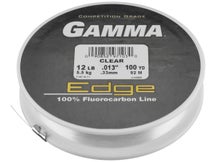
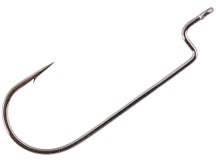
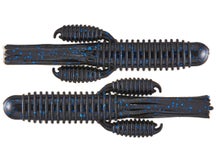
Flipping gear: 7'3" heavy-action Dobyns Champion 736 casting rod, Lew's BB1 Pro Series Speed Spool casting reel (7.1:1 gear ratio), 16-pound Gamma Edge fluorocarbon line, 1/4-, 3/8- and 1/2-oz. Reins Tungsten slip sinker (black), 3/0 Gamakatsu Superline EWG worm hook, 4" Reins Craw Tube (black blue flake). The Craw Tube is made with pinchers attached to both sides, but Mueller said he snipped them off to give the bait a more slender profile. He also opened the gap of the hook a little bit and he believes that increased his hook-up ratio.
Square-bill cranking gear: 7' medium-heavy Dobyns Savvy 703 casting rod, same reel, 14-pound Gamma Edge fluorocarbon line, WEC Custom Lures E1 crankbait (chartreuse classic).
Main factor: "Without a doubt, it was my faith in the Lord. Without that none of this would be possible. It came easy on the last day and while He blessed me the whole tournament, the last day was special."
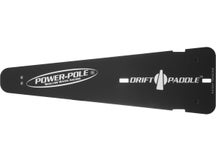
Performance edge: "I don't think I could've fished as methodically as I did without my Power-Poles. I have the 10-foot Blades and when you're trying to fish every possible angle and make no noise with the trolling motor, those are crucial. They allowed me to really dissect areas and be efficient. If I had to use my trolling motor, I kept it on low, but the Power-Poles make no noise and helped me cover that area with a stealth presentation."
BASS Nation Championship Winning Pattern Bassfan 11/11/14 (Todd Ceisner)
Paul Mueller's Bassmaster Classic Runner-Up Pattern
Mueller had fished Guntersville twice during his co-angler stint on the FLW Tour so the lake wasn't totally foreign to him, but he had little sense of where to go or how to break things down. He spent nearly 2 weeks at the lake in December before it went off limits and barely made a cast. "I spent about 95 percent of that time scouting was sitting and looking at Structure Scan on my Lowrance, just looking to see where the best grass was," he said. "Toward the end, I was losing my marbles and had to catch a couple fish. I'd found some areas that had some fish and had some areas that had good fish, but the grass was gone by the time we came back." When he returned for the 3-day pre-practice session, he quickly eliminated the lower portion of the lake. "The southern end didn't work for me," he said. "I guess you can win down there sometimes, but I tried for about three-quarters of a day and another day in practice and I couldn't get anything going. I said, 'I ain't coming back here again.' I just went up north and fished the main river mid section up north." The key to his places in the middle section of the lake was the presence of eelgrass. With the extremely cold winter Alabama has had, much of the grass that was in the lake as recent as December had been knocked back or died off. "The area where I caught my fish in the Classic still had some good grass in it," Mueller said. "The area I had was chock full. I had eelgrass, which is not everywhere." The areas he identified with the rich eelgrass were around BB Comer Bridge in the middle section of the lake. "I had a stretch where it was loaded with eelgrass and they were there," he said. "They're still there. If the wind blew or if current was coming through the lake (Sunday), I could've caught another 30-pound bag. The thing that messed me up day 1 was it was dirty. There's a big sandbar on the outside of where I was and the wind was blowing the water in there and pushed it in there."
Competition:
The story of day 1 of the Classic was as much about the front that moved across northern Alabama the night before competition began. It brought high winds and rain and left some parts of Guntersville a swirling, muddy mess. Along with the rising water, sunny conditions replaced the overcast and cool weather the anglers had earlier in the week. The water temperatures rose significantly during the event, prompting some fish to head shallow. Mueller got started throwing a lipless crankbait in eelgrass on day 1. The water he was fishing just south of BB Comer Bridge and around North Sauty Creek had muddied up and visibility was only about 6 inches. As is sometimes the case when fishing with lipless baits, lost fish can lead to frustration and heartache. Mueller said he lost a fish in the 5-pound class and another around 2 pounds. Those would've given him a limit and, ultimately, the title. "I'd have had this tournament," he said. On day 2, the water began to clear up and he switched to a Z-Man ChatterBait. The bait change led to a historic day, as he pulled 32-03 from the Guntersville eelgrass to rocket up the leaderboard to 5th. "I didn't get a whole lot of bites, but when I did, they were big," he said. "I wasn't really culling a lot of fish. You either catch big fish or little fish here. You'll catch a 1 1/2-pounder or one over 4." His monstrous stringer pulled him to within 5 1/2 pounds of day-2 leader Edwin Evers entering the final day. On Sunday, the wind that aided Mueller's strategy on day 2 didn't return. While he still caught nearly 25 pounds, he thinks the lack of wind and current curtailed the bite in the areas he fished. He also had to make repeated casts to a spot in order to draw strikes on the ChatterBait. "I had an area on day 3 where I think they started to get a little pressured because I'd caught some there on day 2," he said. "I had to make literally 40 casts to a specific spot. I'd keep saying I'd keep moving, but on the 40th cast, I'd catch a 4 1/2 or 5-pounder. It was just crazy." He said the ratio of males to females he caught on the final day was about 2-to-1. "It was to the point in the morning where it was one right after the other, but they were small ones," he added.
Pattern:
Mueller said he was targeting irregularities with grass nearby. I was looking for inside turns and points in that area because it was all irregularities," he said. "If you had a clump of eelgrass next to an inside turn or a point, that's where the big ones were sitting. The males were all over the place, but the key was that grass. It was thick and healthy. I think, even though the water was warming up, they never moved. They didn't have to. There was so much grass there." He said the grass topped out at 3 feet and then dropped in 7 feet with a 10-foot channel behind him. "I was sitting on 7 or 8 feet and throwing into 3 to 7 range," he added. "It was an old creek channel off the main river. It didn't have milfoil. There were little points off that channel in 3 to 7 feet." He said slow-rolling the ChatterBait, then popping it free from the grass was the key to triggering reaction strikes. "They'd sit on the upside of the point and I'd throw that ChatterBait and slow-roll it and they'd react to that. The difference when you're throwing the trap in the grass is if you reel it slow, it would get buried in the grass. With the ChatterBait you can slow roll it. I just creeping it through there. "The ChatterBait could get through the eelgrass no matter how you retrieved it. If you went too slow, it would get buried and you'd have to pop it. I'd work it slow enough to where it would get hung up a little bit and then I'd give it a short pop and a lot of times on that short pop, boom, they'd hit it."
Gear:
ChatterBait gear: 7'3" heavy-action Dobyns Champion casting rod, Daiwa Lexa 100 casting reel (6.3:1 ratio), 14-pound Gamma Edge fluorocarbon line, 3/8-oz. Z-Man ChatterBait Elite (sexy shad), 4" Reins Fat Rockvibe Shad trailer (clear pearl silver). He chose the Elite model of the ChatterBait because it's constructred with a stout 5/0 Gamakatsu hook. "If I hooked a big one, I didn't want any flex," he said.
Main factor: "When I put the Reins Fat Rockvibe Shad on a ChatterBait, it rolls side to side so it looks a lot like something you'd put on a scrounger head. You'd have the vibration of the ChatterBait, but the swimbait would be rolling side to side. I was slow rolling it over the tops of the eelgrass."
Performance edge: "I have two Lowrance HDS-12 touch screens. To me, they were huge. I have it set to be 90 percent map and 10 percent sonar. I didn't rely on the sonar part because you couldn't really see them. You didn't want to be on the grass because you'd be spooking them. I'd be watching where my boat was in relation to the next contour. The biggest key for that was the Navionics Platinum chip because you could see all the little irregularities. Once you caught them, you could look on the map and tell where you could catch another one."
Classic Runner-Up Pattern Bassfan 2/26/14 (Todd Ceisner)
Randy Howell Wins 2014 Bassmaster Classic
As was the case for many competitors, Howell's 4-day official practice period during the week leading up to the Classic was rendered largely irrelevant by the powerful storm that swept through the region the night before day 1 of competition. His initial objective was to locate a few of the offshore schools of fish that have given up giant stringers (primarily to umbrella-rig devotees) over the past several winters, and then figure out how to catch them with some other technique that was legal for the Classic. That quest was entirely unfruitful. "The weekend practice was very cold and we had 40- to 42-degree water," he said. "I struggled Ð I didn't catch a fish the first day and I only got two the second day. Finally (on Monday) I quit all my main-river grass hunting. "Another big factor was that the cold spell in January killed off a lot of the shad. I eventually just wrote that whole thing off." He'd ventured into the back of Spring Creek on the afternoon of the second day and found some warmer water. That's where he caught his two fish Ð a 5 1/2-pounder and a 3. He also graphed a lot of quality fish on the riprap adjacent to the causeway in Spring Creek and four other creeks Ð Mill, Brown's, Town and Mink. He couldn't get many to bite, but he knew that both the bass and the shad they feed on were there, and he knew they'd begin to interact if the water temperature continued to increase.
Competition:
Howell spent most of day 1 just running around and junk-fishing. He targeted grass, wood and rocks at various points of the day and caught fish on a crankbait, a spinnerbait and a bladed jig. He popped a 6-07 late in the day to eclipse the 20-pound barrier and his sack put him at the very bottom of the initial Top 12. It was then that he made his faulty prediction. "Twenty pounds isn't a great day for Guntersville and it's going to have to be my worst day, by far, if I'm going to have a chance," he said. Although his second-day bag was down by 10 percent, he was able to dial in on the riprap cranking program. He caught far more keepers than he had the previous day and even though most were on the smallish side, he was convinced that the bigger specimens were about ready to move up onto the rocks where the shad buffet was laid out for them. Also, the day-1 pace-setters (Randall Tharp, Edwin Evers, David Walker, et al) had also come in lighter, and Howell was only 9 pounds back going into the final day. The consensus was that anybody within 10 still had a shot at the crown. His original plan for day 3 was to return to Mill Creek, where he'd caught all of his weight the previous day. However, after pulling away from the launch, he made an instinctive decision to head for Spring Creek instead. He felt that the fish populations in both places were roughly equal in terms of quantity and quality, but Spring Creek receives much more angling pressure on a day-in, day-out basis. Still, he opted for Spring because those fish had yet to be worked over during the tournament, simply because they hadn't started biting. "I'd fished all of those causeways in the different creeks every day and I was shocked when I'd catch no fish or maybe just one. When I pulled up that morning, the water temperature was up to the middle 50s. The time was right." Boy, was it ever!
For the first 15 minutes, he caught a quality fish on almost ever cast with a Rapala DT6. The fourth one he put in the box was a 7-03, and that one fully validated that Spring Creek had been the correct call. Before the first hour was over, he'd exceeded his day-1 weight. When the DT6 action cooled off, he switched to a prototype Livingston Lures Pro Series medium-diving plug that he'd only had since Thursday and had never thrown. It was in a bag of baits given to him by fellow Livingston pro-staffer Byron Velvick at Media Day. "I threw it in the water and started reeling it back and I could feel that it vibrated really hard Ð it rattled the rod tip. I said, 'This is the bait that's going to catch them right here.''' He doesn't know how many fish he caught during the remainder of the day Ð he estimated maybe 40. He eventually culled out all of his 4-pounders in favor of specimens that were 5 or better. Late in the day he made a quick trip to the back of the creek and used a bladed jig to pull one that was over 6 from a grassy area. That fish supplanted a 5 on his stringer and likely provided his winning margin.
Winning Gear:
Shallow-cranking gear: 7-foot medium-light Daiwa Tatula rod, Daiwa Tatula casting reel (6.3:1 ratio), 12-pound Gamma fluorocarbon line, Rapala DT6 (demon). Demon is part of Rapala's Ike's Custom Colors series. Howell said he picked up several of those baits while serving as an instructor along with Mike Iaconelli at a recent session of The Bass University, then obtained three more from Rapala pro-staffer Brandon Palaniuk prior to day 3.
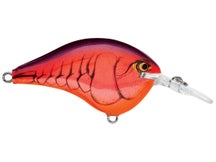
Deeper cranking gear: 7'2" medium-heavy Daiwa Steez rod, Daiwa Steez casting reel (7.1:1 ratio), 14-pound Gamma fluorocarbon line, prototype Livingston Lures Pro Series medium-diver (red craw). His bladed jig was a Gary Yamamoto Custom Baits creation called the Fizzle. He threw it on a 7'2" medium-heavy Tatula rod with a 6.3:1 ratio Tatula reel and 16-pound Gamma fluorocarbon.
Main factor: "Having a little bit of local knowledge about Spring Creek and the other creeks and knowing the history of how those places turn on when the conditions get right."
Performance edge: "That Livingston bait. Before I threw it I didn't even know how it worked, but it had the perfect mixture of vibration and sound. I'd caught all I could catch with the DT6 and the other baits and I ended up culling everything except that one 7-pounder."
Bassmaster Classic Winning Pattern Bassfan 2/25/14 (John Johnson)
Shin Fukae Wins Lake Champlain Northern Open
Fukae committed 4 full days of his practice session to areas north of Plattsburgh. He had plenty of smallmouth spots from his many previous visits to Champlain, but he knew it would likely take a mixed bag each day to contend for the win. "The first day I covered a lot of water because I didn't know what depths and what stage the fish were in since they were a little behind," he said. "I wanted to fish for largemouth this year. I usually only fish for smallmouth there, but I knew I couldn't win on them alone." He found an area that had some decent largemouths in about 5 feet of water, but he sensed there weren't many there. He then slid out to the 8- to 10-foot range on a big grass flat and uncovered the area that would be crucial to his tournament success. "The largemouths were deeper than I expected," he said. "It was a huge grass flat, but I only fished a very small spot." From there, he formulated his plan around trying to catch a limit of largemouths early on, then sliding out to some nearby smallmouth spots, which were mostly offshore rock piles or humps. "I don't like to fish in crowded areas so I didn't go to Ticonderoga at all," he said. "I also knew they were having a local tournament down there Saturday so it made my decision easy." He opted to stay off the water last Wednesday on the eve of the tournament to get rested for the event and get his tackle in order.
Competition:
The tournament opened with a strong wind out of the south, which churned up the lake. Fukae said 12 tournament boats required assistance from the TowBoatUS service and he even helped another competitor back to the ramp. He'd set a goal of 15 pounds for day 1, but after he boxed 17 pounds in 10 minutes off his key largemouth spot, he knew he was off to a good start. "I made seven casts, caught six keepers and had 17 pounds," he said. He mostly junk-fished for largemouth to start, mixing a jig with a ChatterBait, dropshot and a wacky-rigged Senko. "I didn't know the largemouth spot had the quality it had," he said. "I'd only fished it a couple minutes during day 2 of practice and then left. I didn't know what was there." He eventually culled out two of his smaller green fish in favor of two smallmouths that helped him get to 18-13. "I think that wind helped me because one of my largemouth spots was in only 10 feet of water," he said. Fukae said he and his wife went back out on the water Sunday for some fun fishing and without any breeze, they couldn't catch anything in the same area he'd fished during the event. "Every time I come to Champlain, when I get rough water, I catch them good all the time," he added. The wind subsided somewhat on day 2 and he started to get a little more dialed in on his largemouth presentation. "I tried to catch the same weight, but I only caught five for 8 pounds on my first largemouth spot," he said. "They weren't biting a moving bait so after I came back to it, I slowed down and went to a dropshot and wacky worm and they ate it."
He caught a couple 4-pounders, a 3 1/2-pounder and two others around 2 pounds each. He upgraded with two smallmouths in the 3 1/2-pound class to get to 19-03 and move into 2nd place, just 1 pound, 2 ounces behind Scott Siller, who led after days 1 and 2. He said his smallmouth spots were mainly in 25 or 30 feet of water with the fish holding on irregularities in the hard bottom. He would move between the two areas numerous times throughout the day. He moved around in the afternoon on day 2 hoping to locate some new water to fish on the final day as he wanted to have other backup areas where he could catch some smallmouths. "I knew the final day was going to be tough so I wanted to find some new water," he added. He stuck with his morning largemouth strategy on day 3 and it resulted in a 3 1/2-pounder on his second cast. Again, moving baits weren't productive so he went exclusively with a wacky-rigged Senko and added another 3 1/2-pounder and a smaller fish before going to his smallmouth spot where he finished his limit. "I had a limit, but the size wasn't enough to win," he said. In the final hour, he decided to target only smallmouth and wound up catching two upgrades that propelled him to the win. He wound up weighing three largemouths and two smallies on the final day. "I didn't have any idea and I didn't talk to anybody else during weigh-in," he said. "Everybody was so tight after the second day. I wasn't sure I could win." Fukae said the victory helped atone for a narrow 2-ounce loss to Joey Rodrigues back in 2005 at the Oneida Lake Northern Open. "I was waiting for another opportunity to win," he said. "I didn't think about making the Classic. I just wanted to win."
Winning Gear:
Dropshot gear: 6' 10" medium-light Shimano Expride spinning rod, Shimano Stella 2500 spinning reel (6.0:1 gear ratio), 14-pound YGK G-Soul SS112 sinking braid (main line), 8-pound YGK NWaker fluorocarbon line (leader), #1 Gamakatsu G-Finesse Swivel Shot hook, Gary Yamamoto Custom Baits Shad-Shaped Worm (green-pumpkin/watermelon or green-pumpkin/purple), unnamed 3/16-, 1/4- and 3/8-oz. tungsten dropshot weight.
Wacky-rig gear: 7' medium-action Shimano Expride casting rod, Shimano Metanium casting reel (7.4:1 gear ratio), 12-pound YGK NWaker fluorocarbon line, 3/16-oz. Gamakatsu G-Finesse wacky head, 4" Gary Yamamoto Custom Baits Senko (green-pumpkin/watermelon).
Main factor: "Not going to Ti. I didn't want to fish in the crowd, plus I saved on gas money (laughs). From the Rayovac event a couple weeks ago, I knew the fishing was good, but it wasn't my style. I've been there in the past, but haven't fished down there recently so I didn't have much confidence going down there."
Performance edge: "The Gamakatsu G-Finesse Swivel Shot and wacky jig. I designed them and have great confidence in those pieces of tackle. Also, my Ranger and Mercury combo were crucial because to fish at a big lake like Champlain, boat rigging is very important because of the long runs and big waves. Everything, from your hooks to your boat and motor had to work to win such a very competitive event."
Lake Champlain Winning Pattern Bassfan 8/5/14 (Todd Ceisner)
Stephen Browning Wins BASS Central Open Red River
The backwater pond he fished on the final day last year was an area he "just stumbled upon by chance." He hadn't practiced there and didn't have a complete understanding of its makeup. This year, he opted to go down the Thursday before Easter and spent all day in that area to learn it more. "I wanted to go back because I knew it had the potential of winning again," he said. "I figured going down early, there wouldn't be near the competitors in there practicing. "I didn't fish a whole lot, but fished enough to catch some. I maybe had 14 pounds and that gave me confidence and pumped me up. I left Friday and went home for Easter, but I had my mind made up thatÕs where it would happen for me." Upon returning to the Red on Monday, he checked out the areas he fished during the first 2 day of last year's event and caught about 13 pounds, which gave him another option. On Tuesday, he ran up the river to see if the water level and clarity were right, but he called it "a flop" and eliminated it from his game plan. The final day of practice he spent in other backwaters in Pool 5, again checking water clarity. "I got a few bites, but didn't set the hook," he said. "I had enough bites, though, that I knew if I needed to scramble around I had places I could stop at."
Competition:
More than 120 boats left the dock before Browning did on day 1, and cloudy and breezy conditions that were part of a mini cold front had him thinking he needed to get off to a strong start. "I felt like that was going to be the day to catch as much as I could," he said. "I knew with the clouds and wind that was going to be the best day to catch a really good weight of the two days before the final cut." He didn't run to his best stuff right away. Instead, he threw a spinnerbait around some lily pad stems and caught two kicker-quality fish to take the edge off. "When I was leaving takeoff, there was an area I'd found in practice the week before and I was like, 'I can't believe nobody's over there,'" he said. "I ran down a stretch of pad stems with mixed timber in it and caught my first fish there. "I got off to a good start and I really felt good after my first keeper on Thursday, which was a 4 1/2-pounder. I knew I needed to have a good bite to have a good day and two of my first four keepers were that 4 1/2 and a 4-pounder. After that, honestly I just got real relaxed. I didn't let off anything. I just got stuck with 2-pounders as my cull fish and I couldn't get rid of them." He twice looped through a milk run in the area before making a short run to another backwater, but settled for 14-15, which put him in 5th place. "For those who know my track record, I'm known as a comeback kid so it felt good to know I'd be up around the Top 10 before I weighed in," he said. He started day 2 in the same place, but noticed some water had dropped out and it hampered his ability to move around. "I was seeing stumps and stick ups I hadn't seen all week," he said. "That told me that I needed to start backing out and look for those little subtle drops. That's what I keyed in on." He honed in small depth variations and wood in 2 to 3 feet of water and picked them apart by flipping a Z-Man Zinkerz soft stick bait.
"We didn't have much wind that second day and it really put them tight on the cover," he said. "I just tried to pick over every little piece of cover. The average size of my fish went up, but I don't think I had a 3-pounder that day. The 2 1/2-pounders were fairly common on day 2. Having fished there over the years, I knew that was going to be a good day. I felt good when I weighed in. It wasn't one of those nail-biters where I had to sit back and hope I made the Top 12. I felt pretty comfortable I had enough." His 13-09 stringer pushed him to 2nd, less than a pound behind Sporher. He boated a limit pretty quickly on day 3, continuing to key on wood. The water had come back up and he sensed the shallow fish would be in a feeding mood. "With the sun out, every little piece of wood I came to, I either flipped it or cranked a square-bill by it," he said. "The water had cleaned up a bit and that bait was the exact one I caught them on last year. I just have a lot of confidence in it. "On a river system, a post-spawn fish are real lethargic, especially those better fish, and it just seemed like they'd rather eat a big bait than something smaller." While he had a limit fairly early, his co-angler on the final day seemed to be catching the quality fish. "I think he had about 9 pounds with three fish and I barely had that with five," he said. "I fished over a lot of fish, but I was fishing slow how I like to fish and wasn't getting in a hurry. I just told myself to be patient and believe and once the sun got up they'd have to find something to lean against." Around 10:30 a.m., he stuck a 3-pounder on the Zinkerz and then culled a couple more times with the crankbait. By noon, he'd moved to the area he caught them last year and culled up several more times to push his weight to 15-11. "I was the guy that was there at the right time," he said. "The fish got tight to the cover. I made one pass and it was over in 30 minutes. I had all the right ones. That stretch from 12 to 12:30 was definitely the high-noon magic." He'd averaged about 15 keepers the first 2 days, but without additional competitors on the water on the final day, he boated nearly 20 keepers. "It was typical river fishing," he added. "You have to run through those kinds of numbers to get up around 15 pounds. To me, I can't go out and hope to get five bites and them be the right ones. I knew I needed that many bites."
Winning Gear:
Flipping gear: 7'6" medium-heavy St. Croix Legend Extreme casting rod, Team Lew's Gold casting reel (7.1:1 ratio), 20-pound Gamma Edge fluorocarbon line, 5/16-oz. Strike King Tour Grade tungsten worm weight, 5/0 Mustad KVD Grip Pin soft plastic hook, 5" Z-Man Zinkerz (black blue laminate). Browning said he's done real well with the Zinkerz in the past. "It's just a confidence bait for me," he added. "It's a finesse-style of flipping."
Cranking gear: 6'10" medium-heavy St. Croix Mojo glass cranking rod, Lew's BB-1 Pro casting reel (6.4:1 ratio), same line, unnamed 3.5" square-bill crankbait (sexy shad).
Spinnerbait gear: 7' medium-heavy St. Croix Legend Extreme casting rod, same reel as cranking, same line, 1/2-oz. War Eagle Screaming Eagle double-willow spinnerbait (hot white/chartreuse).
Main factor: "Just being patient and being confident and believing and having hope. With the exception of the first morning, things didn't click until about noon each day and that helped me stay focused."
Performance edge: "It's no secre the Red River is brutal on equipment. My Mercury pushed that Triton over stumps to where I needed to go and my MotorGuide trolling motor was a key because you have to be stealthy at that place. Also, more and more (Kevin) VanDam and (Jeff) Kriet have made me a believer in that HydroWave. I know I caught fish behind guys I knew didn't have one on their boat. I have a lot of faith in that little machine."
Red River Winning Pattern Bassfan 4/29/14 (Todd Ceisner)
Van Soles Wins Lake Toho BASS Southern Open
Competition:
Soles got off to a sluggish start on day 1 and it resulted in his lightest bag - by far - of the event. "It took me awhile to get into the rhythm of the day," he said. "There were a few jitters there and I was in one of the early flights, and I think I was a little bit overexcited. "I also didn't anticipate the heavy winds (in excess of 20 mph from the northeast) and they muddied up some of my primary areas. But I said a few prayers and the next thing I knew, the wind laid down." He got two 5-pound-class bites that day, but only one made it into his livewell. "The other one broke me off and I thought that was really going to cost me. Thankfully it didn't make a difference in the end." The wind was even stiffer on day 2, so he shifted his focus to some protected areas that he knew would contain relatively clean water. His first fish of the day was a 10-pound brute and he picked up another keeper before encountering a 3-hour dry spell. He ran to another locale and caught his third keeper, then got his fourth from yet another place a short while later. He eventually had to leave Kissimmee and head back to Toho with only those four in the box, but fortunately managed to fill out his limit with a 13-incher from near the launch ramp with 5 minutes to go. He moved up 24 places on the leaderboard, but knew he'd need even more weight on day 3 to have a shot at the win. "I had to have 20 pounds, at least, so I just decided to go out and do all I could and leave it all on the lake," he said. "I went to an area that I hadn't fished at all in the tournament because it was getting beaten up by the wind, but the wind let up on day 3." That place, which featured a lot of hydrilla, didn't produce. However, some nearby locales did. "I saw some other matted vegetation on the shore that looked really good. The first fish I got was a 9 and I caught them really good there. By 10 o'clock I had a really nice bag of fish." He tried to improve upon it throughout the remainder of the day while also aiding his co-angler, but was unsuccessful. "I would've liked to have had a little insurance, but I wasn't able to do that. I had a few on, but I lost them. "I thought I had a decent shot (at winning) just based on how low the weights had been. I figured I has as good a chance as anyone."
Winning Gear:
Pitching/punching gear: 7'11" heavy-action Halo XXX flipping rod, Lew's Speed Spool casting reel (7:1 ratio), 65-pound PowerPro braided line, 1 1/2-ounce Elite Tungsten weight (pegged by Jethro Baits bobber stop), 3/0 Cobra Heavy Cover Flippin' Hook, Gambler BB Cricket (emerald blue, black/blue flake or Bowen silver shadow).
Main factor: "Just slowing down. On day 2 I realized I was fishing too fast when (his co-angler) caught a 5-pounder and a 3 behind me. I had to really pick everything apart - pitch to a spot, and then pitch 10 inches to the right or left of that spot until I'd covered the whole area. I need to remember that when I think I'm going slow enough, I need to go even slower."
Performance edge: "The most useful tools I had were my Power-Poles. They allowed me to stop the boat and make those pitches without having the wind blow me all over the place. I couldn't imagine fishing in those conditions without them."
Toho Open Winning Pattern Bassfan 1/29/14 (John Johnson)