Flipping and Pitching Gear Guide
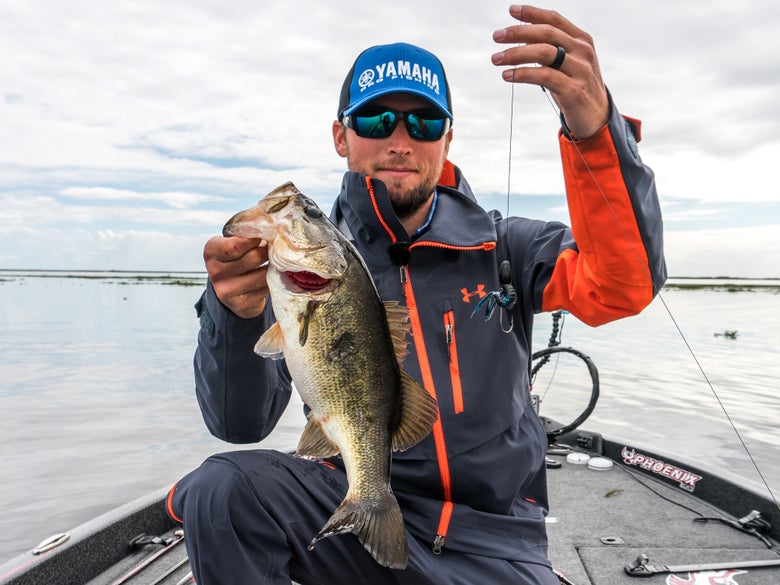
While some may look down a bank loaded with submerged grass, laydowns, trees, or brush and think “what a nightmare,” flipping and pitching anglers envision fantastic opportunities to catch big shallow-water bass. By nature, largemouth bass are known for using shallow water cover to ambush prey throughout the year, but you’d be amazed at how many bass move deep into cover during the warm summer months to stay hidden and cool.
Flipping and pitching are perfect techniques for targeting these hard-to-reach fish lurking in the shadows, but you’ll need specialized gear that won’t fail under heavy loads to battle fish through cover and remove them from the thick stuff! Whether you’re flipping grass, wood, docks, or heavy cover, this article covers all the best heavy-duty rods, reels, and line you’ll need to access these fish, along with knot rigging videos and tips to help you get ahead before you hit the water.
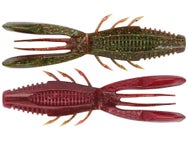
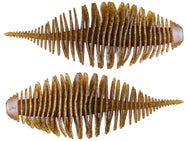
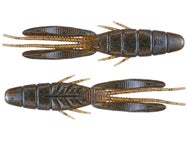
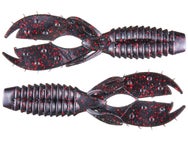
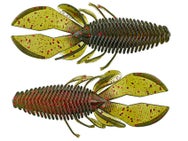
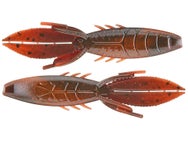
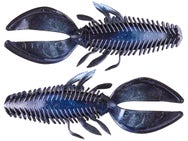
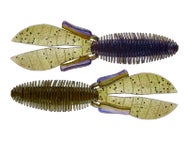
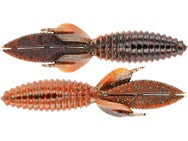
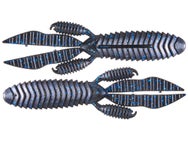
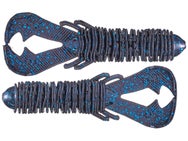
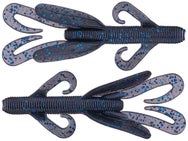
What's the difference between flipping, pitching, and punching in bass fishing?
Flipping, pitching, and punching are all very similar techniques used to target bass around heavy cover, differing primarily based on casting distance, mechanics, and vegetation density:
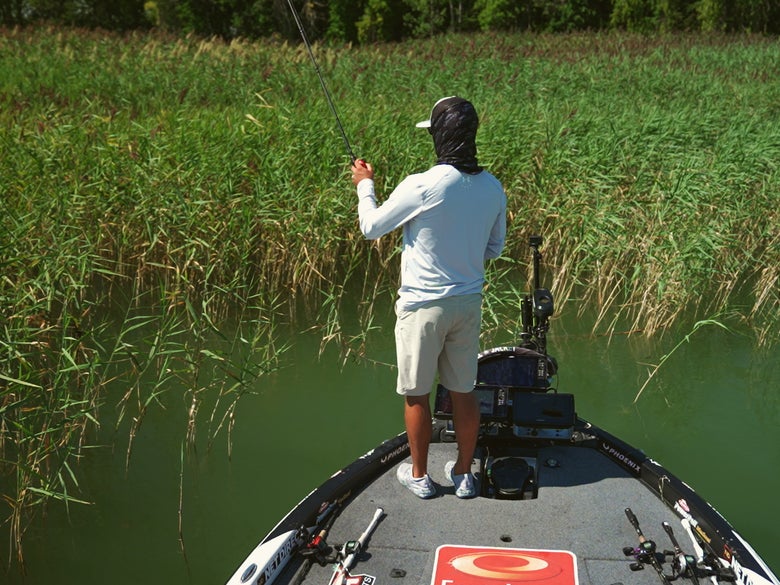
Flipping:
Ideal for close-quarters fishing, flipping involves using a small amount of line to make short, accurate casts into shallow water. Anglers pull out a section of line by hand, swing the bait using a pendulum motion, and release any extra line by hand without having to disengage the reel. This allows anglers to quickly and quietly daub the bait in and out of cover, but it limits the distance anglers can effectively fish.
Pitching:
Pitching is a precise underhand casting technique used to quietly deliver lures, jigs, or soft plastics to targets up to 40 feet away. Pitching excels when anglers need to keep distance between the boat and the fish to avoid spooking, or when fishing targeted isolated cover like a single dock post, sparse vegetative cover, or submerged trees and bushes.
Punching:
Punching relies on the use of heavier weights to “punch” or penetrate through thick matted cover. This technique often calls for extremely heavy-duty line and tackle to remove fish from the nastiest cover. To learn more about punching, check out our Punching Gear Guide
Quick Gear Guide
If you're new to flipping and pitching techniques, here's a reccomendation for a versatile setup to get you started:
| Category | Reccomendation |
| Rods | 7'3" - 7'11" heavy power, fast taper casting rod |
| Reels | 100-200 size low-profile casting reel, 7.1:1 gear ratio or faster |
| Line | 50-65lb braid or 17-25lb fluorocarbon |
| Baits | 1/2oz flipping jig with trailer, 1/2oz pegged Texas-rig with 4" soft plastic |
How to choose the right rod for Flipping and Pitching
What is the best length for a flipping and pitching rod?
Flipping rods come in a variety of lengths, ranging from 7’3” to 8’ with heavy to extra-heavy power ratings, but a 7’4” to 7’6”, heavy powered, fast-taper rod offers the most versatility for all-purpose applications. Longer rods provide increased reach when flipping deep into cover and more leverage for controlling fish, while shorter rods offer better handling for presenting lightweight baits and making accurate casts.
What is the right power for flipping and pitching rod?
When targeting big fish sheltering deep within grass, wood, laydowns, or tulles, you need a heavy or extra-heavy powered rod that combines backbone to hoist fish out of cover with a sensitive tip to detect subtle bites. Around light cover, or when flipping docks/isolated targets, a heavy power rod will provide plenty of muscle, while also allowing for the use of a lighter weight.
What is the best taper for a flipping and pitching rod?
Fast tapers help the tip load quickly to set a heavy-gauge jig or flipping hook, but if you’re missing a lot of bites, try switching to a moderate-fast taper rod that loads more slowly to give fish more time to take the bait.
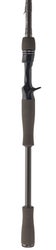
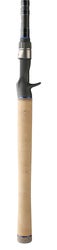
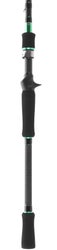
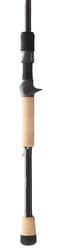
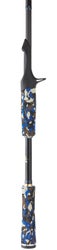
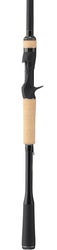
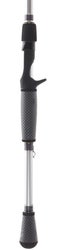
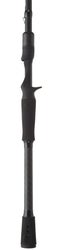
Featured Flipping and Pitching Rods:
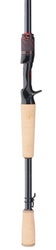
How to choose the right reel for Flipping and Pitching
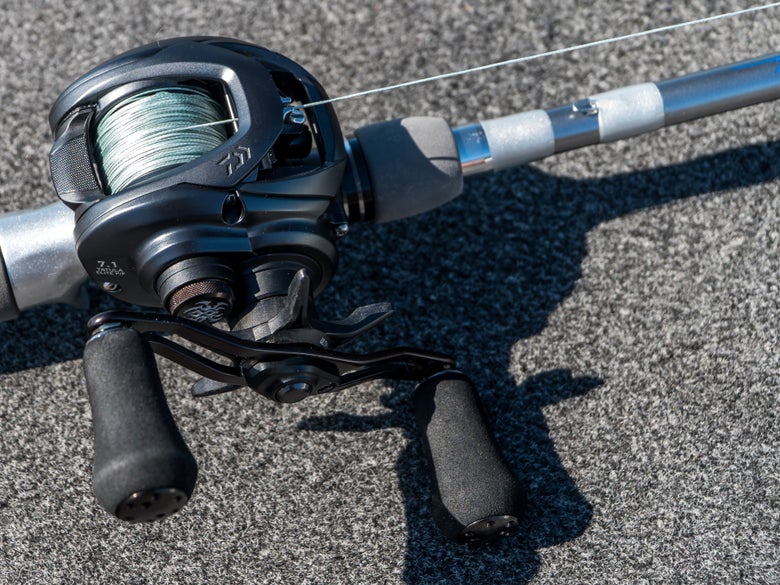
Suggested reels for Flipping and Pitching:
| Feature | Spec |
| Size | 100-200 |
| Gear Ratio, IPT | 7.1:1 or faster, 30" + IPT |
| Spool Capacity | Shallow |
| Handle Length | 90mm+ |
What's the best reel for flipping and pitching?
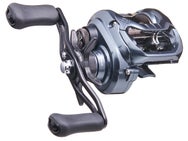
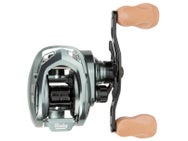
The ideal flipping reel features a comfortable low-profile design that’s easy to palm, has large handle grips, a 90- to 100-mm crank arm for increased torque, and a rigid frame that’s built to handle the abuse of power fishing around heavy cover.
How many inches per turn (IPT) or what gear ratio is best for flipping and pitching?
Flipping and pitching involves repetitive all-day casting into shallow water cover, so a reel with a high-speed gear ratio with at least 30 inches per turn (IPT) is necessary to help quickly take up slack line to make another flip or catch up to a bite that’s running toward the boat.
How much line capacity is needed for flipping and pitching?
Spool capacity is less important for close-quarters fishing, so specialized lightweight, shallow spools are used to improve start-up inertia for pitching lightweight baits and reducing backlash.
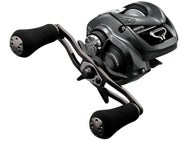
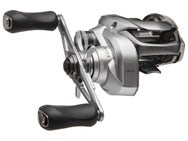
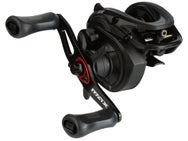
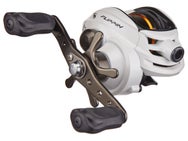
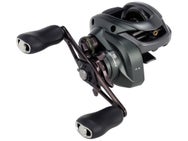
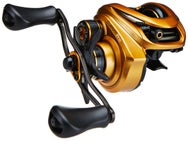
Featured casting reels for flipping and pitching:
How to choose the right line for Flipping and Pitching
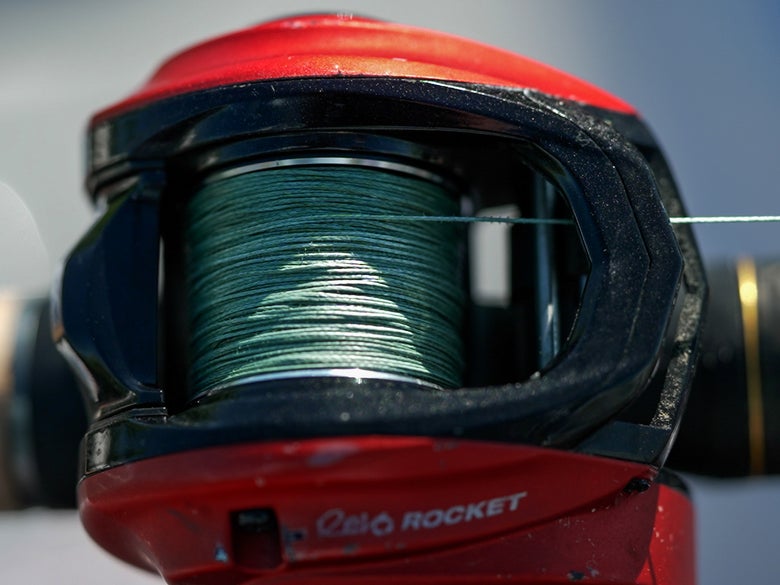
Suggested Line for Flipping and Pitching:
| Type | Test |
| Braid | 50-80lb |
| Fluorocarbon | 17-25lb |
What's the best line for flipping and pitching?
Fluorocarbon, straight braid, or braid with a fluorocarbon leader are all viable line options when flipping and pitching, but the best choice varies on any given day based on the cover, water clarity, and mood of the fish.
What's the best line to access fish that are deep within cover?
The added strength of 50- to 80-lb braid may be required to extract fish from cover without damaging your line, and its no-stretch attributes greatly increase sensitivty to help you quickly detect a bite.
When should I use fluorocarbon over braided line?
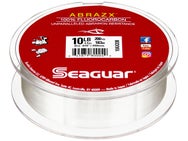
When flipping clear water or sparse cover, the translucency and low-stretch of a 17- to 25-lb fluorocarbon adds stealth around spooky or pressured fish.
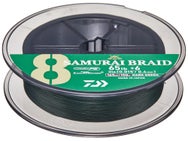
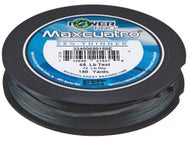
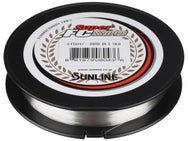
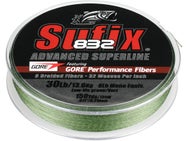
Featured Flipping and Pitching Line:
Modifications & Rigging
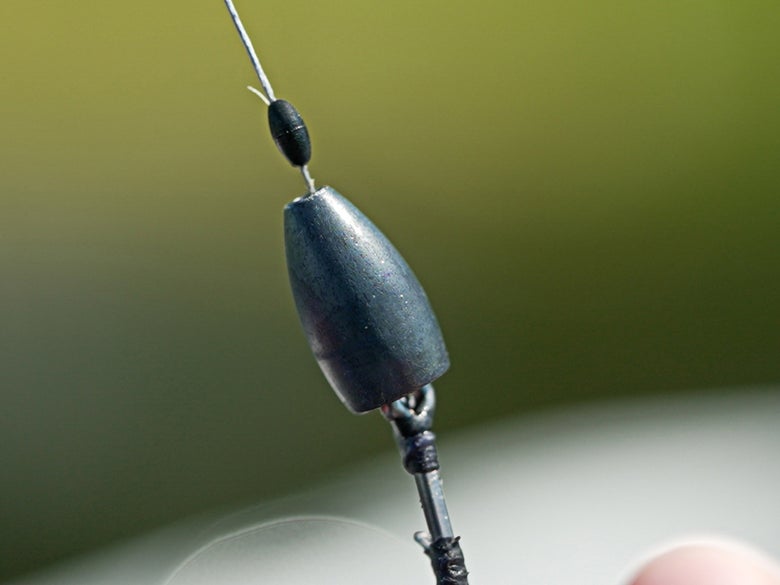
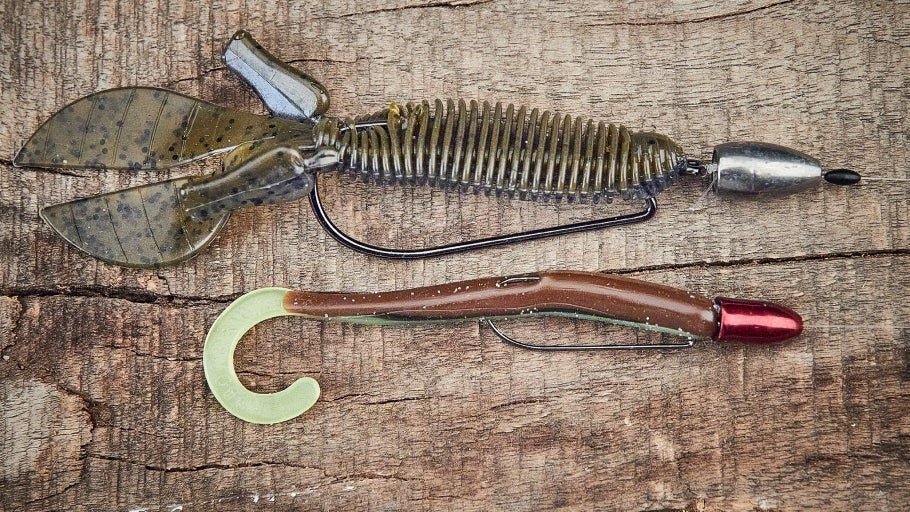
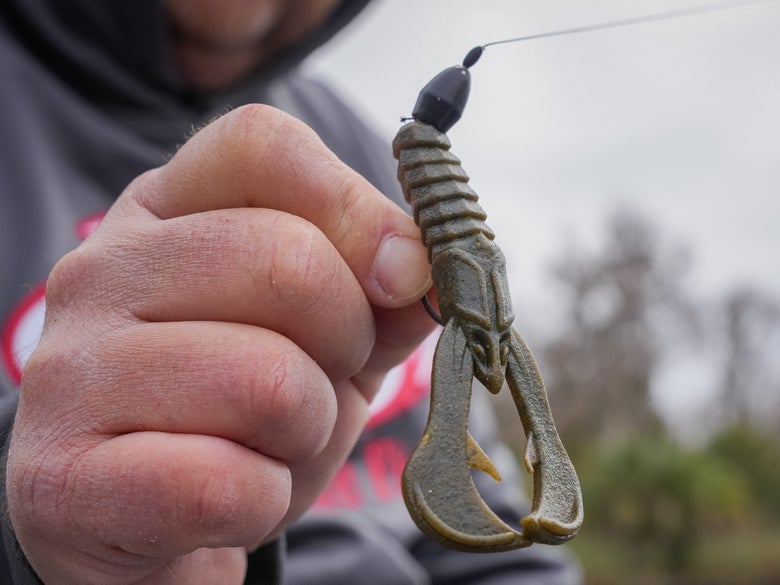
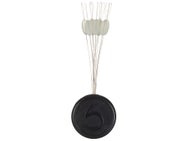
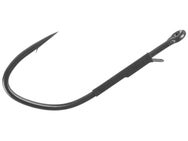
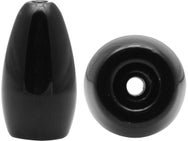
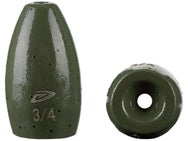
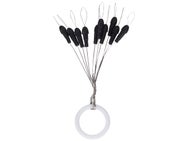
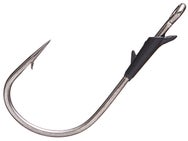
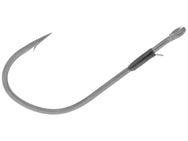
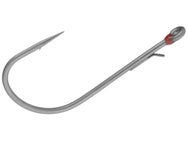
A peg is necessary when flipping a Texas rig to keep the weight and soft-plastic bait together as a single unit so it can penetrate heavy cover like scattered grass, vegetation, brush piles, tulles, or flooded timber. By using a bobber or peg stopper to lock the weight against the hook, anglers ensure their bait slips through thick cover without separating from the weight and leaving the bait behind. Heavy wire flipping hooks provide the structural strength to handle heavy fluorocarbon or braided line without bending, the power to remove fish from dense cover, and a razor-sharp point that ensures solid penetration into the fish’s mouth.
Reccomended Knots for Flipping and Pitching
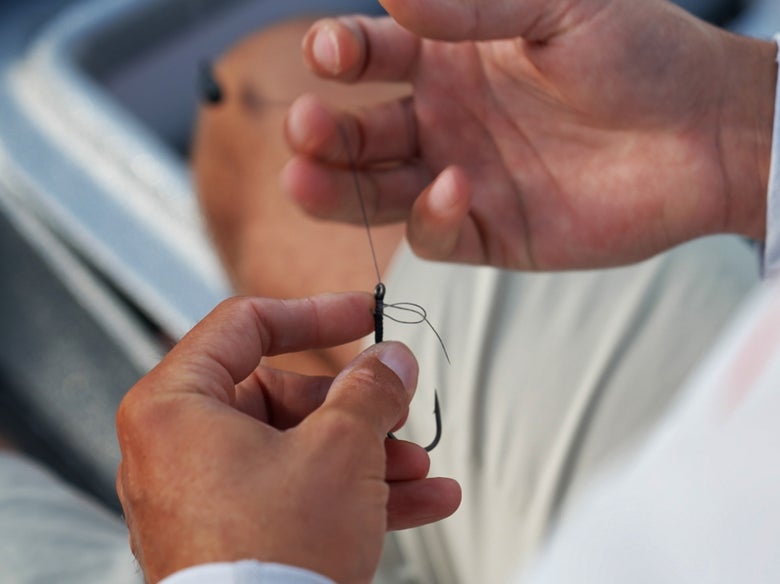
Palomar Knot
Ideal for flipping and pitching due to its superior knot strength and reliability, the Palomar Knot is designed for high-stress, thick cover, and heavy-tackle scenarios. Palomar Knots are often preferred with braided line as they prevent line slippage, are relatively fast and easy to tie, and create a tag line that’s necessary for setting up a punch shot.
Snell Knot
Favored for flipping and pitching when using an extra-wide gap hook and soft plastic bait, Snell Knots increase hook-up ratios by using the pressure of the weight to force the hook point upward and ensure it drives into the roof of a fish’s mouth. This strong and reliable knot wraps line around the shank of the hook and up through the eyelet to keep the hook aligned with the line for superior leverage while protecting the knot from damage.
San Diego Jam Knot
Originally favored by long-range tuna anglers for connecting line to hooks, the San Diego Jam Knot is a highly reliable fishing knot that self-tightens and cinches down securely on itself, making it an excellent choice for connecting heavy fluorocarbon to flipping jigs and hooks.
Color Selection

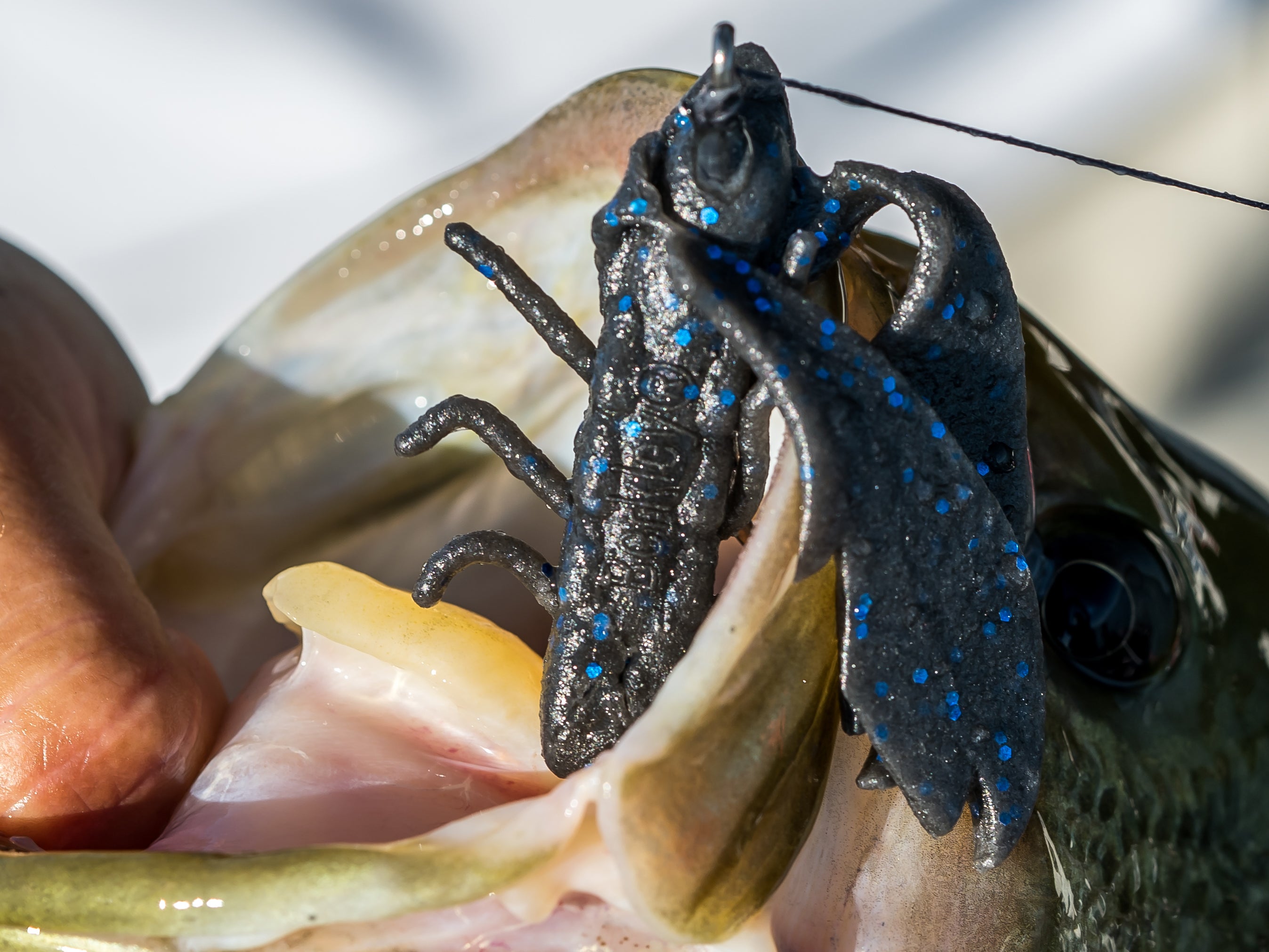
What are the best colors for flipping and pitching?
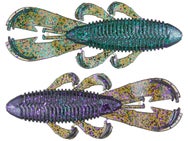
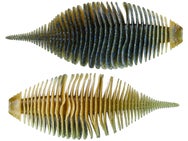
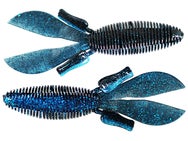
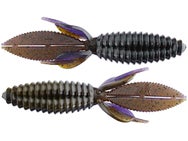
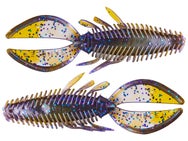
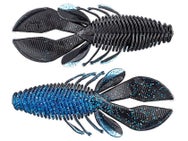
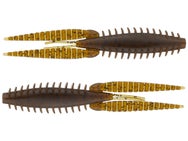
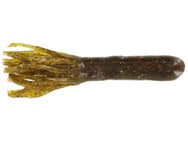
The best flipping colors often maximize visibility and contrast in heavy cover to help the fish quickly identify your bait as prey. Black and blue flake is a notorious big-fish color and excellent for dirty water or low light, while green pumpkin remains a great all-around choice for clearer water, selective fish, or situations when the fish want a more natural presentation.
What are the best flipping and pitching colors for sight fishing?
During the spring months, try using bright colors like white or chartreuse when the bass are up shallow and spawning to help increase visibility in the water while sight fishing.
How can you modify bait color to match the hatch when selecting a color for flipping and pitching baits?
Always keep a scent marker or dye on deck so you can color the tips of soft bait appendages on the fly to elevate attraction, increase visiblity, and mimic forage like bluegill, crawfish, and more!
Featured Flipping and Pitching Colors:
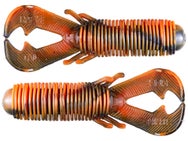
Things to Keep in Mind on the Water
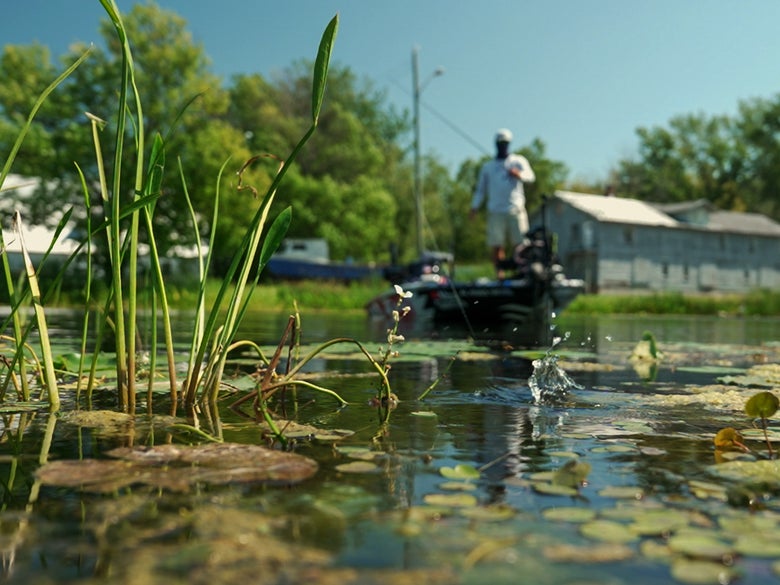
Targeting bass in heavy cover with flipping and pitching gear provides opportunities to target big fish, especially when they move into shallow cover during the spawn or are taking shelter from predators, the bright sun, and heat.
- Reduce Boat Noise - When targeting fish in shallow water, it’s important to reduce boat noise by turning off transducers, minimizing trolling motor use, avoiding slamming compartments, and making quiet entries into the water.
- Weight Size - Always consider the size of the weight you’re using for your presentation, as finding the right rate of fall to match the mood of the fish is often the key to unlocking the bite.
- Quiet Entries Into the Water - Let the bait swing low to the water’s surface and feather the reel spool with your thumb to slow it down as the lure lands to prevent a loud splash.