Learn How-To Rig a Neko Rig With Four Easy Steps!
A deadly rig that excels in pressured and gin-clear fisheries alike, the Neko Rig is a critical addition to every angler’s bag of tricks to ensure their livewells and limits stay filled. Simple, versatile, and effective, the Neko Rig checks all of the boxes for professional anglers, weekend warriors, and everyone in between. Building out the rig only requires a few components, can be used with most any soft plastic worms, and still turns lookers into biters in even the most challenging fishing conditions.
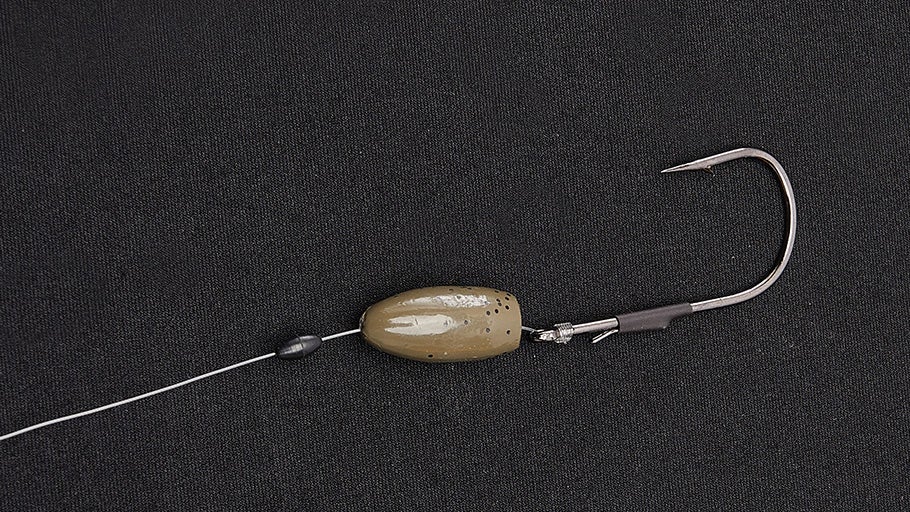
Neko rig supplies
To get started constructing your own Neko Rig you will need just a handful of supplies. Listed below are what you will need to get started creating your neko rig!
O-Ring Tool
O-Rings
Nail Weights
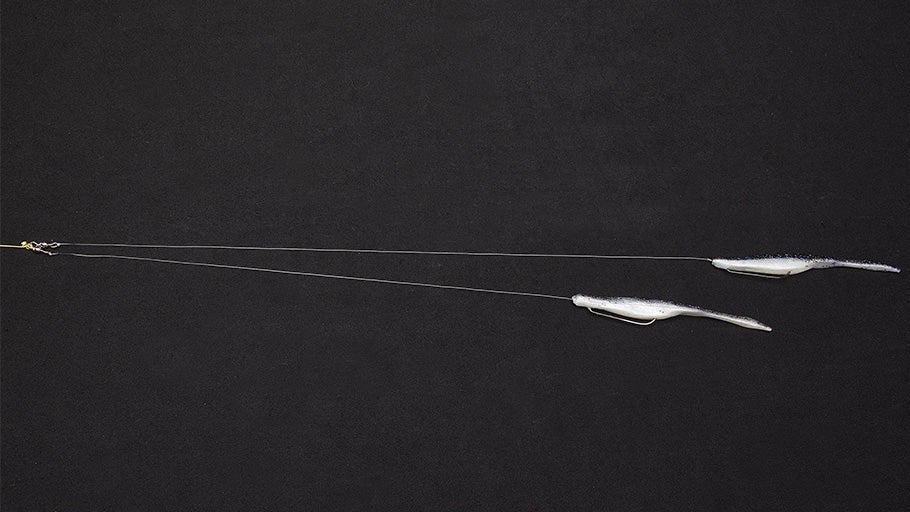
Soft Plastic Worm
Wacky Hook
Neko rig - step one
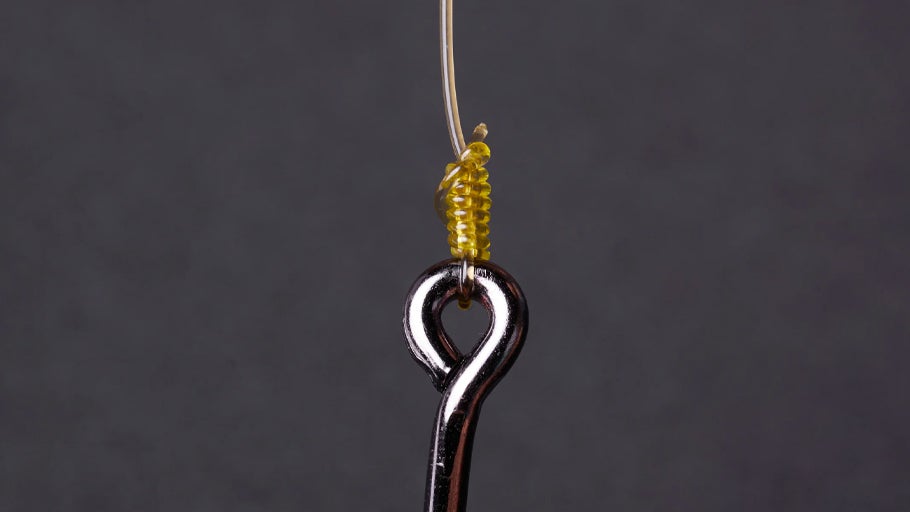
To start your rig, you will first need to attach your Neko hook. If you will be fishing in a vegetation-laden body of water, it may be beneficial to utilize a weedless Neko hook with fiber or wire weedguards. Your go-to connection knot, be it a Palomar, Improved Clinch, San Diego Jam Knot, or others, is sufficient for this finesse technique.


Neko rig - step two
From here we will begin outfitting your preferred soft plastic worm with the necessary hardware. We will start by affixing a wacky ring or silicone tubing to the body of the worm approximately one-third of the way up from the head, leaving a longer tail end to enhance the rig's action. Be sure to use the appropriate O-ring tool or worm tube pliers to reduce the chance of damaging your worm.


Neko rig - step three
The next step involves adding a small nail weight to the nose of your soft plastic. Insert your weight into the head of the bait until it is just about flush with the end of the worm. Leaving a small portion of the weight exposed will assist you in feeling the bottom as you work your Neko Rig. Alternatively, you can opt for a half-moon style weight which maximizes weight contact with the bottom or structure you are fishing while also increasing the overall amount of weight on the end of your soft plastic.


Neko rig - step four
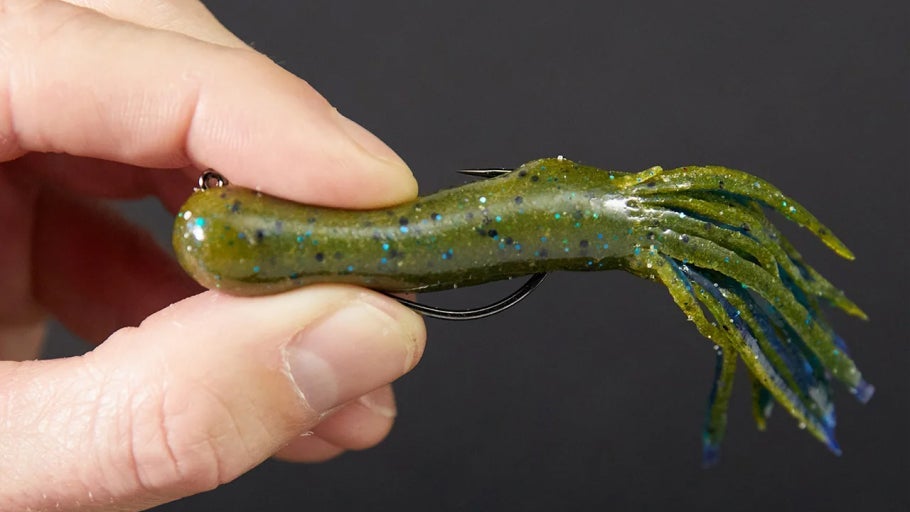
Lastly, it is time to attach your chosen Neko hook to the modified worm. Slide the hook under the affixed ring or tube ensuring the point is oriented up, away from the head of the worm. Since the Neko Rig is most effectively fished on the floor of your fishery the bass will likely eat your rig from above, thus having the point angled up will increase your hookup ratio.

Whether you’re faced with ultra-clear water, a highly pressured fishery, or perhaps you’re fishing behind other anglers on tournament day, the Neko Rig is a wildly productive and efficient tool for filling out a limit. Given its simplicity and effectiveness, there is no reason not to learn this technique and add it to your repertoire.
Frequently asked neko rig questions
What are the best baits for a Neko rig?
While a wide-variety of baits can be neko-rigged, the most commonly used baits are soft stickbaits and straight tail worms.
What size weight should you use for a Neko rig?
Most Neko rig weights are offered in sizes ranging from 1/32oz to 3/16oz. For most applications, 1/16oz is the sweet spot, sizing up for deeper water or a faster fall rate, and sizing down for shallower water or a slower descent.
Do you need an O-ring for a Neko rig?
While an O-ring is not necessary for a Neko rig, it does help extend the life of your soft plastics. O-rings provide more purchase for your hook, prevent baits flying off on casts and will ultimately help you catch more fish while going through less worms.
What type of hook is best for a Neko rig?
Due to their shape and excellent hook up ratio, wacky rig hooks are the ideal option for Neko rigging.
What is the difference between a Neko rig and a wacky rig?
The main differences between a Neko rig and a wacky rig are the weighting and how the bait falls and is fished. While both techniques can utilize an O-ring with similar hook positioning, a Neko rig features a nail weight in the nose of the bait, which changes the way the bait falls in the water and allows it to be fished along the bottom.