How-To Rig A Carolina Rig For Bass Fishing
A technique nearly as old as the sport itself, the Carolina Rig is a basic, yet incredibly versatile rig that presents a variety of your favorite soft plastics near the bottom efficiently. A proven fish catcher, the C-Rig can be customized to suit nearly any situation or condition. It can be fished with light tackle or power gear, big plastics or diminutive, casting outfits or spinning set ups, and just about anything in between. Additionally, it is just as effective from the deck of a boat as it is from the bank of a pond, which makes it a useful tool for every angler. Finally, with its ability to easily accommodate virtually any soft plastic in your arsenal, the Carolina Rig is the perfect for seeking out bass feeding near the bottom of almost any fishery.
What you will need to get started
Below is a list of all of the components and accessoriesthat you will need to start tying up your Carolina rig:
Fluorocarbon
Carolina Rig Weights
Beads
Tickers
Swivel
Hooks
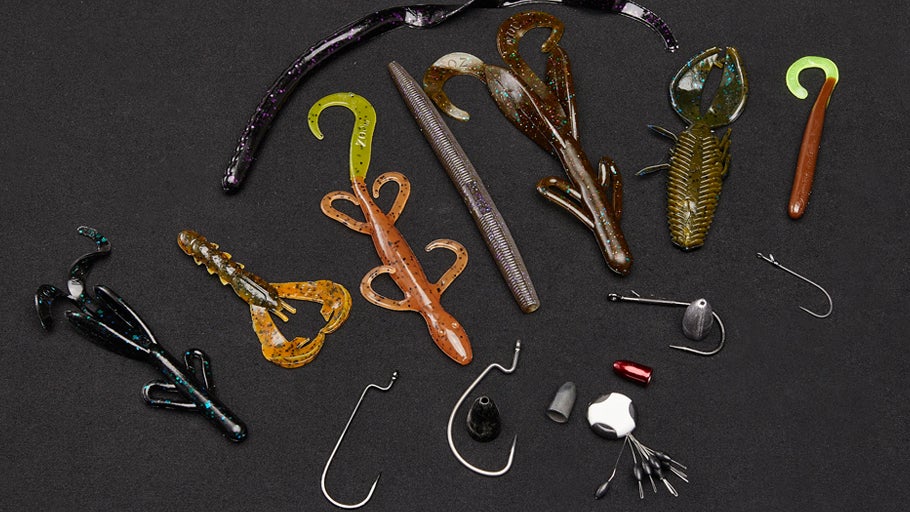
Baits (Hawg Style Creature Baits, Craws, Lizard, Worms)
Scissors
Steps for rigging a Carolina rig
Carolina Rig Step 1: Leader Line
You will start constructing your Carolina Rig by cutting a length of leader material. This is most often Fluorocarbon Line so anglers can take advantage of its sensitivity, low stretch, and sinking properties. The length of your leader generally varies from 1- to 4-feet, and is determined by water temperature, clarity, and pressure.

Carolina Rig Step 2: Bead & Weight
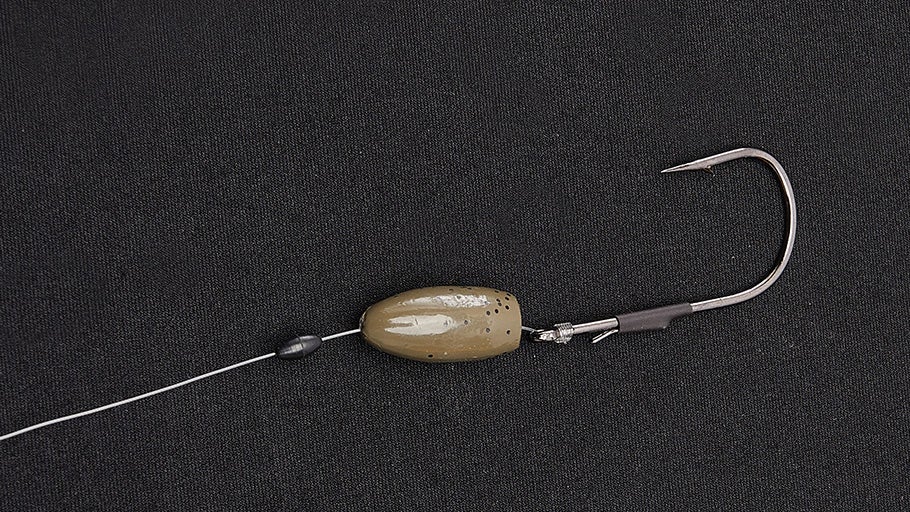
Next, we will be adding your chosen Carolina weight followed by your bead to the mainline. It is essential that the weight is added before the bead which is included to protect your knot, and in some cases, add an acoustic layer to your presentation.

Carolina Rig Step 3: Attach Swivel
It is now time to join your main line to your leader with a smooth-rotating swivel using your preferred connection knot. This is also a good time to determine your final leader length and trim the material accordingly.


Carolina Rig Step 4: Attach Hook
In this step, we will be adorning the business end of the C-Rig with your favorite Worm Hook sized in accordance with the bait you are using. While standard or offset straight shank worm hooks are most popular, it may be necessary to utilize an EWG hook for bulkier plastics. Once again, your preferred connection knot, such as the Palomar or San Diego Jam will suffice.

Carolina Rig Step 5: Attach Bait
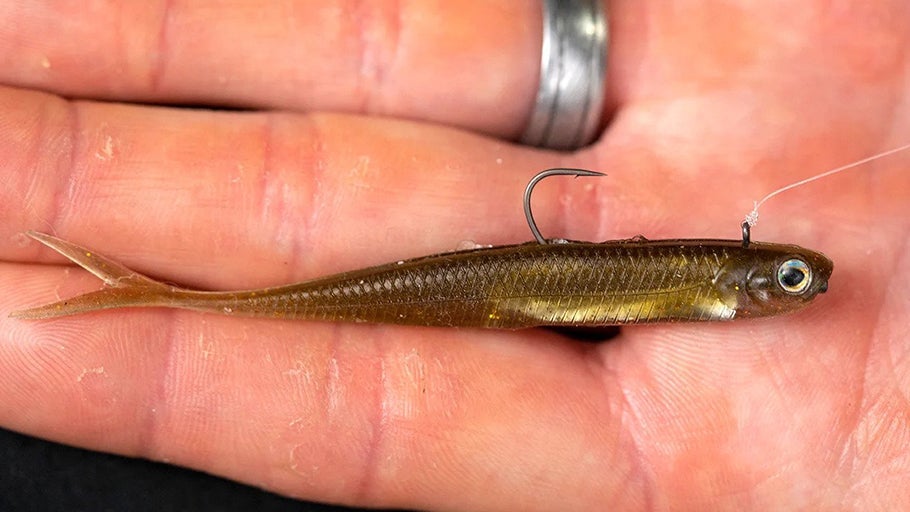
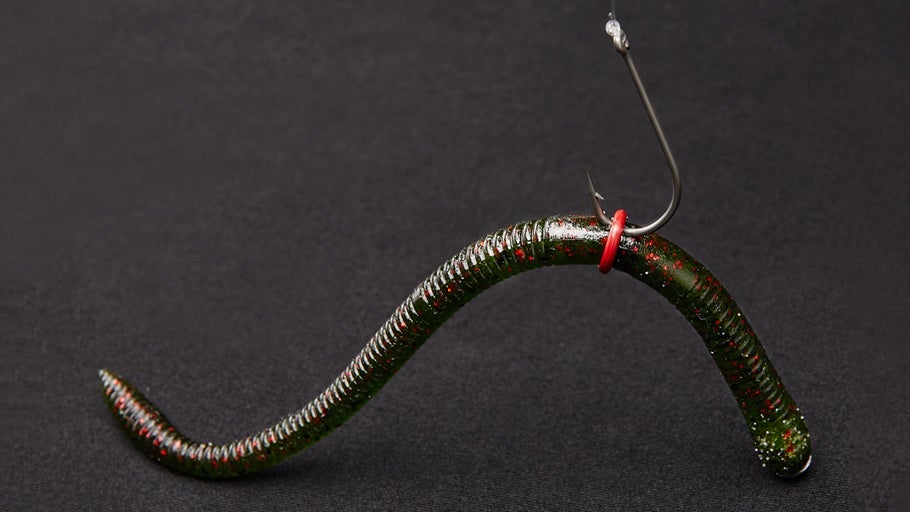
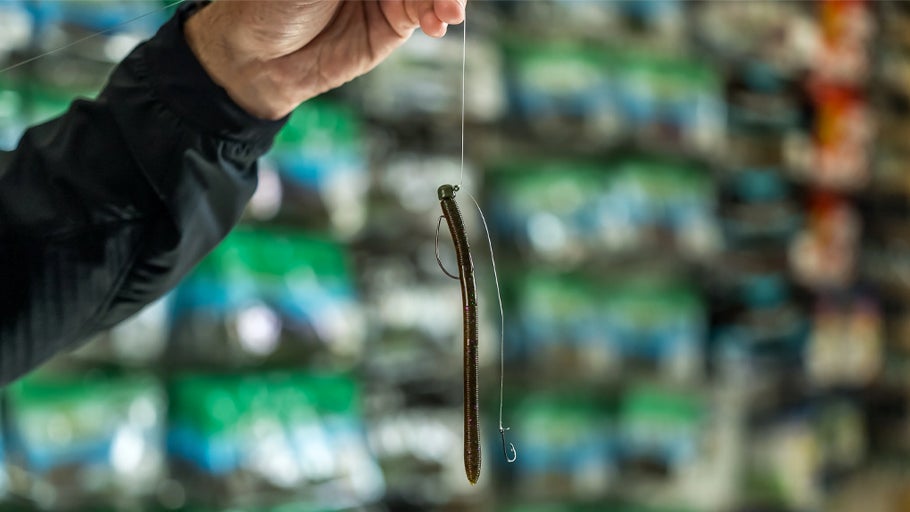
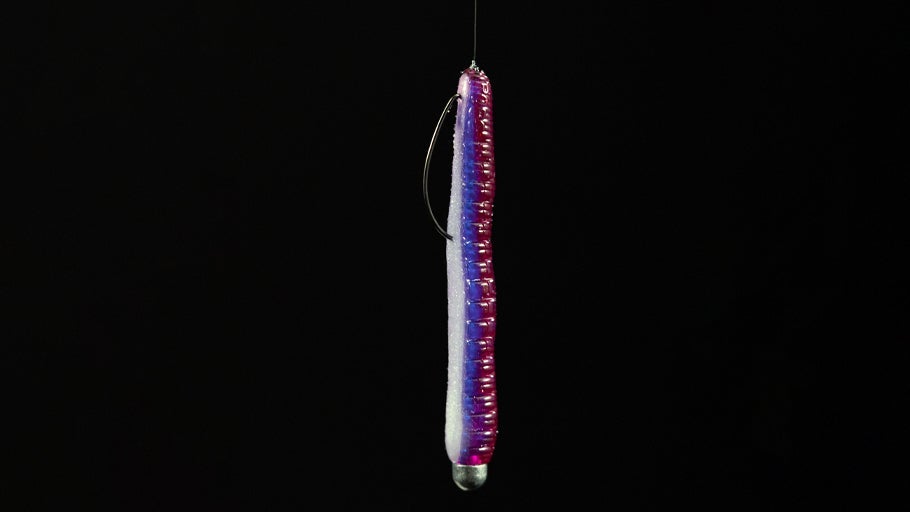
The final step is Tex-posing your soft plastic bait to your hook. Rig it so that the hook point is flush with the body of your bait and your Carolina rig is ready to fish efficiently around deep cover and aquatic vegetation.
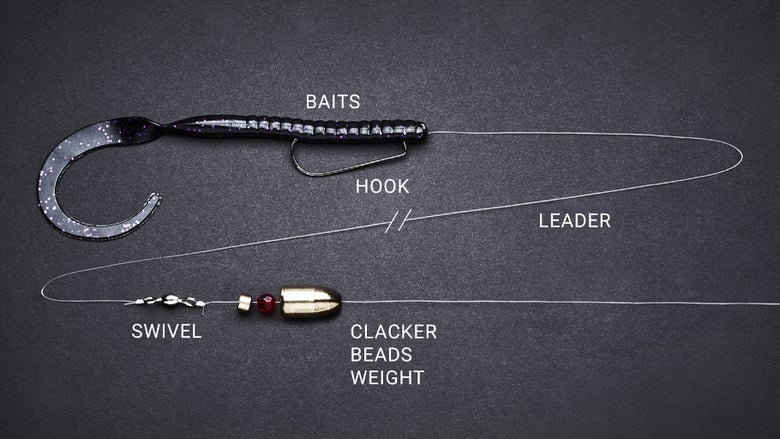
What are the parts of a Carolina rig?
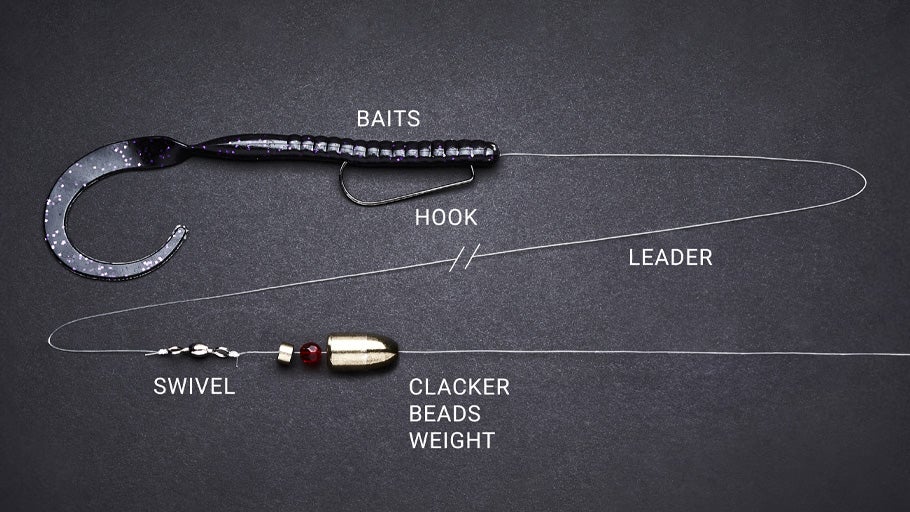
Carolina Rig Weight
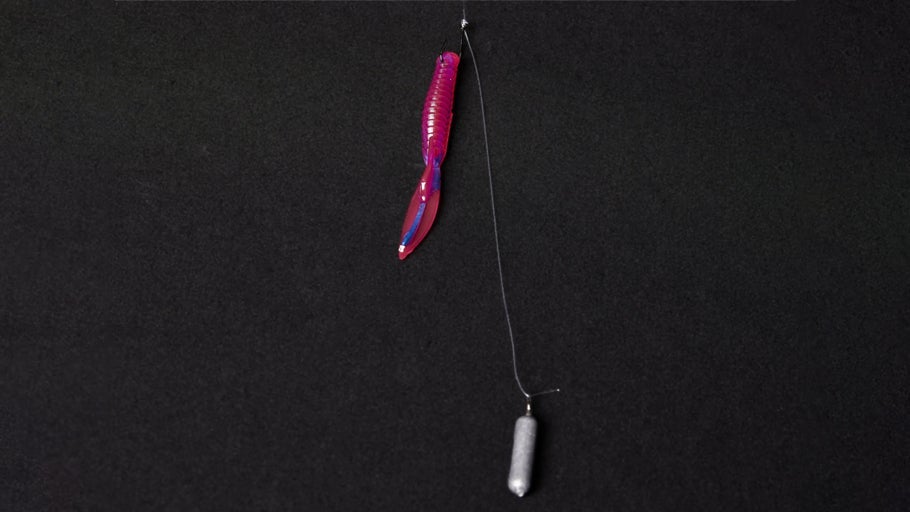
Bullet or egg-shaped weights that freely slide along the line are common choices for Carolina Rigs. Lead weights are the most cost-effective, while brass and tungsten varieties provide a stronger clicking sound when paired with a bead. As an added bonus, tungsten sinkers are also smaller in size due to their density.
Carolina Rig Bead & Clacker
A bead is typically slid onto the line behind the weight to help produce a clicking sound during the retrieve and to protect the knot on the swivel. Beads are commonly made of glass, but metal and other materials are also available. To further enhance noise, a small metal "ticker" or "clacker" can also be added behind the bead.
Carolina Rig Swivel
A barrel swivel is tied onto the main line behind the weight, bead, and clacker. The swivel provides a stopping point for the trio and prevents line twist, which is very common with Carolina Rigs.
Carolina Rig Leader
The leader is the section of line between the barrel swivel and hook. Some anglers like to use lighter line for the leader compared to the main line. If a snag occurs, the weaker leader has a better chance at breaking first, allowing you to get your weight, bead, clacker, and swivel back.
Carolina Rig Hook
A hook is tied onto the end of your leader. Common hook styles include round-bend offset worm hooks and EWG hooks to allow easy weedless Texas-rigging of your favorite soft-plastic baits.
Carolina Rig Baits
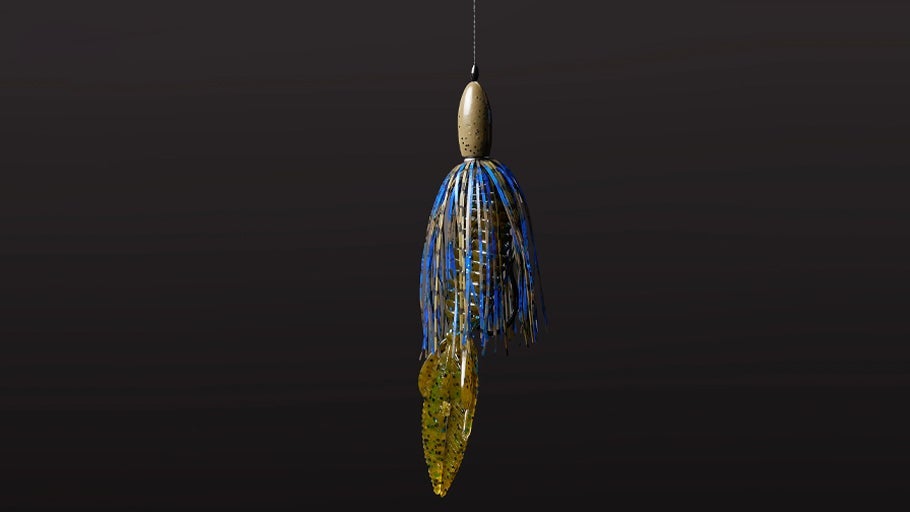
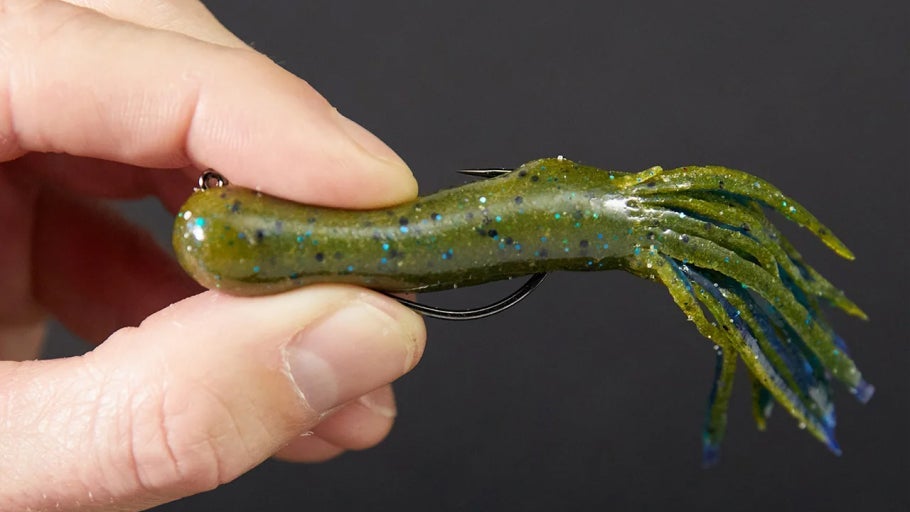
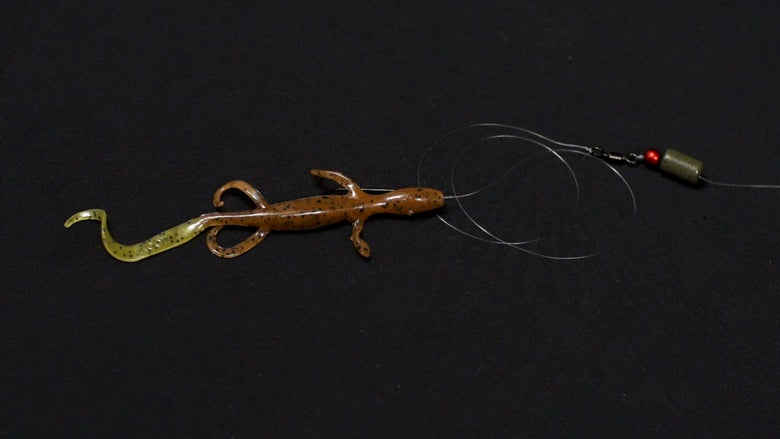
A wide variety of soft-plastic baits can be successfully fished on a Carolina Rig, including worms, lizards, crawfish, creature baits, and more.
Frequently asked Carolina rig questions
What size weight should you use for a Carolina rig?
The correct size Carolina rig weight for your conditions should allow you to maintain bottom contact without getting hung up too often. While there is no one-size-fits-all Carolina rig weight, a 1/2-ounce weight is a good starting point when fishing 15 feet or less. If you are fishing deeper than 15 feet or dealing with a lot of wind, opting for a 3/4- to 1-ounce weight will help your bait maintain contact with the bottom.
What type of weight is best for Carolina rigging?
Carolina rig weights come in a wide variety of styles and shapes. Some of the most popular styles of Carolina rig weights are barrel weights, egg sinkers, and slider weights. No matter what style of Carolina rig weight you choose, find one that allows you to maintain bottom contact, without getting snagged in vegetation and rocks.
What is the best bait for a Carolina rig?
One of the biggest benefits to a Carolina rig is its versatility. While there is no “best” bait for a Carolina rigging, there are a ton of baits that work well for crawling across the bottom. Some of the most popular baits for Carolina rigging include finesse worms, curly tail worms, flukes, craws, hawg-style creature baits, and lizards.
How long should the leader be on a Carolina rig?
The traditional leader length for most Carolina rigging applications is 18 to 36 inches.