How to Rig a Double-Fluke Rig to Catch More and Bigger Bass
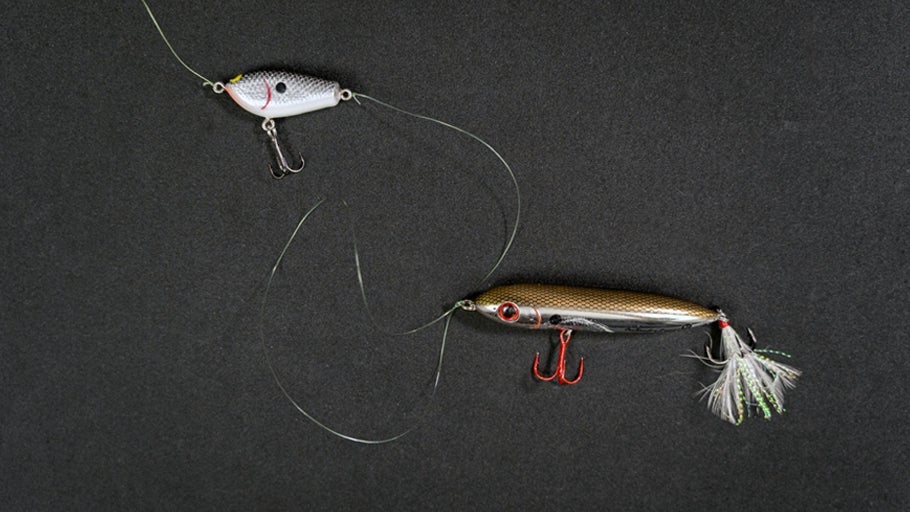
The double-Fluke rig, donkey rig, or double soft-plastic jerkbait rig is a highly effective technique that mimics two baitfish erratically darting side to side. With two baits in the water, it increases the size and drawing power of your presentation and can generate more bites than just one bait fished alone. Additionally, it also gives anglers the opportunity to catch multiple fish at once. Simple and easy to construct, many anglers probably already have everything they need in their tackle boxes to set up and fish a double-Fluke rig.
What's Needed:
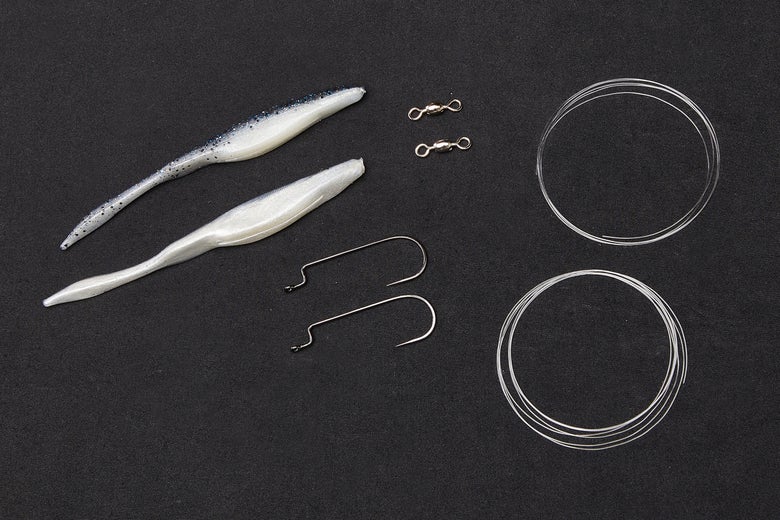
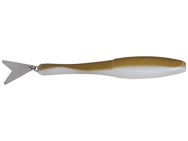
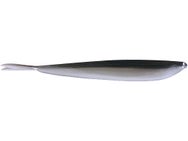
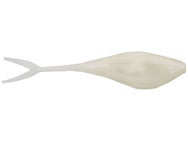
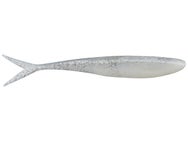
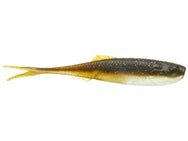
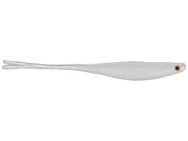
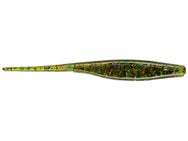
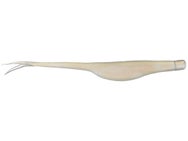
- Two soft-plastic jerkbaits
- Two offset worm hooks
- Two barrel swivels
- 10–15lb fluorocarbon leader material
- 7’0"–7’6” medium-heavy, fast-action spinning rod
- 2500–3000-size spinning reel with 10–20-lb braided main line
Step One: Tie Leaders Onto Two Swivels
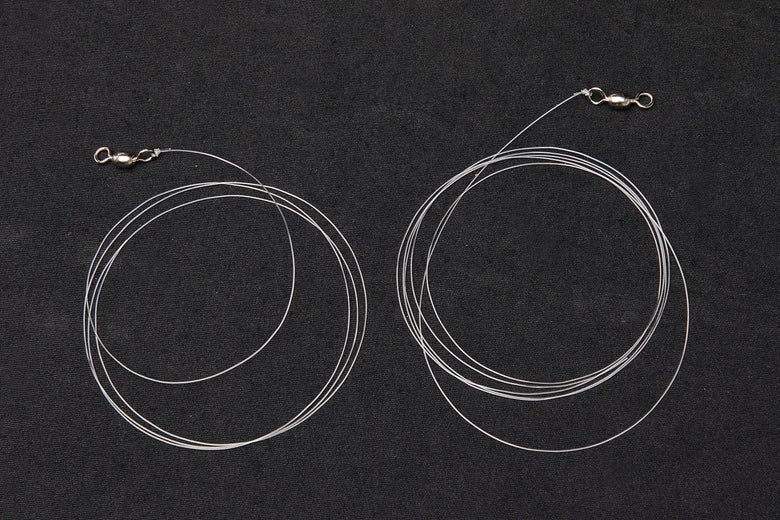
The first step in assembling the double-Fluke rig is tying a couple feet of leader material to two swivels. About 2–3 feet of line per swivel should be sufficient to complete the rigging process.
Step Two: Attach Swivels to Main Line
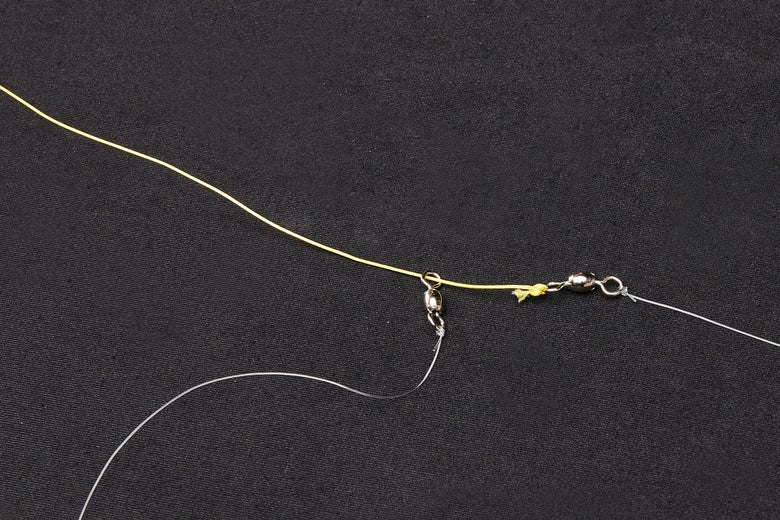
Start by running the main line through the eyelet of a swivel. Next, tie the second swivel to the end of the main line. This will result in one swivel being able to slide freely up and down the main line with the other swivel tied statically to the end of the main line. The reason for using two single swivels instead of a three-way swivel is for the potential of hooking multiple fish at once. If you hook two big fish at once when using a three-way swivel, they can pull away from each other and break the entire rig, resulting in zero fish caught. When you use two barrel swivels with one having the ability to slide up and down the main line, it allows two hooked fish to swim freely and not pull away from each other and use leverage to break the setup.
Step Three: Attach Hooks
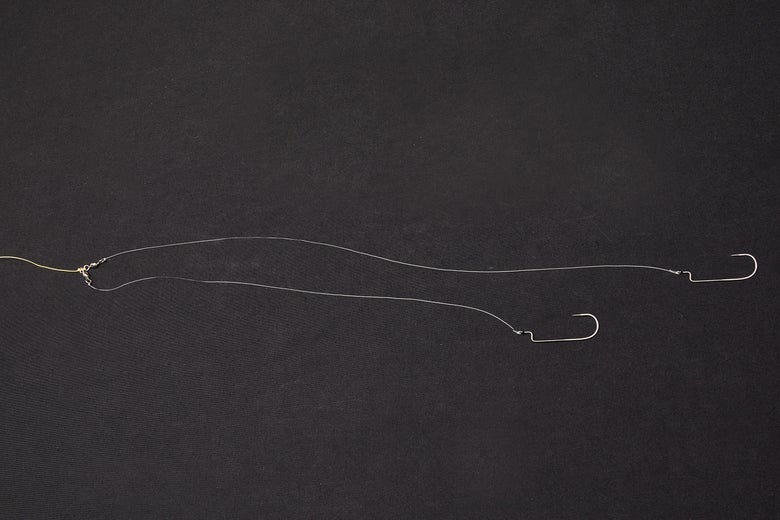
Attach your two hooks to the end of the leaders using your preferred connection knot. When complete, you want the leader on the top swivel to have about 8"–10” of line between the swivel and the hook. On the bottom swivel that is attached to the main line, you want to have about 12"–14” of line between the swivel and the hook. The allows the one bait to swim slightly in front of the other to create a more erratic action and prevent the baits from running into each other.
Step Four: Rig Soft Plastics
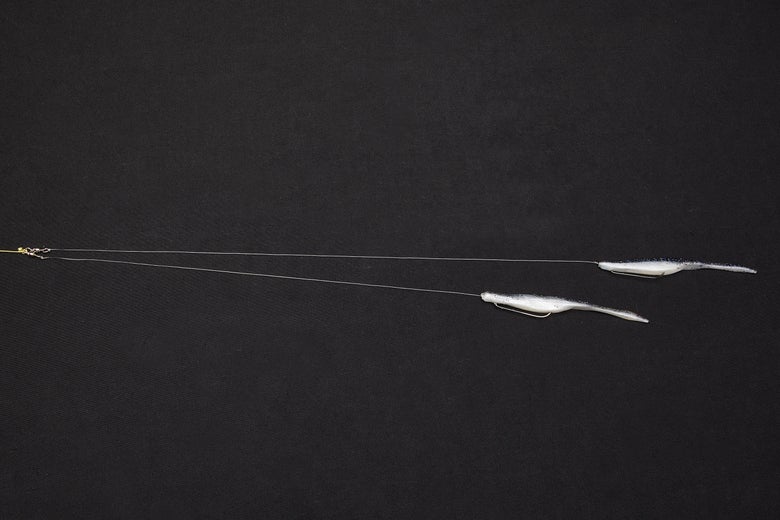
The last step is to Texas rig your soft-plastic jerkbaits...and you're ready to fish!
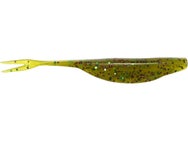
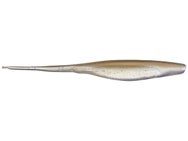
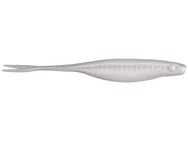
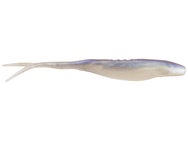
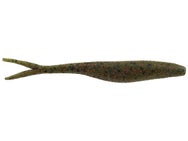
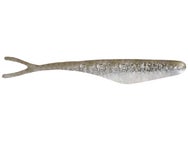
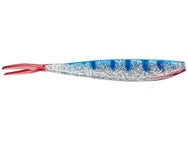
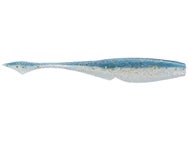
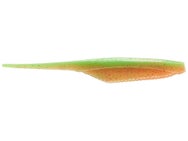
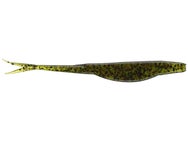
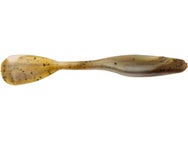
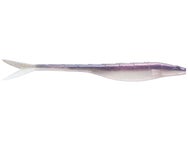
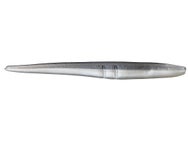
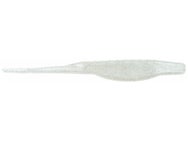
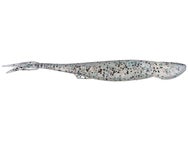
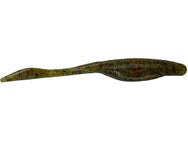
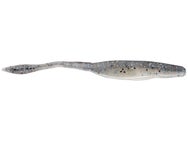
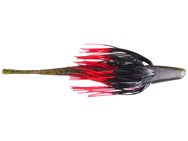
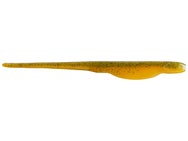
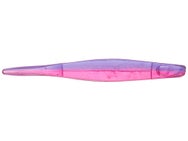
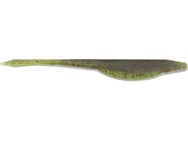
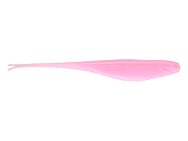
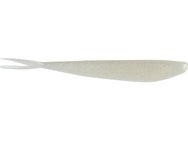
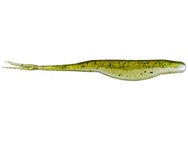
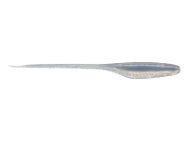
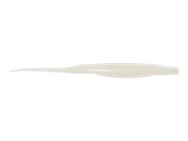
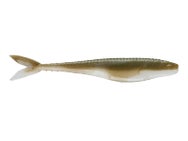
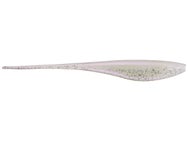
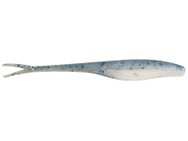
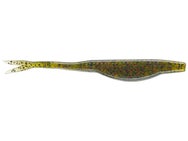
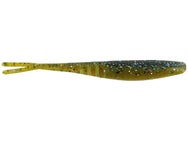
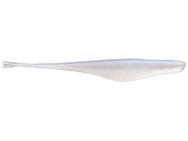
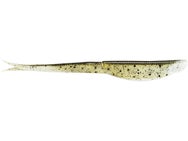
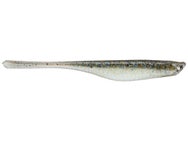
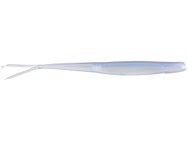
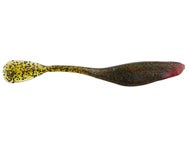
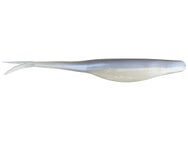
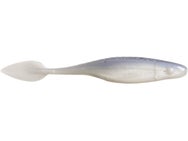
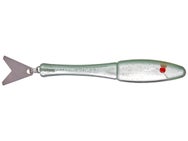
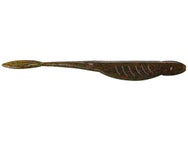
Soft Jerkbaits
Double-Fluke Rig Frequently Asked Questions
Why should you fish the double-Fluke rig on braided main line?
Braid is suggested for the double-Fluke rig because its lack of stretch makes it easier and more efficient to manipulate both baits simultaneously, especially when covering water or trying to reach schooling bass with ultra-long casts. Additionally, braid gives you superior hooksetting ability at any distance, while its strength-to-diameter ratio and extreme castability also make it a great choice for this rig.
Can I use a baitcasting setup with the double-Fluke rig?
Yes! While we like the castability of spinning tackle and find it a bit easier for working a double-Fluke rig, a 7'0"–7'6" medium-heavy, fast-action casting setup also works just fine.
What's the best time of year to fish a double-Fluke rig?
This rig can work to some degree throughout much of the year, but we really like throwing it in late summer through fall when bass start to actively school and chase baitfish on many bodies of water.