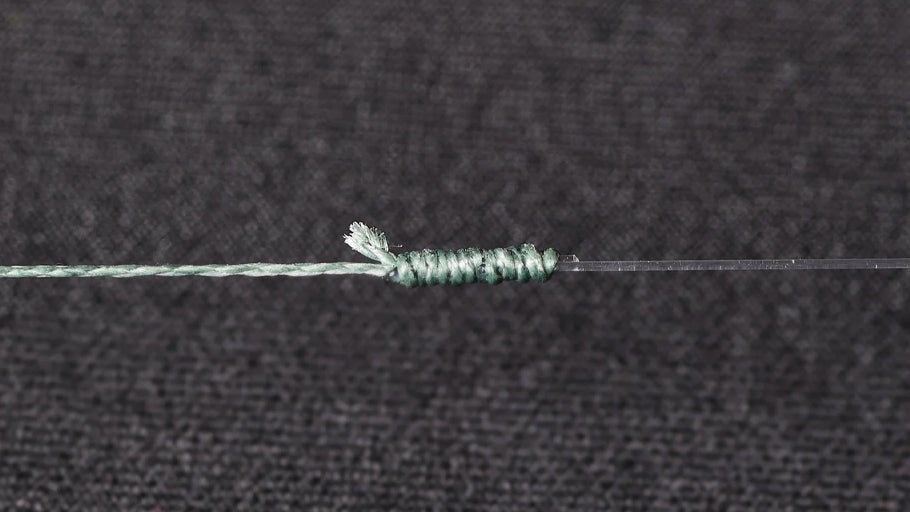
How to Tie an RP Knot to Connect Braided Line to a Leader
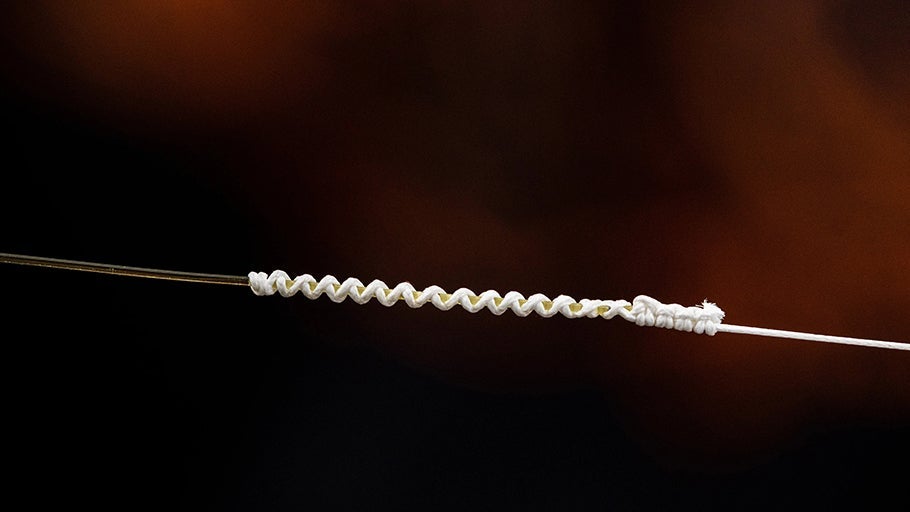
Great for a wide range of applications from finesse fishing all the way up to heavy-duty saltwater pursuits, the RP knot is a phenomenal braid-to-leader connection knot that anglers can utilize when they want the benefits of running a multi-line system. Relatively quick and easy to tie, the RP knot is thin, passes through guides well, and is reliably strong. This article will demonstrate a step-by-step process on how to properly tie the RP knot.
Step 1: Make A Loop
Make a loop with your fluorocarbon or monofilament leader material. The loop should be about six inches in length to give yourself enough room to wrap the braided line and complete the knot.
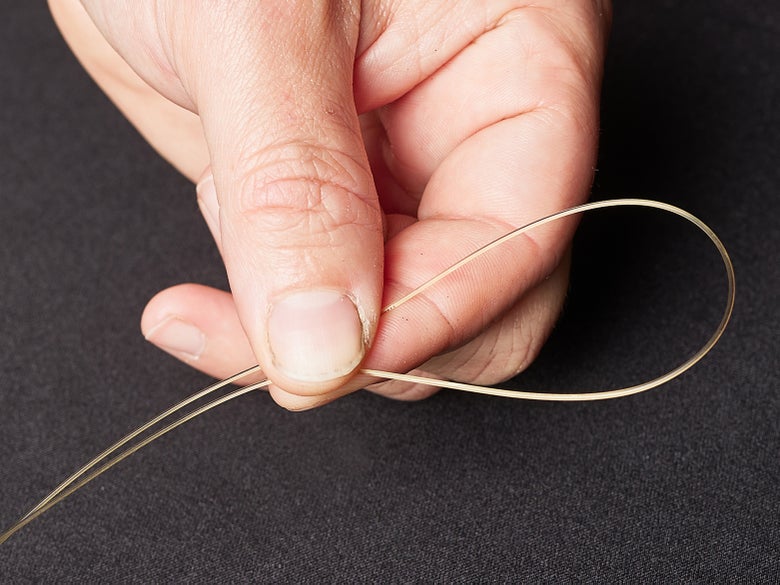
Step 2: Run Braid Through Leader Loop
Run the braided main line through the bottom of the loop of your leader material. Secure the loop with your finger so you know what direction the main line went through the loop, which is crucial for proper knot completion. Give yourself approximately 6–8” of tag line to work with.
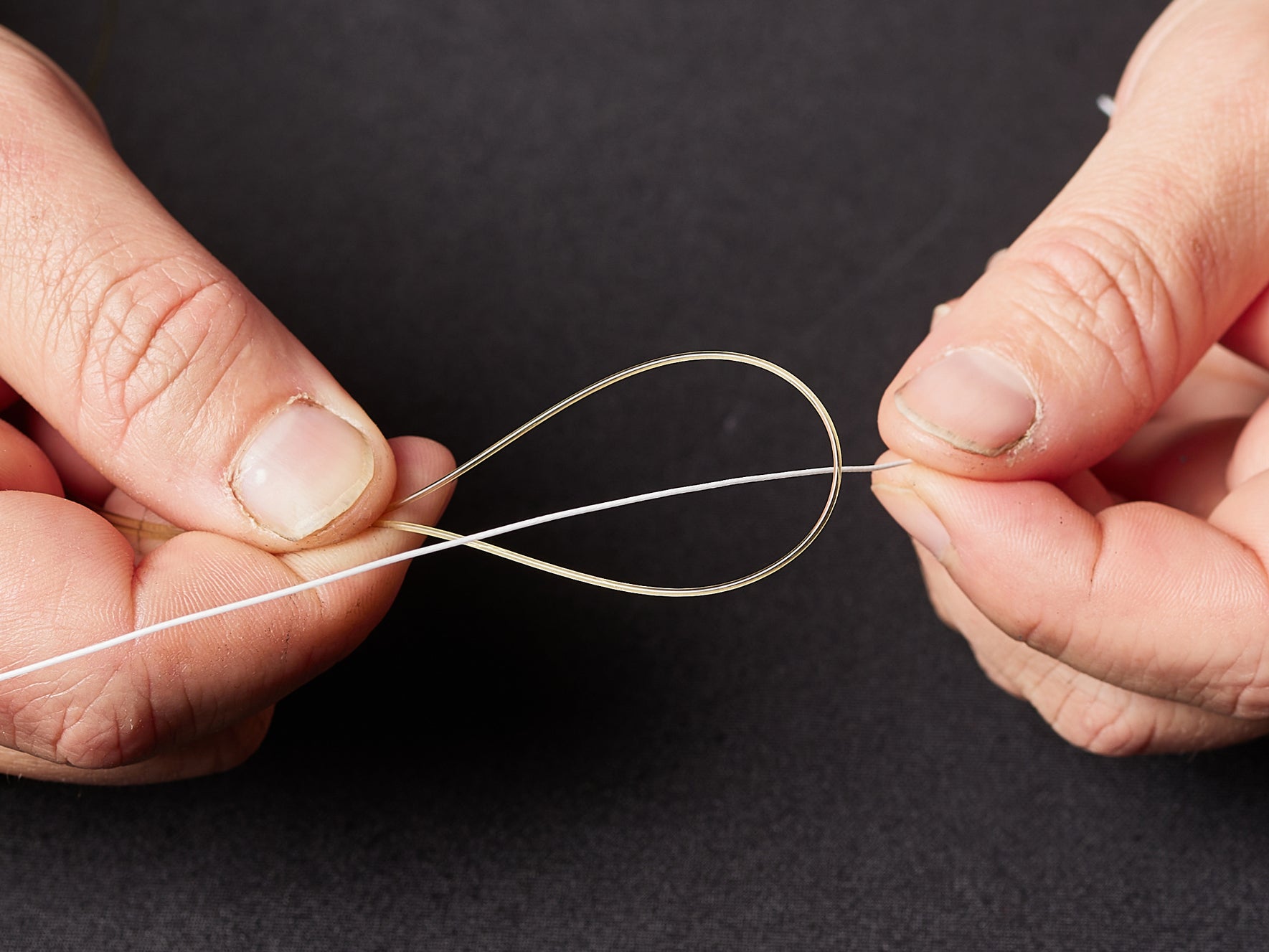
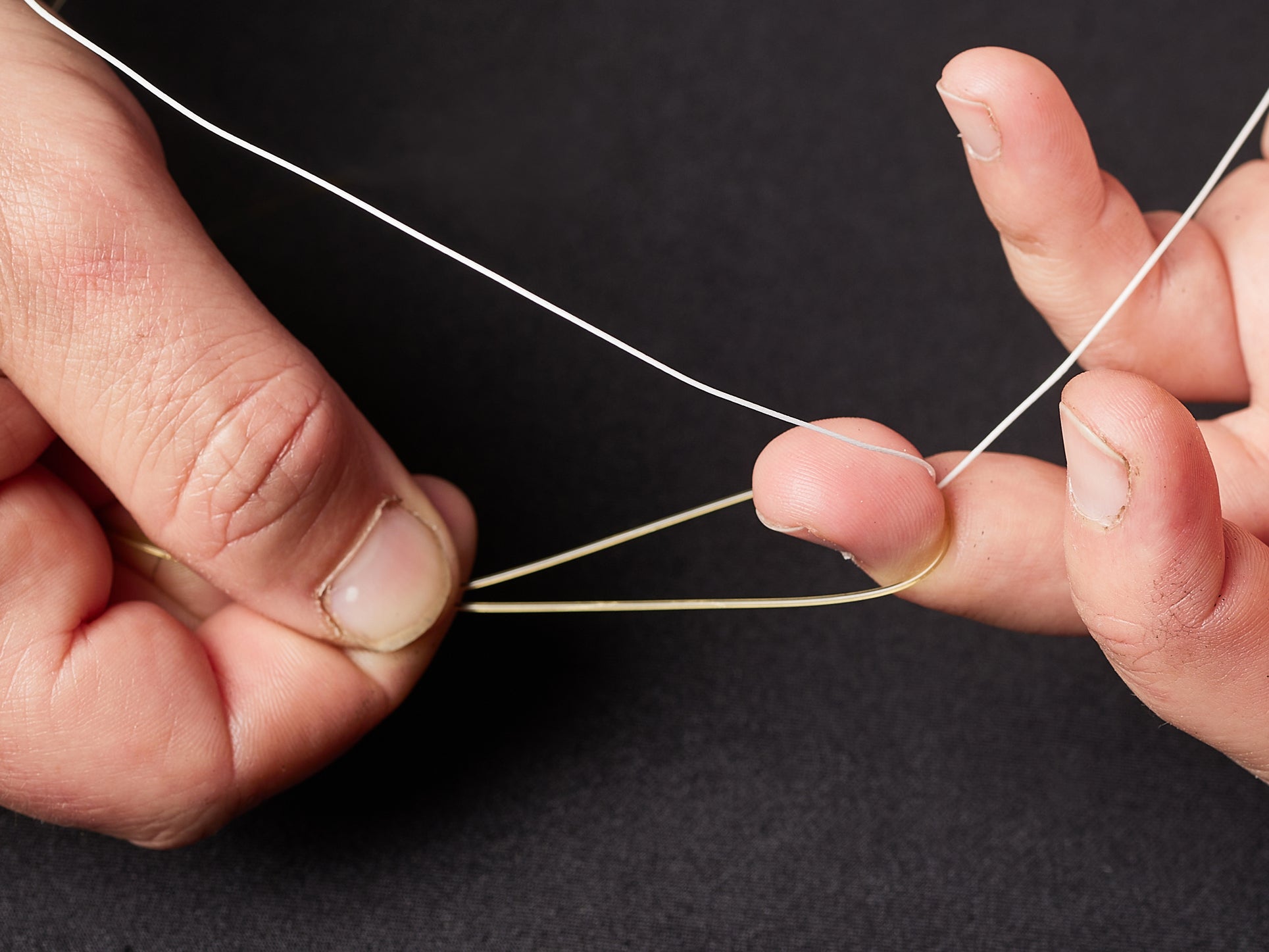
Step 3: Wrap Braid Around Leader Loop
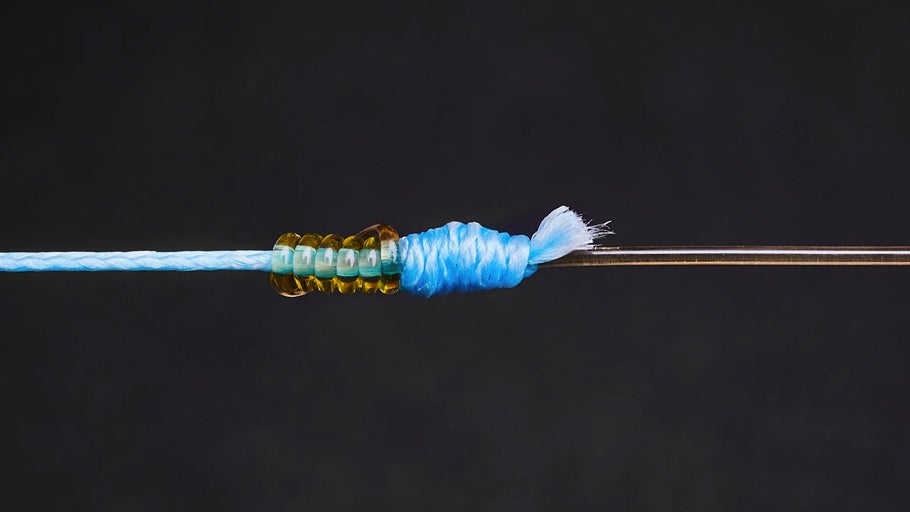
Wrap the braided line downwards around the double leader material 6–8 times.
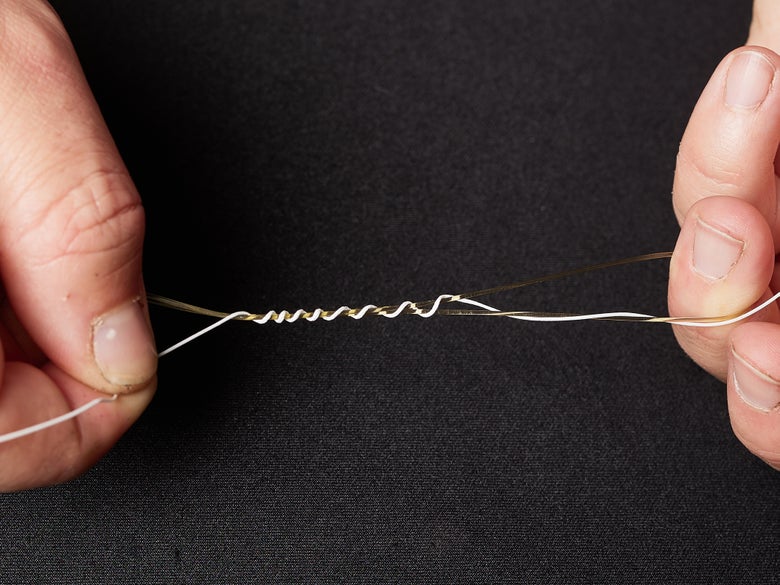
Step 4: Pinch Final Wrap and Wrap Back Towards Opening
After you complete the first series of wraps with your braided line, pinch the last wrap to hold the braid in place. Then, wrap the braid back towards the opening of the loop 6–8 times.
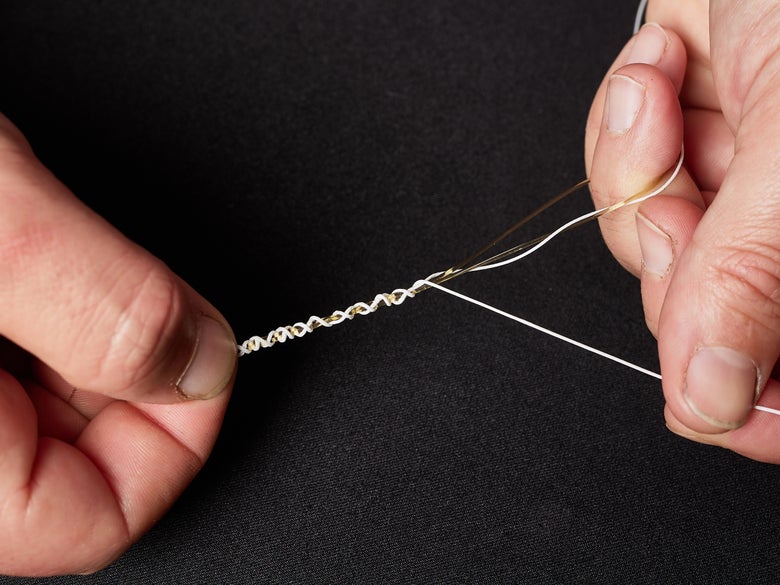
Step 5: Run Braid Back Through Original Leader Loop
Run the braided main line back through the loop of your leader material the same way it started in the beginning of the knot. This is the reason for holding the loop with your finger, so that you know which way the line needs to feed back through the loop.
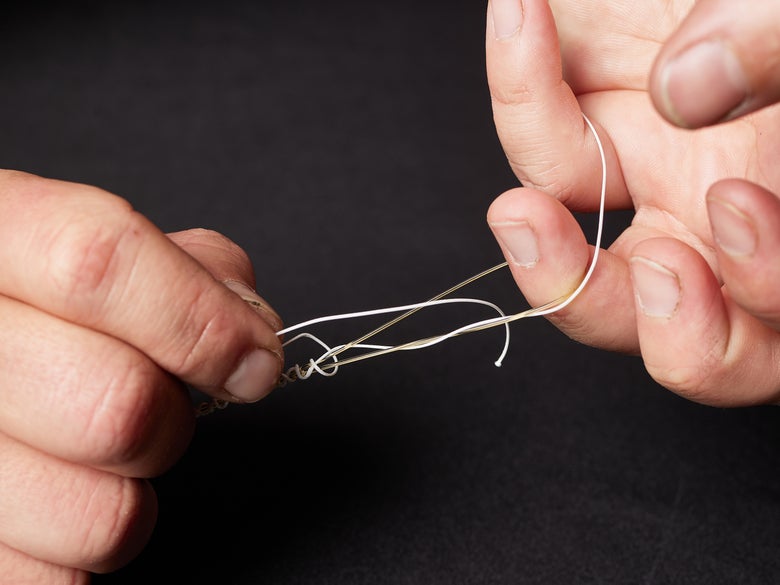
Step 6: Cinch the Knot
Cinch the RP knot by pulling all four tag ends at the same time. Moisten the knot to prevent the line from burning while cinching.
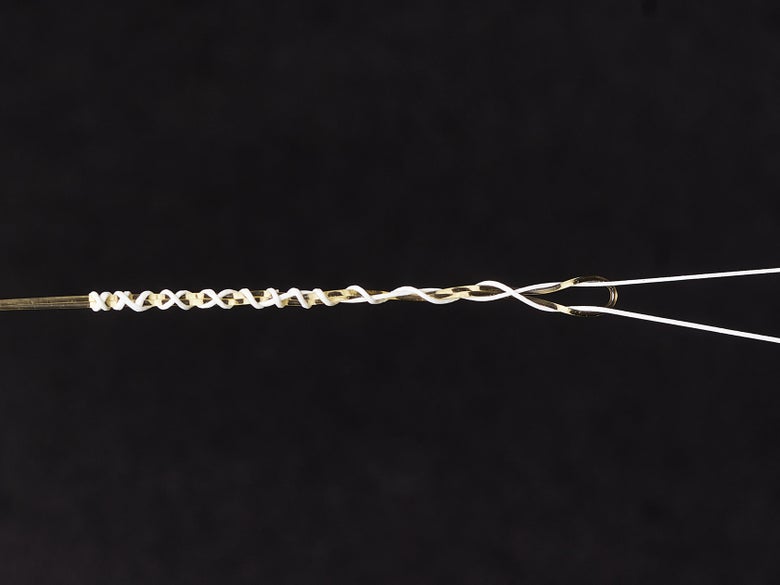
Step 7: Trim the Tag Ends
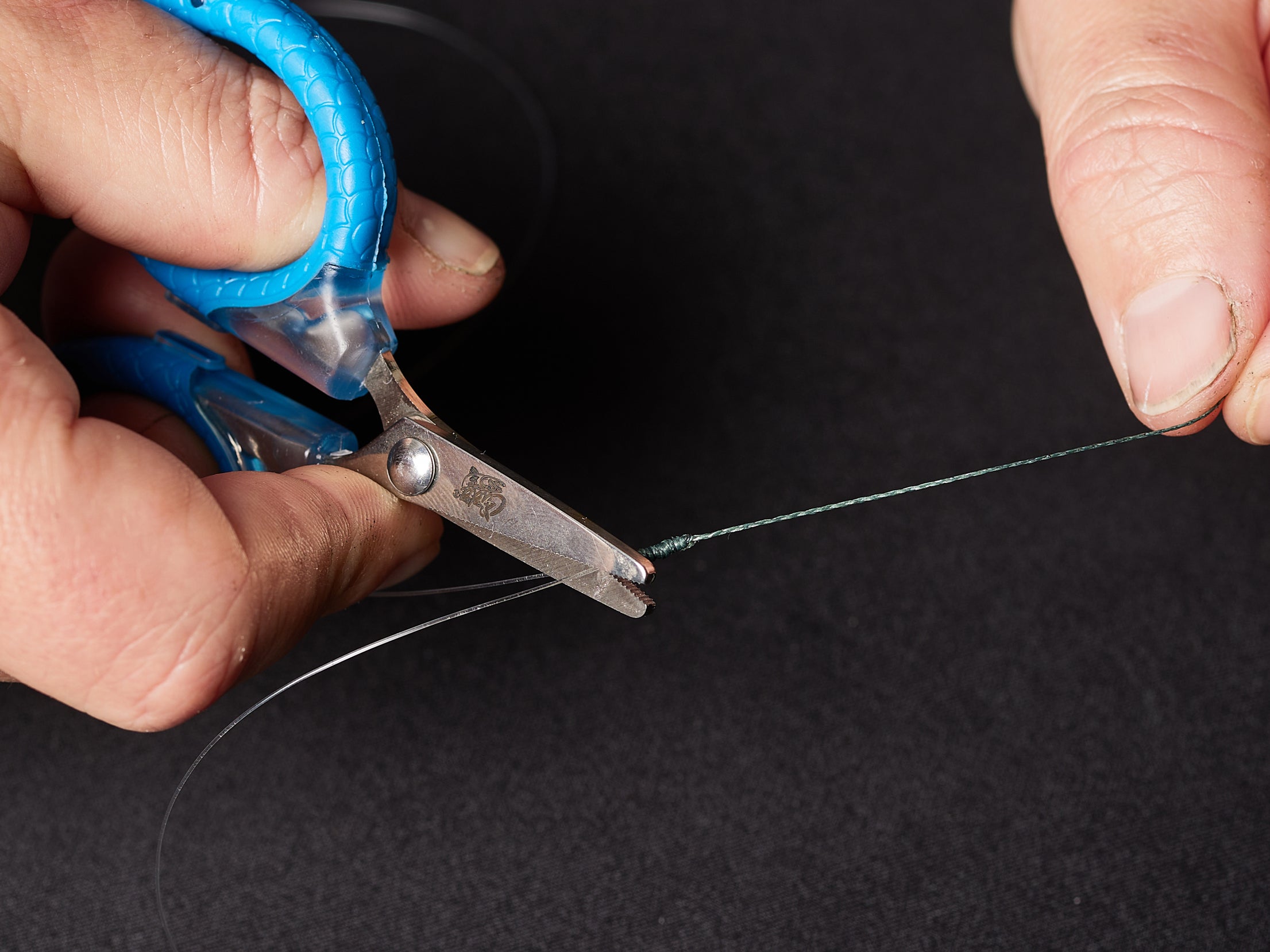
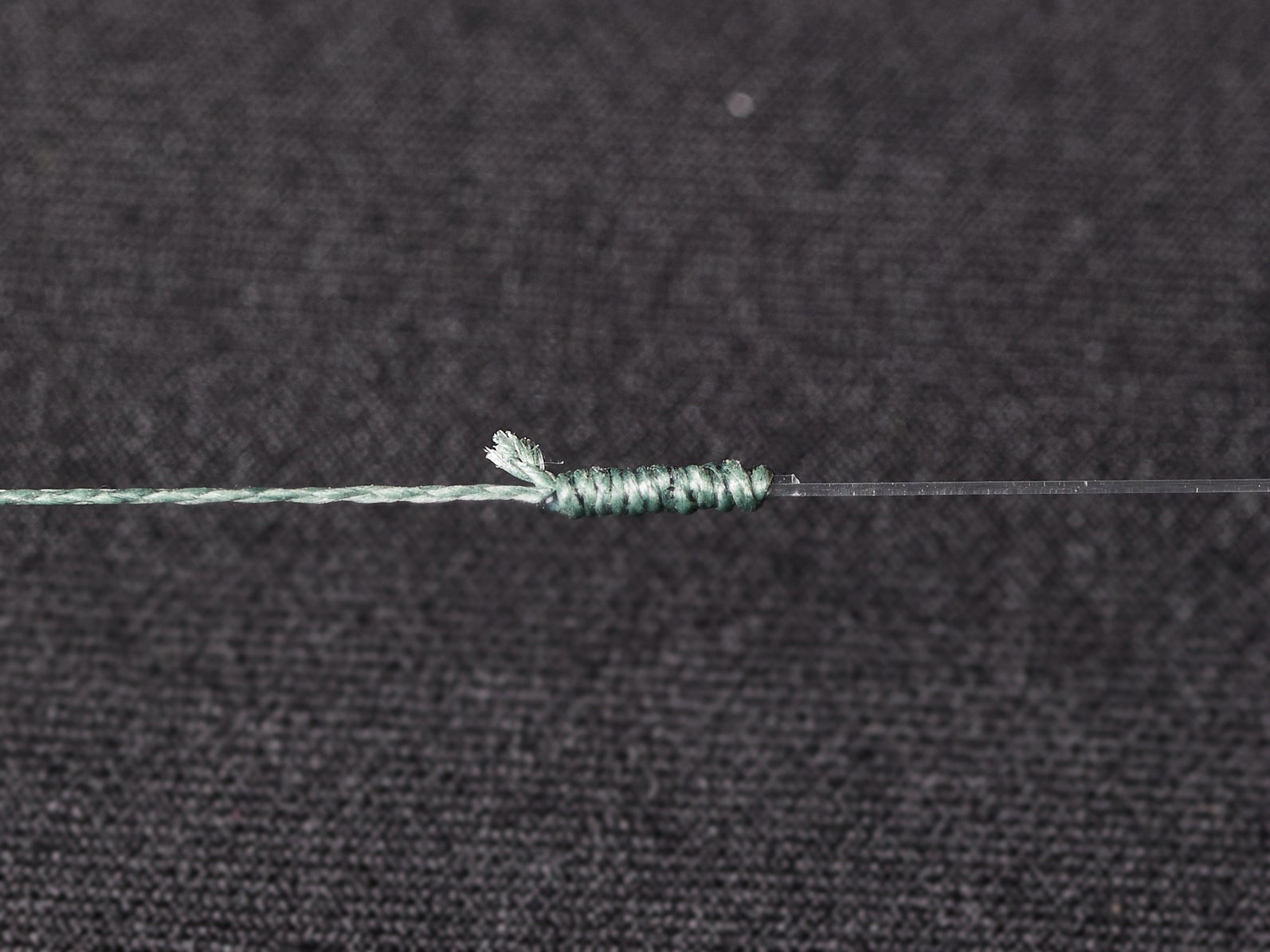
Trim the tag ends. For the braided line, leave a small tag end about 1/16th of an inch for added security just in case there is a hint of knot slippage. Cut the fluorocarbon/monofilament tag end as close as possible since this line is stiffer and needs to pass through the guides smoothly.
RP Knot Frequently Asked Questions
Does the RP knot work with a wide variety of line sizes/diameters?
Yes, but the number of wraps used may have to increase or decrease depending on factors like the line diameter and slickness. For example, very slick and thin-diameter lines can be more prone to slippage and may require extra wraps to secure tightly. Be sure to always tie your knots carefully and make certain they cinch without slipping before hitting the water.
Do you HAVE to moisten the RP knot before cinching it?
Like most knots, it's recommended you moisten the RP knot before cinching it down tight. Doing so helps the knot smoothly come together and prevents friction which can cause damaging line burn.
Why would you use braided line tied to a leader?
Braided line doesn't stretch, giving it incredible sensitivity and hooksetting power. Meanwhile, its diameter is far narrower than monofilament or fluorocarbon lines of the same poundage, which offers exceptional castability and lets you pack more braid onto a reel spool. For example, a 30-lb braid will likely have the diameter of 8- or 10-lb line. A braid-to-leader combination also gives you the versatility to simply change leaders to suit different techniques and water clarities, or you can even remove the leader altogether for heavy applications like frogging or flipping.