An Easy Guide For Putting Line on a Spinning Reel
Whether you're a beginning bass angler or a seasoned vet, properly spooling a spinning reel is a must-know skill that directly translates into a better fishing experience while out on the water. In this article we provide three easy steps for properly adding line to your spinning reel: setting up, securing the line to your reel, and filling your spool.
Many anglers experience problems with line twists, birds nests, short casts, and wind knots when using spinning reels and these problems will be compounded if the line is not spooled correctly. In this article we will give anglers an easy step-by-step guide on how-to spool a spinning reel and provide a few tips to ensure your next fishing trip goes smoothly.

Step One For Spooling a Spinning Reel: Setup
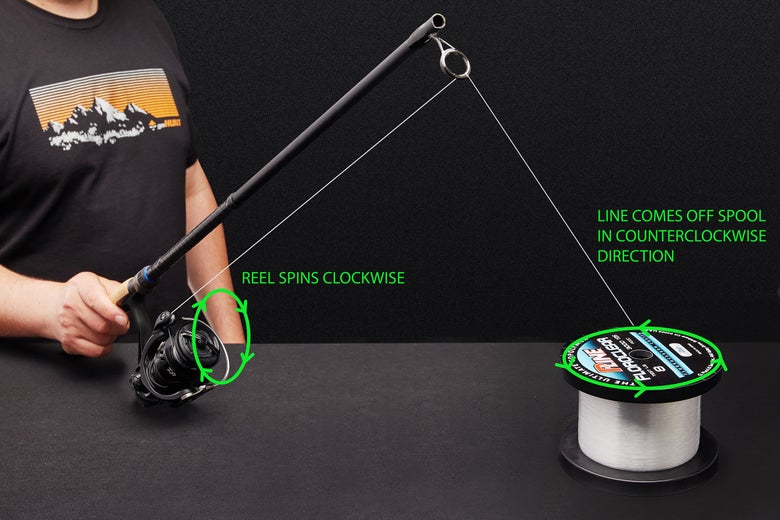
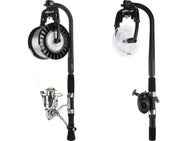
The first step when spooling a spinning reel is to make sure that you have your spinning reel and spool of line orientated in the correct direction. The oscillation on most spinning reels turns clockwise so you want the line coming off the feeder spool counterclockwise. This will ensure that the line goes onto the reel in the same direction as it’s coming off the feeder spool to minimize line twisting issues. If done backwards it will create more line twists, birds nesting, and knots in your line.
Step Two For Spooling a Spinning Reel: Secure Line to Reel
Next secure the line to the reel. Anglers can use any knot they prefer for tying the line to the spool, but we have found that the arbor knot is a quick and effective way to connect the two. Watch the video above or check out the full article for directiosn on the arbor knot. Before you attach the line to your reel make that the bail is flipped open or that you have fed the line under the bail.
Tip
Add a small piece of electrical tape to the spool to further secure the line to the reel. This is especially crucial when using braided line. Since braid has no stretch and is usually very slick, it will spin around the spool while reeling in a fish without engaging the drag system, causing braid slip. This can be avoided by using a small piece of electrical tape on the bottom of the spool or by using mono backing. It is good practice to use a small piece of tape with all line types.


Step Three For Spooling a Spinning Reel: Spool Line onto the Reel
Once the line is properly secured to the reel, pinch the line with your non reeling hand 12-18 inches above to spool and apply light even pressure and start reeling. Light pressure will help the line load the spool evenly and will help reduce casting or line twisting issues. Stop spooling when you reach 1/8”-1/16” of an inch from a completely full spool. Overfilling the spool will result in line ballooning off the reel and causing catastrophic birds nests.
Tip
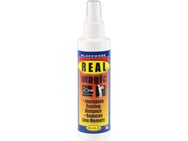
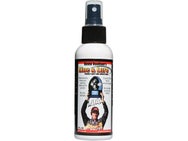
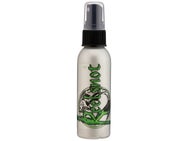
Instead of pinching the line with bare fingers, try using a microfiber cloth and a couple of sprays of line conditioner. This helps protect your fingers from burning and also applies conditioner to the entire length of line to reduce memory and increase line performance.


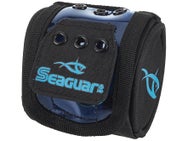
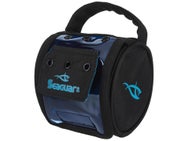
Popular Line Care Products
Frequently Asked Questions About Spooling A Spinning Reel:
Which direction should line come off the spool?
When you are spooling a spinning reel the line should come off of the spool in a counterclockwise direction, so that it is being applied to the spinning reel in clockwise. This allows the line to lay properly on the reel's spool and prevents line twists, backlashing, and tangling.
How much line should I put on my spinning reel?
You might be wondering "how full should my spool be?" You want to fill your reel's spool until there is between 1/8" to 1/16" of a gap between the line and the lip of your spool. If you add to much line to your spool, just open then bail and remove the line by hand until you have the correct amount.
Should I use backing on a spinning reel?
Yes, you should utilize a backing when spooling your spinning reel. Monofilament and braid both serve as a good, cheap backing for the bottom of your spool.
How do I prevent line twists?
There's a couple of things that you can do to help prevent line twists with a spinning reel, including:
- Spool the line in the correct direction.
- Apply steady, even tension when spooling.
- Avoid overfilling your spool.
- Manually closing the bail by hand, rather than turning the handle.