How to Spool a Baitcasting Reel
Baitcasting reels are essential tools for bass fishing success, but knowing how to spool one correctly is important for avoiding line issues and poor casting performance. The key is to spool the line evenly under tension to ensure smooth line flow and maximum casting distance. This helpful guide walks you through the step-by-step process of how to spool a baitcasting reel the right way, plus we include expert tips to make re-spooling faster and even more effective!
Step One: Set Up Spooling Station
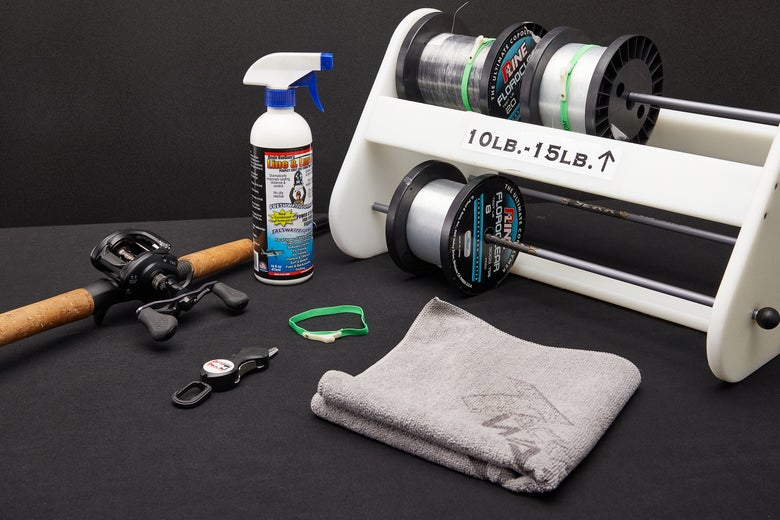
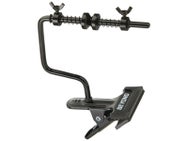
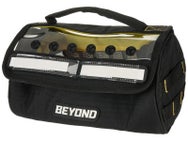
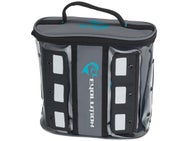
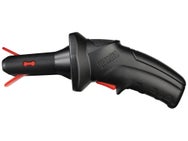
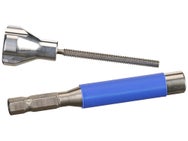
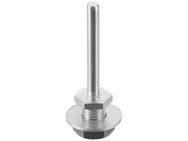
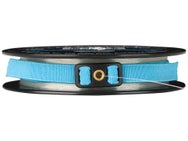
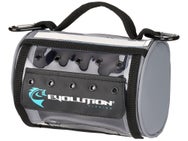
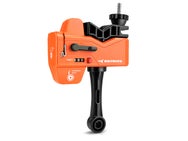
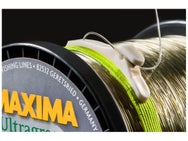
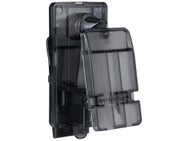
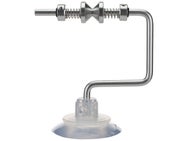
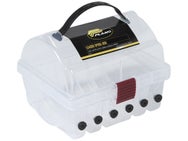
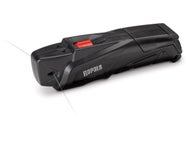
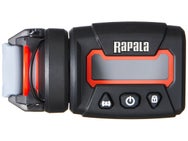
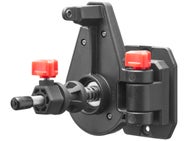
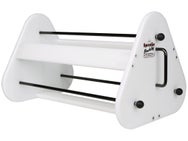
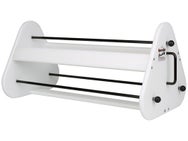
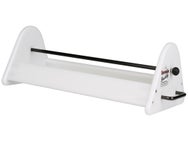
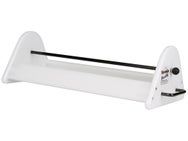
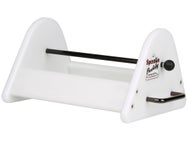
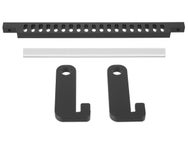
The first thing an angler needs to do is implement some way of holding the spool so that the line comes straight off the spool as you reel. Having a buddy hold a pen or pencil stuck through the hole in the middle of the spool works well, but the various spooling tools sold here at Tackle Warehouse are especially helpful and convenient. We recommend going with a dedicated spooling station as the very best option for the ultimate consistency. Whatever you choose, it is also very important to position the line spool so the line comes off the top of the spool and not the bottom.
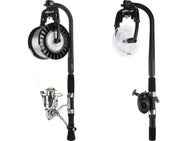
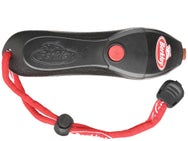
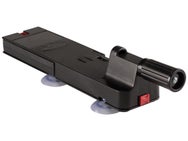
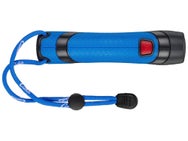
Step Two: Connect Line to Reel
Next, you need to connect the line to the reel's spool. Some reel spools feature a built-in line slot that allows for a direct connection. For reels that don't feature a line slot, the line must be tied around the outside of the spool. In this case, use a simple arbor knot.
If spooling with braided line, its slickness and lack of stretch can cause it to not grip the spool and spin while reeling or under tension. To give the braid something to firmly grip onto, wrap the spool with a few yards of monofilament backing or a piece of electrical tape before loading the braid.


Step Three: Spool the Reel
Once the line is connected to the spool, it's time to start reeling. As you crank, be sure to pinch the line in front of the reel to add tension so the line packs on tightly. Anglers can also use a microfiber cloth and a little bit of line conditioner to condition the line as it goes onto the spool to further maximize performance and reduce memory. Stop adding line to the reel when you’re about 1/16 of an inch from the spool lip to prevent overfilling it and possibly causing a birds nest while casting.


Frequently Asked Questions
What is the best way to spool a baitcaster to reduce backlashes?
The best way is to spool your reel slowly and evenly, keeping light tension on the line throughout. Overfilling the spool or spooling too loosely can cause the line to dig into itself and/or result in backlashes.
Is it bad to underfill a reel?
An underfilled reel is totally capable of being fished as long as the line was spooled tightly and evenly. However, the less line that's loaded onto a reel, the smaller the spool's diameter becomes. This reduced diameter results in shorter casts and slower retrieves. Additionally, less line on a reel could pose a problem if you hook into an unexpected fish that makes a long run.
Should I spool my baitcasting reel with monofilament, braid, or fluorocarbon?
Ultimately, all three lines can and have been used across a broad range of techniques. With that said, each line has certain strengths for certain applications. Monofilament floats and is stretchy, making it especially good for topwaters with treble hooks. Fluorocarbon sinks, stretches less, and is less visible underwater, giving it excellent versatility for all subsurface techniques. Braid is incredibly thin, strong, and lacks stretch, allowing anglers to load more line onto a reel and confidently pursue big fish. Most braid floats, which is a slight drawback for subsurface techniques, but a few sinking varieties are available.