Shakey Heads Gear Guide: Tackle, Rigging, and More
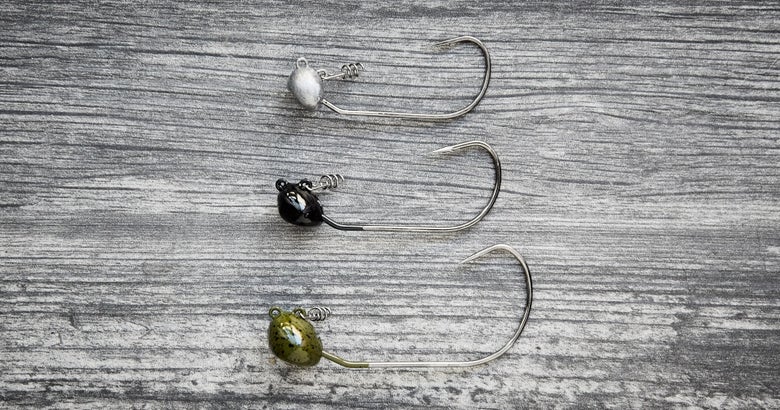
A versatile presentation that’s effective on bodies of water around the country, the shakey head is highly efficient for getting bites and catching fish. Proven to produce year-round, the shakey head truly shines during summer and winter months when fish are deeper, more lethargic, and relating to offshore structure. However, its effectiveness is not exclusive to deep water, as the shakey head catches plenty of fish when conditions are right. With its subtle action, the shakey head is a powerful tool for targeting fish that have become wary of moving baits. In this gear guide, we'll explore the effectiveness of the shakey head technique and cover helpful tips that will maximize your performance on the water.
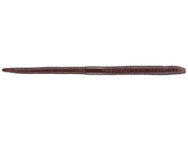
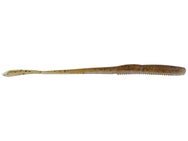
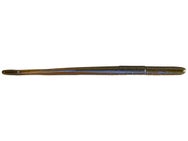
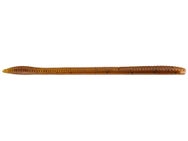
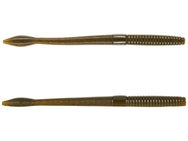
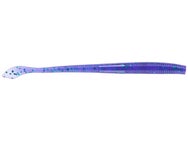
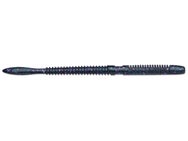
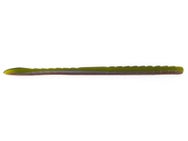
Best Shakey Head Rods
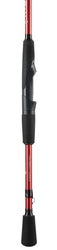
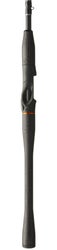
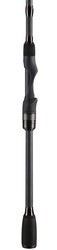
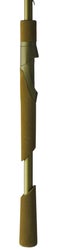
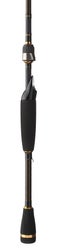
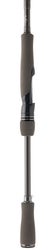
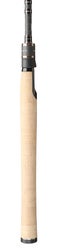
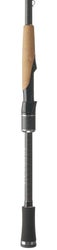
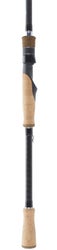
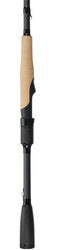
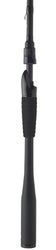
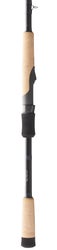
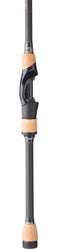
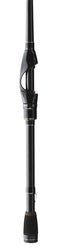
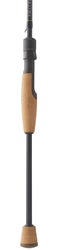
Categorized primarily as a finesse technique, most anglers prefer throwing a shakey head on a spinning rod between 7' to 7'4" with a medium-light to medium-heavy power and a fast to extra-fast action for the ideal combination of sensitivity and hook-setting ability. For larger jigheads exceeding half an ounce, a jig/worm casting rod with the same length, power, and taper also makes a great choice and can help improve line management and control.
Best Shakey Head Reels
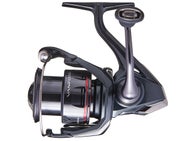
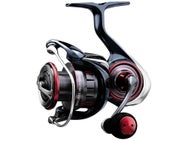
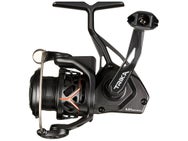
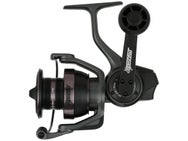
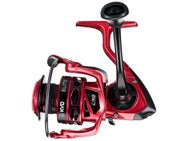
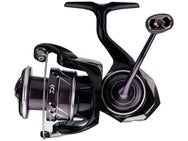
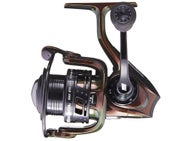
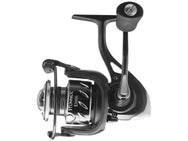
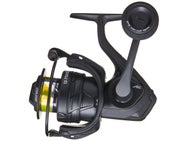
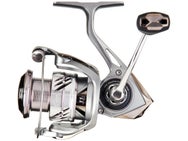
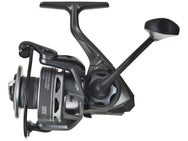
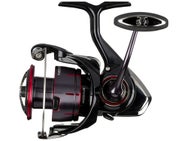
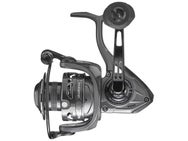
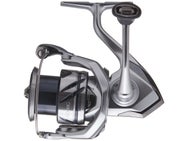
A spinning reel in the 2500–4000-size range is preferred for shakey head fishing, as the larger spool diameter picks up line quickly and helps minimize line twists. Choosing a reel with a smooth drag system is also crucial for managing the powerful surges of bass once they're hooked on light line. For larger shakey heads, any trusted 70- to 150-size casting reel with a 7:1 to 8:1 gear ratio is an excellent choice.
Best Shakey Head Line
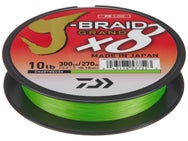
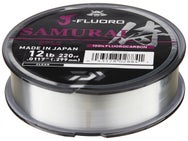
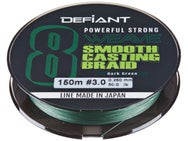
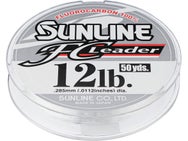
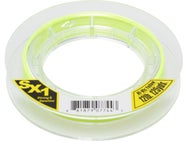
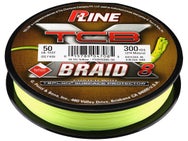
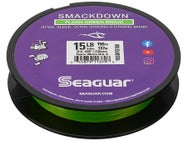
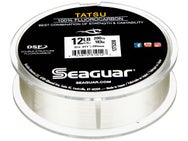
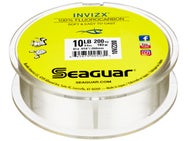
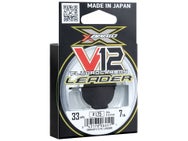
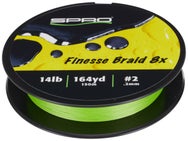
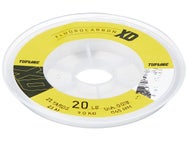
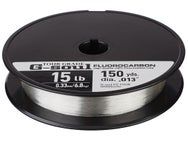
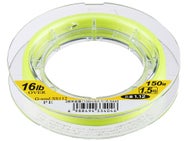
For finesse shakey heads, try starting with a 10–15lb braided mainline paired to a fluorocarbon leader in the 6- to 12-pound range. Use the lightest line appropriate for your lake's cover and average fish size to maximize sensitivity and performance while creating a stealthy presentation to outsmart wary fish. Straight 10- to 15-pound fluorocarbon also works well for many heavier applications, especially when fishing areas where line abrasion is a big concern.
Best Shakey Head Modifications & Rigging
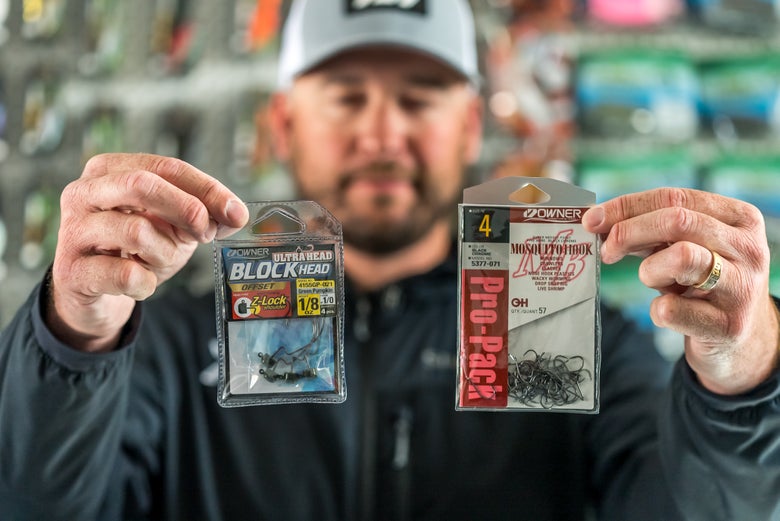
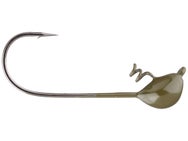
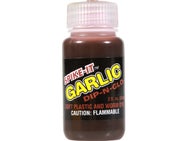
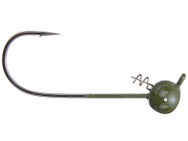
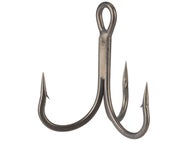
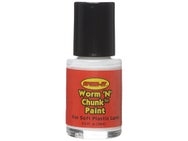
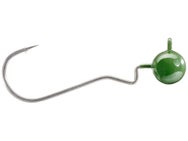
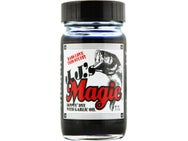
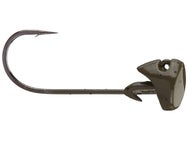
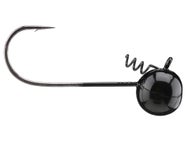
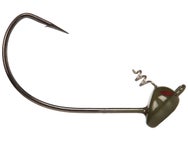
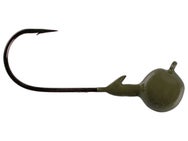
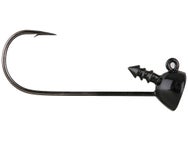
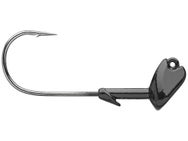
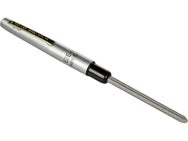
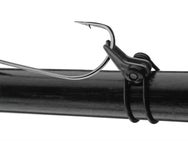
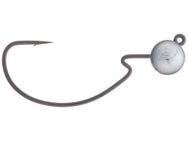
Shakey heads come with various keeper systems designed to hold your baits in place. Screw-lock style keepers work well with bulkier plastics like magnum worms or creature baits, while barbed or wire keeper systems are perfect for finesse and standard-size worms. For advanced rigging, consider tying a finesse stinger hook to the tag end of your knot and inserting it into the bait to improve hookup ratios with short-striking fish. Lastly, enhance your bait's appeal in murky or stained waters by adding a touch of scent and color to the tail with dipping dye or a soft-plastic dye marker.
Best Shakey Head Tips & Tricks
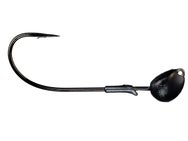
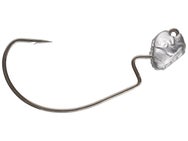
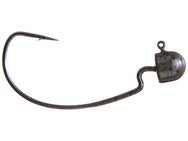
When rigging your worm or creature bait, weave the hook point back and forth through the plastic several times. This creates a channel, allowing the hook to penetrate the plastic faster and more smoothly during hooksets. Prepping your plastics with this technique can significantly improve your hook-up ratio and reduce the frustration of missing fish. When fishing around vegetation and heavy cover, consider using an offset jig hook so you can Texas-rig your plastic, conceal the hook point, and avoid snagging or picking up grass on every cast.
Best Shakey Head Bait Colors
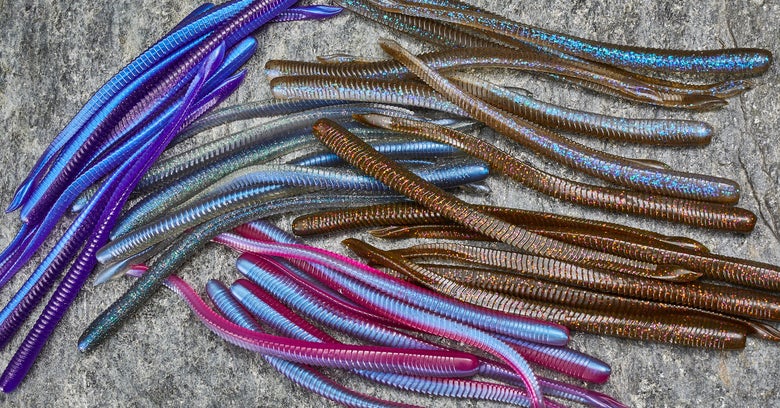
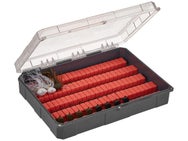
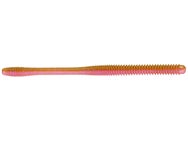
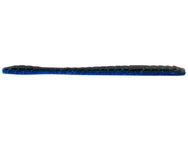
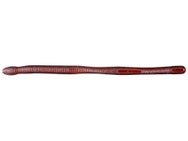
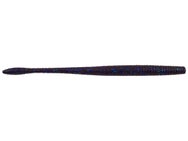
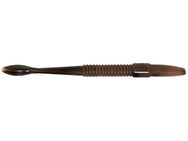
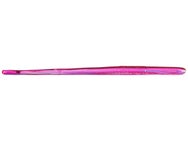
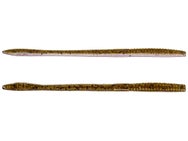
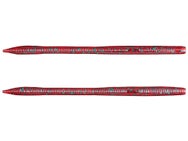
It's easy to get overwhelmed with endless soft-plastic color options to choose from, so consider variables like water clarity and local forage when making your selection. In clear water, opt for natural patterns such as green pumpkin, watermelon, or shad options, and in murky or low-visibility conditions, try bright and vivid colors like morning dawn or chartreuse to grab the bass' attention.
Final Thoughts
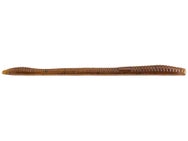
In addition to these tips and techniques, it's worth noting that the shakey head isn’t limited to worms and creature baits. Instead of using a traditional worm, anglers can experiment with a variety of soft plastics such as crawfish imitations or even slim paddle tails. This finesse tactic can outperform bulkier-profile offerings and adds another layer of adaptability to your fishing arsenal.
Shakey Head Frequently Asked Questions
What time of year is best for fishing a shakey head?
Shakey heads are both adaptable and versatile, able to be fished with a variety of plastics from very shallow to very deep water. Because of this, a shakey head can be immensely productive all year long and is an especially good choice on clear-water fisheries or those with high fishing pressure.
How heavy should the head be?
For the most natural movement and action, it's a good idea to use the lightest head you can get away with that keeps you in contact with the bottom. The weight will vary wildly based on depth, wind conditions, the bait, and the tackle you're fishing with, so you'll likely have to experiment quite a bit when starting out to learn what looks and feels best in a variety of scenarios.
How do you fish a shakey head?
Contrary to the name, you don't necessarily need to constantly shake a shakey head. Using a combination of slow drags, subtle shakes, and pauses is a good place to start. Hopping a shakey head can also work well to trigger a reaction strike from fish that ignore a more subtle retrieve.