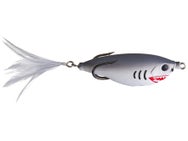
Summer Night Frog Patterns & Techniques
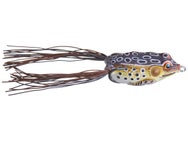
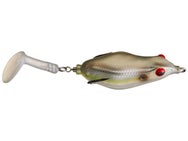
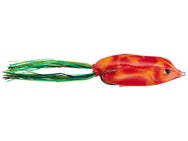
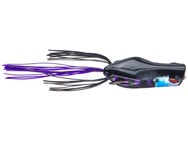
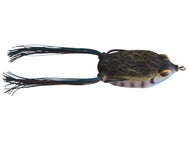
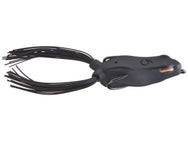
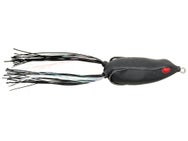
Time a full moon with a warm summer night and you could be in for some of the most exciting topwater fishing that can be had all year. After the sun goes down during the summer, frogs come to life and some of the biggest bass can be fooled with the gurgling action of a popping or buzzing frog. By nature, the frog is a highly weedless bait so it’s a great topwater choice for night fishing because you can cast it on the bank or into a tree without getting hung up. Go ahead and target the same matted cover you would fish during the day, but at night you can also focus your efforts in open water areas with structure and where you can hear them croaking.
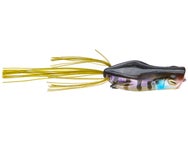
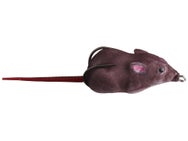
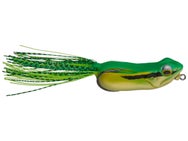
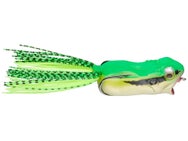
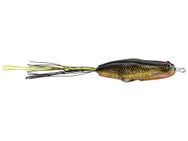
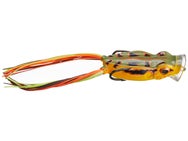
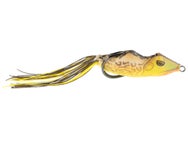
Rods:
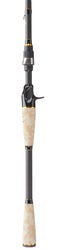
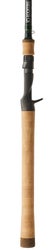
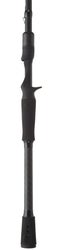
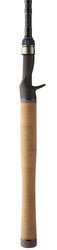
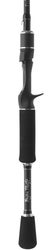
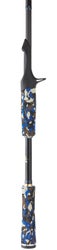
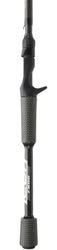
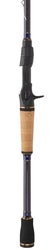
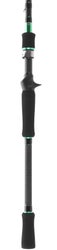
Matted vegetation calls for the power of a Heavy or Extra Heavy casting rod, but you don’t want a total broomstick when fishing a frog. A stout rod with a Fast taper in the 7’ – 7’6” range will provide enough leverage to set the hook and a soft enough tip so you can still cast and skip with precision. Night frog fishing often involves more open water or light cover situations, so some anglers will choose to scale down to a Medium Heavy power for added tip action to better walk your frog and make an accurate cast.
Reels:
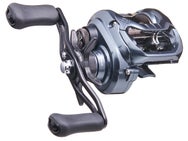
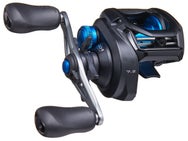
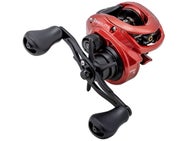
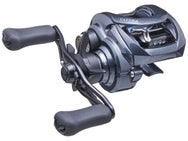
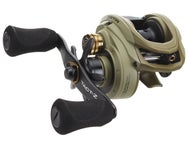
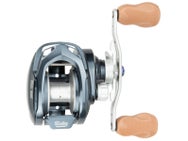
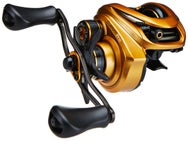
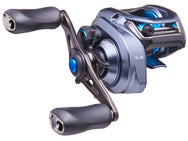
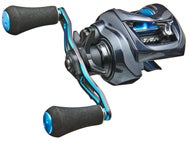
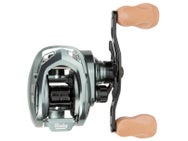
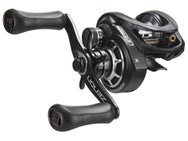
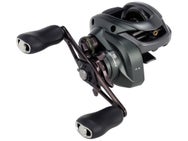
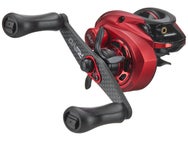
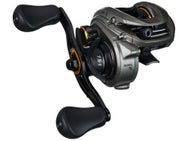
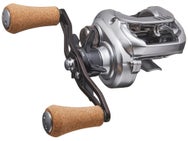
Just like your other topwater lures, you want a casting reel with a high gear ratio to pick up line quickly as you reel, pop, and walk your frog back in. Frog fishing often involves covering a lot of water to find a productive area, so try an 8:1 gear ratio or higher so you can effectively work through stretches of matted vegetation then reel your bait back quickly for another cast. If you get a bite in heavy cover, a 150- to 200-size reel with a faster gear ratio will provide the power and quickness you need to keep the head of the fish up so you can extract them and reduce the chances of them getting locked up in the mat.
Line:
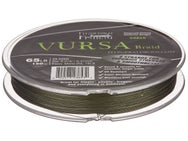
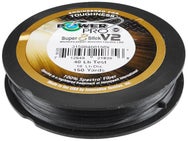
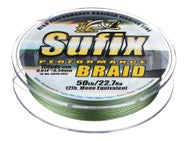
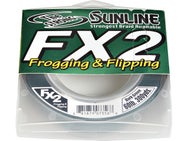
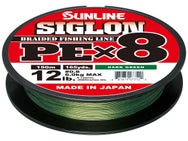
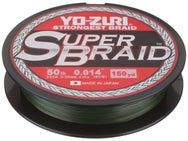
Heavy braided fishing line is a must when frog fishing. The quick response, no stretch quality of braided line is necessary to drive the hooks home and remove the fish from cover. Fluorocarbon and monofilament lines will stretch under high load and do not provide the same type of strength that braided line offers. Usually, 50lb is a good starting point to help your frog walk better and make longer casts, but depending on the thickness of the cover, 65lb or more may be necessary when presented with heavy matted cover.
Modifications & Rigging:
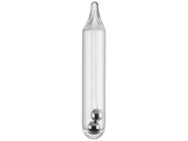
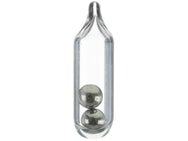
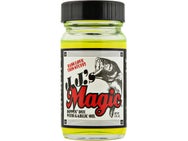
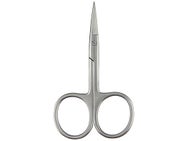
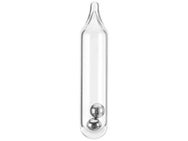
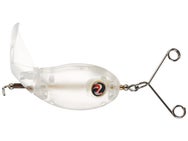
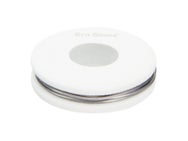
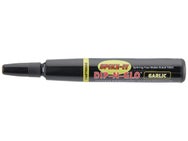
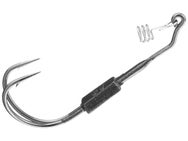
As vegetation and fishing pressure begin to grow in the summer months, bass will start to miss your frog, blowing up just behind it, or struggling to penetrate dense mats. Add in the lack of ambient light at night, and this issue is only compounded. To stack the odds back in your favor, you can make a couple of small adjustments to help boost hook up ratio and interest. A heavier frog will sit deeper into the mat and is less likely to move when fish strike. To increase weight, try inserting small weights into the hollow body cavity, or wrapping lead wire around the hooks. All of these will help boost your hook up ratio around thick mats and extend casting distance. For added nighttime attraction, add an acoustic element by inserting a small glass rattle, or create a pop of color or scent with some dippin’ dye.
Tips & Tricks:
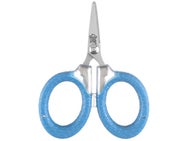
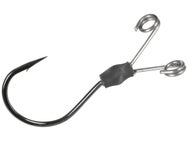
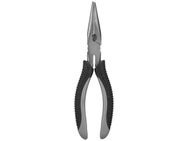
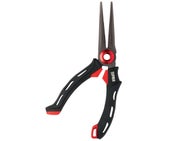
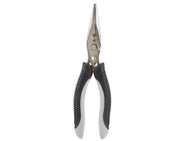
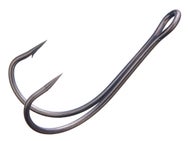
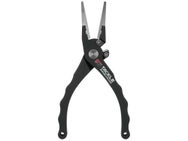
If the cover allows, try slightly bending your hooks up and out with pliers to help improve your hook up ratio. You want the hook points angled away from the plastic, so they bury into the mouth of the fish rather than the plastic. When you buy new frogs try leaving them on the dashboard of your truck, the summer heat will help soften the plastic, so it collapses nicely when you get bit.
Colors:
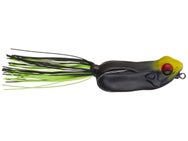
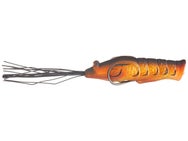
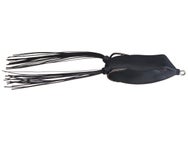
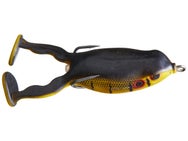
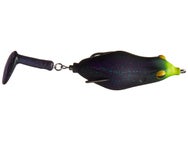
A bright or dark colored frog will help you generate a few more bites after dark, but there is no need to overthink frog colors for night fishing when the fish are mostly relying on their other senses to feed. When you have the light of a full moon try using a qhite or chartreuse belly frog to provide some added contrast, and on darker nights a black frog will create a larger silhouette that the fish can spot easily.