Comprehensive Bladed Jigs Gear Guide: Tackle, Rigging, and More
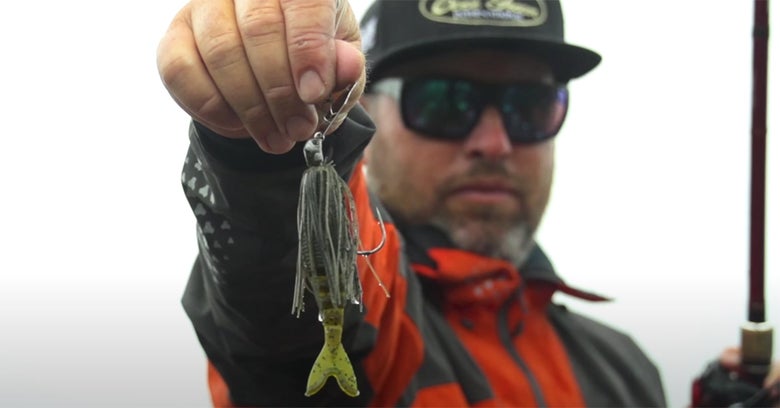
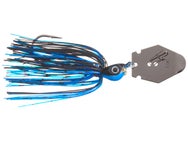
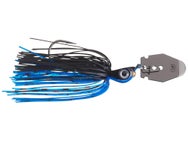
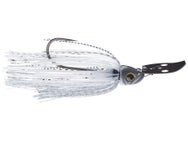
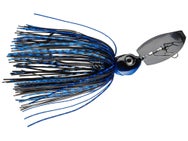
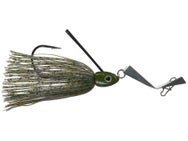
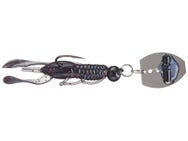
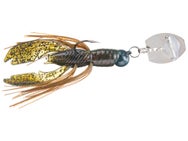
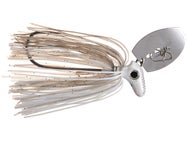
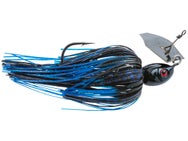
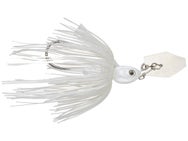
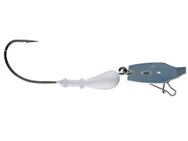
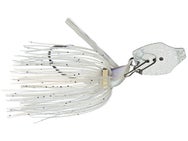
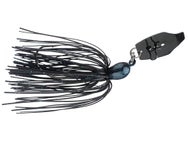
A lure that has dominated bass fishing in recent years, the bladed jig has accounted for countless tournament victories, including helping pro angler and bladed-jig visionary Brett Hite bring home over $500,000 in tournament winnings throughout his career. The bladed jig is so effective because it offers a blend of some of the best reaction baits ever created: the tight vibration of a lipless crankbait, the deflective qualities of a squarebill, and the ability to be fished in areas where treble-hooked lures would hang up constantly.
Whether you are fishing for money or just casually beating the bank, the bladed jig is incredibly easy to fish. A great option for beginners or veterans, this bait helps anglers of all skill levels catch more fish in a variety of areas. The focus of this guide is to provide in-depth gear recommendations, examine modifications and rigging options, and explore the best retrieve techniques for fishing the bladed jig.
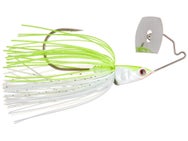
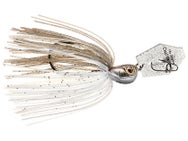
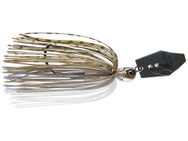
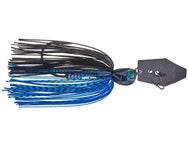
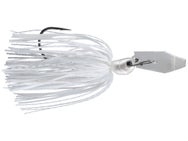
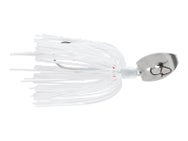
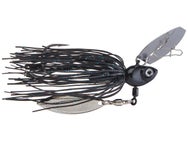
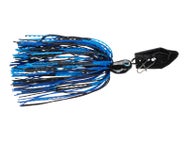
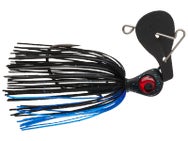
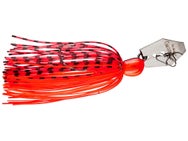
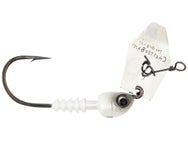
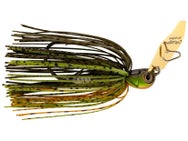
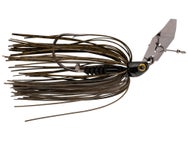
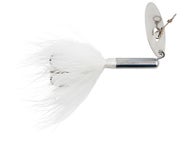
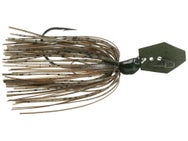
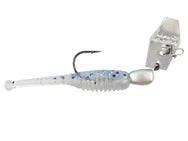

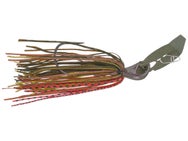
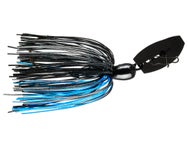
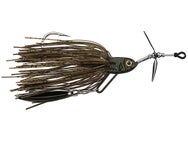
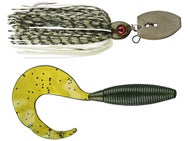
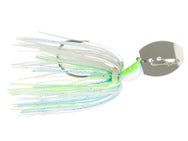
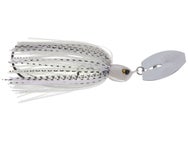
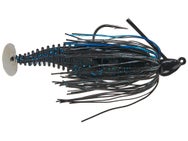
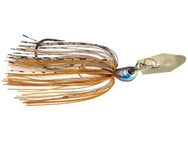
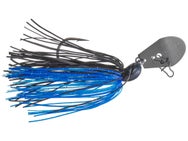
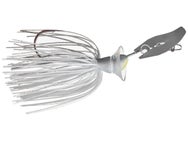
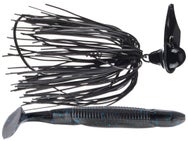
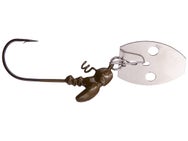
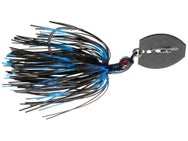
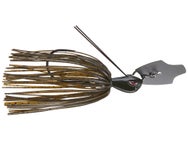
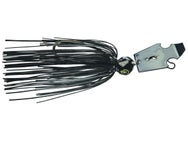
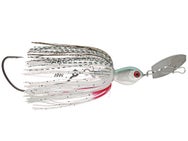
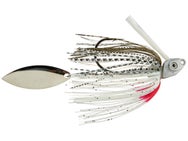
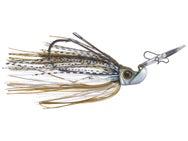
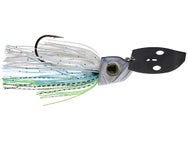
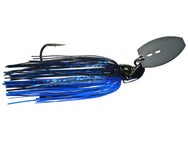
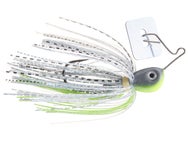
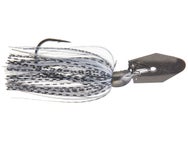
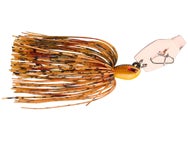
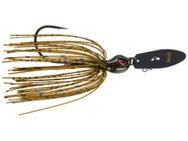
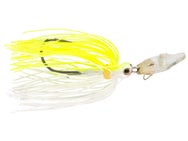
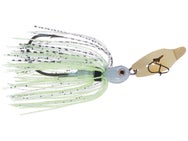
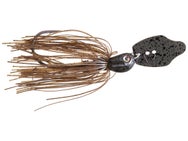
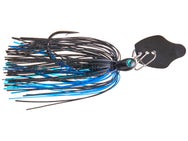
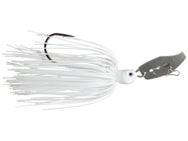
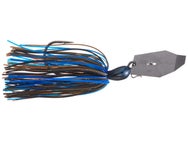
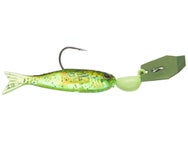
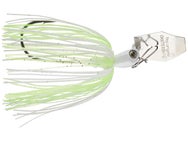
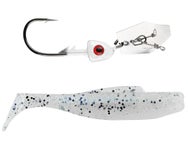
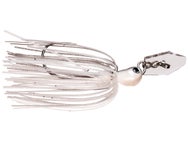
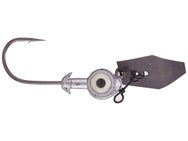
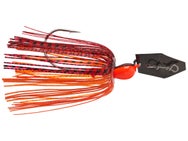
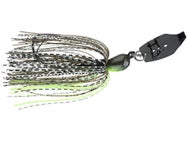
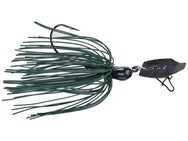
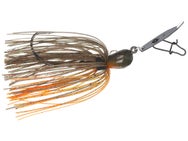
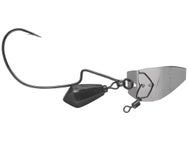
Best Bladed Jig Rods
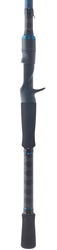
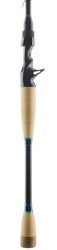
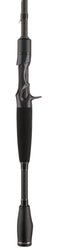
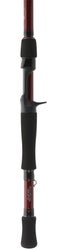
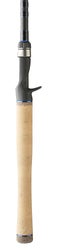
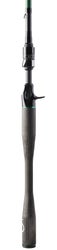
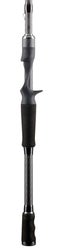
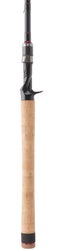
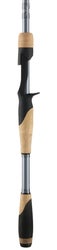
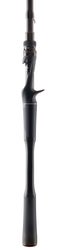
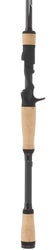
When fishing bladed jigs, anglers usually prefer medium-heavy to heavy-powered rods in the 7’2”–7’11” range with more parabolic actions. The added length helps with longer casts, taking up line for quality hooksets, and snapping the blade clear of vegetation. Fiberglass or composite (glass/graphite) rods with moderate actions are often favored, as their blanks stay loaded when fighting fish and prevent the jig from ripping out of the mouth or getting thrown during the fight. On the other hand, many anglers still do prefer graphite rods (with softer actions) for the added sensitivity and power.
Best Bladed Jig Reels
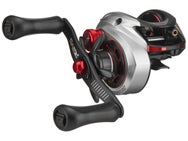
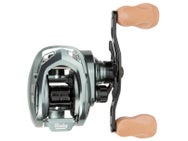
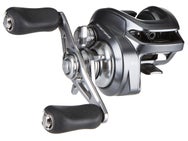
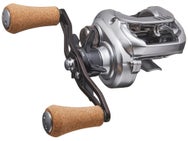
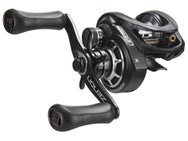
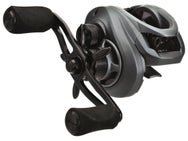
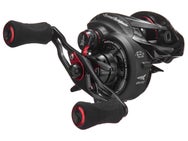
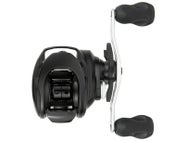
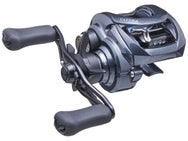
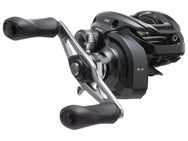
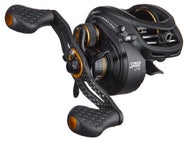
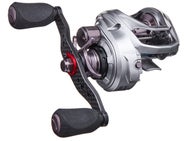
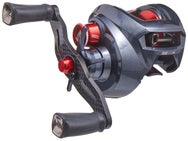
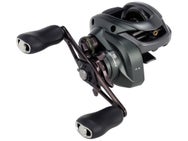
Casting reels with a gear ratio in the 6:1–7:1 range are ideal for fishing bladed jigs, as they give the angler the ability to slow down or speed up their retrieve to match the mood of the fish. Gear ratios of 8:1 or faster are great for covering water, but be careful using higher-speed reels because they can also tend to overpower the jig and prevent the blade from vibrating properly. A standard 100- to 200-size casting reel provides a palm-perfect fit that should offer plenty of line capacity for fishing bladed jigs at various distances.

Best Bladed Jig Line
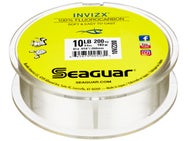
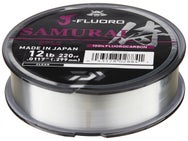
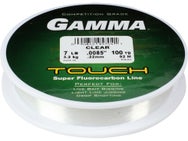
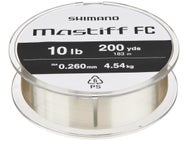
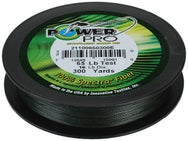
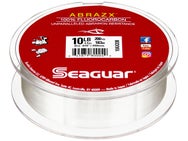
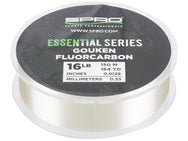
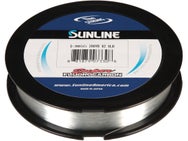
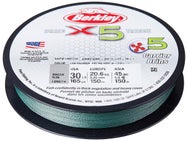
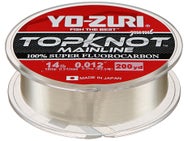
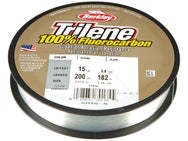
During most of the year, fluorocarbon is going to be your best option for bladed jigs. Flurocarbon's translucency, minimal stretch, and solid abrasion resistance ensure that bass won't see your line as it comes through the water column while also providing the strength necessary to tame big fish and heavy cover. Line size is always dictated by where you intend on fishing and the size of your bladed jig, but fluorocarbon lines in the 12- to 20-lb range are ideal, with 15-lb being an ideal starting point in many cases.
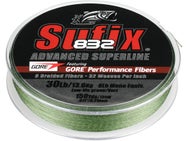
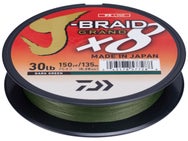
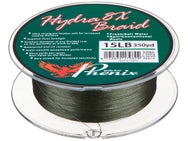
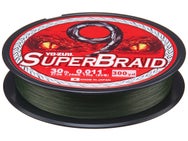
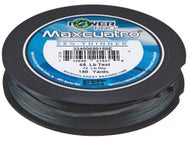
If the water is super clear or you are using a lightweight bladed jig, feel free to go down in line size, but if there is some stain in the water, you can go higher in the range mentioned above. Some anglers will even switch to 40- to 50-lb braided line when fishing around heavy grass to help snap their bladed jig out of vegetation and clear the blade. A closed eye snap is often preferred when fishing around heavy cover with braided line, as the snap is less likely to open up on a strong hookset.
Best Bladed Jig Modifications & Rigging
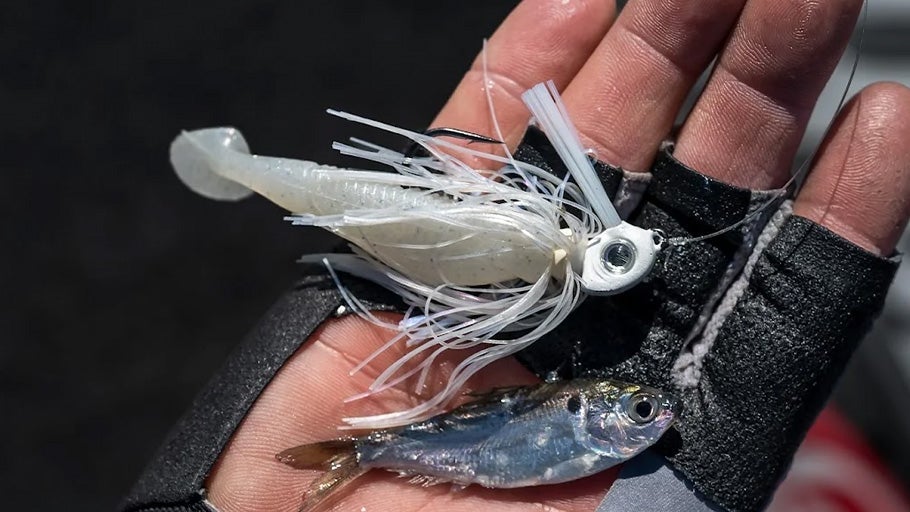
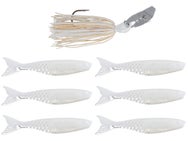
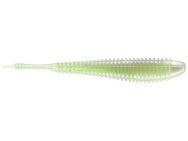
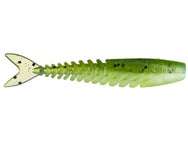
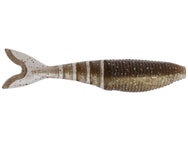
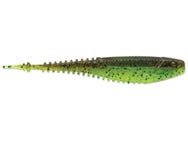
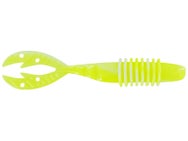
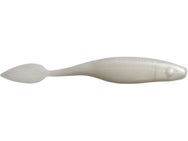
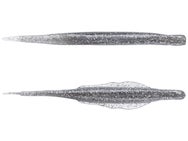
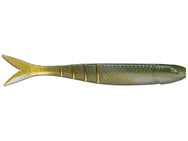
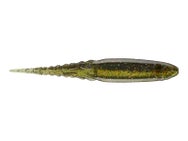
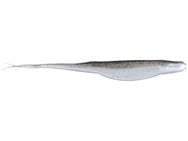
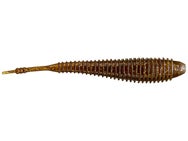
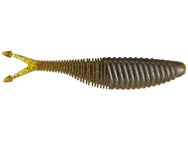
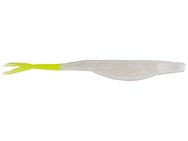
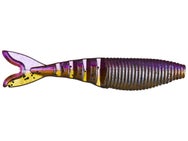
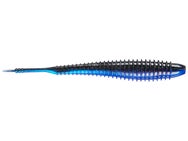
Bladed jig trailers give anglers limitless opportunities to customize their presentations. Baits like soft-plastic jerkbaits and minnow bodies make great trailers for imitating baitfish or bluegills, while crawfish or creature baits provide a bulkier profile and displace more water for fishing in stained or low-light conditions. The potential rigging methods are only restricted by your imagination; however, soft-plastic trailers with less action are typically better suited for bladed jigs because they flow along with the bait's natural action rather than disrupting or altering it.
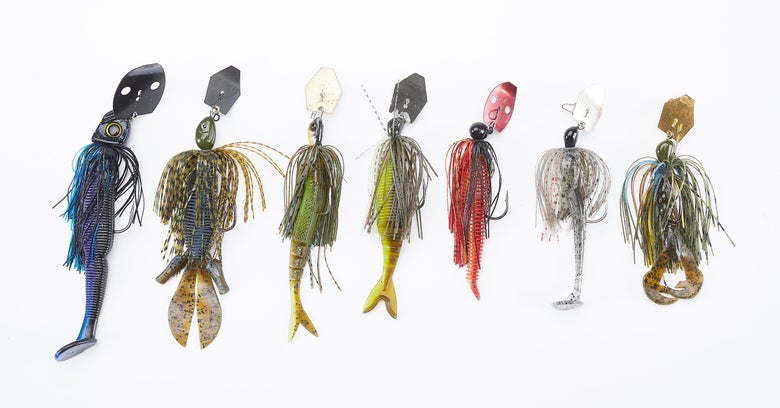
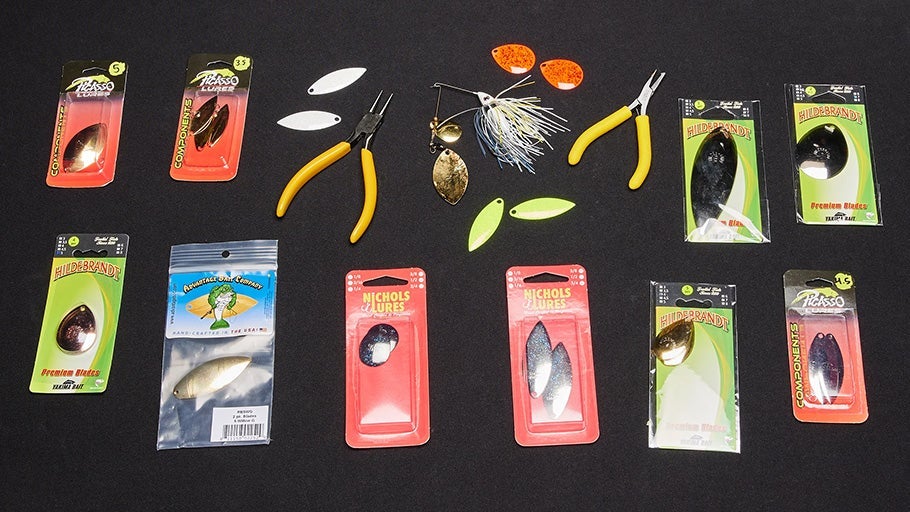
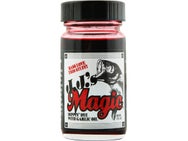
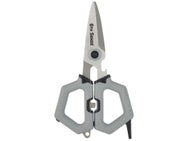
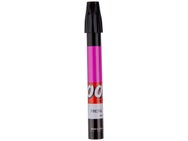
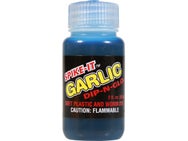
Don’t be afraid to try different brands, head shapes, or blade styles, because each bladed jig produces a different action. While it may not always seem like it, a slightly different profile or vibration could pay big dividends when the fish are highly pressured. Also, consider trimming the jig's skirt so it doesn’t interfere with your trailer and allows it to produce maximum action. Finally, consider keeping dipping dye or a color marker on deck so you can accent your plastics and make your trailers pop to help generate more bites.
Best Bladed Jig Retrieve Techniques
An irregular retrieve is often the key to provoking a reaction strike, whether you are imparting action with the rod tip or simply varying your retrieve speed. Just like many productive moving baits, it’s all about doing something out of the norm to entice a stubborn fish into biting, so try giving your reel a speedy half turn or twitch of the rod tip to flare the skirt and add some erratic action. A small departure from a straight retrieve might be all a finicky fish needs to commit to biting.
The bladed jig is one of the best tools for catching bass around shallow grass patches. Oftentimes, anglers fishing around grass will rely on slightly different gear to get the job done, including braided line and a heavier rod. If you are not feeling grass or cover during your retrieve, slow down until you come into contact with it, or try pausing completely from time to time to let the bait make contact.
Best Bladed Jig Colors
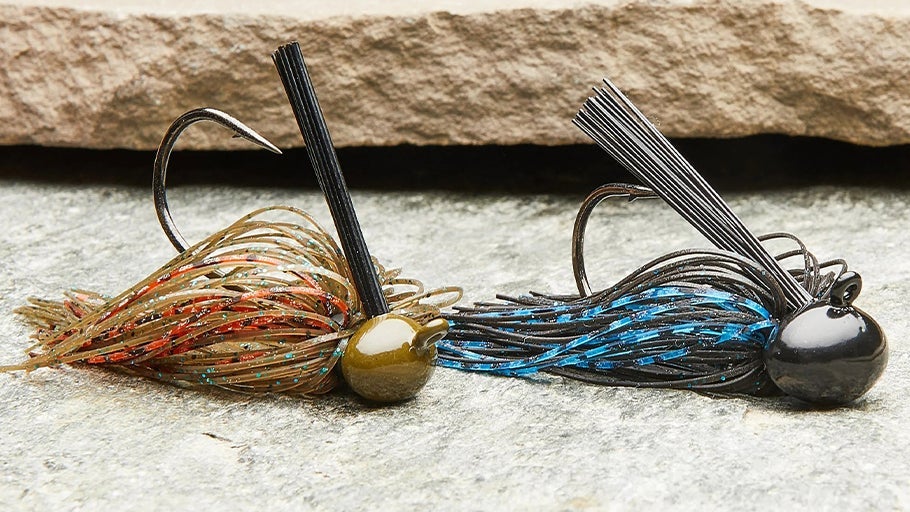
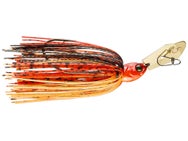
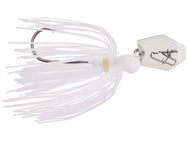
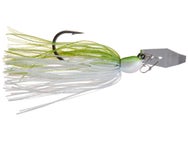
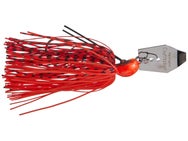
Bladed jigs are excellent at imitating all kinds of forage, including bluegill, panfish, shad, and crawfish, so it’s best to stick to green pumpkin tones and translucent shad patterns when getting started. There is no need to complicate your color selection for bladed jigs, as many anglers would attest that if you can only choose one color, green pumpkin will provide the versatility to be thrown just about anywhere with success. When the sun is high, use colors with flake to deliver added flash and attraction. During cloudy conditions, muted colors will put off a better silhouette for the fish to zero in on. If the water is dirty, try using bolder colors like white/chartreuse, black and blue, solid white, and red-craw combinations.
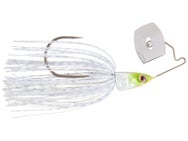
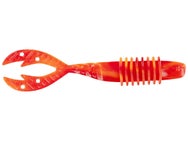
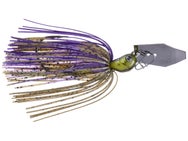
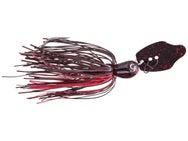
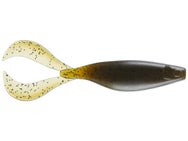
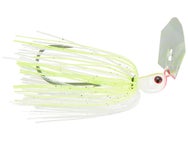
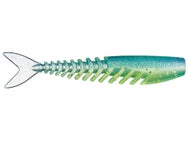
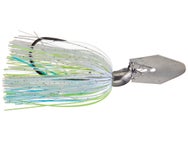
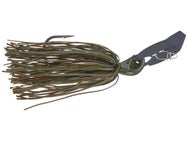
Notorious for catching both numbers and size, the bladed jig can be fished effectively in depths from mere inches of water up to about 30 feet deep or so and through all types of cover, making it a great search bait when you are trying to find fish quickly. Easy to fish effectively, the bladed jig provides excellent utility for both beginners and advanced anglers.
Bladed Jigs Frequently Asked Questions
When would you fish a bladed jig over a swim jig?
A swim jig is basically a bladed jig without the vibrating blade, making it a more "finessy" and less-intrusive option for fishing the same areas and depths. While both of these baits certainly have some overlap in effectiveness in different conditions, bladed jigs can be a more productive choice in lower light conditions or dirtier water.
What's the best time of year to fish a bladed jig?
Bladed jigs can work all months of the year depending on the weather and your location, but generally speaking, spring through fall will offer the best action since more bass are shallow and aggressive.
What other names are bladed jigs commonly referred to?
Bladed jigs are often referred to as "vibrating jigs" or "Chatterbaits." Although the latter term is commonly used as slang for any bladed jig, technically the Chatterbait name is actually the name of a legendary bladed jig currently made by Z-Man Fishing Products.