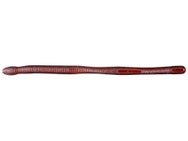
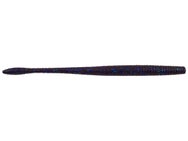
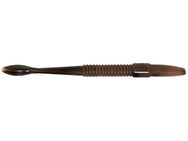
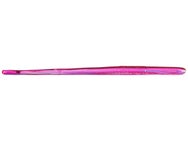
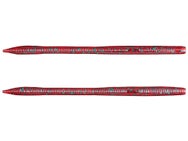
Summer Shakey Head Patterns & Techniques
While there are countless reasons to hit the water with a Shakey Head tied on all year long, it can be a particularly productive technique during the summer thanks to its extreme versatility. From a foot of water to fifty, there is no wrong depth to throw a Shakey Head. Not only is the Shakey Head effective in every portion of the water column, but it also is a more subtle way to target pressured fish that have watched countless jigs and crankbaits crawl past them in a given day. Carefully combing through those high-pressure areas with this tantalizing finesse approach can help put those otherwise lock-jawed fish in your livewell.
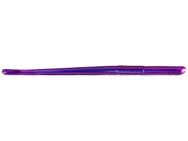
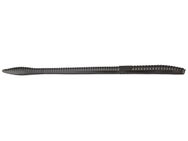
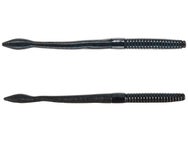
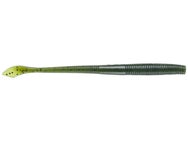
Rods:
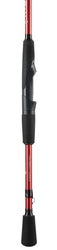
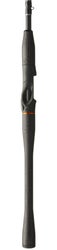
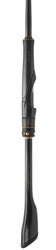
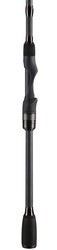
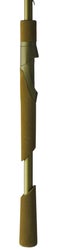
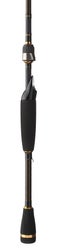
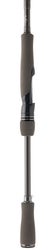
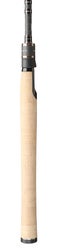
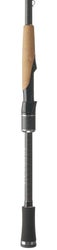
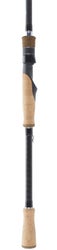
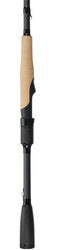
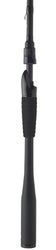
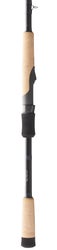
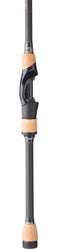
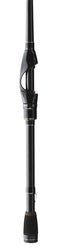
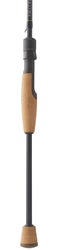
Shakey Head fishing is by and large a finesse technique. For most Shakey Heads, a spinning rod from 7’ to 7’4” with a medium to medium heavy power and a moderate fast action provides enough strength for a solid hookset while offering maximum sensitivity to feel the lightest bites. If you need to upsize your profile with a jighead weighing in at over a half-ounce, many anglers will reach for their light jig/worm casting rod ranging from 7’ to 7’6” that sports a fast tip and medium heavy power.
Reels:
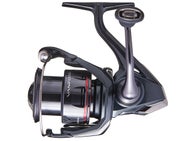
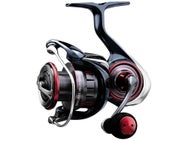
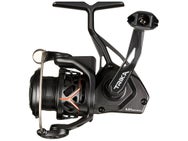
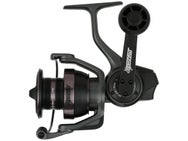
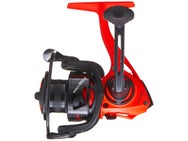
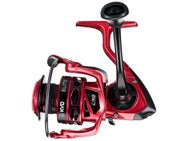
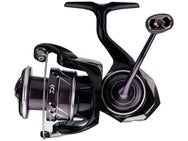
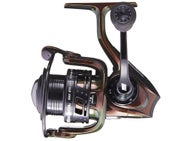
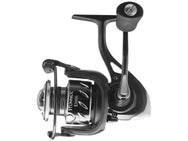
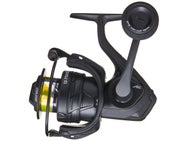
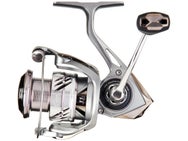
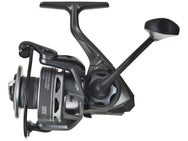
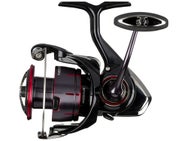
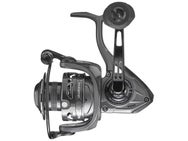
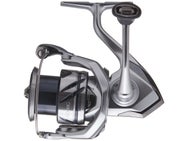
Due to its ability to pick up line quickly and reduce line twist thanks to its larger diameter spool, a spinning reel in the 3000 class is the right tool for this technique. A smooth drag is of utmost importance to efficiently manage large, surging bass once you have them hooked on the end of your line. Any of your trusted 100- to 150-size casting reels with a 7:1 to 8:1 gear ratio are perfectly suited for working larger Shakey Heads, as heavy lines and high-capacity spools aren’t needed for this technique.
Line:
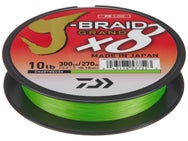
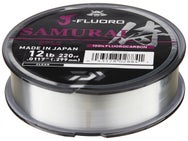
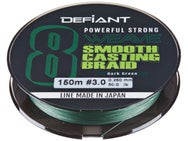
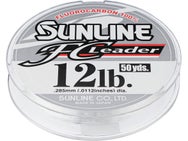
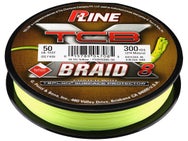
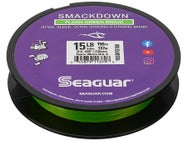
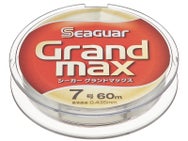
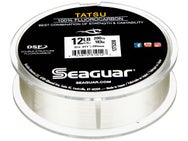
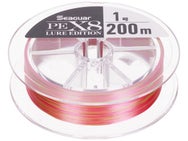
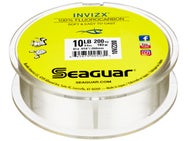
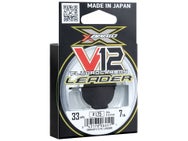
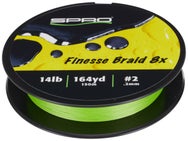
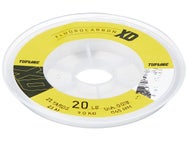
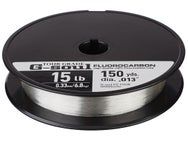
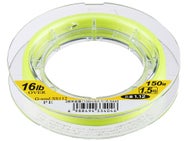
For finesse Shakey Heads, it is best to start with a braid mainline from 10 to 15 lb and tie on a fluorocarbon leader in the 7- to 12-lb range, making an effort to use the lightest line your lake’s cover and typical fish size will allow. This configuration will provide maximum sensitivity, minimal stretch, and a covert approach to better fool finicky fish. If you find yourself in conditions necessitating a step up to heavier options, spool up your casting reel with straight fluoro from 10 – 15 lb, tailoring your selection for the severity of abrasive cover you may be faced with.
Modifications & Rigging:
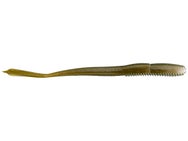
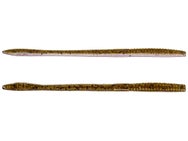
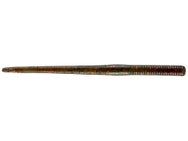
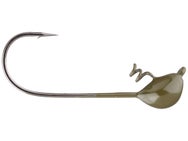
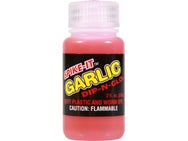
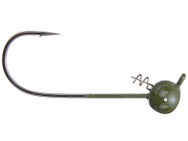
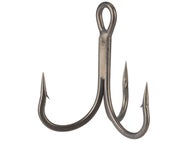
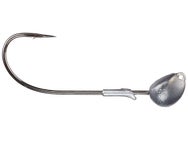
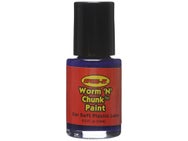
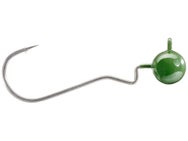
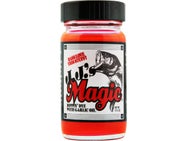
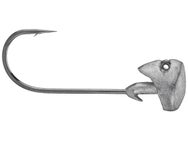
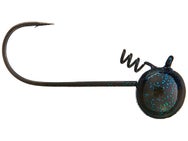
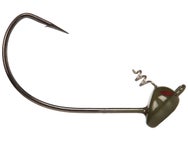
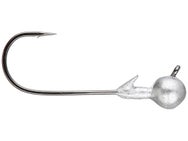
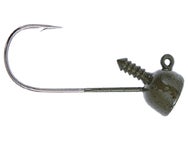
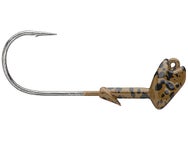
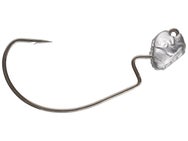
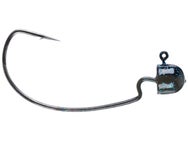
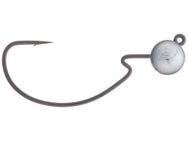
Shakey Heads come equipped with a variety of keeper systems. Screw-lock style keepers often work best when anglers are utilizing bulkier trailers such as magnum worms or creature baits. Standard and finesse worms tend to benefit from less damaging options such as molded barbs, wire-keeper systems, or fixed lead keepers. For an advanced rigging technique, you can utilize a finesse treble hook as a stinger to help avoid missing fish that short strike, maximizing your hook-up ratio. Lastly, enhancing your trailer with a splash of color and scent from your favorite soft plastic dye could be the ticket to drawing more strikes, especially in dirty or stained water.
Tips & Tricks:
When threading on your worm or creature bait, move the hook point back and forth through the area it rests in the plastic three or four times. This creates a channel in the trailer, allowing your hook to pass through the plastic easier and faster when it comes time to set the hook. This faster and smoother penetration will help bolster your hook-up ratio and avoid those frustrations that result from missing a fish. If you still find your ratio lacking, offsetting your jig hook can be the perfect trick to successfully buttoning up more bass.
Colors:
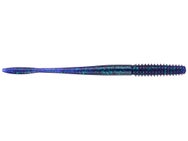
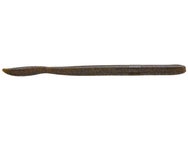
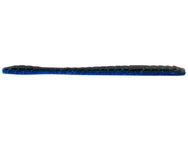
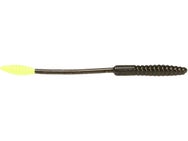
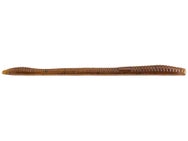
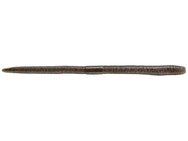
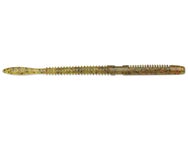
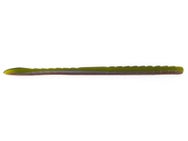
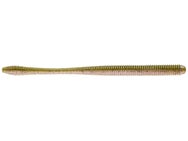
There are countless colors to choose from when selecting a trailer for a Shakey Head. To maximize productivity, many anglers will opt for natural patterns such as green pumpkins and shad options when navigating clear water and turn to brightly colored schemes such as morning dawn or something with chartreuse in dirty or low-visibility conditions.