Dice Baits Gear Guide: Tackle, Rigging, DIY, and Color Selection
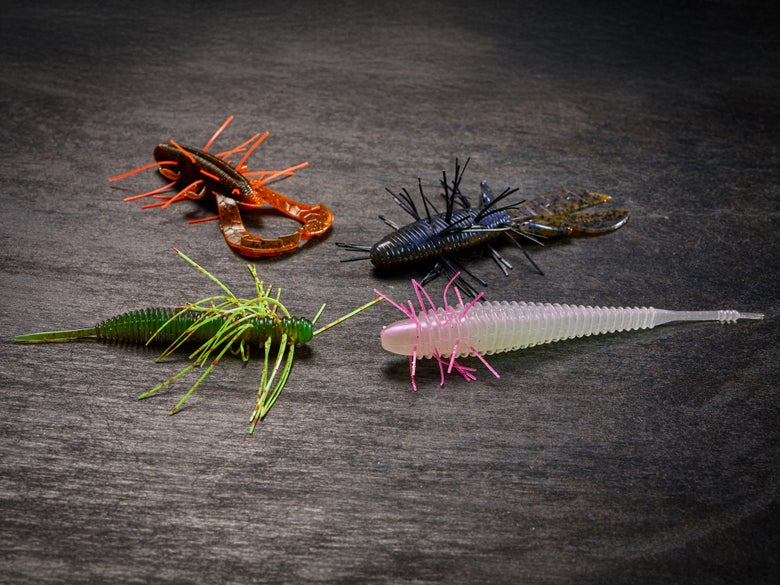
Dice baits, also known as “fuzzy dice,” have captured the attention of curious fish and bass anglers with a crazy design that originated as a cube or hunk of plastic covered in tentacle-like appendages. On the surface, dice baits appear to be a ridiculous bass-fishing trend, but fuzzy baits have played a key role in major tournaments, including Michael Neal’s MLF win on the St. Lawrence River in 2024 and Kyoya Fujita’s second-place finish in the Elite Series on Lake Seminole in 2023.
With increased pressure and advancements in sonar technology, new applications like hover strolling have excelled in recent years, and dice baits fall into a similar category of finesse tactics that trigger a feeding response in bass. While a dice bait doesn’t necessarily mimic any specific type of forage, the key to this bait is its unique appearance and subtle lifelike action that fish simply can't resist. In this gear guide, we’ll go over the best tackle to fish dice baits, examine salted and unsalted rigging options, and check out money-saving DIY alternatives for anglers who want to create and customize their own baits.
Dice Bait Rods
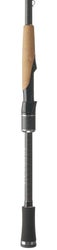
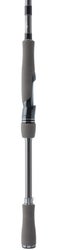
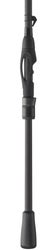
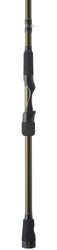
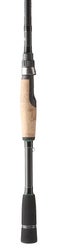
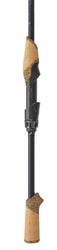
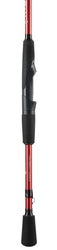
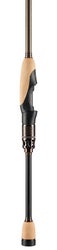
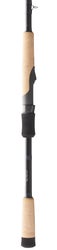
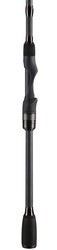
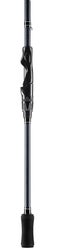
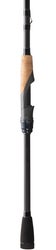
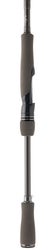
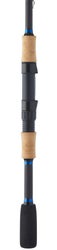
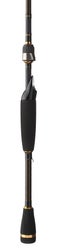
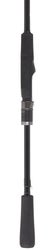
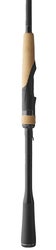
Dice baits are typically lightweight and commonly thrown on drop shot, wacky, and Neko rigs, or even fished weightless on their own, so a finesse-oriented rod is a great choice for maximum casting ease. A 6’6” to 7’4” medium-light or medium spinning rod with a fast or extra-fast taper provides the perfect match while delivering the required sensitivity and handling along with ample hook-setting power. Bait finesse or lighter casting gear is also excellent for dice baits, as some anglers prefer the mechanics and enhanced control that a baitcasting setup provides for pitching to bed fish or accurately casting to targets.
Dice Bait Reels
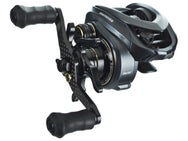
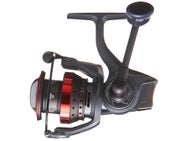
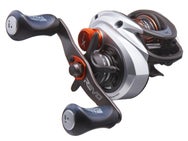
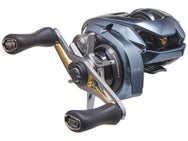
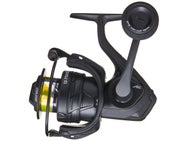
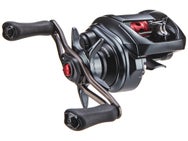
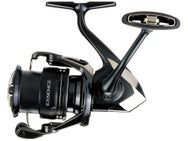
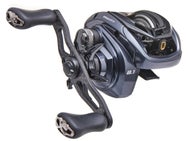
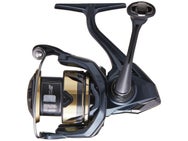
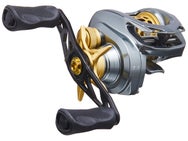
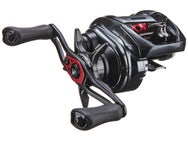
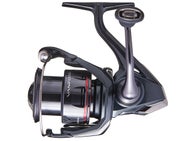
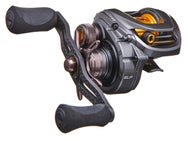
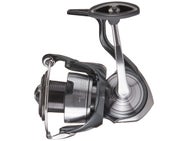
Specialized fishing reels aren’t necessary to throw dice baits, as any 2000- to 3000-size spinning reel employed for drop shots, wacky rigs, or finesse lures can be used effectively. If you’re going ultra-finesse with less than 6-pound line and a lightly weighted or weightless dice rig, you can even scale down to a smaller 1000- to 1500-size spinning reel to better match the lighter rod and line. When making repeated presentations to shallow fish that often spook easily, consider using a casting reel for added casting efficiency and the ability to easily "feather" the spool with your thumb for a softer entry. Regardless of the chosen setup, be sure your reel has a smooth drag system since fishing dice baits often involves thin-diameter fishing lines and light-wire hooks.
Dice Bait Line
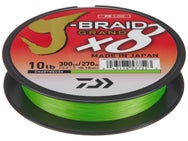
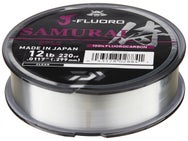
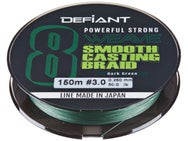
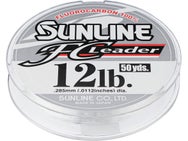
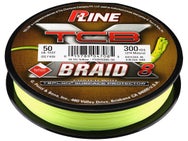
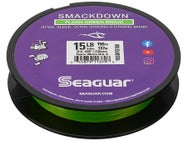
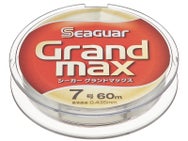
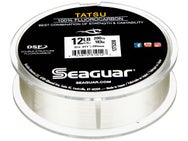
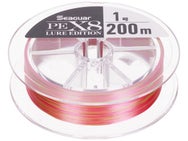
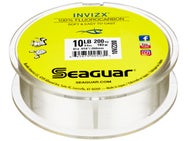
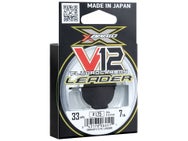
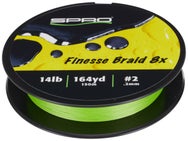
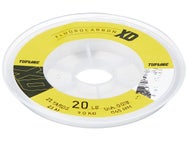
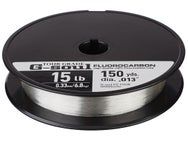
Ultra-thin fluorocarbon lines are popular for presenting small dice baits, but the ideal line choice may depend on how you plan on rigging or the specific fishing application. If you’re making short pitches to the bank, sight fishing for bed fish, or casting to targets on live sonar, the translucency of a straight 4- to 6-lb fluorocarbon line provides added stealth while preventing the frustration of connection knots hanging up as they pass through the guides. When targeting fish in deeper water with dice baits, the strength and no-stretch power of an 8- to 15-lb braided mainline coupled with a fluorocarbon leader increases sensitivity and hook-setting power at long distances.
Dice Bait Rigging Methods
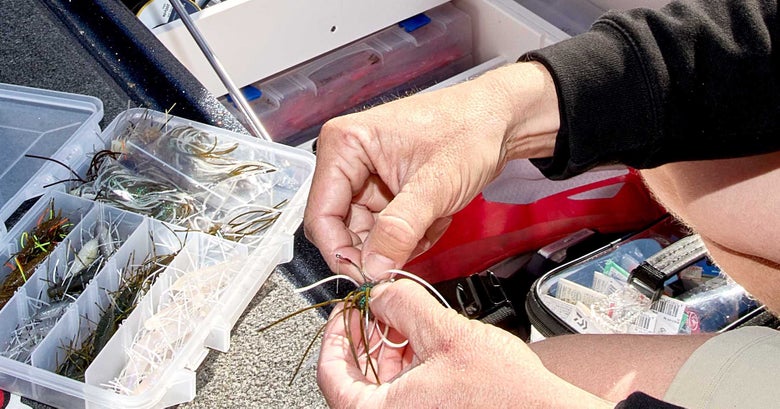
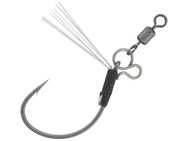
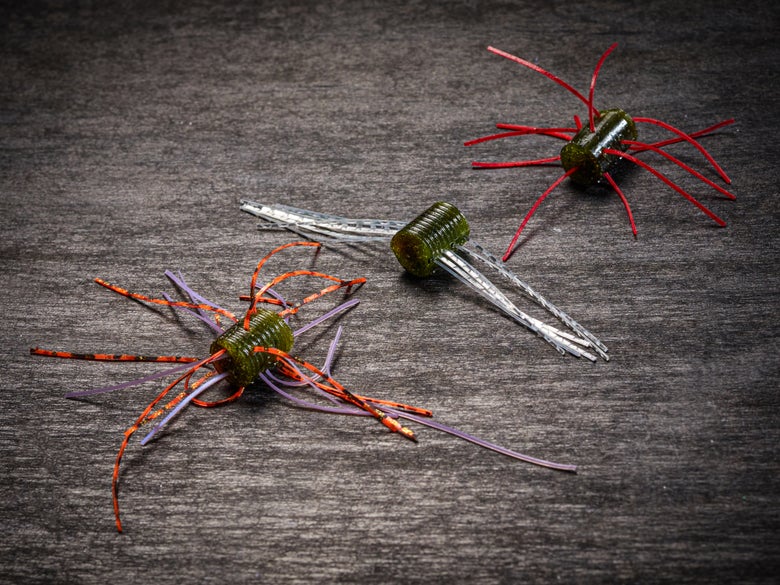
Commonly offered in non-salted and salted options, the composition of dice baits greatly affects their buoyancy and sink rate, ultimately providing different benefits based on how you choose to rig them. Non-salted dice baits float or sink slowly, making them perfect any time you're fishing very shallow or want to keep your bait up off the bottom. Salted dice baits are packed with salt for a bit of extra weight and a faster sink rate, giving them greater castability when rigged weightless while still producing nicely fished on typical dice-bait setups like drop shots, free rigs, and jika rigs.
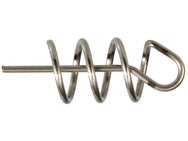
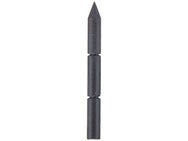
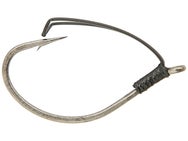
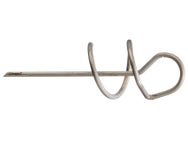
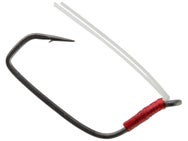
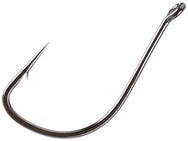
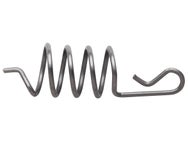
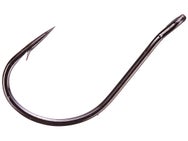
Nose-hooking dice baits with a drop-shot hook can tear up these expensive soft baits quickly, so consider picking up a pack of Owner Centering Pin Springs to help anchor the hook firmly in the plastic. Simply twist a centering pin spring into the nose of the bait and thread the hook through the spring to greatly extend the life of your dice baits.

DIY Dice Baits
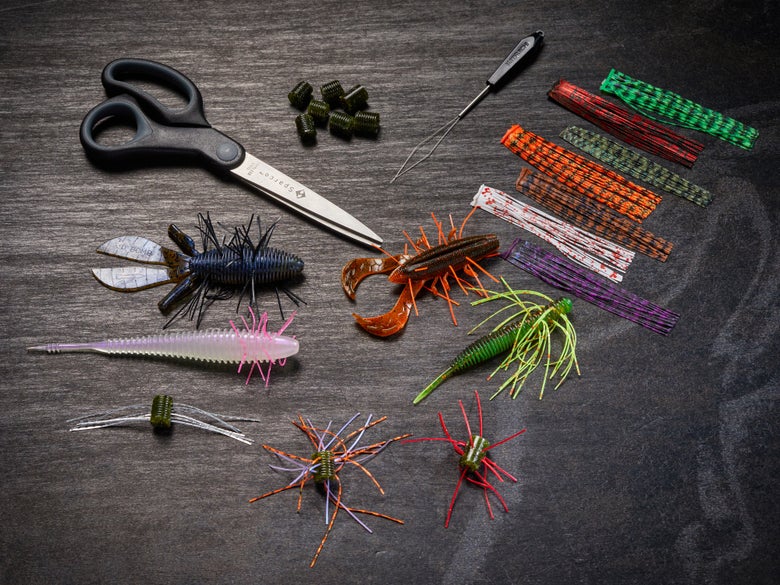
As many tackle junkies know, shipping from overseas often comes with a hefty price tag due to the taxes, duties, and shipping costs incurred by importers. Dice baits are no exception, with original JDM baits like the OSP Saikoro Dice running $19.99 for a four pack. While manufacturers continue to enter this category, fuzzy dice often come in limited pack quantities and remain costly no matter which brand you choose, so DIY and budget-minded anglers should experiment with homemade creations.
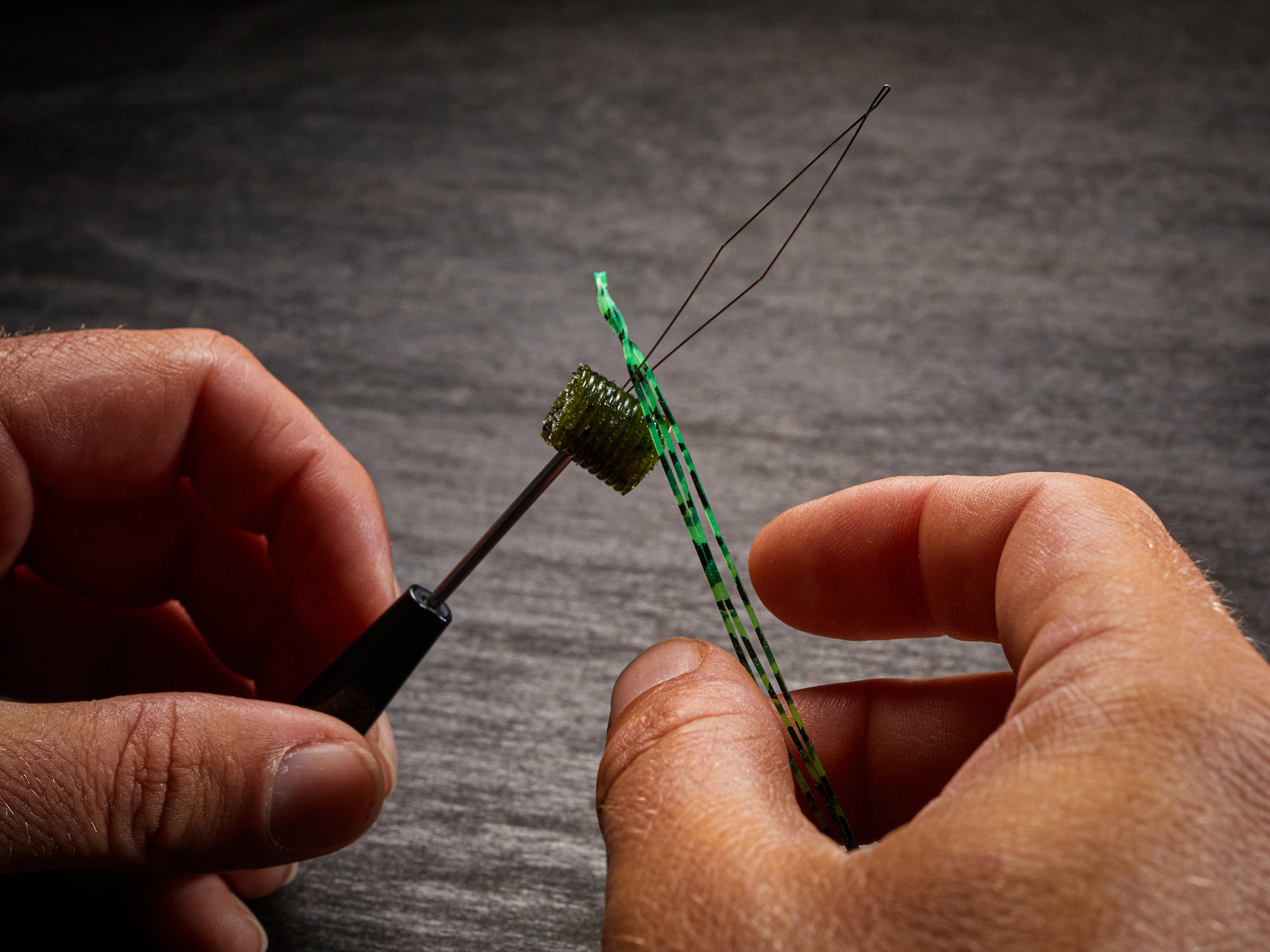
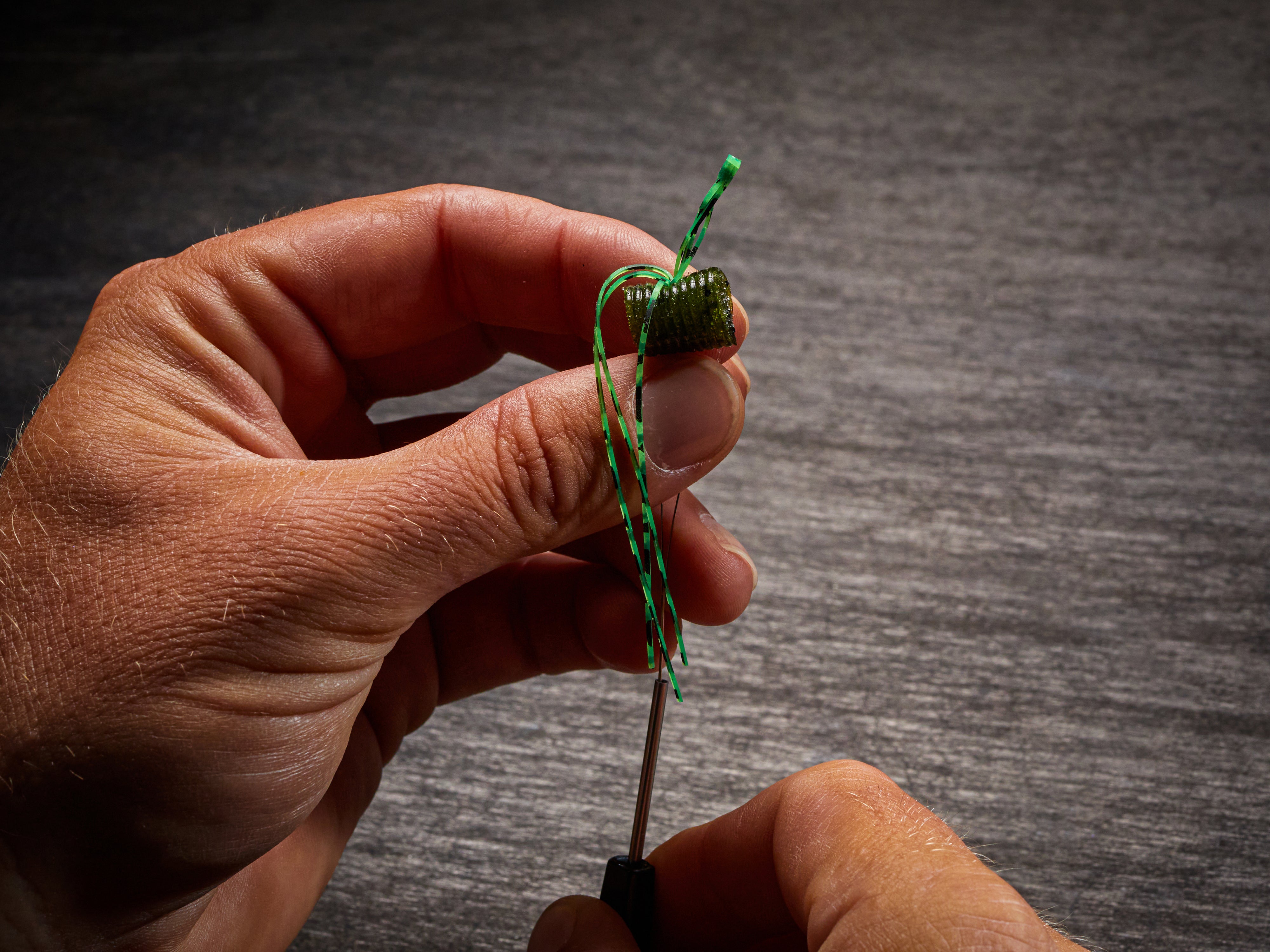
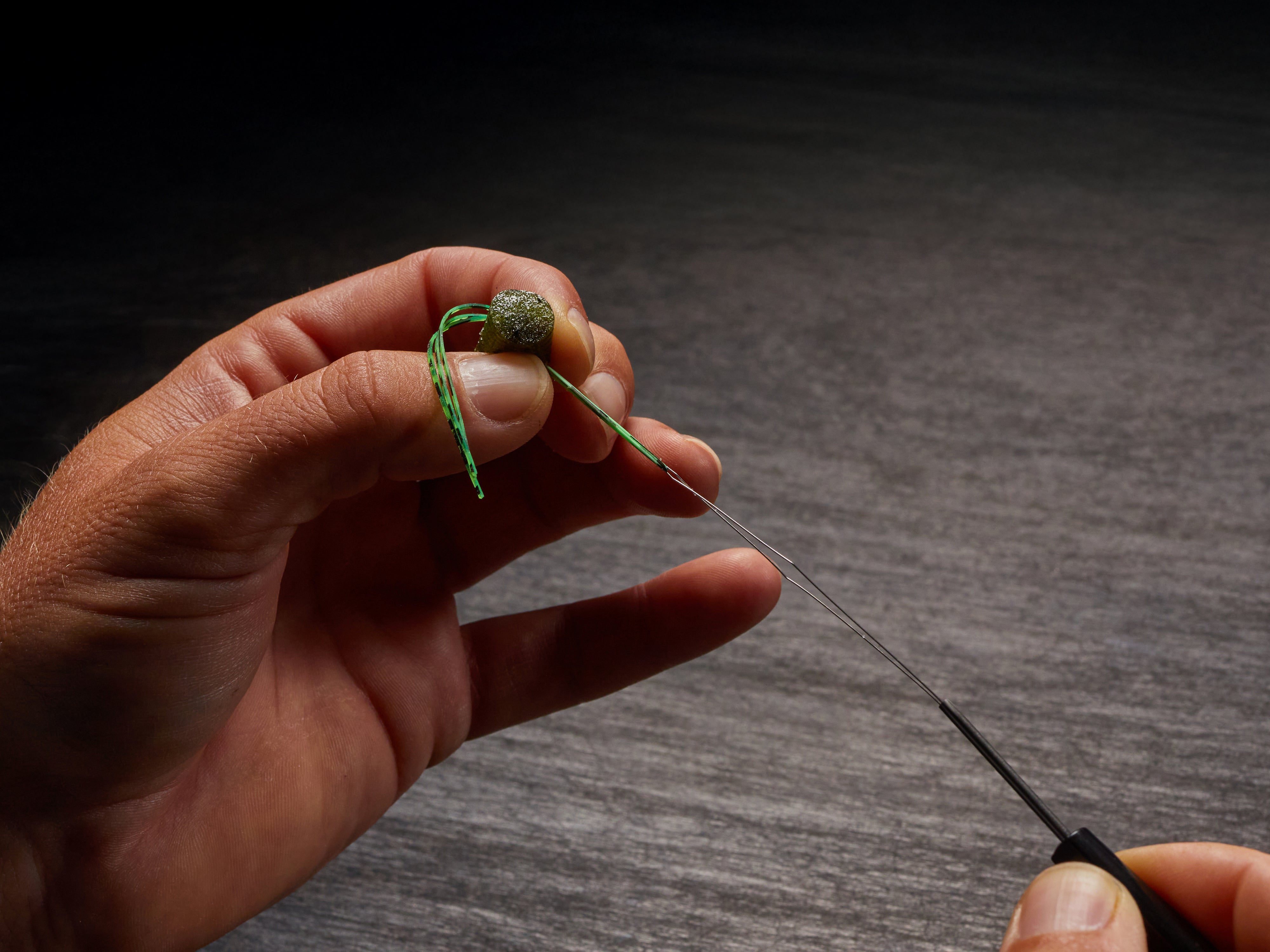
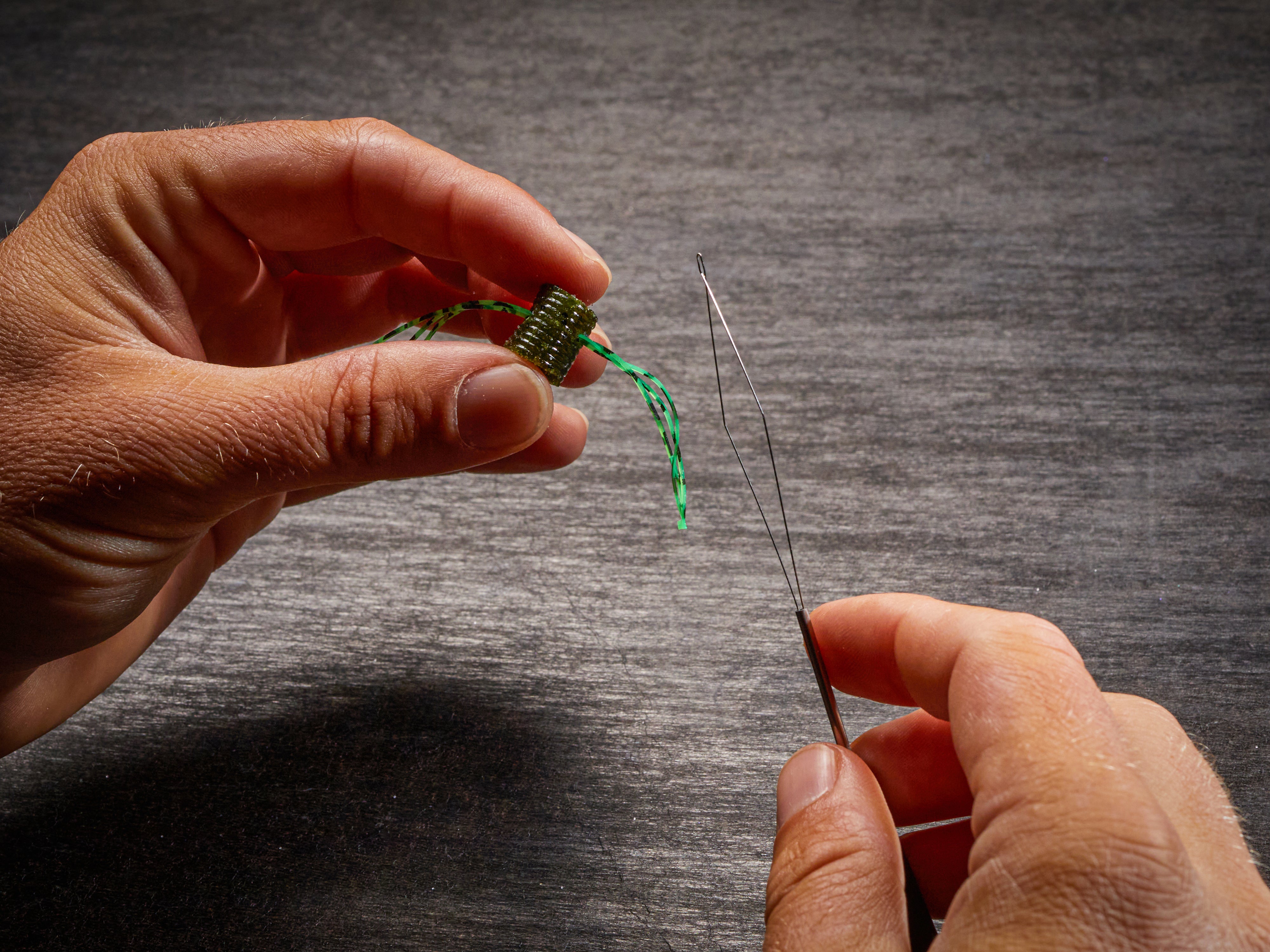
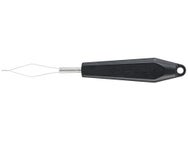
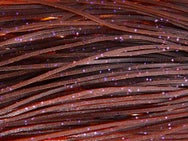
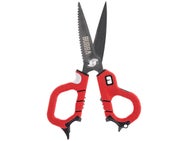
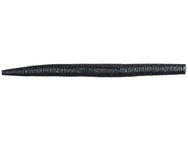
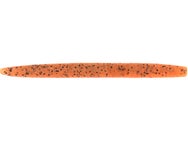
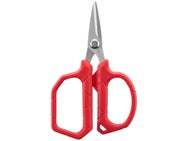
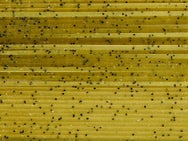
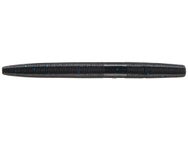
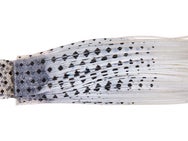
Using your favorite silicone skirt strand material, a Decoy Rubber Threader, and small sections of your favorite stick baits, you can create custom dice baits to save money and take advantage of this unique bass fishing trend. Simply attach one to three strands of silicone to the sharp wire end and flexible rubber holding section, pierce the threader through the soft plastic, and pull the skirting material back through the plastic to create new appendages.
Dice Bait Colors
Dice baits fall into a unique creature-bait category of soft-plastic lures that don’t necessarily mimic natural forage, so there’s no need to overthink color selection. If you are targeting bottom-dwelling bass over deep water with a drop shot, natural colors like shad or smoke mimic baitfish, while green pumpkin and brown shades better imitate bluegill, perch, or sunfish species. Dice baits are also highly effective for sight-fishing applications, so don’t hesitate to use bright colors like white or pink so you can easily identify them in the water when pitching to bedding bass or shallow cruisers.
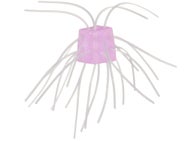
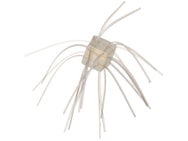
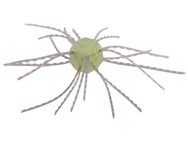
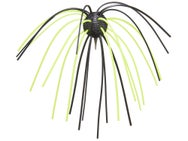
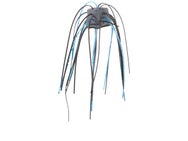
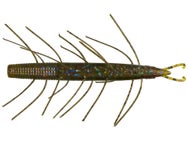

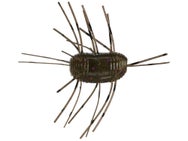
While many bass-fishing trends come and go, dice baits have cemented a spot in the arsenals of early adopters with their unique ability to capitalize on the curiosity of fish that have seen it all. Regardless of your first impression of dice baits, they’re highly effective from shallow spawning beds to offshore structure and show pressured bass something unique and completely out of the ordinary.
Frequently Asked Questions
How do you work a dice bait?
Dice baits don't require a ton of angler input and can be successfully fished much like most other finesse soft plastics by using techniques like dragging or shaking. The multiple limber "tentacles" of a dice bait readily pulse and wave, even with the slightest current. Because of this, dice baits can also be highly effective when "deadsticked" on the bottom during prolonged pauses.
What time of year do dice baits work best?
Dice baits are not seasonal and trigger largemouth, smallmouth, and spotted bass to strike 12 months of the year in both cold and warm water conditions. If conditions call for finesse tactics, a dice bait is always worth a shot!
What are some reasons why bass bite dice baits?
Whether it's due to hunger or basic curiosity, the fact that dice baits simply look like something alive or "buggy" is likely enough to trigger a response from bass. It has also been theorized that dice baits might emulate plankton or other little morsels that bass fed on when they were babies.