Examining the Art of Topwater Plopper Fishing for Bass
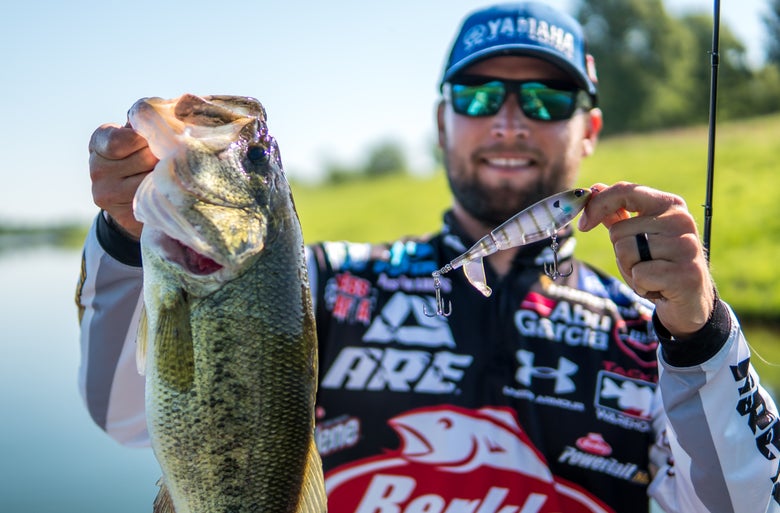
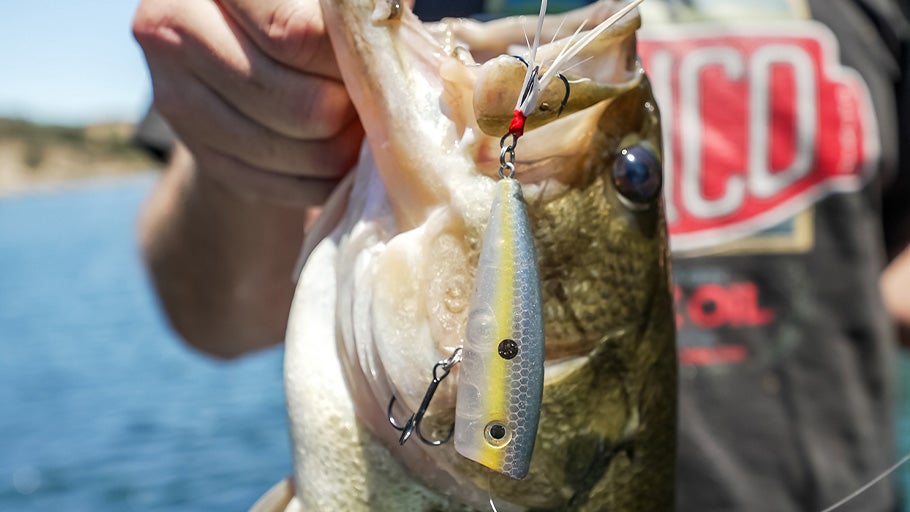
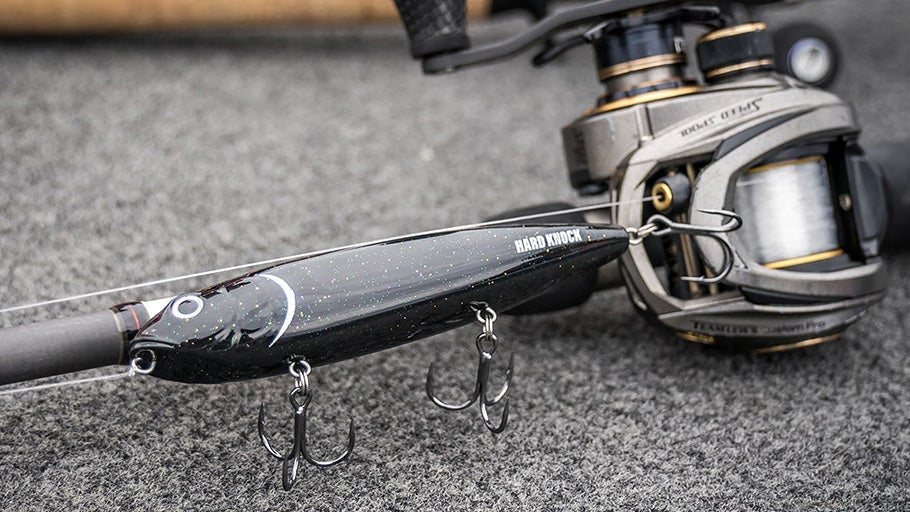
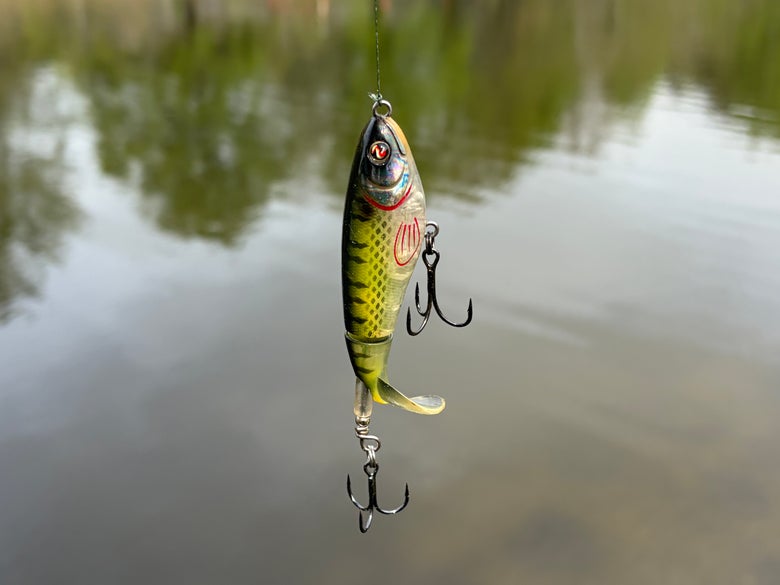
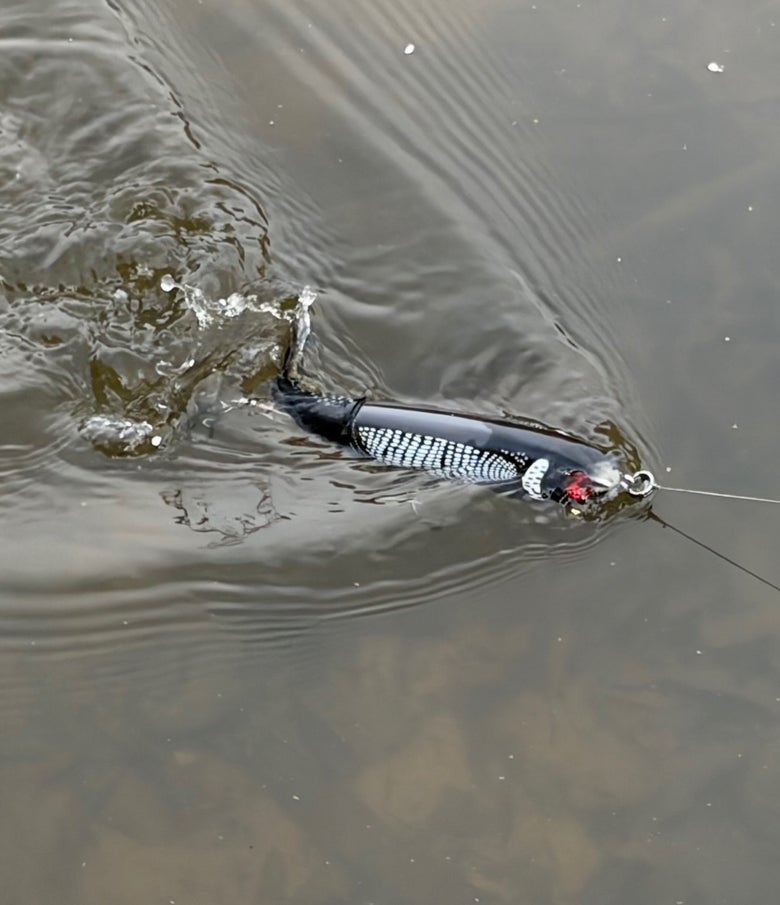
Featuring a spinning rear prop that churns water and creates a tantalizing sound as it moves across the water’s surface, a topwater plopper is a bait commonly used by bass anglers to search out and invoke bites from giant bass. Topwater ploppers can range in size from as small as 2.5 inches and 1/4 ounce to as big as 10 inches in length and over 2 ounces! Despite the varying weights and sizes, topwater ploppers generally have the same body construction and normally come with two treble hooks to generate an excellent hookup ratio.
Why Topwater Plopper Fishing Works

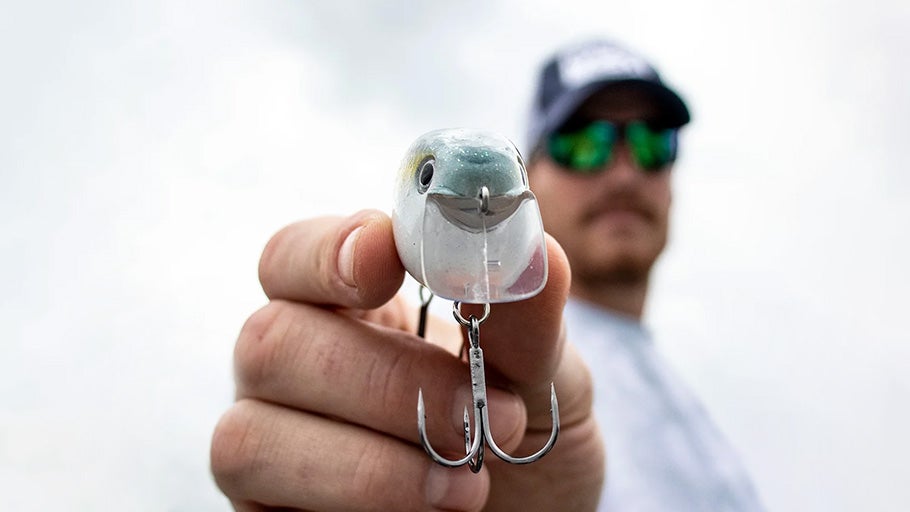
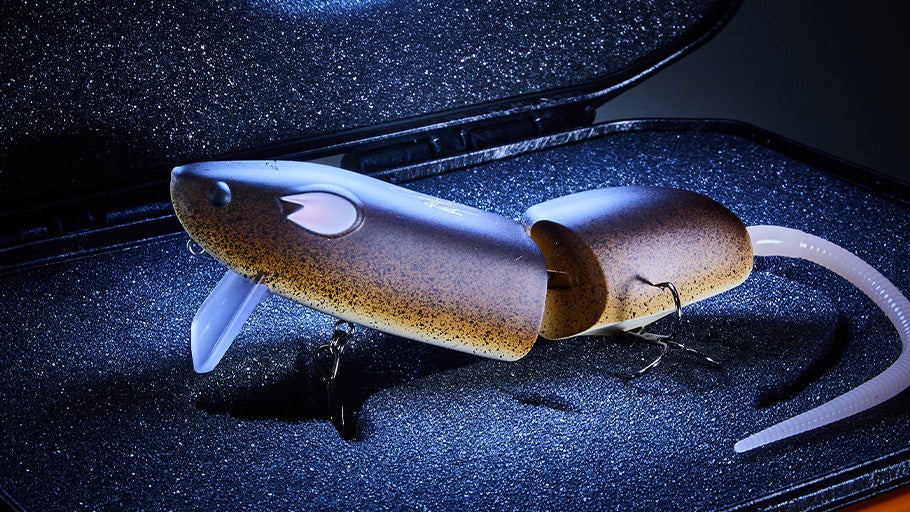
Topwater ploppers mimic various kinds of baitfish, bugs, rodents, birds, and any other small creatures that swim at the top of the water column. Bass don’t care what these baits are supposed to emulate, but they sure love to eat them!
Bass typically react to the sound, vibration, and water disturbance that a topwater plopper creates, and will often bite it out of pure curiosity and their ingrained aggressive nature. When a predatory fish sees something that's desperately fleeing, they can’t help but think it's an easy meal. Fishing a topwater plopper is one of the most exciting ways to catch bass and will often get higher quality bites, making it a popular bait for both novice and expert anglers to throw when they’re looking for a big one.
Topwater Ploppers
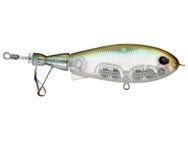
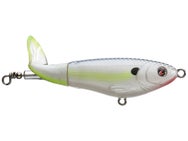
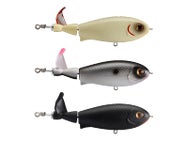
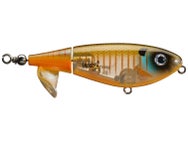
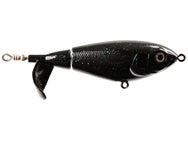
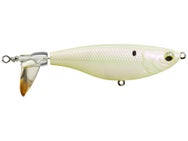
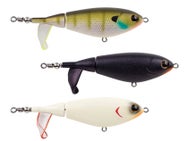
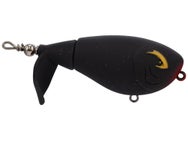
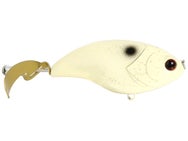
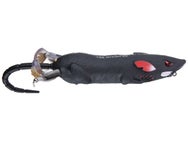
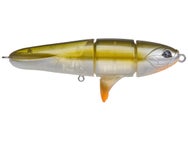
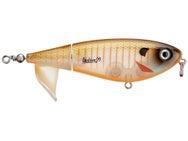
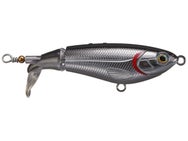
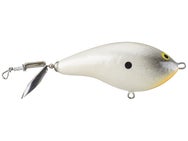
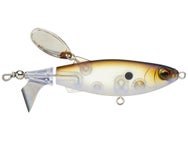
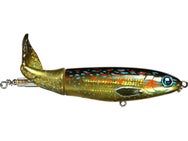
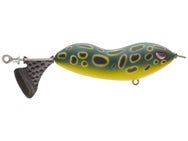
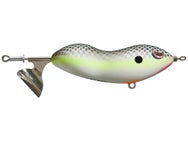
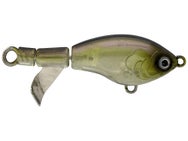
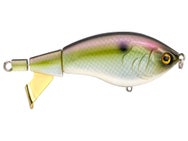

Suggested Topwater Plopper Sizes
| Length | Weight |
| 3.5" to 5" | 1/2oz to 1.5oz |
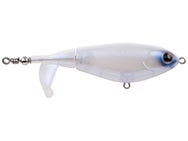
Topwater Ploppers are offered in a wide spectrum of weights and sizes. We have listed general specifications in the table above that are going to give you the most overall success when targeting bass. Our gear recommendations will be based on these suggested topwater plopper lengths and weights.
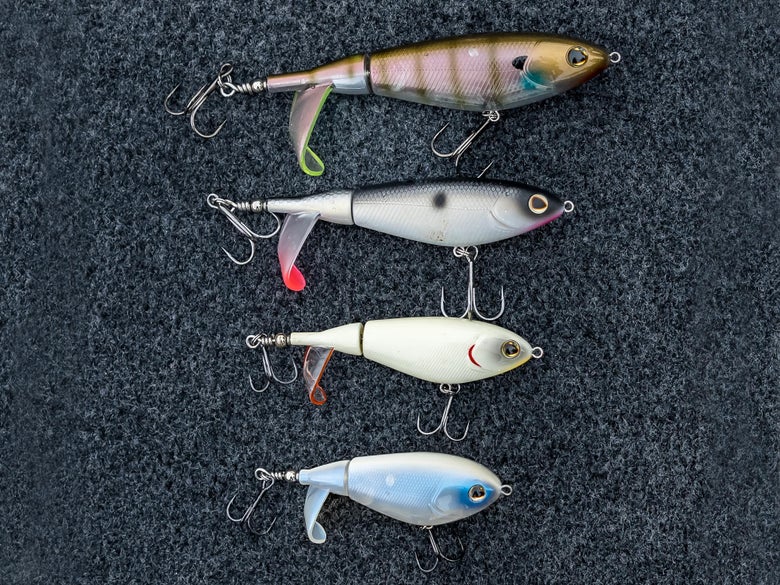
What are the best topwater plopper colors?
- Black, bone, and white are staple colors that will work in almost any situation.
- A translucent color can be a good option to switch to during clear skies and calm conditions.
- A bluegill or perch pattern can be preferred if they are prevalent in the body of water that you're fishing in. It's always a good idea to match the hatch and mimic the forage that the bass are normally feeding on.
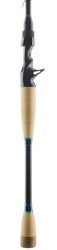
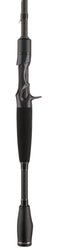
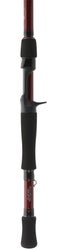
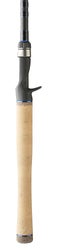
Choosing the Right Topwater Plopper Rod
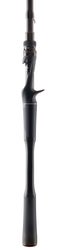
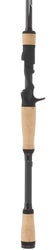
A baitcasting setup is recommended due to the enhanced casting accuracy and control around cover that it provides over spinning tackle, plus a casting setup is generally better suited for handling heavier lures and bigger fish.
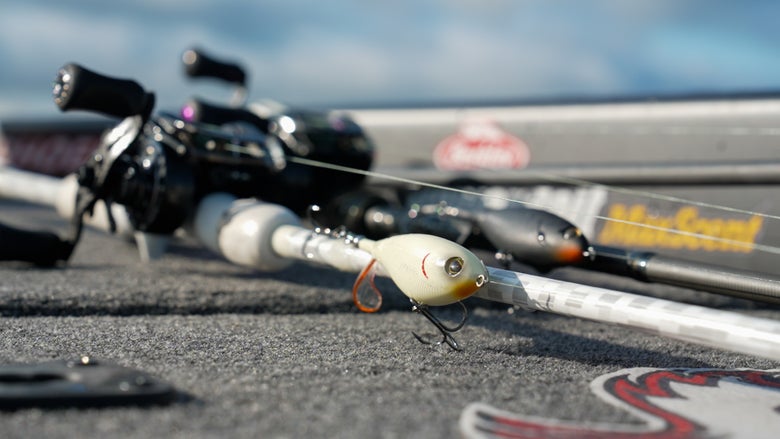
Suggested Topwater Plopper Rods
| Type | Length | Power | Taper |
| Casting | 7" to 7'11" | Medium-Heavy to Heavy | Moderate/Moderate-Fast |
What is the best rod length for a topwater plopper?
A 7” to 7 '11” length casting rod is a versatile range for accurate, short casts around cover and long-distance casts when you want to cover large areas of water.
What is the right power for a topwater plopper rod?
A medium-heavy to heavy-power rod will be perfect for battling bass and handling the weight of your average sized plopper. Remember to check the lure rating that's printed on your rod and make sure it’s rated to handle the weight of your plopper.
What is the ideal taper for a topwater plopper rod?
Using a casting rod with a moderate or moderate-fast taper is another key factor. Having a rod with a more parabolic bend throughout the blank helps increase your hookup ratio with treble hooks. Oftentimes a bass will swipe or ram the bait instead of fully engulfing it, and a rod with too fast of an action can pull the bait away from the fish before the hooks can get a good grip. A rod with a more moderate action will allow for the proper bend to let the treble hooks get a secure hold into the fish and keep them pinned.
Choosing the Right Reel for Topwater Plopper Fishing
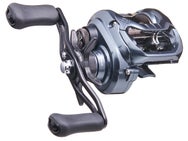
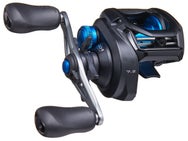
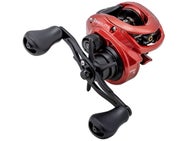
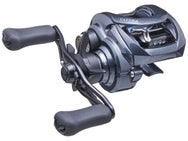
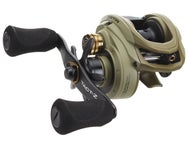
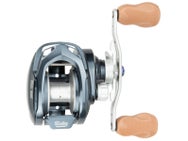
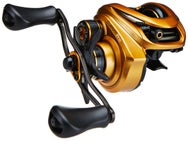
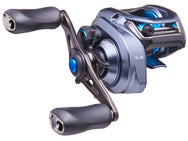
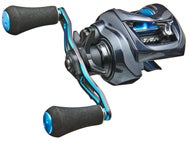
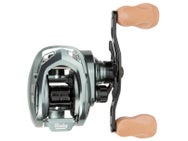
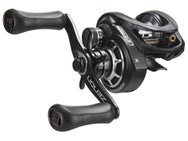
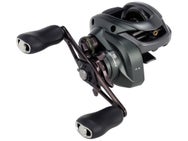
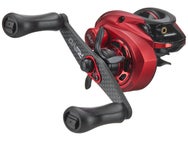
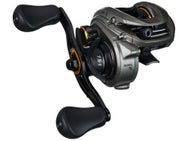
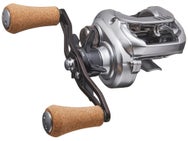
Suggested Topwater Plopper Reels
| Type | Size | Gear Ratio |
| Casting | 150 to 200 | 7.1:1 |
What size baitcasting reel is best for topwater ploppers?
A 150 to 200 size baitcasting reel gives the best blend of power and line capacity for fishing a topwater plopper.
What gear ratio is the best for fishing a topwater plopper?
A 7.1:1 gear ratio is the best overall ratio, as it lets anglers reel slow to keep the bait in the strike zone longer and also has the capability to cover water more quickly with a faster retrieve.
Choosing the Right Line for Topwater Ploppers
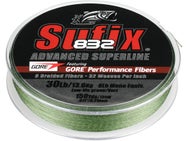
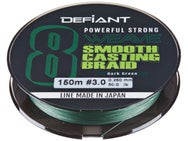
Suggested Line for Topwater Ploppers
| Type | Test |
| Braid | 30 to 65 lb |
What is the best type of line for fishing a topwater plopper?
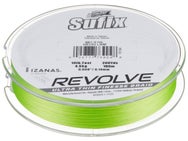
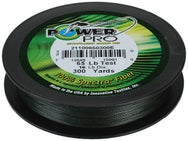
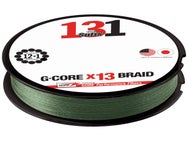
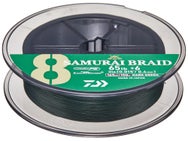
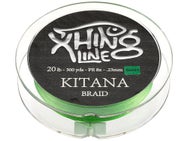
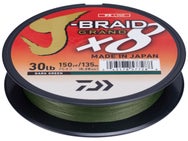
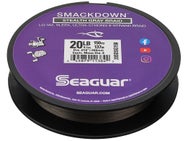
30- to 65-lb braid provides plenty of strength, no stretch, and the floating properties needed for topwater fishing. Braided lines also allow for better casting distances so you can cover more water with a plopper. Match it up with the bait size; the heavier the plopper, the higher the test line you’ll need.
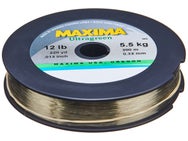
Can I use a monofilament line for fishing a topwater plopper?
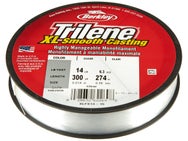
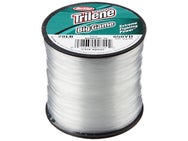
While not our first choice, you can certainly use monofilament when fishing topwater ploppers. Monofilament does float which is preferred for topwater baits, however it has a lot of stretch which may make it harder to get a good hookset at the end of a long cast.
Can I use a fluorocarbon line for fishing a topwater plopper?
Yes, you can get away with using fluorocarbon with a topwater plopper, but you’ll need to be more careful not to let its sinking properties affect your plopper’s action. It’s imperative to keep your rod tip up during the retrieve to keep the line out of the water so it has less effect on your bait. Fluorocarbon does stretch less than monofilament, resulting in a bit more hook setting power.
Should I use a leader when fishing with braid?
We typically recommend straight braid with no leader, but adding a short (1 to 2 foot) monofilament leader can have its advantages, especially with vicious bites closer to the boat. The monofilament leader can stretch and help absorb some of the shock to keep the fish hooked in close quarters with a topwater plopper.
Suggested Gear for Smaller Topwater Ploppers
| Plopper Size | Rod | Reel | Line |
| Sub 3" weighing up to 1/4oz | Light/Med-Light action Bfs or spinning rod | Compact Bfs reel/ 2500 to 3000 spinning reel | 10- to 20-lb finesse braid |
Suggested Gear for Oversized Topwater Ploppers
| Plopper Size | Rod | Reel | Line |
| Over 2 oz and 7 to 10 inches in length | 7'6" to 8' flipping stick or swimbait rod | 300 to 400 casting reel | 50- to 80-lb braid |
Topwater Plopper Modifications & Rigging
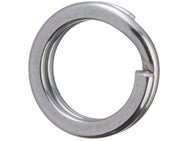
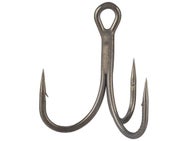
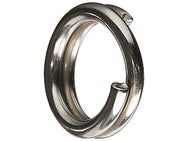
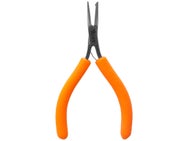
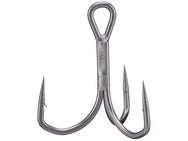
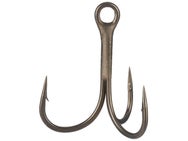
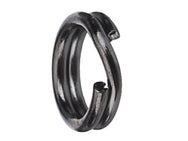
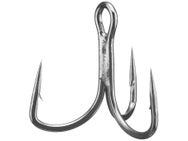
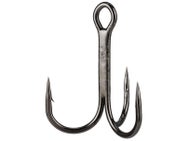
Check your bait’s hardware and switch out the stock split rings if they are weak and the hooks if they are too small or dull. Use a stronger split ring that won’t bend or break easily and bigger, sharper hooks to help increase your hookup ratio.
Another clutch tip is to add a swivel to your line tie to prevent your bait from spinning and twisting your line. When the prop tail gets clogged with debris, it can get locked up and the bait will spin and twist your line. Adding a swivel to your line tie alleviates this problem and saves your line from unnecessary damage.
When Do Topwater Ploppers Work the Best?
Conditions
Overcast, windy, low-light conditions, dawn or dusk
Water Clarity
A little stain in the water
Time of Year
From the spring all the way through late fall
Zones
- Shallow water over vegetation, near docks and laydowns
- Over rocky points and secondary points near the mouth of creeks
- Shaded pockets and fishing parallel along the bank
Water Temperature
60 to 75 degrees
How Do You Fish a Topwater Plopper?
Reeling with a medium-steady retrieve is usually the best. Faster or more aggressive retrieves may work better when the fish are more active or with choppier water conditions. Some anglers even work a topwater plopper with an occasional pause or with short rod twitches to induce bites from followers that won't commit. In general, the key is to find out what the fish want and stick to what produces bites if a steady standard retrieve isn’t working.
The Keys to Topwater Plopper Fishing
- Make a long cast and cover water
- Fish near docks and around submerged cover
- Cast under shaded pockets and fish along the bank in shallow water
- A steady retrieve with intermittent pauses or pumps of the reel handle
Key Takeaways
Fishing a topwater plopper is a great way to catch big bass from the spring through the late fall. Topwater ploppers can be used to cover tons of water and prompt bigger bites due to their unique sound and water disturbance. Whether you need a tournament kicker or you’re a casual weekend angler looking to catch your personal best, tie on a topwater plopper and enjoy the adrenaline rush when a big one bites!