Catch More Topwater Bass With Our Popper Fishing Gear Guide
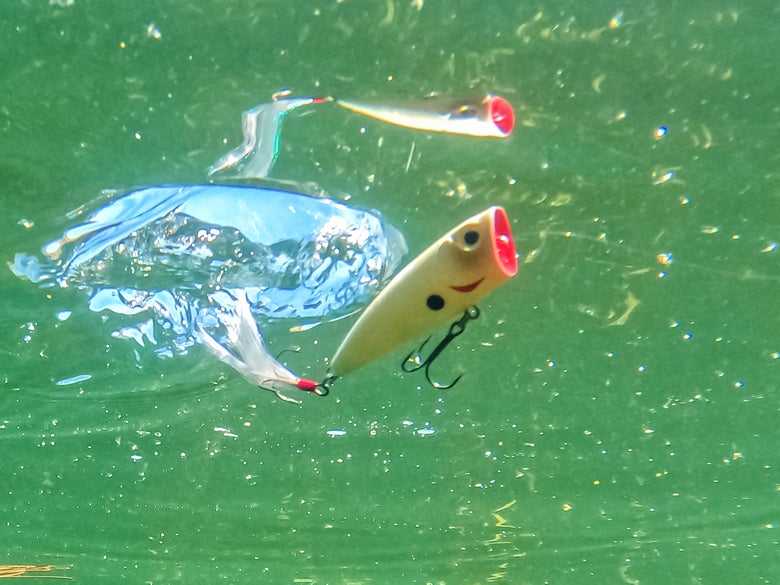
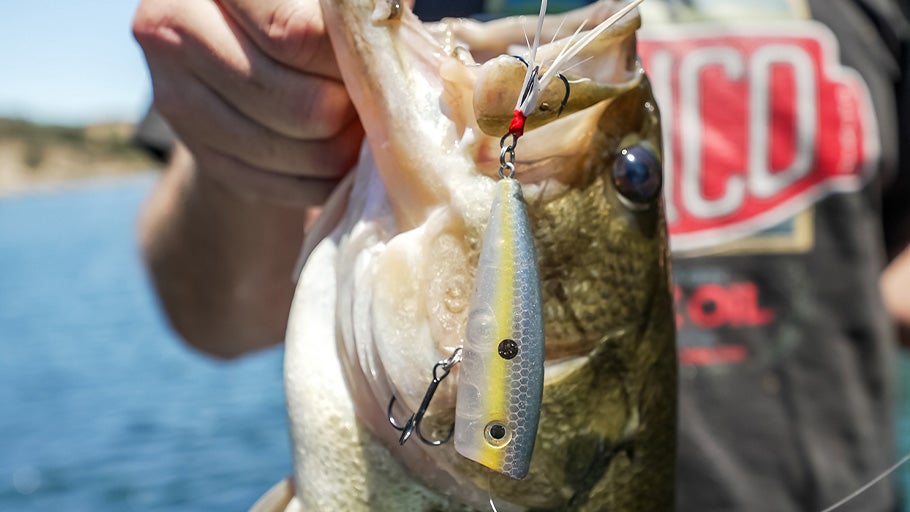
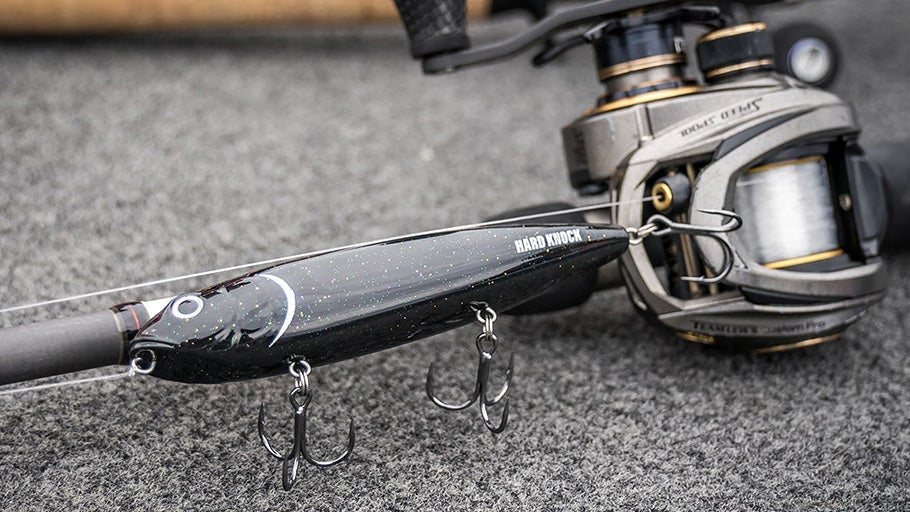
Perfect for anglers who enjoy the adrenaline rush of topwater explosions, the classic popper effectively imitates a dying or wounded baitfish that’s struggling at the surface. Built with a cupped mouth that pushes water with every twitch of the rod, poppers are designed to create plenty of sound and splash to call up bass for exciting topwater blowups.
Cast over areas of submerged grass, vegetation, trees, and structure to efficiently target bass post-spawn through the end of fall. When the temperatures rise during the summer months, fish a popper underneath overhangs, laydowns, docks, or any other canopied structure to generate bites where bass are seeking cooler water that’s shaded from direct sunlight.
Popper Rods
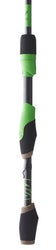
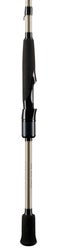
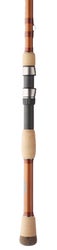
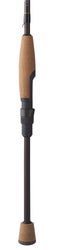
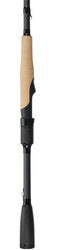
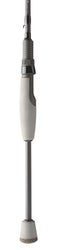
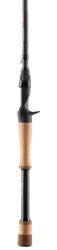
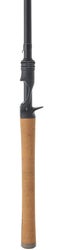
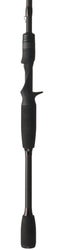
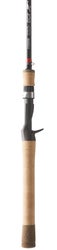
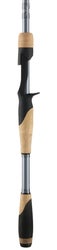
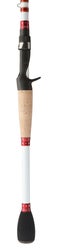
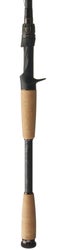
Both baitcasting and spinning rods can be proficient for fishing poppers. Typically, a spinning rod or bait-finesse setup is reserved for lighter and smaller finesse poppers, while a casting rod is perfect for standard-sized poppers ranging from 1/4 to 1/2 oz. Shorter rod lengths ranging from 6’6” to 7’0” are considered the best practice. Longer rods can be used if more casting distance is desired, but a shorter rod is preferred for better casting accuracy and increasing your ability to work the bait around tight cover. A medium to medium-heavy power rod with a moderate to fast taper will give you the best hookup ratio with treble hooks, while the softer tip of a more moderate taper helps maintain consistent pressure during the fight.
Popper Reels
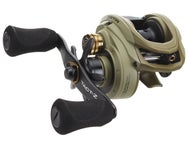
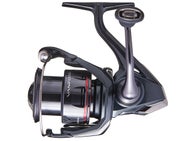
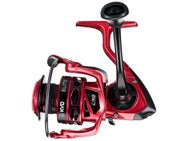
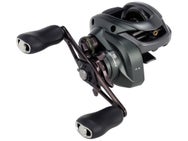
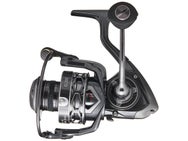
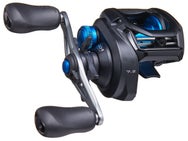
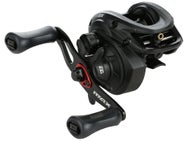
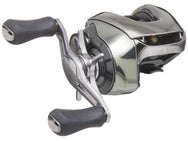
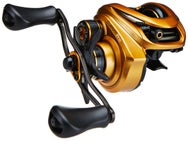
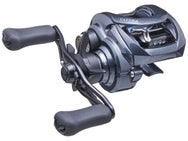
The lightweight, compact size of 70–100 baitcasting reels makes them comfortable to palm and perfect for casting and working poppers. A casting reel with a 7.0:1 to 8.0:1 gear ratio is often preferred to help you pick up your line quickly. When working isolated shade and cover, a faster gear ratio allows you to reel in your bait quickly and make more casts.
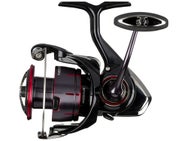
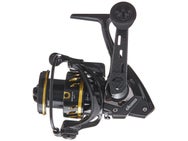
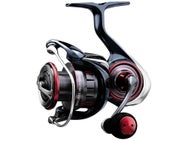
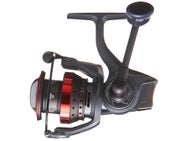
For a finesse setup, a 2000- to 3000-size spinning reel or BFS reel allows you to cast small finesse poppers with distance and accuracy. Any gear ratio will suffice for your spinning setup, while a faster 7.0:1 to 8.0:1 gear ratio is preferred to help offset the smaller spool on a BFS reel.
Popper Line
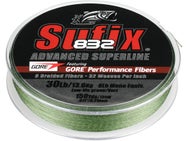
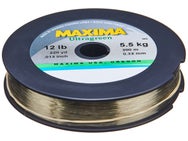
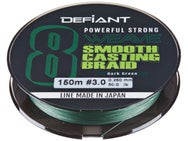
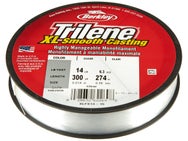
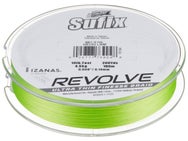
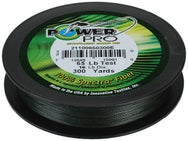
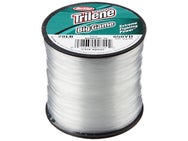
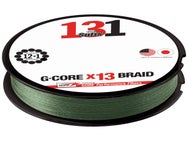
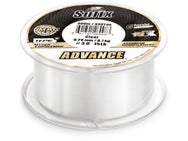
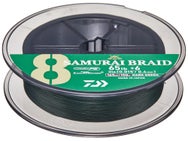
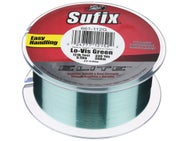
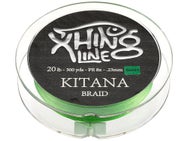
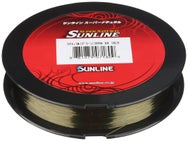
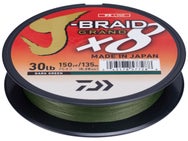
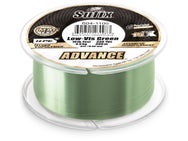
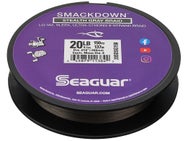
Use a floating line, like braid or monofilament, and avoid using fluorocarbon or any other line that sinks. Sinking lines can foul up your bait and reduce your ability to impart the natural action that attracts fish.
A 15- to 30-lb braid or 10- to 20-lb monofilament mainline will do the trick for a standard 1/4-oz to 1/2-oz popper, and a lighter line could be used when dealing with lighter poppers for more finesse applications. Many anglers opt for a braided mainline with a monofilament leader for the best of both worlds. Braid increases sensitivity, and the monofilament leader absorbs shock when a monster bass takes hold of your bait.
Popper Modifications & Rigging
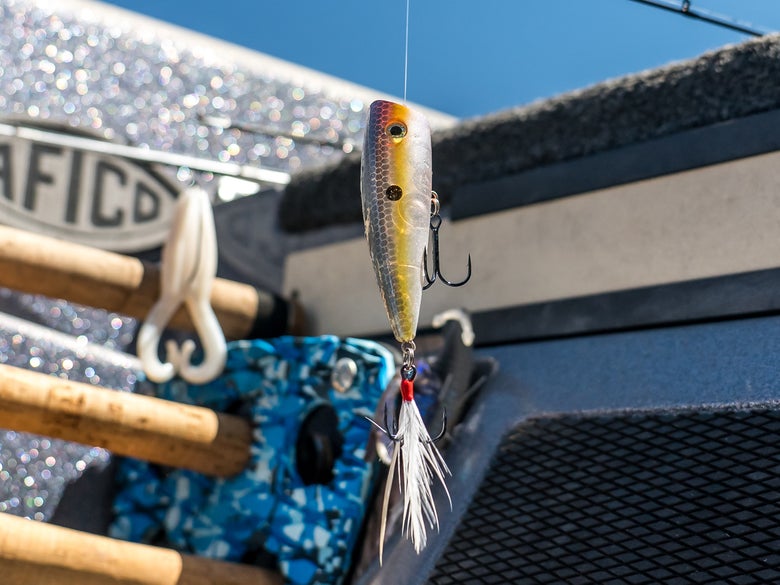
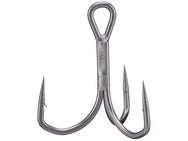
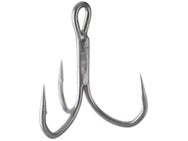
The stock hooks on hardbaits are usually not the best, so it can be advantageous to swap them out for sharper, sturdier hooks to increase your hookup ratio. Try exploring different hook sizes to change the bait’s weight distribution and modify how the popper sits in the water.
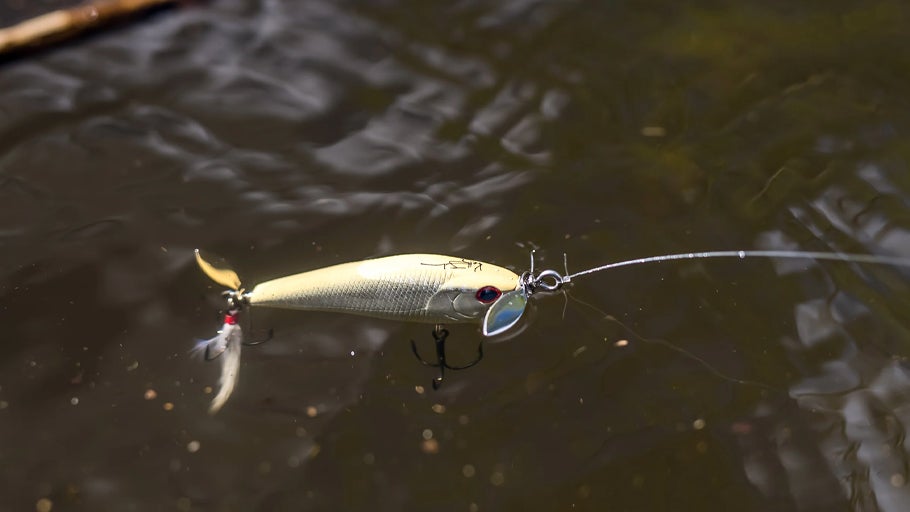
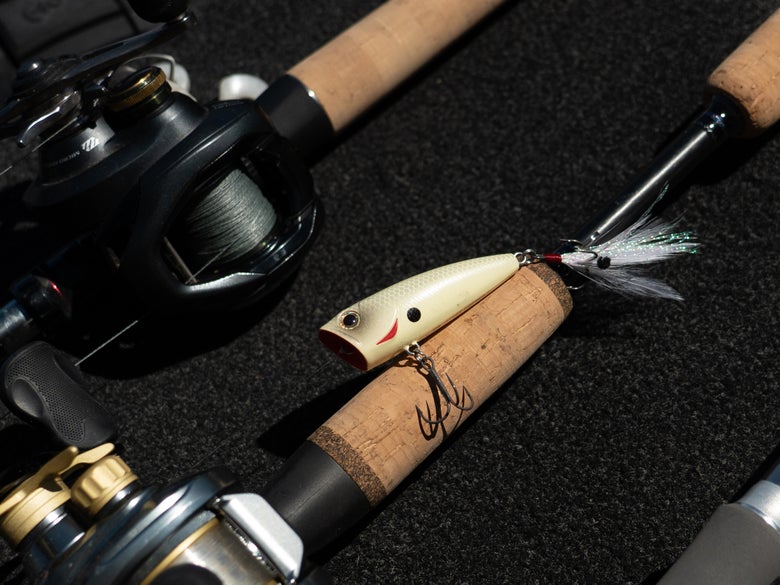
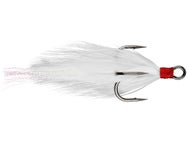
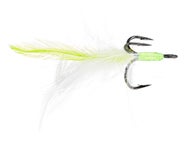
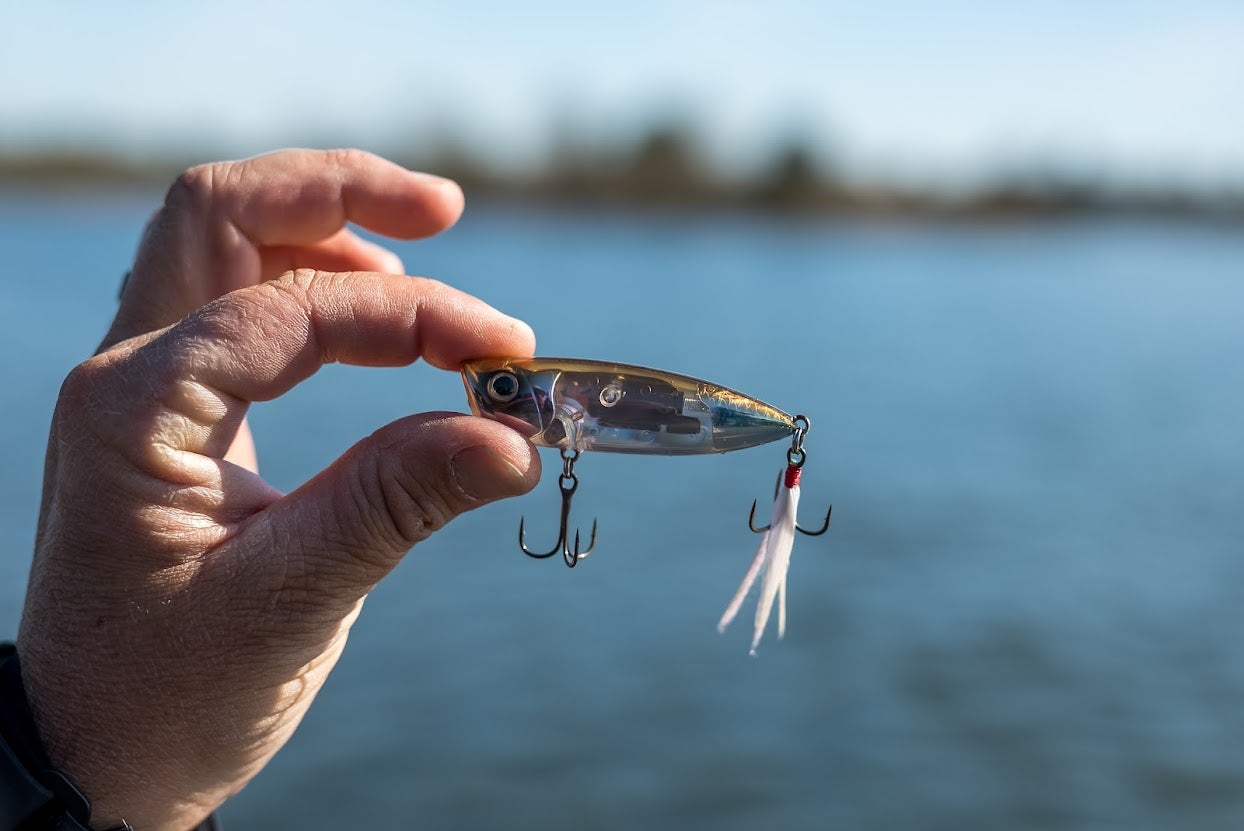
Adding a red treble to the front hook near the gills, or both the front and back, can create the illusion of a bleeding baitfish and increase the drawing power of your presentation. Add a feathered treble on the back if your popper doesn’t already have one to create a more natural, flowing presentation. Try starting with a feathered treble that complements the color of your popper.
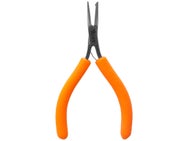
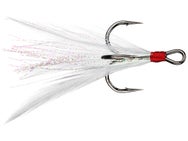
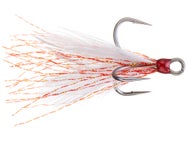
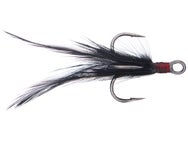
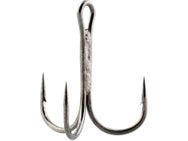
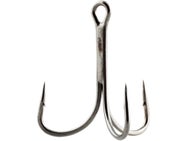
Additionally, tying on your popper with a loop knot can help increase its action and make it walk more freely.
Popper Colors
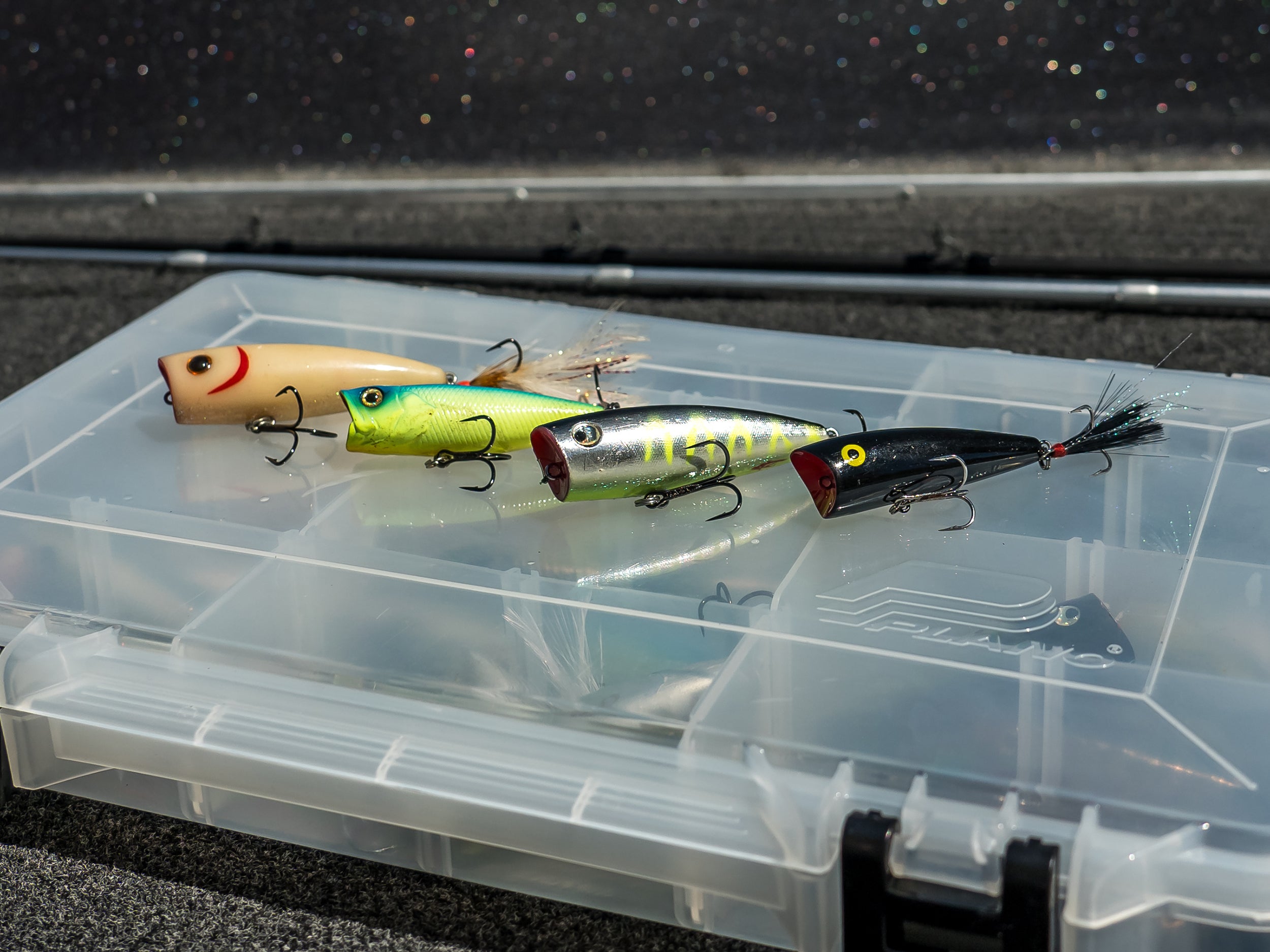
White, shad, bone, or bluegill patterns are very popular. Look at what the fish are feeding on and try to mimic natural forage as best as you can, especially in ultra-clear water situations. Other factors like time of day and water clarity can also determine the best color choice. In low-light or dirty-water situations, a solid white, black, or dark color will make a more noticeable silhouette for fish to see at the top of the water column. For ultra-clear water and sunny days, a translucent color may be the best option, or maybe even a chrome variation that reflects sunlight down in the water to catch a fish’s eye.
.jpg)
Popper Techniques
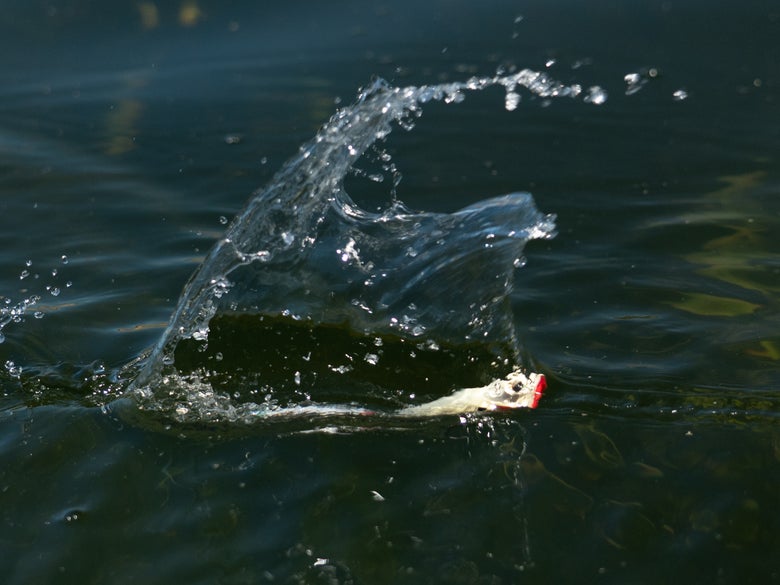
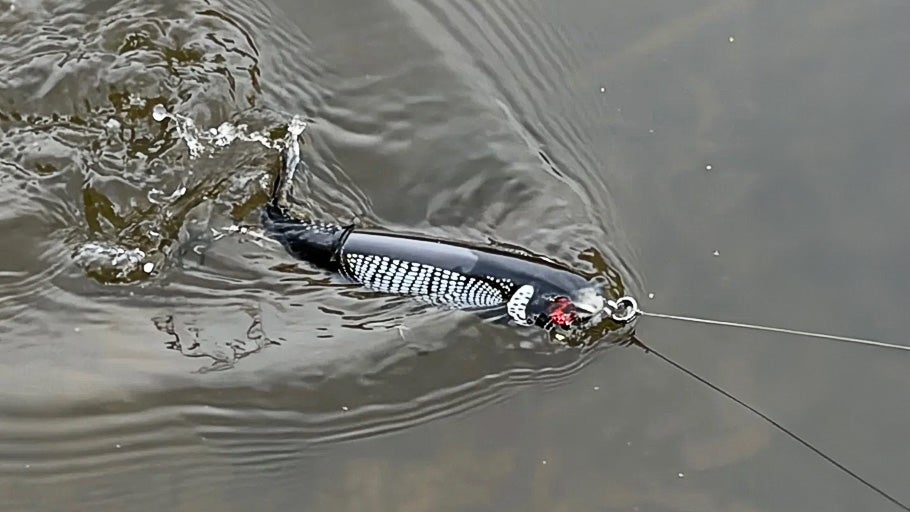
Anglers can work a popper with a basic “twitch, twitch, pause” that mimics the action of a dying or struggling baitfish. Each twitch creates a splash of water and a unique “blooping” sound that draws fish in from great distances. When paused, fish are able to come close and inspect the bait, with the next twitch of the rod often initiating a quick reaction strike.
Try slowing down, speeding up, or changing the cadence to find out what works best for the fish on any given day. Twitch the rod with the tip pointed toward the water to get the best action out of the bait. Short, constant twitches with a semi-slack line can even create a walking action with a popper, as most poppers today are designed long enough and shaped appropriately to walk the dog quite well.
Frequently Asked Questions About Poppers?
What size popper should I use?
Choose a popper between 2 to 3.5 inches in length and weighing around 1/4oz to 1/2oz. A popper in this size range will be the best for most of your popper fishing needs. Also, check the lure weight rating on your rod to make sure it is designed to handle the weight of the popper that you are using.
What water temperatures are best for fishing a popper?
Generally water temperatures between 60 and 80 degrees is the best for fishing a popper. Bass tend to be more active and willing to bite topwater baits in this temperature range.
When is the best time of day to fish a popper?
Low light conditions are the best time to fish a popper, early morning or later in the day when the sun is going down. Also overcast conditions or in shaded areas will help bass key-in and bite a surface bait like a popper.