Paddle Tail Swimbaits Gear Guide
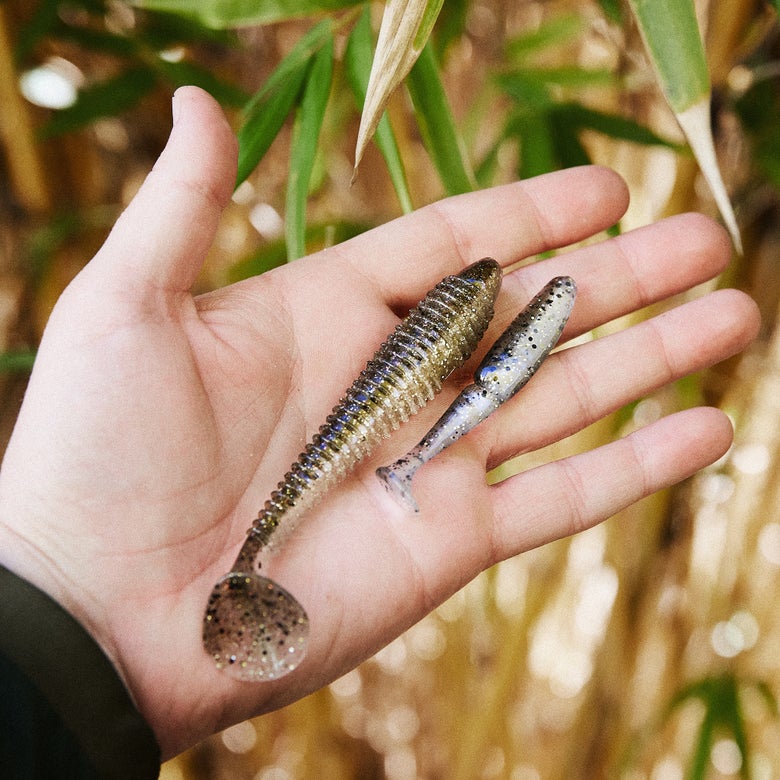
An all-season imitator of baitfish big and small, there's no wrong time of year to throw a soft paddle tail swimbait. They come in an almost limitless number of sizes and textures, allowing anglers to dial-in their presentation to exaclty the forage in your local fishery.
Classifying Paddle Tail Swimbaits
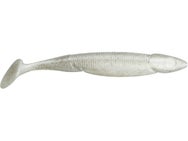
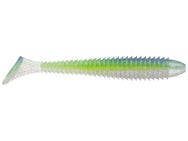
Most paddle tail swimbaits range in size between 2-to-6-inches with some outliers that are slightly smaller and slightly bigger. To help provide the clearest use case for each swimbait type we have classified them into two categories: finesse swimbaits (2-3.5") and medium-size swimbaits (4-6")
By categorizing paddle tails into finesse and mid-size swimbaits, our goal is to provide a gear recommendation and take a closer look at how your rigging methods or approach may vary based on the season and what size you choose to throw.
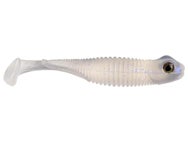
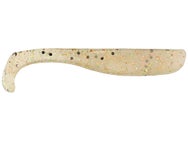
Finesse Paddle Tail Swimbaits
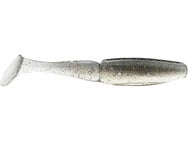
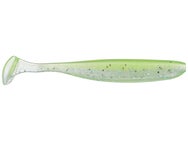
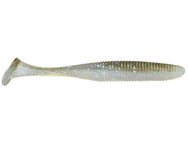
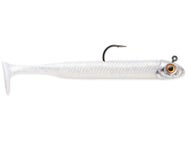
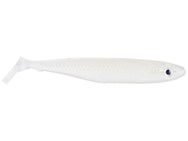
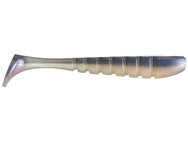
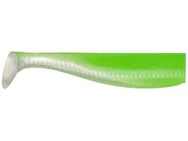
Great for mimicking all kinds of small forage that bass simply love to feed on, these smaller bite-size swimbaits flat out get bit all throughout the country. And even better, they can be thrown with virtually any spinning rod, which makes them highly versatile. Anytime the fish appear to be keyed in on smaller baitfish, a finesse paddle tail is a great option, offering anglers endless light-line rigging options, including swimbait heads, ball heads, small extra-wide gap hooks, or even on a drop shot.
Mid-Size Paddle Tail Swimbaits
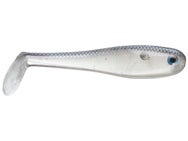
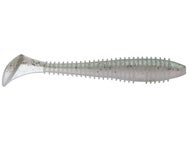
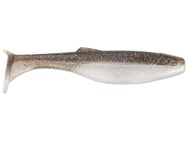
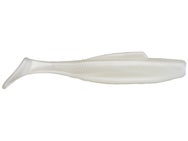
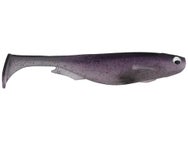
Anytime you have threadfin shad, baitfish, or any kind of medium-sized forage in your waters, upsizing your paddle tail to a 'standard' or mid-size swimbait in the 4" to 6" range not only matches the hatch but also opens the door for bigger bites. While still considered modest in comparison to larger swimbaits, mid-size paddle tails often require heavier gear than their bite-sized finesse counterpart, so many anglers prefer to throw them using the added leverage of a casting rod.
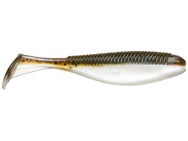
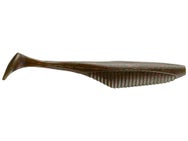
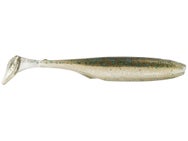
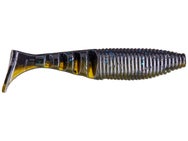
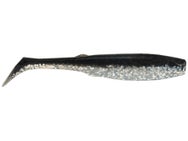
Paddle Tail Swimbait Tackle Suggestions
Finesse Paddle Tail Swimbaits (2- to 3.5-inches)
Mid-Size Paddle Tail Swimbaits (4- to 6-inches)
Rod Suggestions
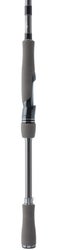
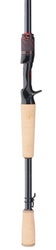
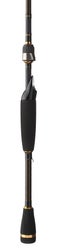
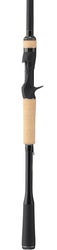
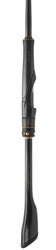
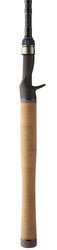
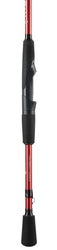
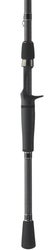
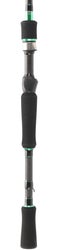
The spinning rod is the tool of choice when you are throwing lightweight tackle and finesse-sized paddle tail swimbaits. A slightly longer 7'3"–7'6" medium-power, fast-tapered spinning rod would be ideal, as it allows the rod tip to load up quickly for positive hooksets.
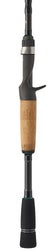
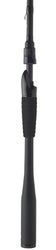
Anything from a shorter medium-action casting rod all the way up to a flipping stick could pair nicely depending on your tackle. Generally speaking, if you were using a 5" paddle tail with a 3/8-oz jig head, any medium-heavy rod in the 7'3" to 7'6" range with a moderate-fast bend would provide the right blend of power and length to get the job done.
Reel Suggestions
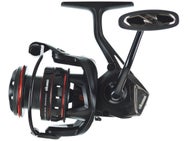
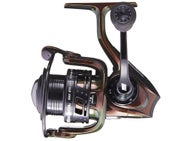
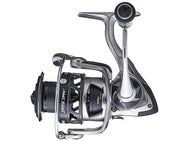
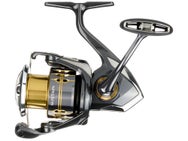
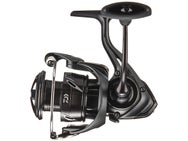
Spinning reel sizing mostly comes down to angler preference, but considering this is a light-line finesse tactic, often smaller and more lightweight tackle is preferred. Any 1000–3000 size spinning reel can be used here based on preference; just try to balance your line capacity with a reel size that you feel comfortable using to make repeated casts.
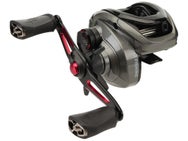
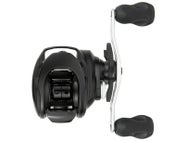
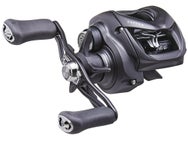
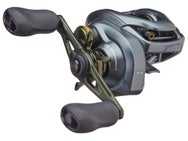
A casting reel with a 7:1 gear ratio allows you to speed up or slow down your retrieve when needed, but if you tend to fish a little fast, a 6:1 gear ratio is a great choice when you need to force yourself to slow down. Line capacity is crucial for making long casts and fishing deeper water, so look for a casting reel in the 150–200 size when using mid-size paddle tails to allow you to make a long cast and fish it deeper when needed.
Line Suggestions
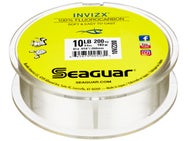
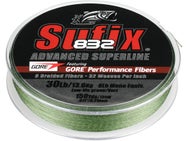
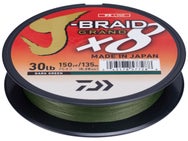
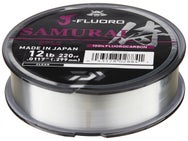
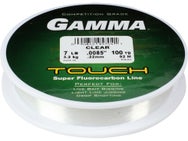
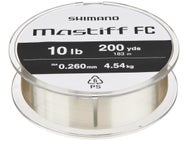
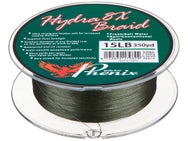
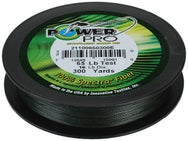
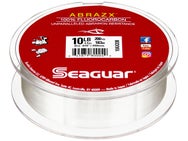
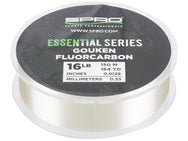
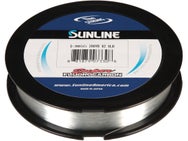
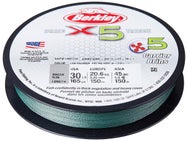
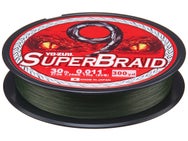
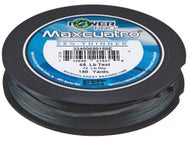
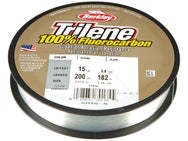
Many anglers would agree that braided mainline to fluorocarbon leader provides the best combination of strength, sensitivity, and invisibility for all spinning rod applications. Try using a braided mainline in the 8- to 15-lb range accompanied by a 6- to 10-lb fluorocarbon leader. In certain situations, like when you're targeting suspended fish, a straight fluorocarbon setup provides a faster rate of fall that helps small baits reach their targeted depth a little quicker. Any fluorocarbon in the 6- to 10-lb range should suffice for such scenarios.
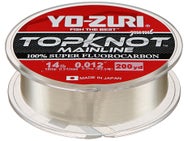
Most anglers prefer the translucent properties of fluorocarbon line in the 8- to 20-lb range, with 12 lb being the sweet spot for a 'standard' size paddle tail in most situations. Step up your line size if you are fishing larger paddle tail swimbaits or navigating abrasive cover. When you are primarily fishing open water or fishing smaller baits, go ahead and step down your line size.
Rigging Methods
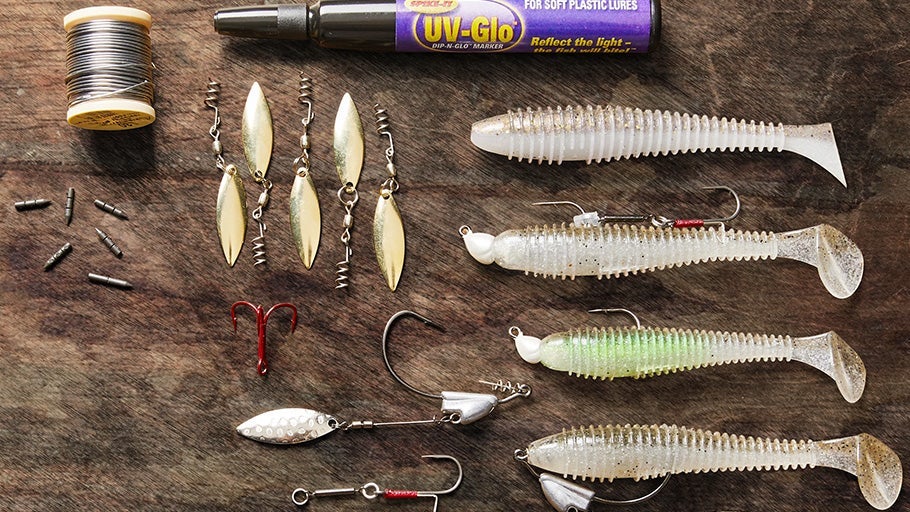
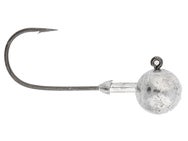
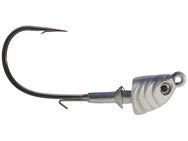
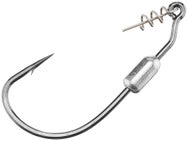
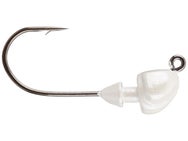
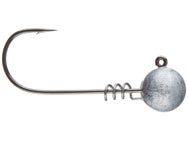
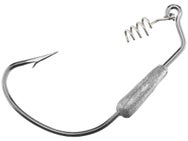
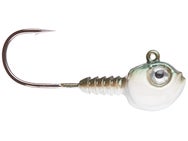
Generally, paddle tail swimbaits can be rigged on swimbait jig heads of varying styles when fishing open water or near rocky bottoms. A more natural head may be necessary if you're targeting suspending fish or fishing open water. A ball head works great if you're reeling your swimbait over rocks since it tends to hang up less. And a swimbait head with a weedguard reduces snags when dealing with complex cover. Finesse paddle tail swimbaits offer even more options by providing the versatility to be nose-rigged on a drop shot.
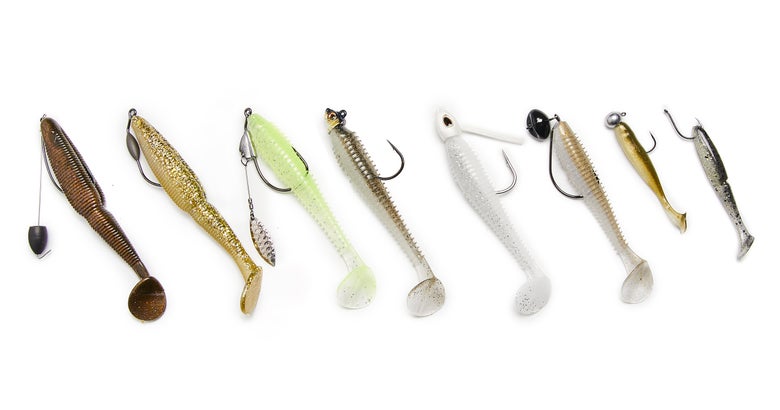
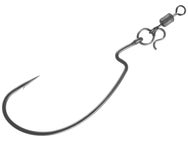
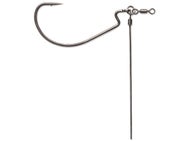
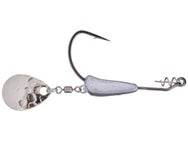
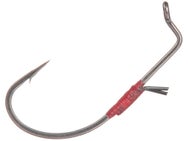
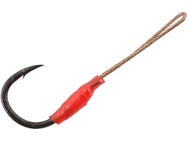
When fishing areas with brush, grass, or heavy vegetation, weedless belly weighted hooks are often a great choice, as they come through wood, grass, and all kinds of cover with ease. Weighted swimbait hooks are also commonly offered with a spinner blade attached to the belly to add an extra element of flash and vibration to your presentation. If you are marking schools of fish holding in deeper water, consider alternate rigging methods like using your jig rod and rigging a paddle tail on the back of a Tokyo rig or wobble head. Paddle tail swimbaits also make great trailers and pair well with bladed jigs, spinnerbaits, and swim jigs.
Tips & Tricks
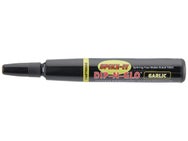
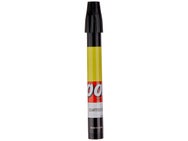
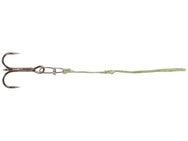
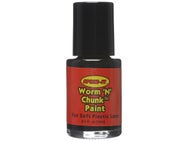
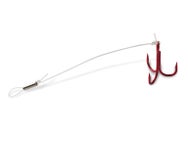
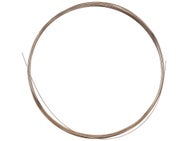
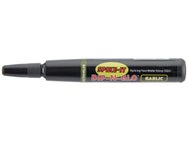
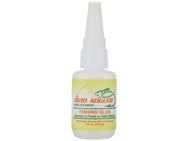
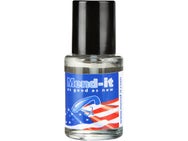
Typically, the key to getting bites involves focusing on reeling the lure close to the bottom, so you'll want to have some bottom contact during your retrieve to ensure the lure is staying within the strike zone. Experiment with running a chartreuse marker down the lateral line of your swimbait or using an orange marker to add a touch of color to the chin of your bait; sometimes these kinds of adjustments can make all the difference. To better secure your paddle tail to your swimbait head, add a little glue to the nose of your swimbait and the inside of the jig head. During the colder months, consider using a stinger hook to improve your hook-up ratio, especially when bites are coming few and far between. Put simply, a stinger hook is an additional single or treble hook that extends toward the back of your paddle tail to reduce short strikes from non-committal fish.
Colors
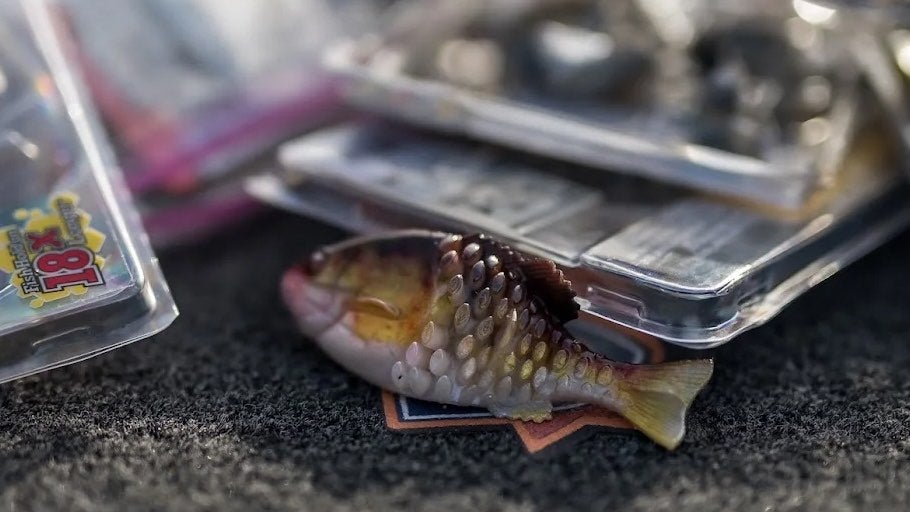
Shad and natural baitfish patterns are the staple colors for paddle tail swimbaits and get bites pretty much anywhere, but you also want to account for the season and primary forage in the waters you are fishing when selecting a color. When bluegills and sunfish move shallow to spawn during the spring months, colors that mimic these fish may be the most productive. If you reside in the Midwest where yellow perch are often the primary forage for smallmouth, consider using a paddle tail swimbait that resembles a perch. Translucent colors with flake will excel when the sun is high or the water is gin clear, but when fishing low-light conditions or heavily stained water, solid colors like black, white, or chartreuse tend to create a better profile for the fish to zero in on.
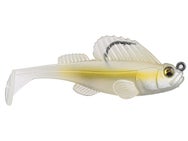
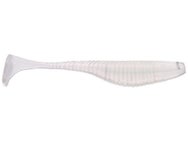
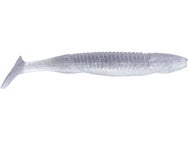
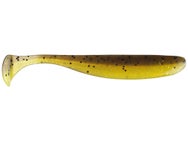
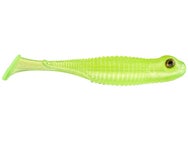
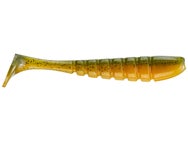
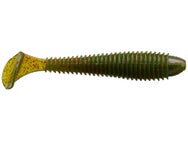
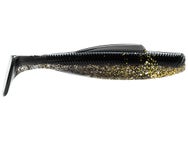
The paddle tail swimbait is a versatile search bait that provides the angler with an effective tool for covering water and locating fish. With endless color options, rigging methods, and retrieval styles to perfectly match your water's forage and fish's temperament, every angler's arsenal should include a few basic rigging options for throwing a soft swimbait.
Frequently Asked Paddle Tail Swimbait Questions
What size paddle tail swimbait should I use?
To determine the size of paddle tail that best fits your fishing conditions, try and match the size of forage in your fishery. If bass are keyed in on fry and small baitfish, the smaller 2- to 4-inch paddle tail swimbaits are a good starting point. If bass are chasing down larger threadfin or shiner, opting for larger 5-, 6- and even 7-inch swimbaits will like be the key for success.
What is the best way to rig a paddle tail swimbait?
Some of the most popular techinques for paddle tail swimbaits are: on a swimbait jighead, with an EWG swimbait hook, or on a jig (whether it's a swim jig, vibrating jig, or swinging jig).
How do you fish a paddle tail swimbait?
The optimal retreive for you paddle tail swimbait is going to be dictated by two factors: the activity level of bass and where you are fishing in the water column. When fishing the bait shallower in warmer water, a quick retreive involving erratic pauses will provide the inconsistency and speed necessary to get fish to bit. In the dead of winter when fish are slow and lethargic, fishing deeper with a slower, more deliberate retrieve is your best bet at conjuring a bite.
What color of paddle tail swimbait works best?
Shad and natural baitfish patterns are staple colors for paddle tail swimbaits, but matching your color to the season and primary forage can help you get more bites. Mimic bluegill during the spring spawn, perch when targeting smallmouth in the Midwest, and shad or other baitfish in most situations. Translucent, flake-heavy colors excel in clear water and bright conditions, while solid colors like black, white, or chartreuse create a stronger profile in low-light or stained water.