
Gear Guide
Texas Rig Gear Guide

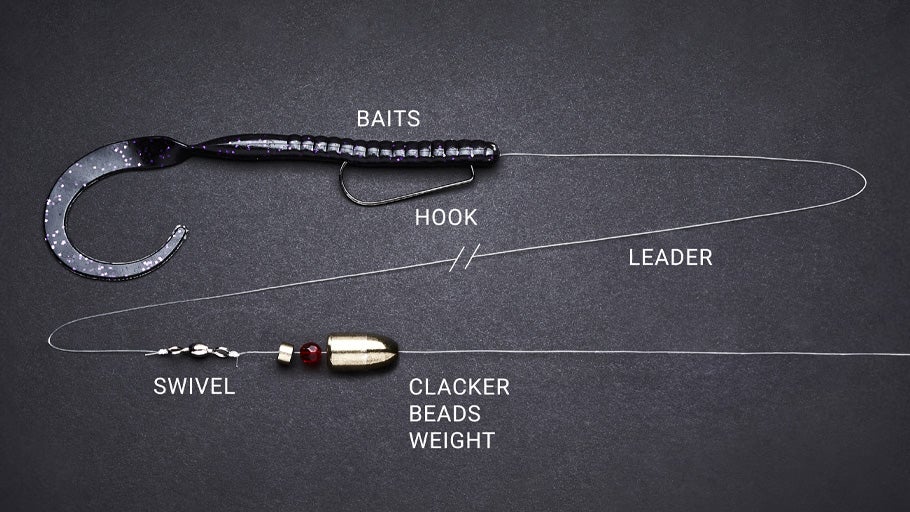
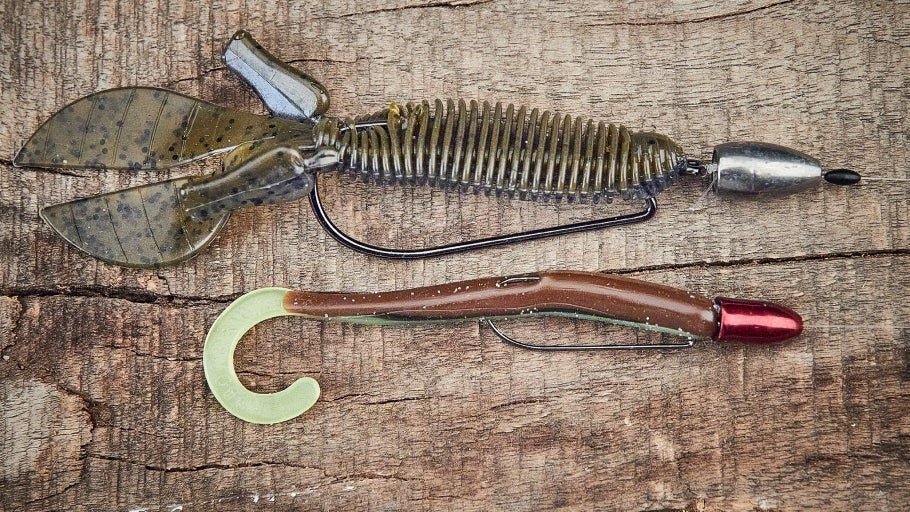
Popularized in Japan and gaining traction around the world, the free rig shares some of the same fish-catching attributes of a Texas rig, but with a sinker that slides up and down the line more freely than an unpegged bullet weight. The enlarged opening on a free rig weight allows it to fall quickly, so soft plastics hover in the strike zone with a natural free-flowing appearance and unique falling action as they glide slowly through the water column.
A recipe for success in the hands of any new angler looking to get bit, the free rig is a fun and productive bass-fishing tactic that provides the rigging versatility to customize your hooks, weights, and soft plastics based on the situation. In this article, we’ll explore the optimal finesse and power fishing tackle setups for free rigs, dive into the wide scope of rigging options, and give some insight into color selection.
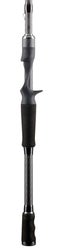
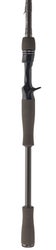
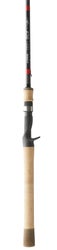
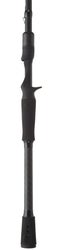
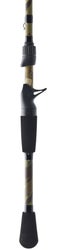
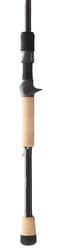
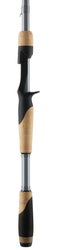
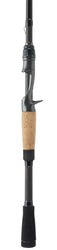
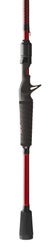
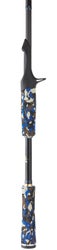
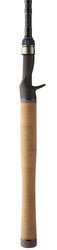
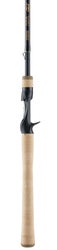
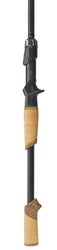
Free rigs provide opportunities to catch fish with heavy-duty casting gear or your favorite finesse-spinning setup, so the ideal rod is going to depend on preference, your approach, and what kind of cover you’re dealing with. For most situations, the same rod you would use for a casting jig or Texas rig is going to perform well as an all-purpose rod for free-rig applications. A medium-heavy 7’ to 7’6” casting rod with a fast to extra-fast taper allows the rod to bend quickly near the tip and load into the backbone for positive hooksets. If you’re targeting highly pressured or finicky fish, try throwing the free rig on your favorite spinning rod and downsizing your hooks, weights, and lures.

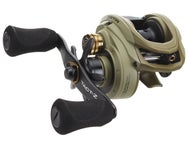
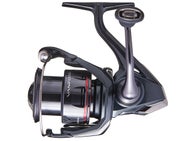
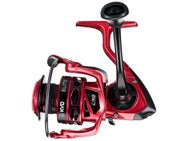
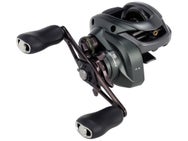
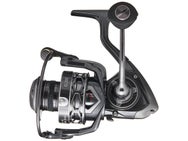
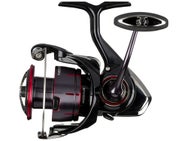
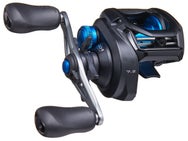
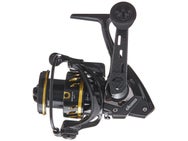
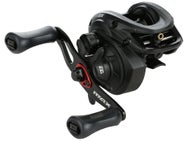
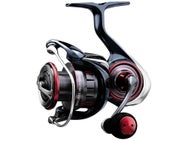
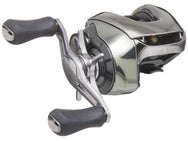
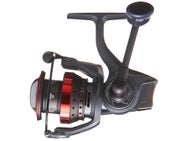
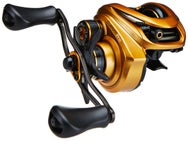
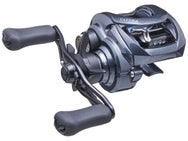
As we mentioned before, your favorite jig setup is a great place to start when fishing the free rig, and a compact 100- to 150-size baitcasting reel is often preferred so you can easily keep your fingers in direct contact with the blank and line to detect bites. Just like with a Texas rig, the free rig doesn’t require specialized fishing equipment, but you may want the added speed of a 7:1 gear ratio or faster to pick up line quickly to deliver a solid hookset. If you’re fishing the free rig on spinning tackle, the gear ratio and reel size are less important, as any 2000 to 3000 spinning reel that holds plenty of your desired fishing line will get the job done.
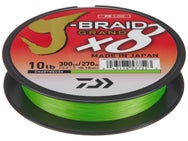
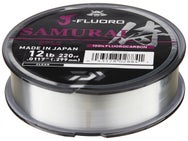
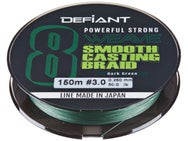
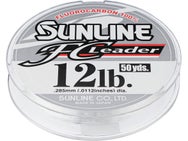
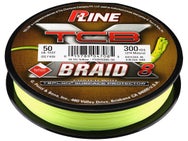
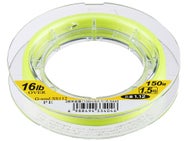
Although bass anglers can adapt their free rigs to a variety of fishing situations ranging from finesse to heavy duty, most anglers prefer to use 12- to 16-lb fluorocarbon and a casting outfit for all-purpose applications. On spinning gear, a 10- to 20-lb braided main line to a long 8-lb fluoro leader is a great combination to target finicky bass in open water. Conversely, when fishing the free rig around thick cover, heavy casting gear with a 30- to 50-lb braided mainline and 12- to 20-lb fluorocarbon leader is often required for turning a big largemouth away from cover.

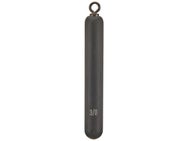
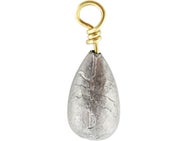
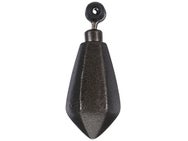
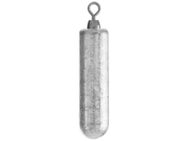
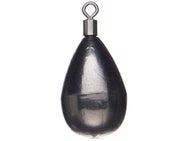
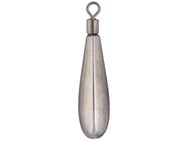
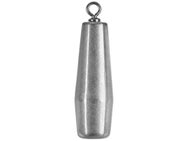
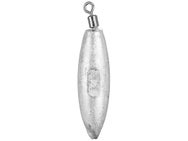
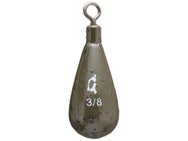
Unlike the Texas rig that uses a bullet weight, a free rig typically uses a cylinder or bell-shaped weight built with a circular eyelet that allows it to slide up and down your line with very minimal resistance. A 1/4-ounce size is typically best for most situations, while 3/16 works well in particularly shallow areas and 3/8 can be well suited for fishing deep. In a nutshell, there are endless weight sizes and hook options to make the free rig unique to the conditions and your personal preferences.
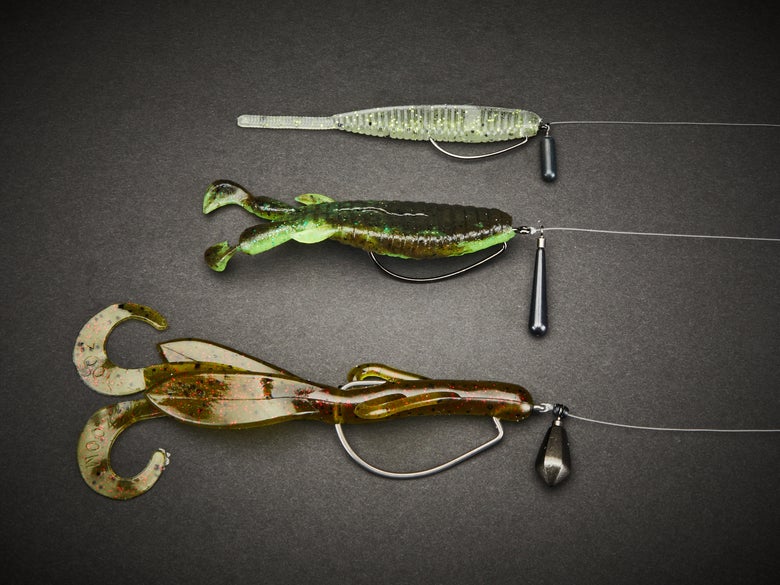
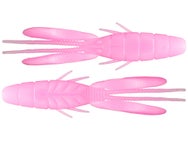
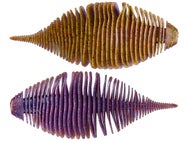
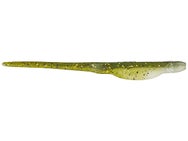
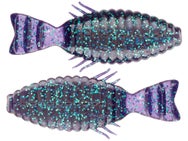
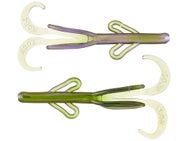
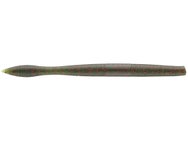
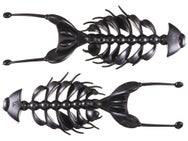
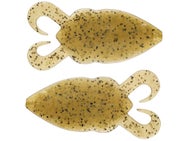
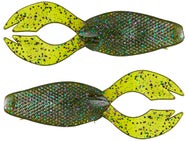
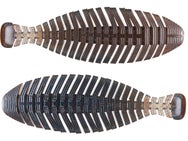
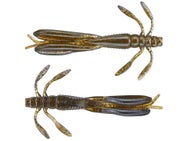
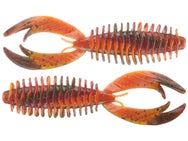
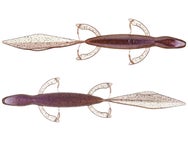
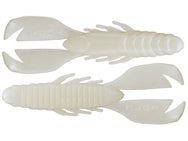
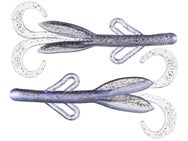
For heavy-cover applications, you might pair a straight-shank flipping hook with a creature bait, while an extra-wide gap or small offset hook can be utilized for open water or finesse applications. Lures with lots of appendages, specific-gravity salt content, or TPE plastic like Elaztech offer additional float to heighten the lure‘s ability to suspend and deliver natural free-flowing action. Lastly, it‘s always a good idea to keep a brightly colored marker or dipping dye on hand to provide a splash of color on your soft plastics and increase attraction.
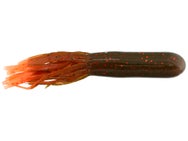
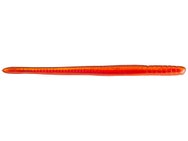
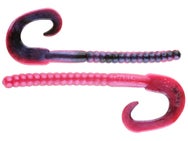
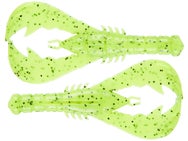
In clear water, natural and/or translucent colors like green pumpkin, shad, and watermelon are great places to start. Conversely, darker and/or more solid colors like black, white, junebug, and pb&j help soft plastics stand out much better in dirtier waters. If bed fishing during the spring, don't overlook bright colors like chartreuse, pink, or merthiolate to add an element of aggravation that provokes territorial fish into biting.
As fishing pressure continues to increase and technology advances, slight shifts in your presentation can make all the difference. While shakey heads, Texas rigs, and other methods of fishing soft plastics surely work, the free rig lets you fish baits in a unique way that stands out from the rest of the crowd. Fishing a free rig can give you the edge needed to put more fish in the boat!