'Buy Nice or Buy Twice' Shopping Gear Guide

As the cost of bass fishing continues to rise and budgets tighten, anglers must be intentional about how and where they invest their hard-earned dollars. In certain scenarios, opting for cheaper products won’t negatively impact your overall fishing experience, but there are key categories where the “Buy Nice or Buy Twice” shopping philosophy should be adopted to avoid buyer's remorse.
This adage refers to purchasing high-quality, often more expensive, items rather than frequently replacing cheap and expendable goods. The goal of this shopping strategy is to save money, time, and frustration in the long run. To help improve your shopping experience, we’ve identified the top product categories where the Buy Nice or Buy Twice rules can be applied, so you know where to allocate more of your fishing budget.
Technique-Specific Fishing Rods

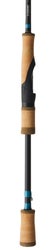
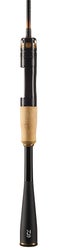
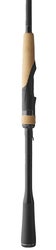
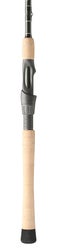
When you start to explore a new fishing technique, fight the urge to run out and buy a high-end, custom right away. Instead, use a multi-purpose rod that’s already in your inventory to gauge what the technique actually demands. Once you’ve built confidence with a particular technique or determined that standard gear doesn’t satisfy specific line and lure ratings, it’s time to upgrade your arsenal with a specialty rod to maximize performance, improve efficiency, and ultimately help you catch more fish. Highlighted below are five types of specialty rods worth spending more on to ensure proper castability, handling, and exceptional bite detection.
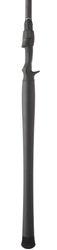
Swimbait Rods
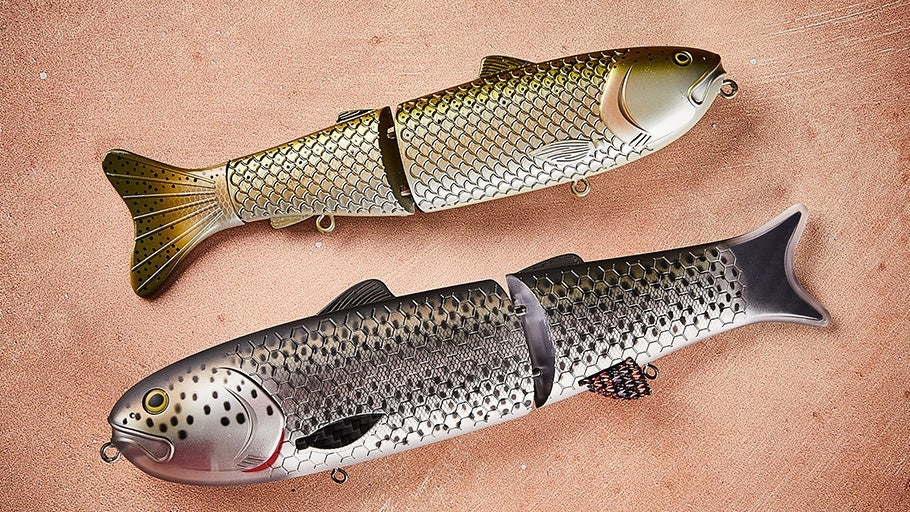
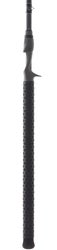
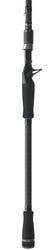
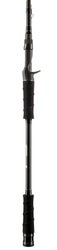
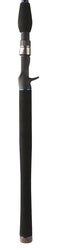
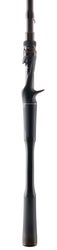
Swimbait-specific fishing rods feature the extra-heavy power ratings and carefully refined tapers that allow anglers to cast swimbaits with less fatigue and deliver confident hooksets with large hooks, bulky baits, and big bass. Dedicated swimbait enthusiasts know you’re often only fishing for one giant bite, so you don’t want to be caught using an underpowered rod when you get the opportunity to catch the fish of a lifetime.
Jig Rods
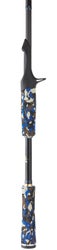
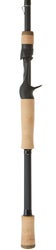
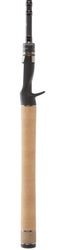
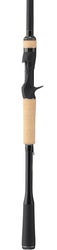
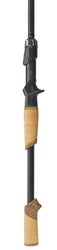
A high-quality jig rod is a great place to invest a little more of your budget. An ultra-sensitive jig rod enables improved bottom-contact feel and bite detection so you’re always ready to react at a moment’s notice.
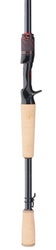
Flipping Rods
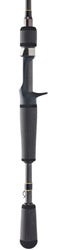
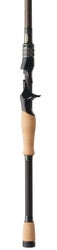
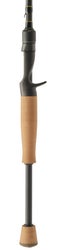
Flipping and punching requires specialized heavy-powered rods, braided line, and robust tackle so you can access fish sheltering in matted vegetation, tulles, brush, and laydowns. Sensitivity is critical for detecting subtle bites when flipping into heavy cover, and investing in the right rod for the job will pay dividends and improve fish counts.
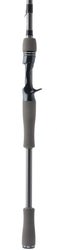
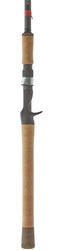
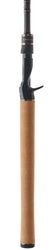
Bait Finesse Rods
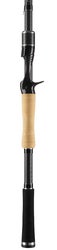
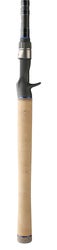
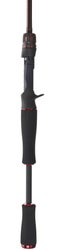
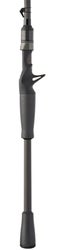
The popularity of bait-finesse fishing has exploded in recent years, and as domestic rod manufacturers rushed to meet the demand, many cost-effective alternatives were built too heavy for true ultra-lightweight BFS techniques. BFS-specific casting rods are extremely lightweight and offer more sensitivity and precision for technical light-line tactics, so bypass the budget-friendly bait finesse rods and reels if your goal is to effectively cast lightweight lures without frustration.
Spinning Rods
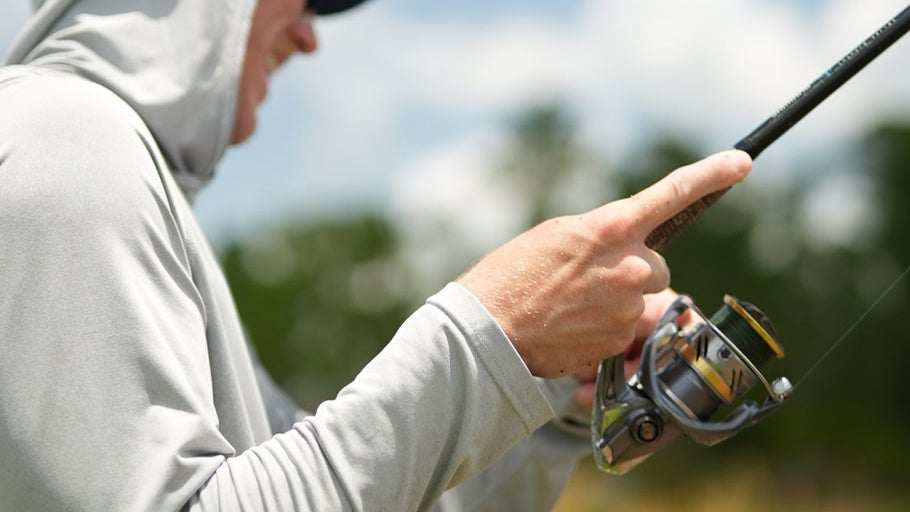
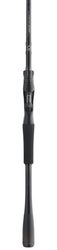
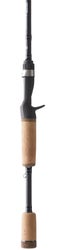
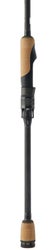
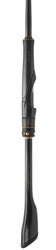
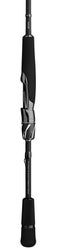
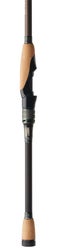
Sensitivity is of the utmost importance when fishing with light line and finesse tackle. A sensitive rod will help detect bites, improve bottom contact feel, and increase overall lure awareness. When the bite gets tough due to weather or high pressure, a spinning rod often becomes the primary tool in an angler’s arsenal to unlock the bite, so it's not a bad idea to invest in a quality finesse rod to ensure your success with stubborn bass.
High-End Fishing Reels


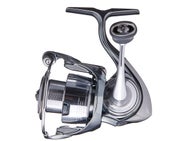
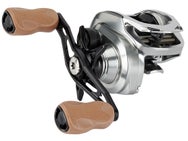
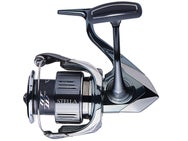
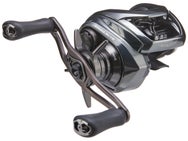
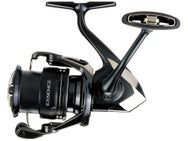
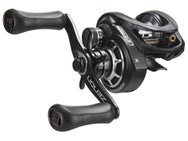
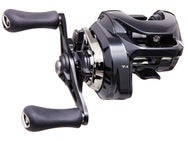
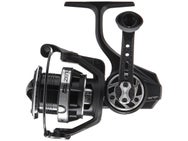
While mid-priced reels ($100-200) often provide the best value for entry-level anglers, high-end bass fishing reels ultimately offer superior performance through lightweight materials, smoother drag systems, and more durable components. In most cases, it's better to spend up on a reel over the rod, as advanced gearing, brake systems, and lightweight spools allow anglers to cast lightweight lures with ease, significantly reducing backlash for longer and more accurate casts.
High-quality drag systems provide a wider spectrum of stopping power while delivering smooth and consistent drag pressure under heavy loads to reduce line stress for precise control when fighting big fish. High-end casting or spinning reels are built to last with superior parts and components, making them a worthwhile purchase for those who want to maximize castability, handling, and performance with a specific technique they use frequently.
Foul Weather Rain Gear

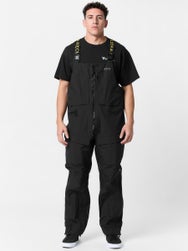
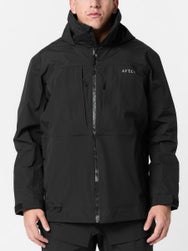
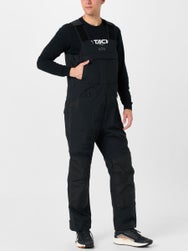
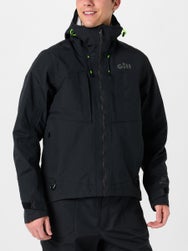
Staying warm and dry on the water is essential if you want to fish competitively in foul weather, so a quality set of bibs and jacket is necessary to protect from wind, rain, boat spray, and morning dew. Unlike generic rainwear, fishing-specific rain gear ensures a free range of motion for unrestricted casting, hooksets, and mobility, allowing sweat and vapor to escape with breathable Gore-Tex materials that keep you dry from both rain and internal moisture. Low-quality rain gear tends to leak and break down quickly, so it's important to purchase rain apparel reinforced with sealed seams to prevent water intrusion and durable materials that can withstand constant exposure and abrasion.
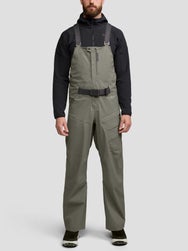
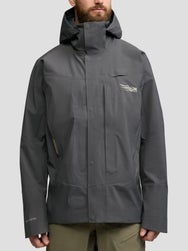
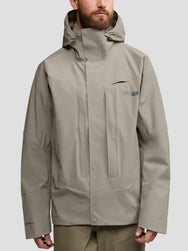
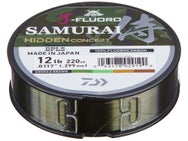
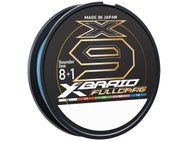
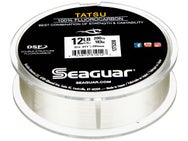
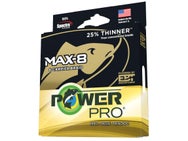
Fishing Line


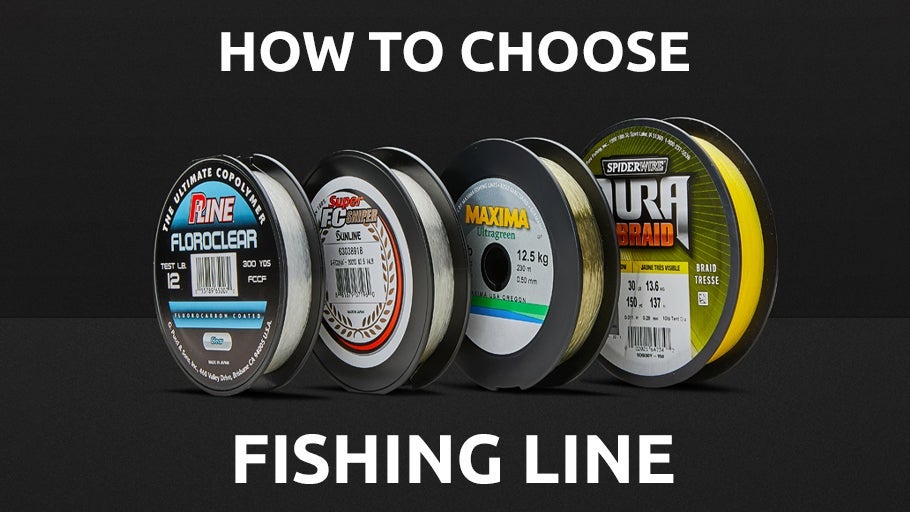
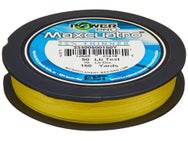
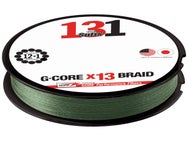
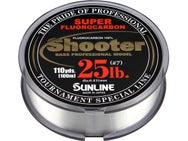
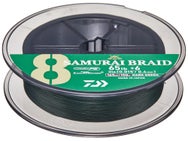
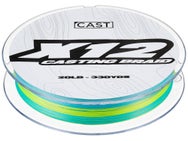
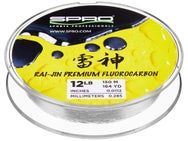
Fishing line serves as the direct connection between angler and fish, determines lure presentation, and dictates sensitivity, so this is not a component of your fishing setup that you want to skimp on. Choosing the right line type requires anglers to balance visibility, strength, and stretch to match specific environmental conditions and techniques, so be sure to check out our How To Choose the Right Fishing Line (link) article for more in-depth information. Breaking off fish due to line failure is probably one of the most deflating scenarios in bass fishing, so don’t hesitate to retie, respool, and upgrade your fishing line to prevent the heartbreak of losing the big one!

Weigh Scale

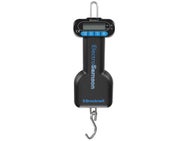
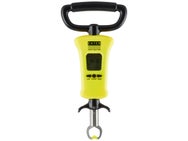
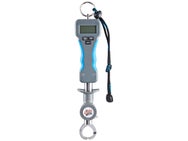
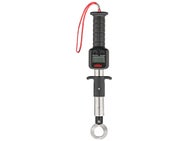
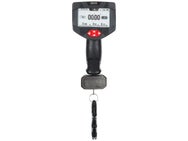
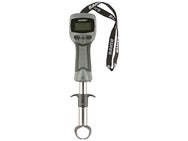
Affordable scales are great for weighing fish if you're fun fishing, but if you plan on fishing tournaments, having an accurate scale for culling is non-negotiable. When the weights are tight at a spotted bass derby, fractions of an ounce could mean the difference between cashing a check or going home empty-handed, so an accurate weigh scale is essential for validating the weight of your catch. Fish-clip weigh scales provide added convenience, increased accuracy, and improved fish care by securing a non-piercing hold on a fish's jaw and minimizing the risk of dropping the fish or causing injury. Modern scales even include Bluetooth compatibility and link to smartphone apps, allowing anglers to record multiple weights, cull, and even track the data of their catch.
Fish Finders, Sonar, and Electronics

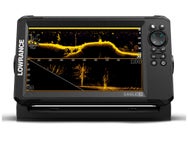
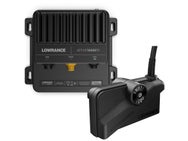
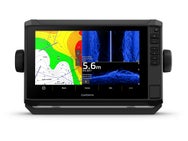
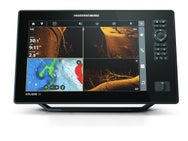
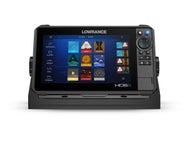
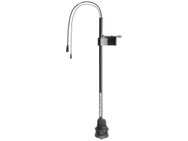
The evolution of sonar and modern electronics like GPS mapping, DownScan, 360 Imaging, and forward-facing sonar has revolutionized competitive bass fishing from an instinctual experience-based sport into a highly technical and precise activity. While the cost of sonar and electronics represents a barrier to entry, it’s become increasingly important to stay current with technology to eliminate much of the guesswork associated with traditional fishing methods. Ultimately, anglers are more likely to catch bass if they find them, so don’t hesitate to combine modern sonar technology with good common fish sense to shorten the learning curve of finding more bass!
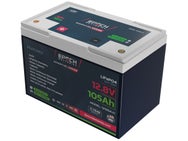
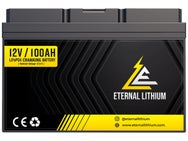
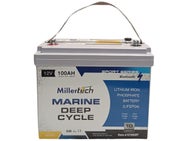
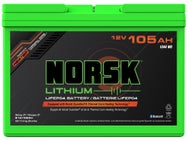
Lithium Batteries

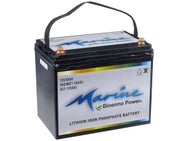
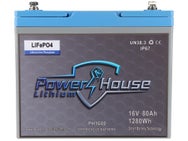
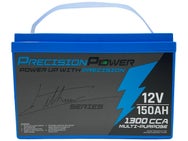
Boat batteries can eat up an angler’s budget, and with increased demand from modern trolling motors, fish finders, and other electronics, lithium-ion batteries are a prime candidate for the Buy Nice or Buy Twice mentality. Instead of constantly replacing cheaper lead-acid batteries, lithium features a much higher energy density, which allows for a 10-times longer cycle life, longer overall lifespan, faster charging, and reduced weight. While lithium-ion batteries come with a higher upfront cost, the total cost of ownership over time is generally lower due to their longevity.
Closing Thoughts
To maximize your bass fishing budget in an industry that’s quickly becoming more expensive, remember to be intentional with each of your purchases, balancing cost-cutting strategies with the Buy Nice or Buy Twice philosophy. Anglers should only spend what they can afford on fishing gear while considering all other expenses, and without setting extreme expectations, as spending more money doesn't always directly translate to catching more fish.
Frequently Asked Questions:
What bass fishing rods or specialized techniques should you “Buy Nice”?
Bottom-contact, spinning, and heavy-cover flipping rods rely on excellent sensitivity for bite detection and lure awareness, making them worth spending up on to ensure feel and maximum performance. Specialized techniques like heavy-cover flipping or ultra-lightweight bait finesse lures require extreme line and lure ratings, where buying nice can save you time, money, and frustration.
How much should you spend on a fishing rod?
How much you choose to spend on a bass fishing rod is going to depend on your budget and the type of fishing you are doing. However, in most cases you can expect to spend somewhere in the $100-150 range for a budget-friendly rod, $150-250 on a mid-range dependable rod, and $250+ for specialized, high-end rod.
How much should you spend on a bass fishing reel?
How much you should spend on a bass fishing reel is going to depend on your budget and the type of fishing you are doing. However, in most scenarios you can plan to spend anywhere from $50-150 on an entry-level reel, $150-300 on a dependable reel from leading manufacturers, and $300+ on a premium reel for specialized techniques.
Should I spend more money on a fishing rod or a reel?
Spending more on a fishing reel over the rod is often advised because fishing reels are a more complex and technical mechanism that dictates drag performance, casting accuracy, and line control, which directly impact your ability to catch and land a fish.