How-To Teach a Kid to Fish

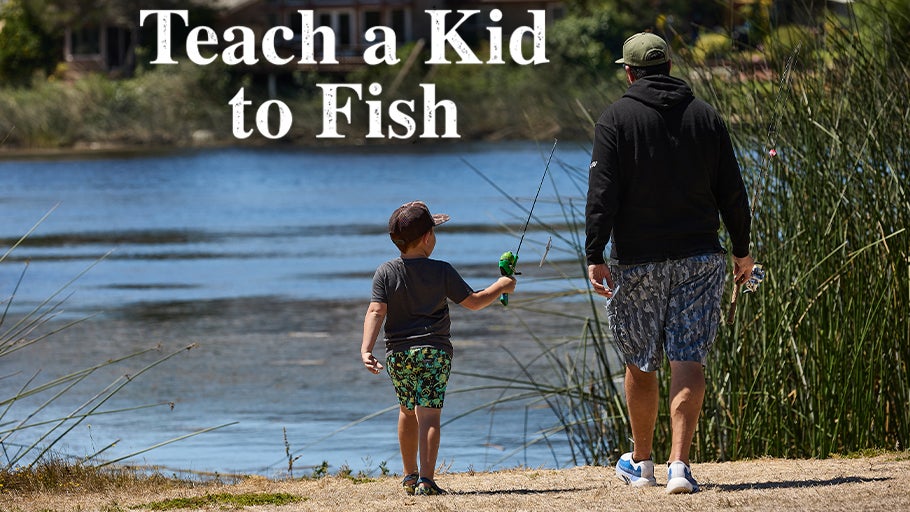
As a parent, aunt, uncle, cousin, or mentor, one of the most rewarding activities in life is teaching a kid how to fish. From the early morning wake up to the explosion of excitement when they get that first nibble, sharing this wonderful sport not only brings joy to children, but also reminds us of why we started fishing in the first place. To help ensure a positive learning experience, we have compiled a couple of useful tips to maximize fun, decrease frustration, and hopefully catch a couple fish!
Keep It Simple
Choose an easy spot to fish
Learning how to fish doesn’t require a fully rigged bass boat to run down the lake at 65 mph. Head to your local farm pond, creek, or lake and find somewhere that is comfortable, productive, and safe. Places like docks and piers are especially good because they provide access to deep water where casting is not as critical and there’s built-in structure that often attracts smaller fish.
Keep it short
A 10-hour grind in the middle of winter might be a “fun” time for a diehard tournament angler, but most kids don’t have the endurance for a dawn-to-dusk fishing mission. Test the waters with a short 1–3-hour trip at a local fishery to help avoid burnout. You are not going to be able to mold your new tournament partner in a single day, so just get them interested in the sport and wanting to go again.
Comfort is key
Before hitting the water, keep an eye on the weather and make sure you have all of the necessary apparel to stay comfortable while fishing. Something as simple as throwing a sweatshirt in the truck can prolong your trip if the wind picks up or temperatures start to dip.

Once you’ve chosen the right spot and minimized expectations, the next step to success is getting them dialed in with the right baits to start catching fish.
Choose Kid-Friendly Baits
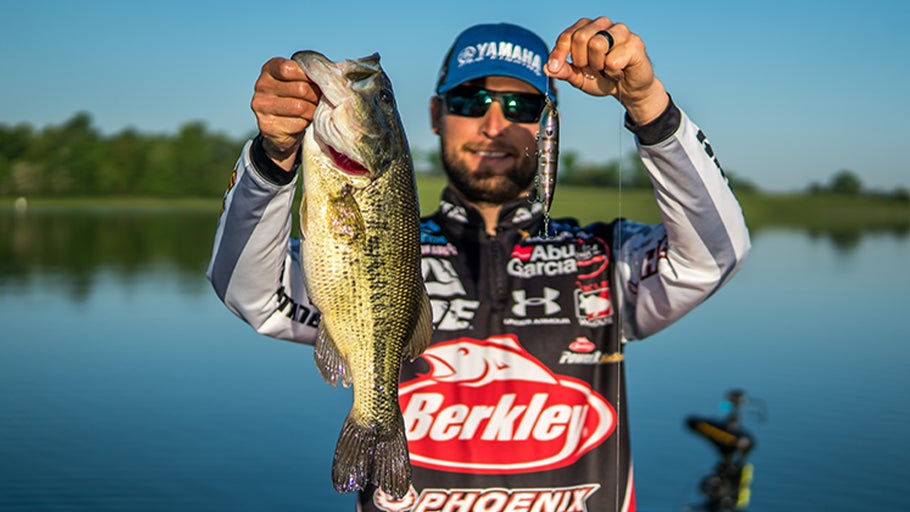
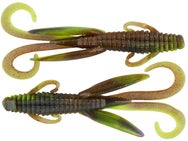
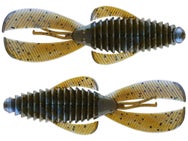
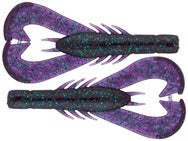
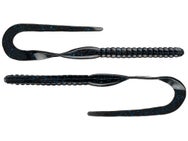
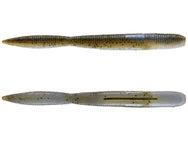
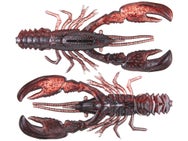
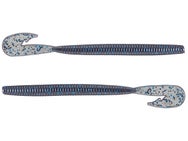
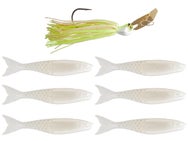
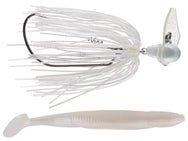
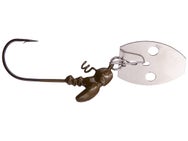
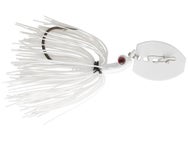
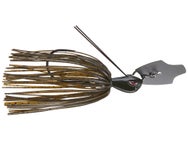
If the child is old enough to cast and reel on their own, select a handful of effective yet simple baits that allow them to fish independently without snagging or getting hooked. Bassmaster Elite Series angler and father Cody Meyer suggests these three baits to help kids learn the basics, have fun, and catch fish!
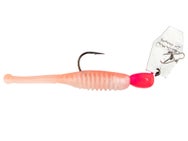
Soft Stickbait
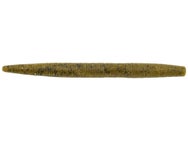
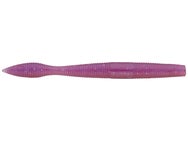
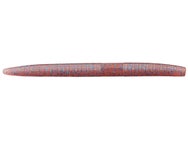
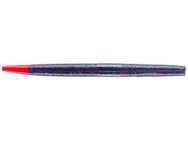
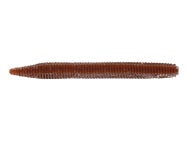
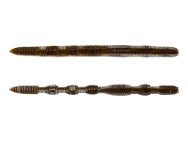
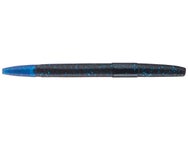
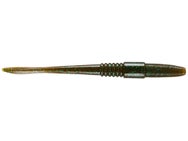
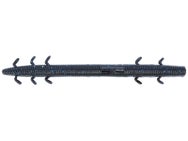
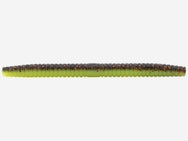
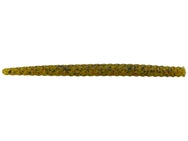
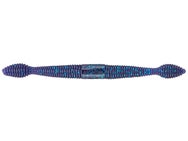
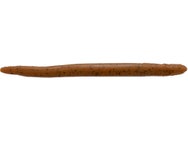
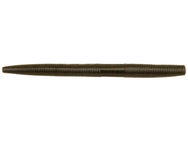
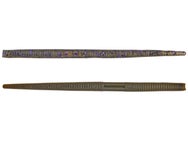
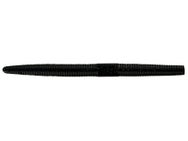
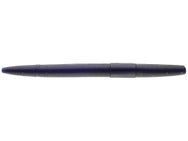
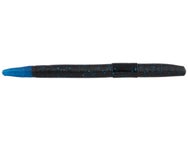
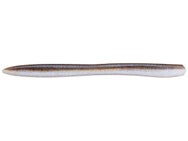
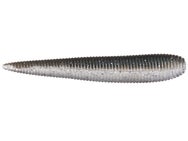
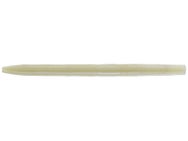
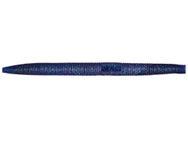
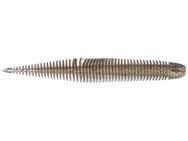
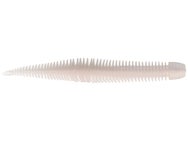
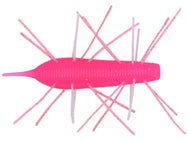
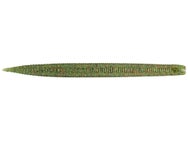
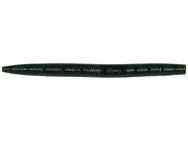
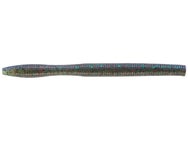
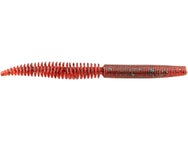
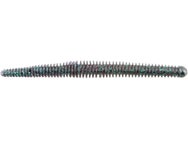
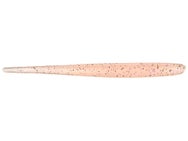
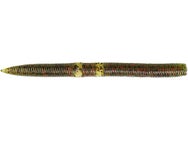
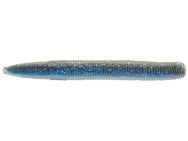
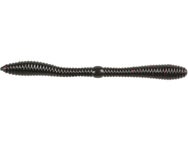
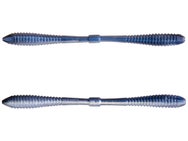
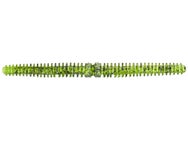
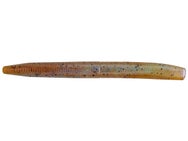
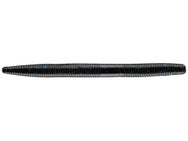
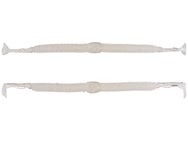
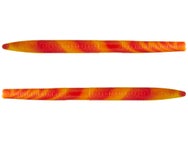
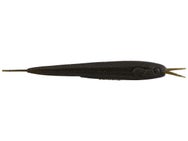
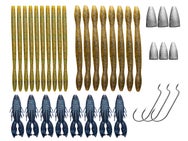
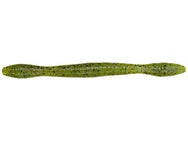
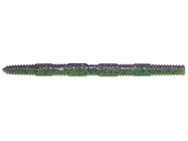
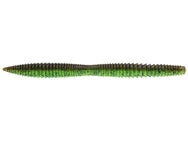
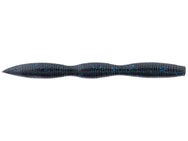
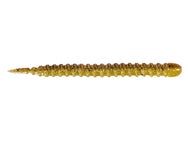
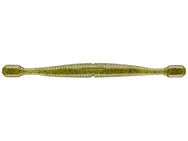
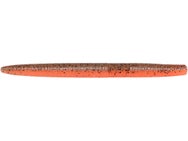
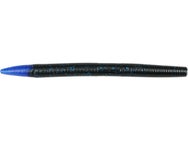
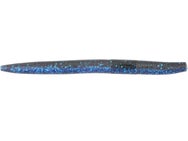
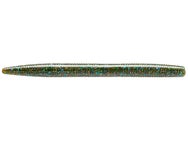
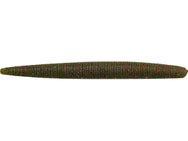
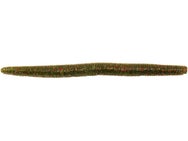
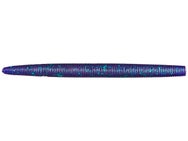
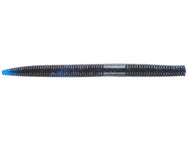
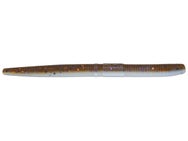
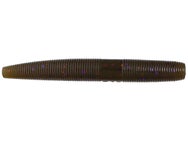
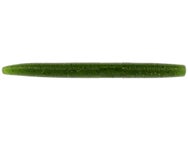
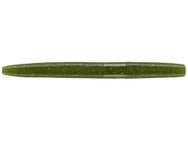
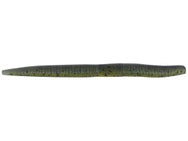
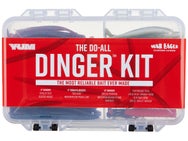
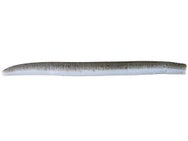
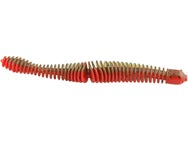
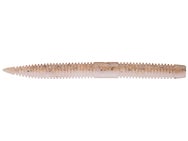
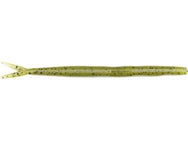
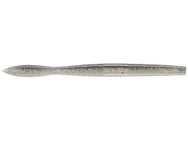
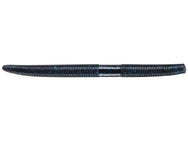
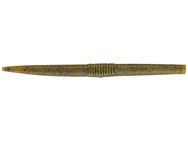
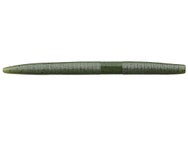
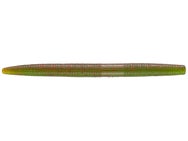
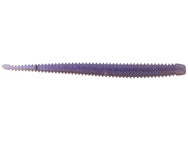
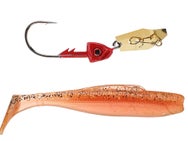
Arguably the simplest and most effective bait to fish, a soft-plastic stickbait is a top-tier choice for teaching kids about angling. Whether it’s wacky rigged or Tex-posed, baits like the Senko catch fish in almost every condition and are easy to learn; just cast them out, let them sink, and wait for the bite.



Texas-rig
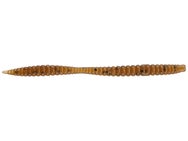
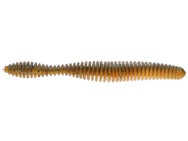
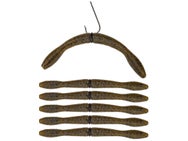
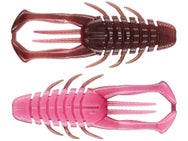
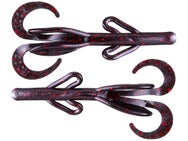
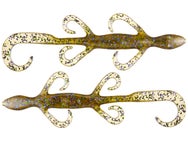
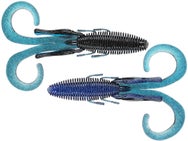
A mainstay in the arsenal of many anglers, the Texas rig offers several advantages when teaching a kid to fish. Because it won’t snag as often as other rigs, there is less frustration across the board for both the angler and the teacher. It also provides a great starting point for young anglers to detect the bottom and get a feel for structure, cover, and bottom composition.

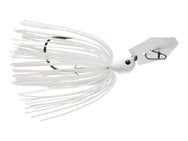
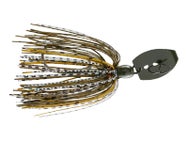
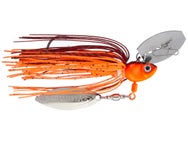
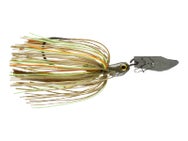
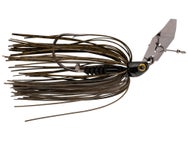
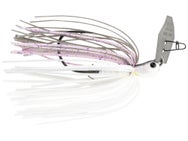
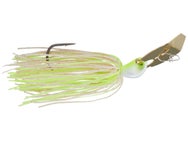
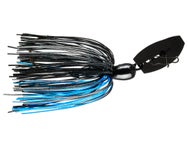
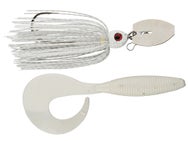
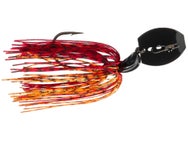
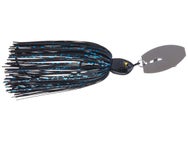
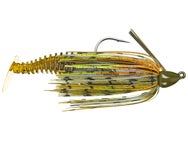
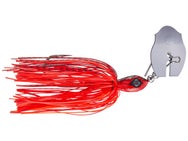
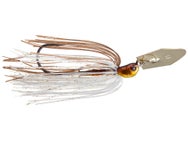
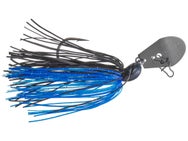
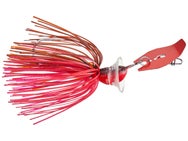
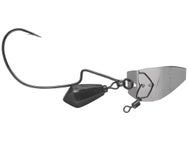
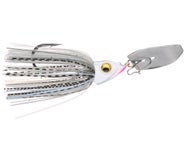
Chatterbait
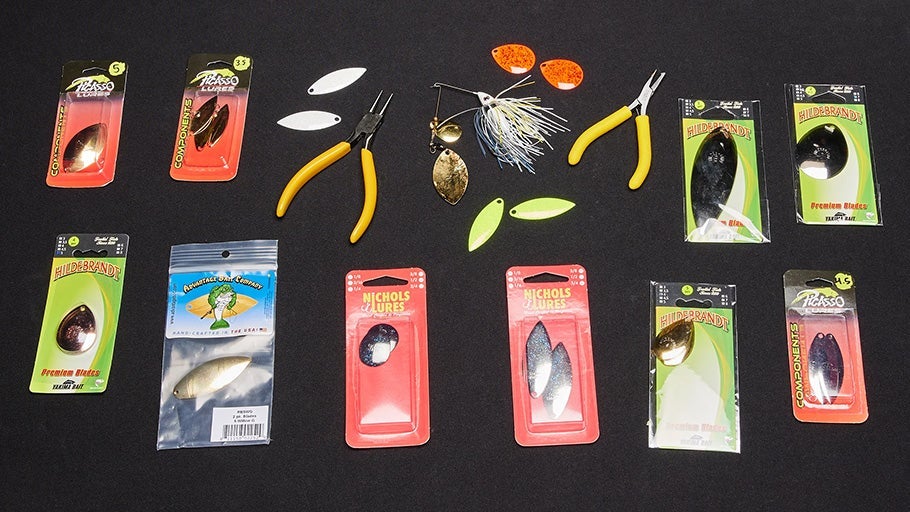
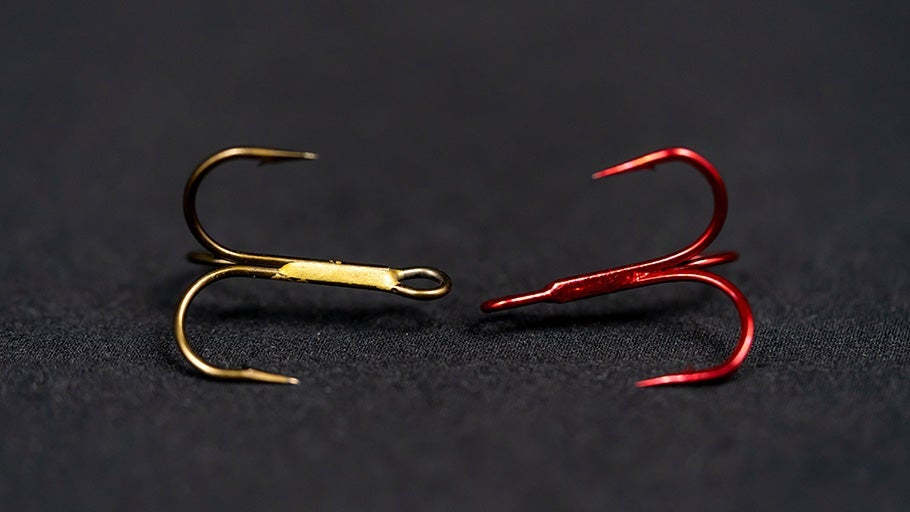
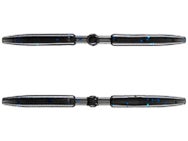
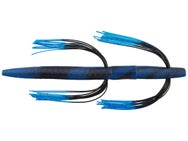
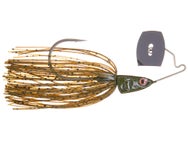
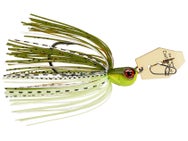
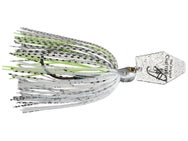
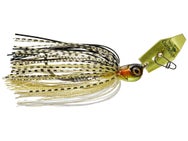
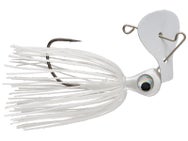
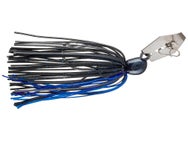
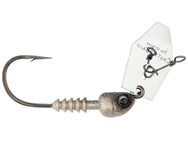
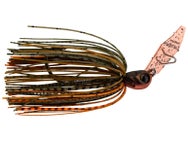
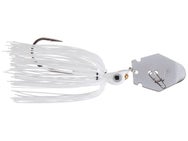
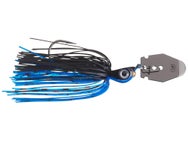
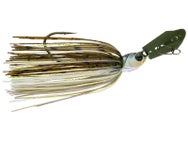
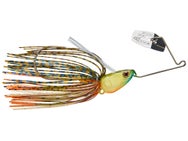
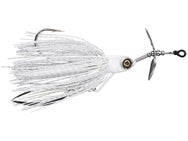
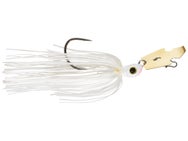
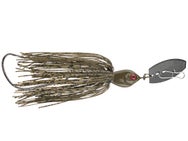
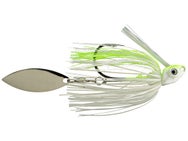
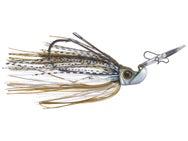
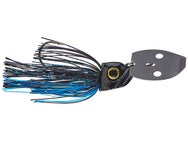
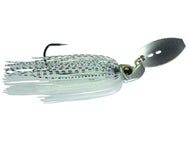
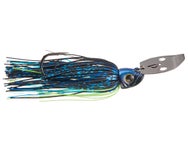
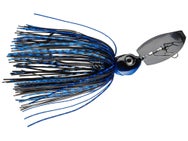
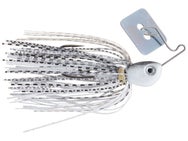
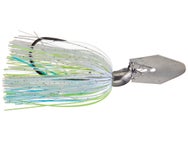
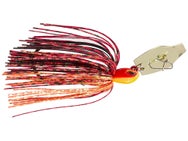
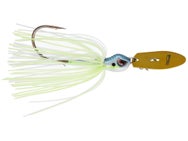
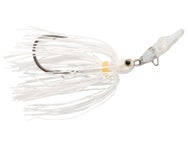
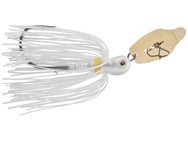
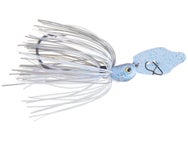
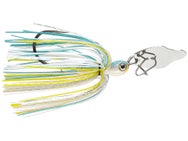
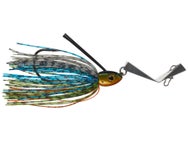
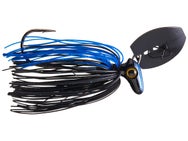
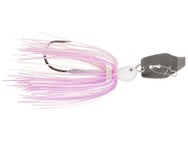
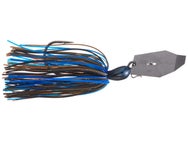
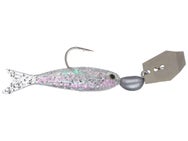
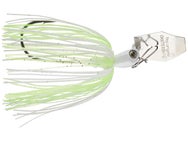
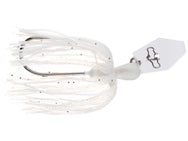
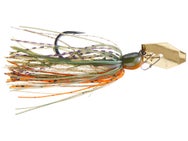
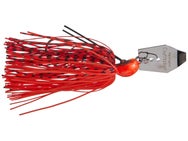
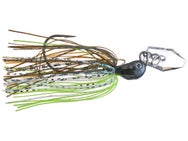
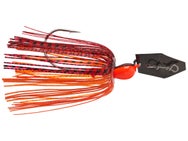
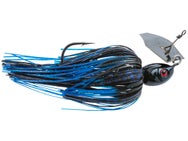
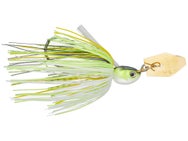
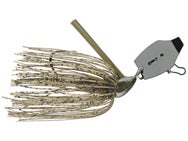
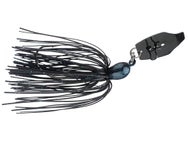
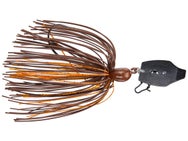
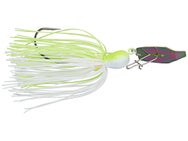
From the funny name to the intense pulsing action, the chatterbait is a highly productive and easy bait for kids to fish. The basics of chatterbait fishing are pretty simple: just cast it out and start reeling. Because there’s immediate feedback from the vibration of the bait, they will be able to easily tell when it’s working properly. Unlike other moving baits with treble hooks, like crankbaits and jerkbaits, you don’t have to be as concerned with errant casts.
No matter what baits you choose, just keep it simple so kids can spend more time fishing and less time frustrated by tangles and snags.

Make Every Bite Exciting!
Learning how to step outside of the tournament mindset can be challenging for serious anglers, but remember the goal isn’t to win–it’s to have fun. Help kids have a memorable experience by utilizing the right gear and by making each bite exciting!
Get the right gear
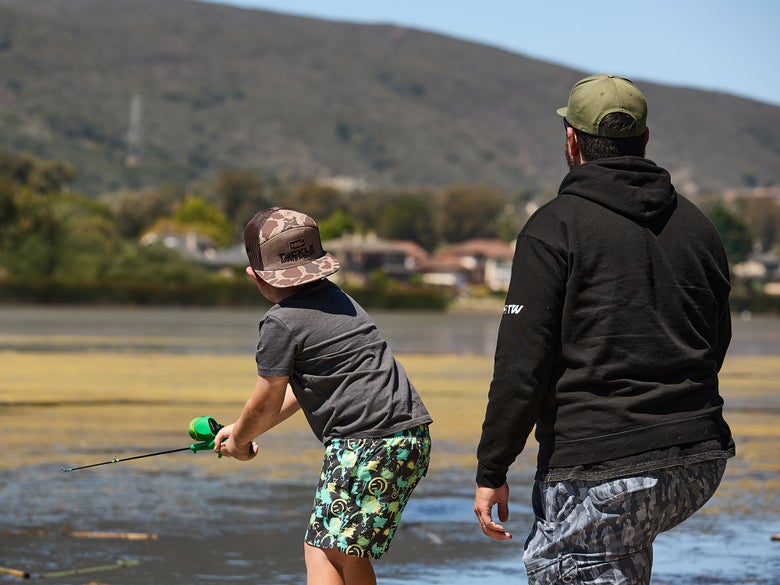
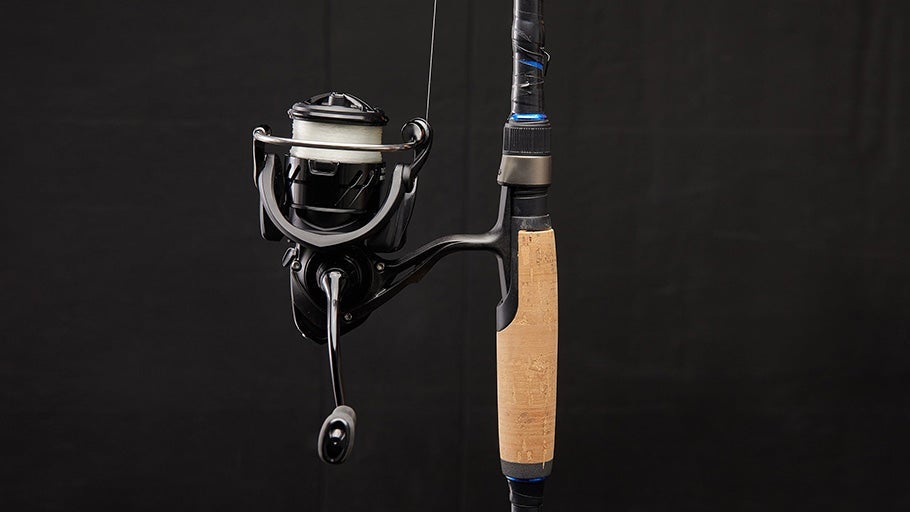
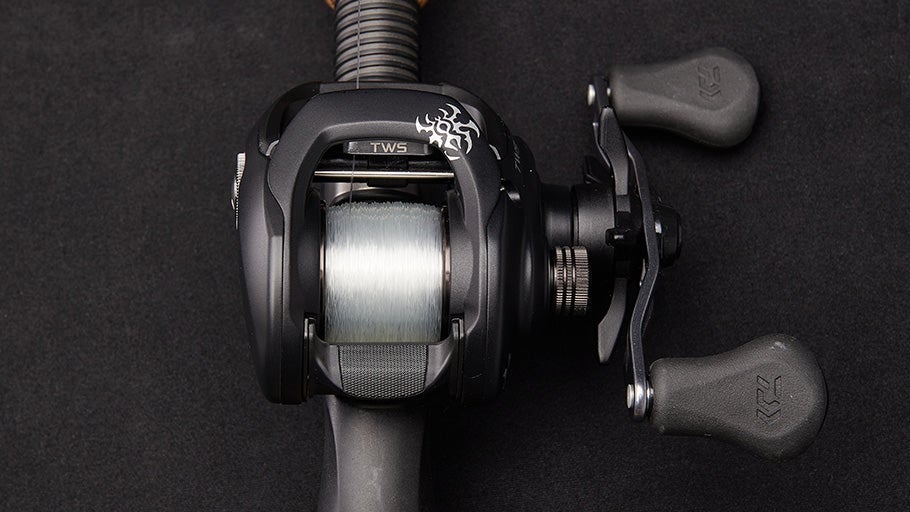
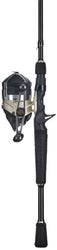
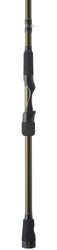
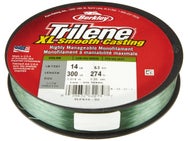
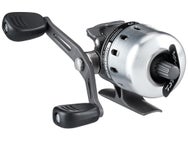
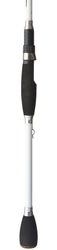
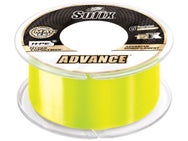
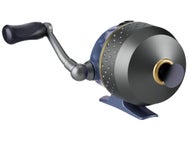
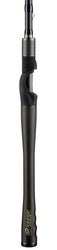
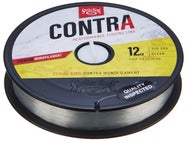
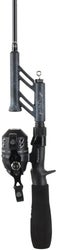
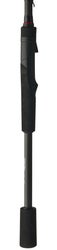
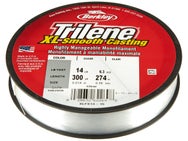
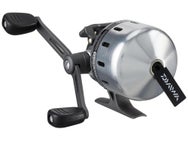
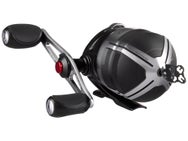
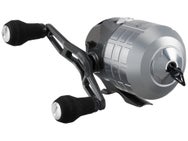
To maximize the fun level and minimize frustrations, make sure you have the right gear when you hit the water. Ditch the high-end casting reels and start with either a push-button spincast reel or a spinning reel to help facilitate easy casting. Spooling your reel with monofilament is another way to help ensure smooth casting as it is limp, forgiving, and less expensive to replace if it gets a major tangle. Utilizing light to medium action rod helps amplify the fun factor as well, even on small fish!
Make it visual
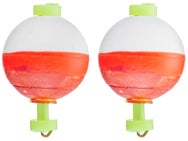
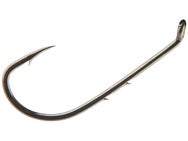
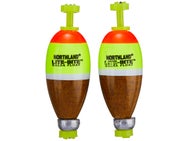
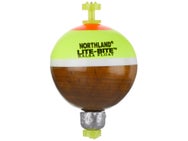
A bobber is a super easy way to visually see a bite occur, especially if the young angler hasn’t quite developed the dexterity to detect a bite. Live bait is a plus! Everything eats small worms and baitfish, so keep the bites coming with nightcrawlers and shiners, even if it’s a small bluegill or crappie.


Celebrate every catch
To a small kid, even the smallest bluegill is a trophy catch, so make it a big deal. Let them hold the fish, take some pictures, or let them release it back into the water. After all the gear is put away and the kids are exhausted (hopefully), the photos are a great reminder of how much fun you had on your fishing trip.
Keep It Engaging
The younger the child, the shorter their attention span is going to be, so make sure you have some auxiliary activities on hand to keep them engaged in-between bites.
Snacks
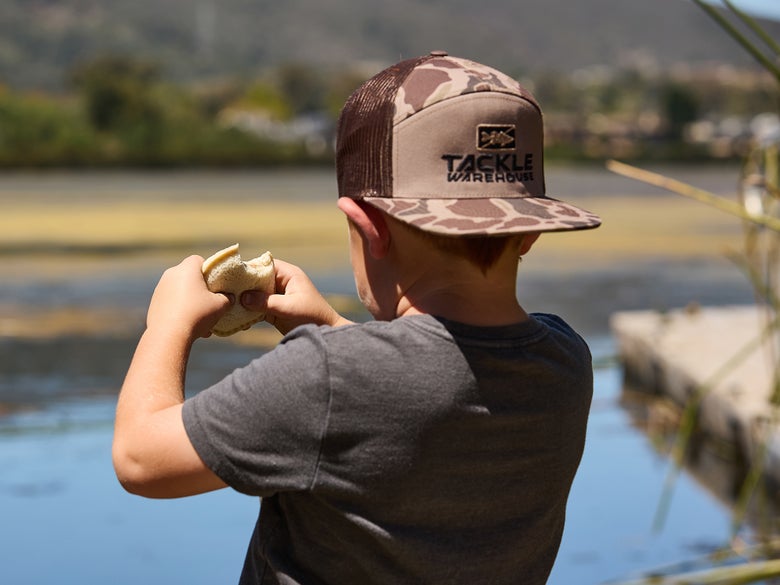
Prevent hangry young anglers from getting the grumps by making sure they have an ample supply of snacks on hand. It’s amazing what an uncrustable and some fresh fruit can do for their fishing attitude throughout the day!
Toys & stuffed animals
Depending on the age of the angler, bringing a stuffed animal, favorite action figure, or toy can help eliminate some of the boredom throughout the day and increase their comfort level. So, don’t forget to bring THEIR favorite fishing partner.
Build baits
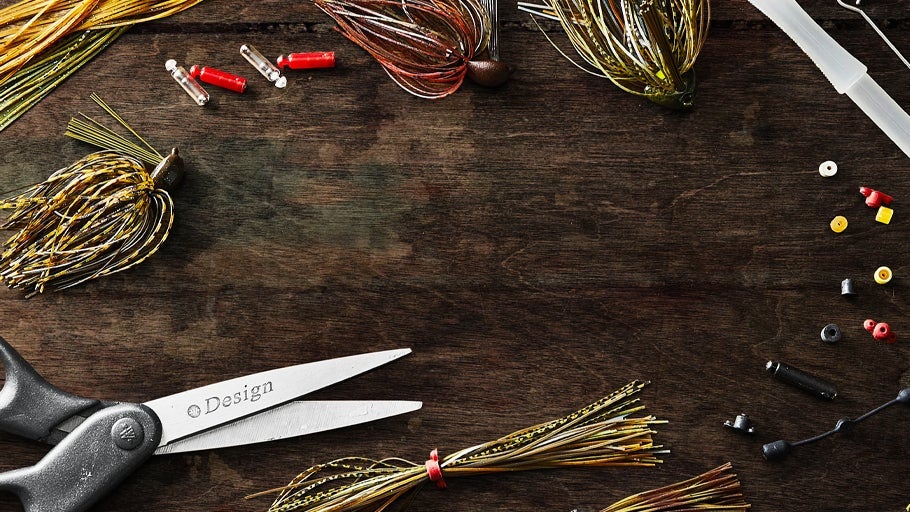
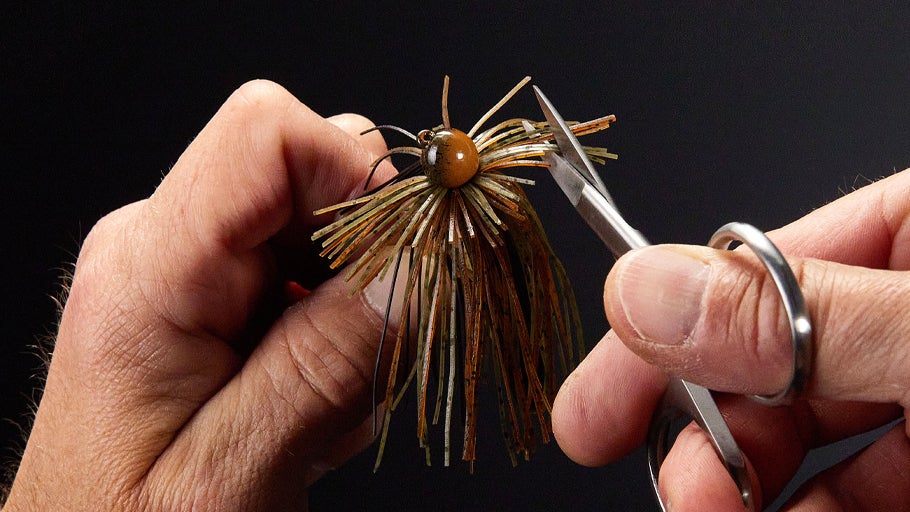
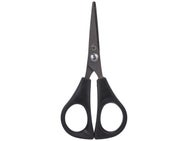
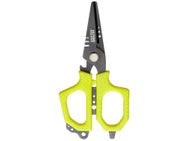
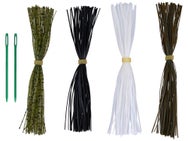
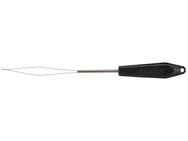
Professional angler Justin Lucas likes to keep his sons busy by building their own baits. Dice baits are hot right now, so if they are old enough to handle a sewing needle and scissors, provide them with all the necessary supplies, and watch the time fly and the fun factor multiply.


Let them explore
One of the biggest residual benefits to being outdoors is learning about nature and observing everything it has to offer. Encourage them to see how many different types of wildlife they can identify, look for turtles, skip rocks, or just teach them about plant life. If you are fishing on a boat with a livewell, throw a couple of fish in there and now you have a built-in touch aquarium that will keep them mesmerized for hours.
Parting Thoughts
Most kids won’t remember how big their first fish was, what bait they caught it on, or what brushpile it came off of, but they will remember the excitement of watching that bobber disappear, laughing when the fish splashed their face, and having fun on the trip. Focus on having a good time, keeping everything lighthearted, and just having fun. Before long, you will have a new fishing partner that can’t wait for their next trip!