Jerkbaits Gear Guide: Tackle, Lure Selection, and Tips
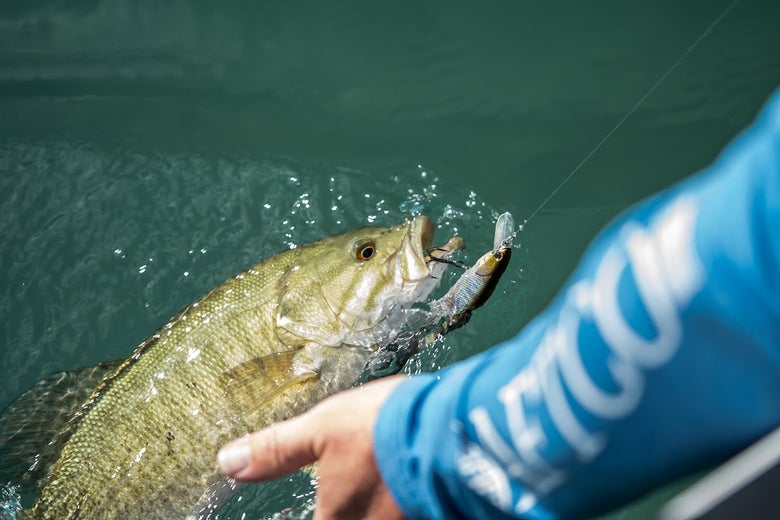
Originally believed to only be a cold-water tactic that excelled during the pre-spawn, the jerkbait has evolved into a year-round producer, allowing anglers to target fish throughout the seasons thanks to different sink rates, sizes, and diving depths, as well as the rise of forward-facing sonar. With such a wide variety of lethal options to choose from, it’s a mistake to hit the lake without a jerkbait tied on. The quick, erratic movement of the jerkbait is what sets it apart from other reaction baits, making it one of the best lures for triggering bites from bass—even when they aren’t actively feeding.
The sharp, unpredictable action of a jerkbait entices lethargic fish to react in the winter, and when baitfish become the primary food source during the post-spawn, the minnow profile perfectly mimics the desired forage. As bass begin to group up during the spring, the jerkbait has the power to fire up an entire school, which is one of the few times the biggest fish in your lake will let their guard down. Having the proper gear is crucial to your success, so in this guide, we will go over in-depth gear recommendations, treble hook modifications, and the basics of a proper retrieve.
Jerkbait Rods
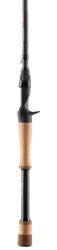
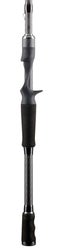
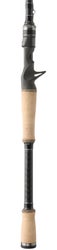
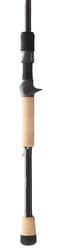
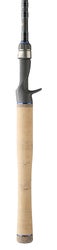
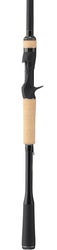
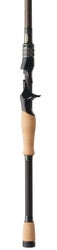
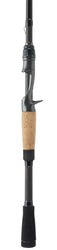
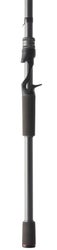
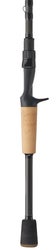
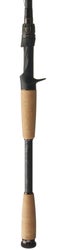
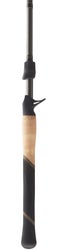
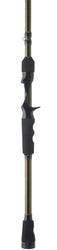
To effectively cast jerkbaits and impart the proper action, a slightly shorter casting rod ranging from 6’6” to 7’2” in length is ideal for twitching and jerking with the rod tip down toward the water. A medium-powered, moderate-fast taper blank is critical for helping to produce the correct action while also providing enough cushion to keep small treble hooks from tearing out during the fight. Many anglers prefer their rod to have a shorter handle to avoid catching a shirt or jacket sleeve while working the bait. Spinning rods are also viable and popular options for many jerkbaits. Anglers may find it much easier to manipulate their jerkbait at different angles with a spinning setup, and it also allows for much easier casting of more lightweight finesse-sized jerkbaits.
Jerkbait Reels
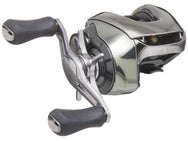
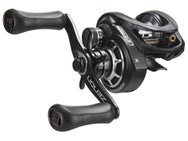
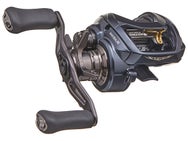
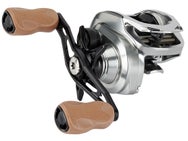
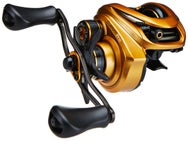
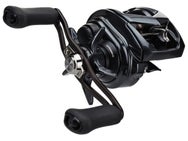
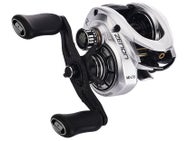
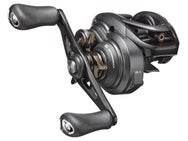
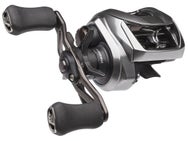
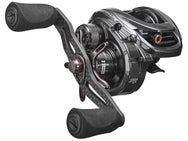
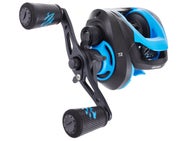
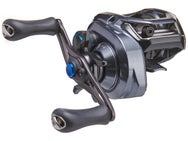
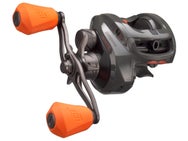
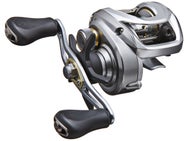
Jerkbaits are often most effective in windy conditions, but they can be exceptionally difficult to cast. Using a compact 70–100 casting reel with a shallow spool can help due to the spool's lighter weight and lower inertia, often resulting in longer casts and fewer backlashes. Ideally, a reel with a gear ratio from 6:1 to 7:1 is the sweet spot. If you use a reel that's too fast, it's easier to hurt the action of your jerkbait by pulling in a bit too much line between twitches. On the spinning reel side, a 3000-size reel is an excellent choice for jerkbait fishing since it delivers an ideal combination of line capacity and efficient line pickup.
Jerkbait Line
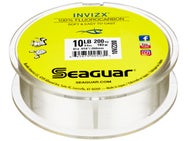
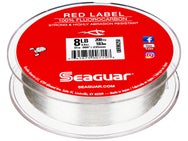
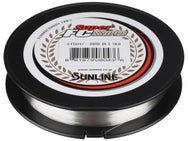
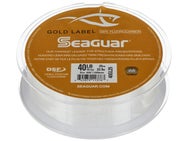
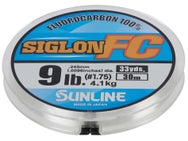
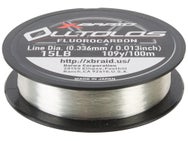
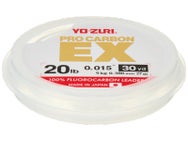
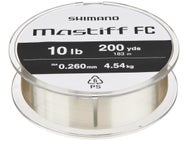
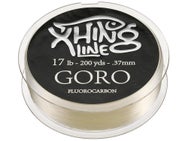
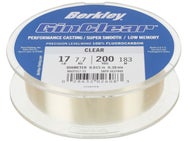
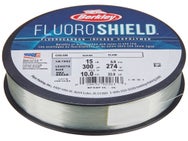
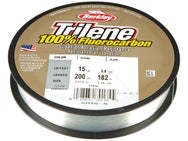
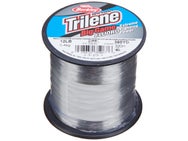
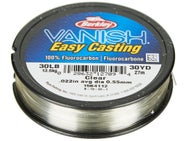
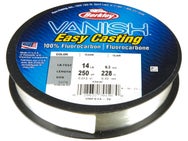
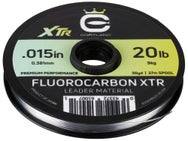
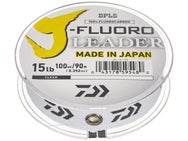
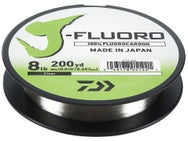
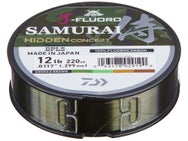
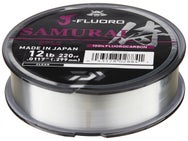
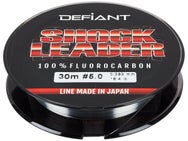
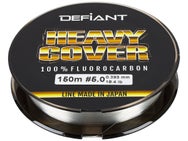
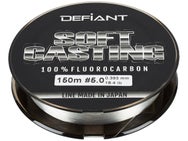
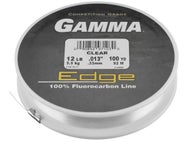
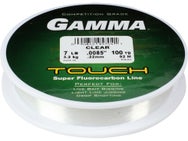
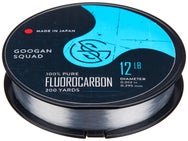
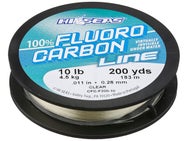
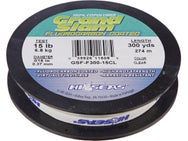
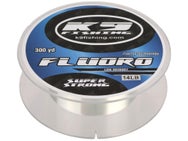
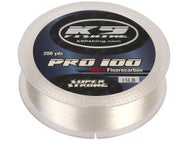
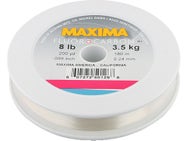
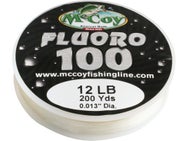
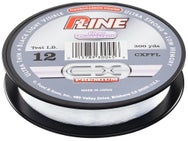
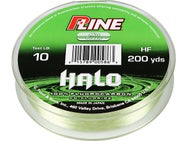
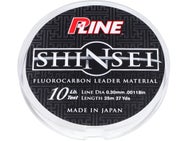
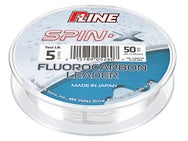
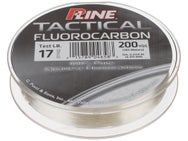
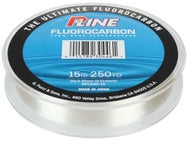
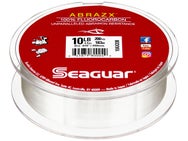
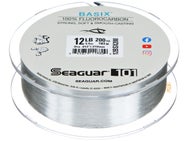
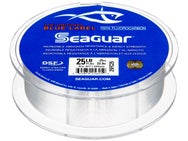
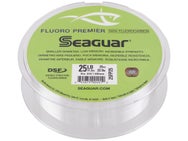
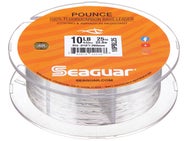
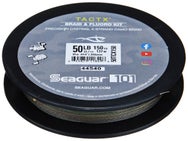
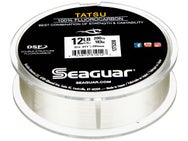
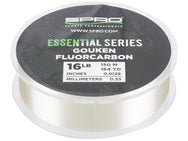
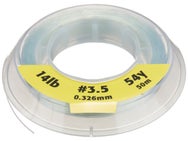
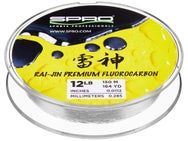
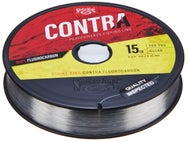
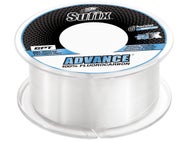
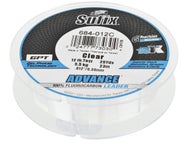
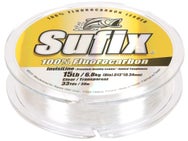
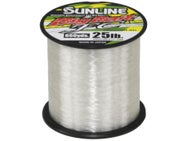
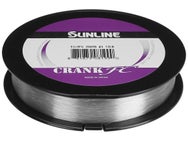
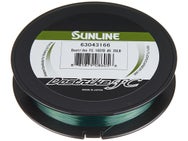
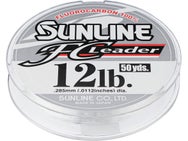
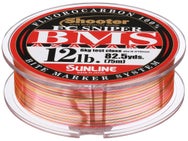
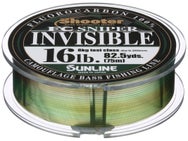
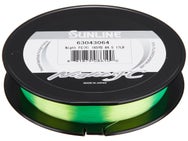
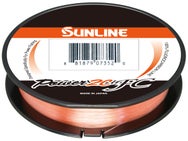
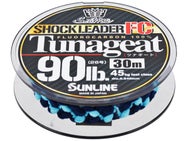
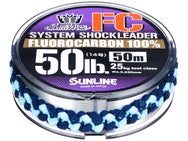
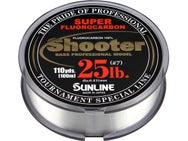
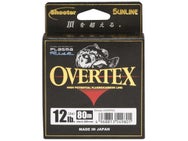
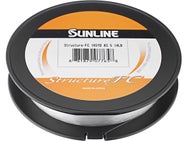
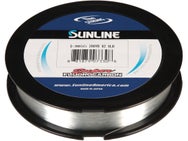
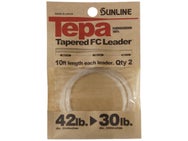
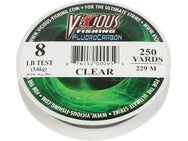
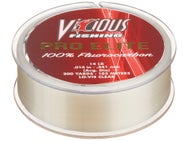
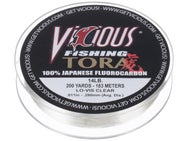
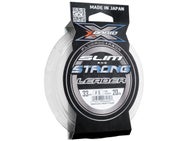
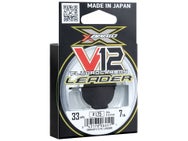
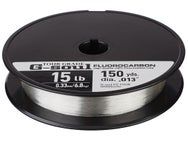
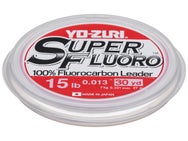
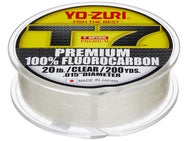
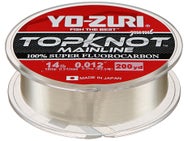
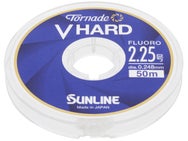
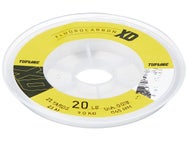
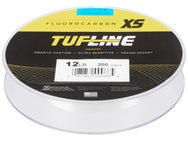
In most cases, fluorocarbon in the 10- to 12-lb range is the best choice for jerkbaits. Nearly invisible underwater, fluorocarbon is crucial in clearer water when fish have a better chance of seeing your line, especially on the pause. When the bite is tough, the water is absolutely crystal clear, or if you need to get a little extra depth out of your jerkbait, dropping down to 8-lb test can make a big difference. Alternatively, when the water is dirty and the fish are higher up in the water column, a heavier fluorocarbon or a braided line will keep your jerkbait closer to the surface and provide some added insurance around large fish.

Jerkbait Modifications & Rigging
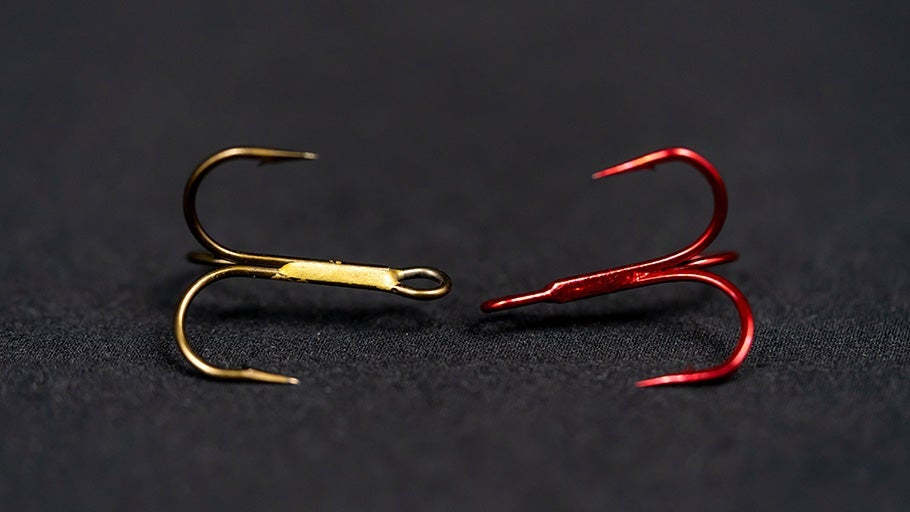
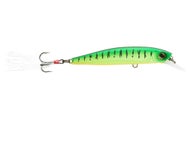
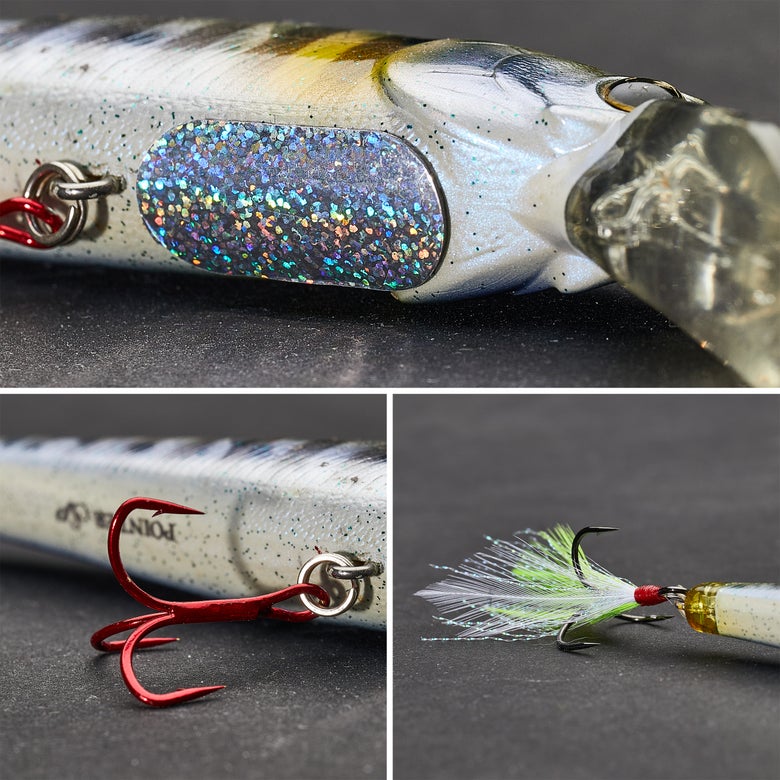
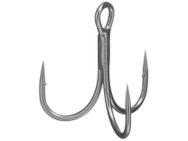
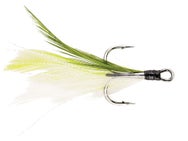
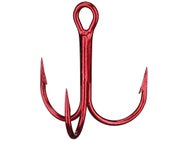
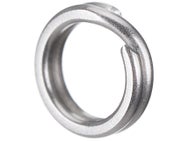
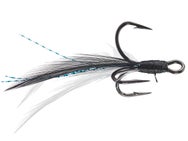
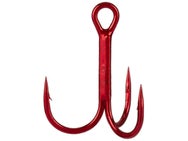
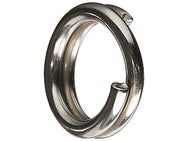
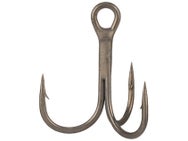
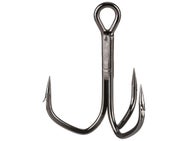
Always inspect your treble hooks and upgrade them if necessary. There are many suitable options out there, but whatever you choose, make sure they are as sharp as possible to help increase your hookup ratio. Try adding a red treble hook up front to create a visible strike point or consider using a feathered treble hook at the rear for some added attraction. Feathered treble hooks also create a hint of added drag in the water to help your jerkbait stop quickly on the pause. As a note of caution, when replacing trebles, make sure to use a similar size to the stock hooks, as it is easy to change the action and suspension of your jerkbait if your hooks are too heavy. Lure or hook covers are also a great call, as they will help prevent snags and tangles while your rods are not being used.
Jerkbait Retrieve Technique
The most common mistake anglers make is to immediately begin jerking the rod tip as soon as the lure hits the water. Unless the fish are feeding right on the bank or close to the surface, it will be more advantageous to reel your jerkbait down with a few turns of the reel handle and get the lure beneath the surface. To start, make a long cast and keep your rod tip pointed toward the lure. After you’ve given the reel a couple of turns, twitch your rod tip in a downward motion toward the water and let the rod tip recoil back in the direction of the jerkbait. You then want to let the lure sit motionless (also known as the “pause”) before reeling in some slack and beginning the twitching action again. It is very important to always impart action with slack in your line to maximize the action of your jerkbait. Even a little bit of tension in your line can cause the bait to drift forward and cause fish to shy away, so make sure to maintain that slack between twitches, and always use the rod to move the jerkbait instead of the reel.
Another important thing to note is to always experiment with your twitch cadence and the length of your pause. The most effective retrieve will vary based on the season, water temperature, and attitude of the fish, so be sure to mix up your retrieve until you figure out what the bass want on a given day. During the winter or colder months, it becomes increasingly important to slow things down with a longer pause to get lethargic fish to react, and sometimes you may have to count several seconds between each snap of the rod tip during the winter. When water temperatures begin to rise, a faster and more aggressive cadence may be more effective.
Jerkbait Colors
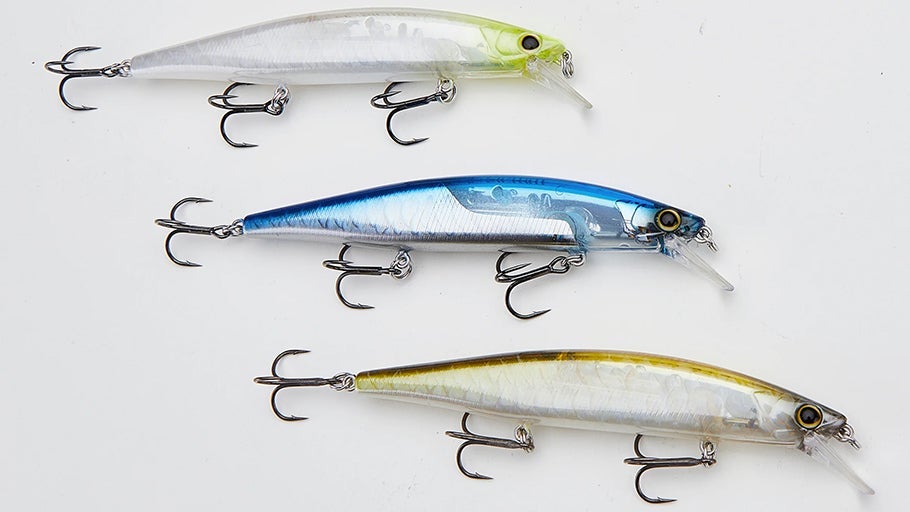
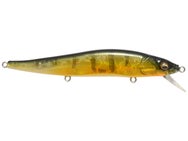
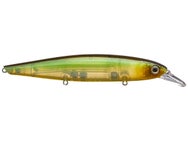
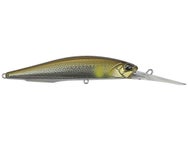
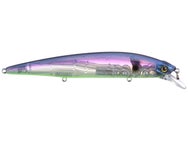
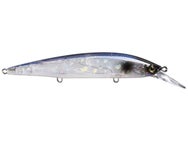
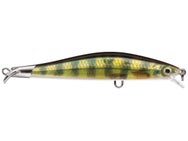
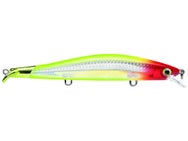
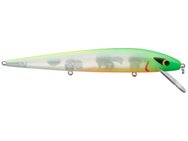
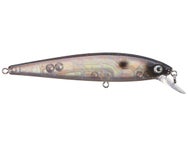
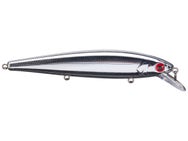
Jerkbait fishing is a relatively clear-water technique, as it often relies on the fish being able to see and zero in on its erratic darting and side-to-side action. As a rule of thumb, the clearer the water, the more translucent you will want to go with your color selection. Conversely, when fishing dirtier or more stained water, brighter and more opaque colors tend to be more effective. Chrome can be a killer option under bright and sunny skies, while chartreuse shad or anything with a white base will perform in stained water or low-light conditions. If you are targeting smallmouth specifically, try tempting them with bright chartreuse or red-colored baits to really fire them up. As with all techniques, the weather conditions and water clarity will always play the biggest role in color selection.
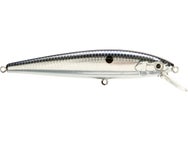
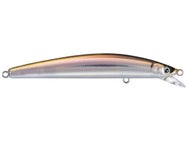
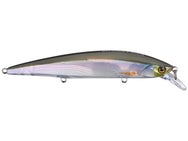
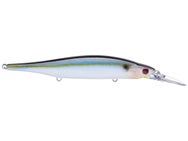
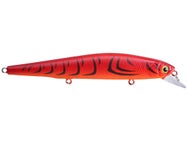
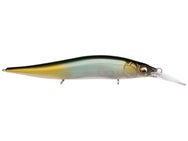
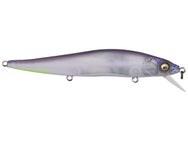
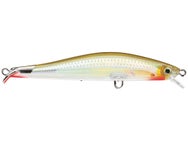
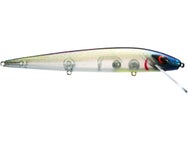
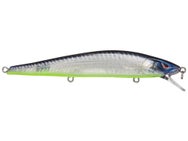
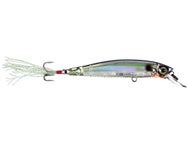
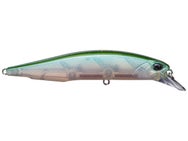
Jerkbaits differentiate themselves from other reaction baits by allowing anglers to work them with a slow, yet erratic cadence instead of simply reeling to create the desired action. With such a wide variety of retrieve techniques, diving depths, and targeted colorways, the jerkbait is a versatile hardbait that can find success throughout the year.
Frequently Asked Questions
Is a casting or spinning rod better for jerkbait fishing?
We're hesitant to label either as being "better," but both casting and spinning setups offer their own advantages. Casting tackle allows for quick, super-accurate presentations and is an especially great choice for fishing larger jerkbaits due the more direct cranking power of a baitcasting reel. Furthermore, many bass anglers simply prefer the familiar feel and performance of casting setups. On the flip side, spinning tackle makes casting into the wind much easier and is great for presenting smaller, lightweight jerkbaits with thin-diameter line. Additionally, anglers often find it easier to work a jerkbait at different angles with a spinning setup, especially when fishing from a boat where you're frequently casting far ahead of the trolling motor.
What are the best areas to fish jerkbaits?
Jerkbaits can be successfully used for bass just about anywhere the hooks won't constantly snag or get fouled by debris. Favorite areas for jerkbait fishing include secondary and main-lake points, bluff walls, over submerged brush, and along boat docks.
Is braid or fluorocarbon better for fishing jerkbaits?
Fluorocarbon is the most popular choice for fishing jerkbaits. Not only is it less visible and stretchy than monofilament, but the fact that it sinks also helps you achieve a greater and more consistent depth with a jerkbait. Braid is also successfully used for jerkbait fishing and offers the advantages of excellent castability and a lack of stretch that can help offset softer rods. While there are a few sinking braids on the market, most braid floats, which can keep your jerkbait from reaching its maximum depth. Two ways around this include using a sinking braid and/or using a long fluorocarbon leader, which helps keep the bait down.