Glide Bait Gear Guide: Rods, Reels, Line, and More
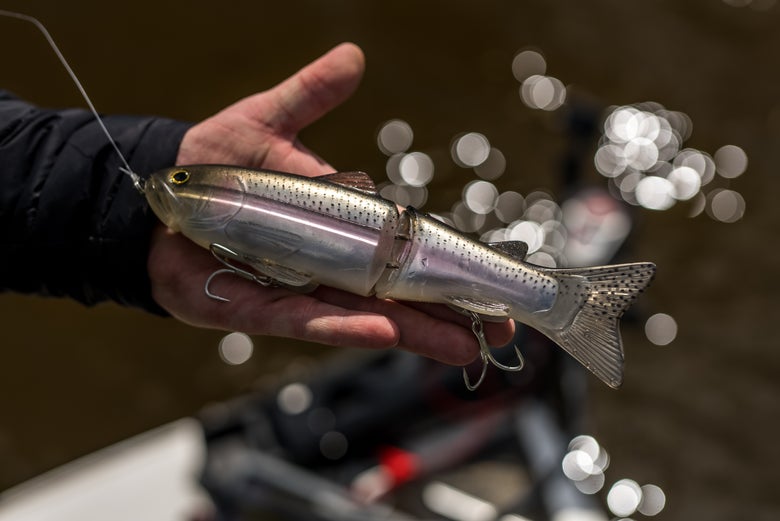
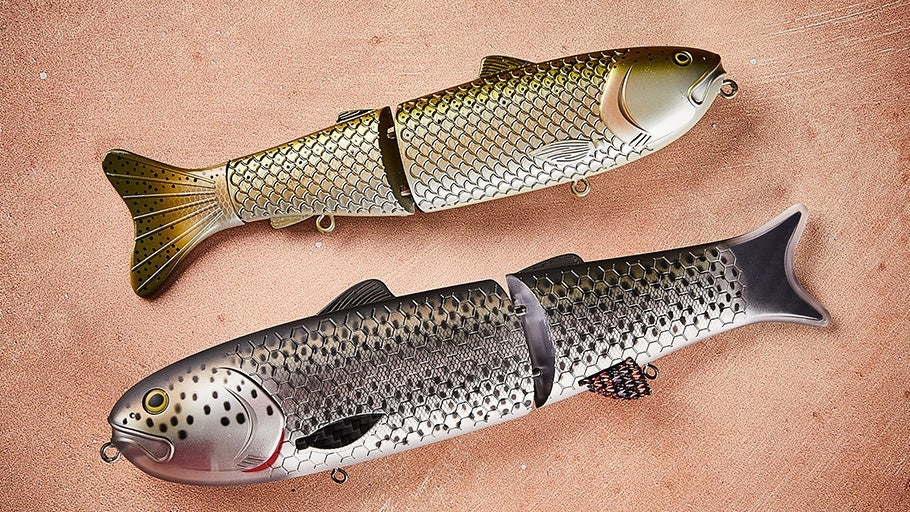
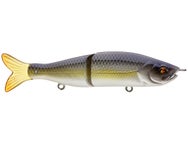
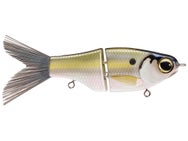
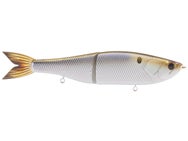
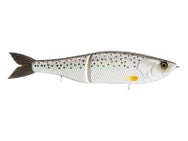
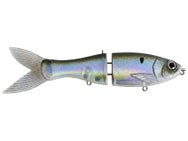
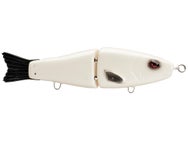
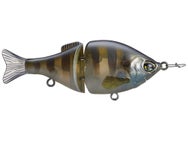
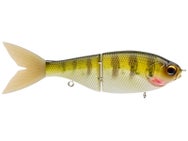
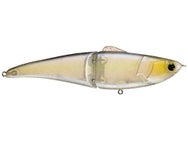
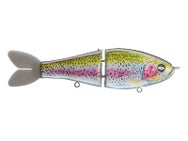
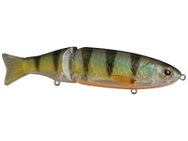
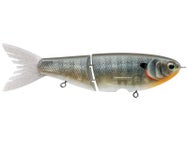
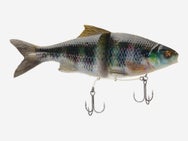
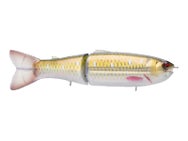
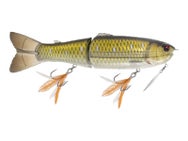
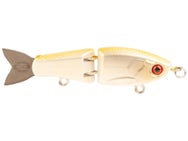
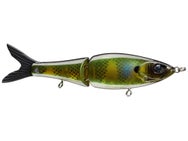
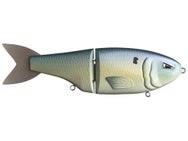
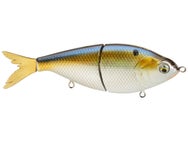
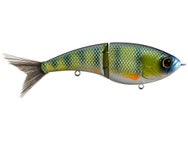
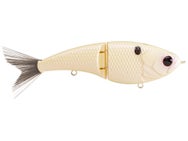
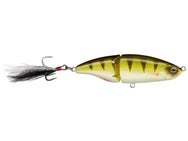
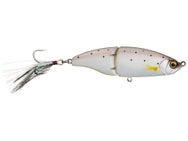
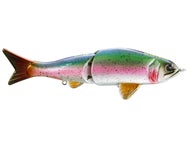
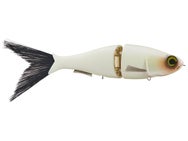
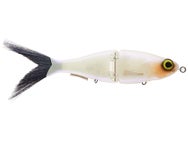
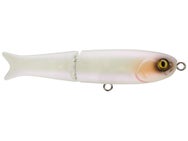
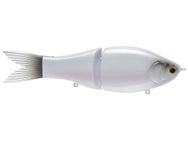
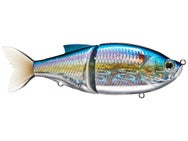
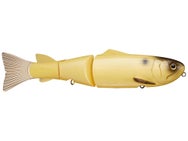
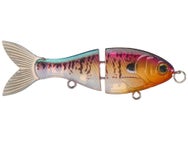
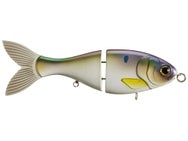
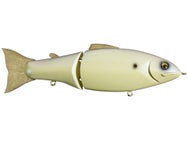
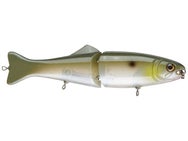
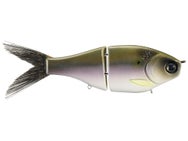
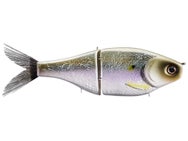
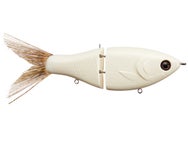
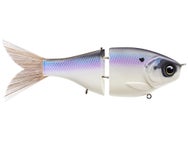
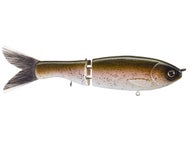
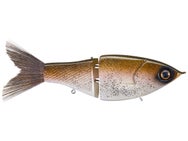
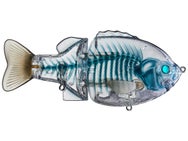
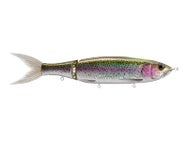
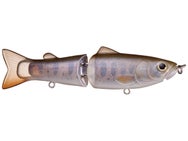
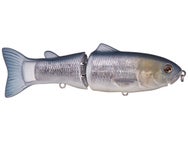
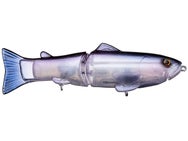
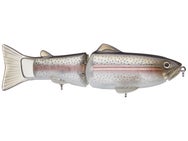
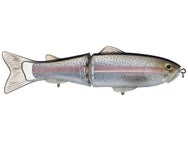
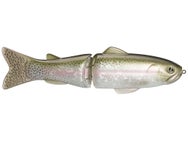
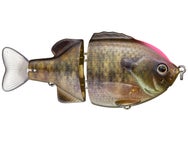
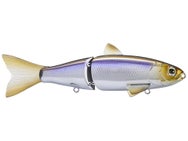
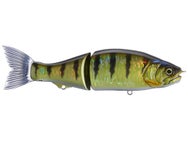
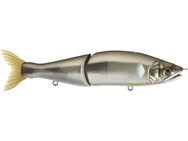
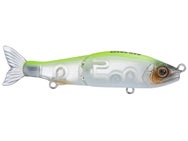
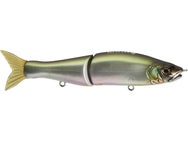
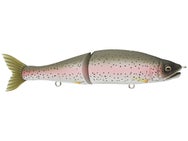
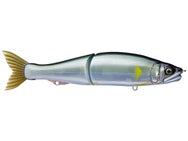
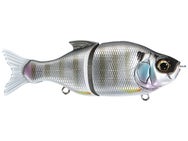
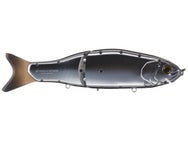
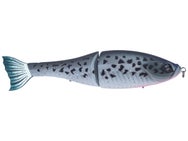
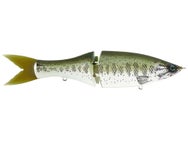
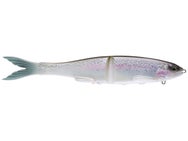
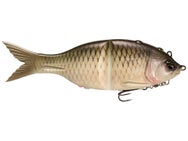
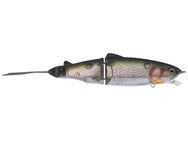
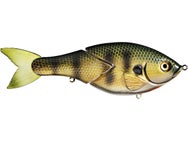
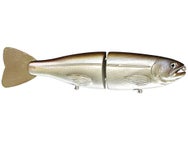
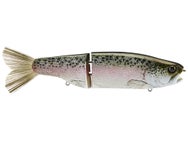
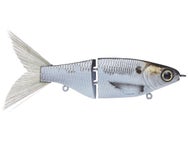
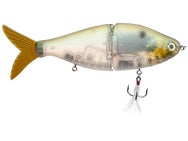
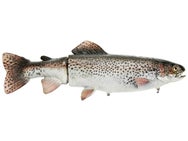
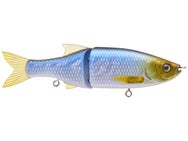
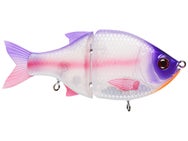
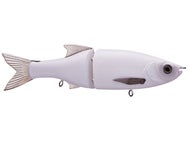
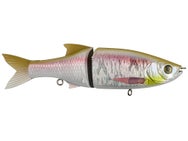
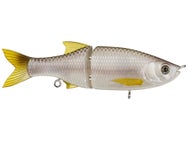
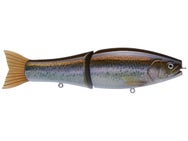
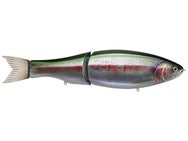
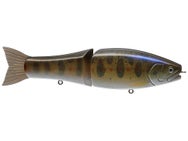
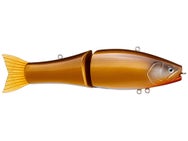
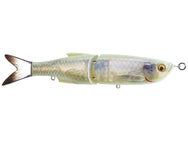
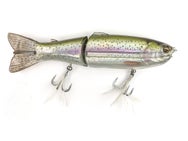
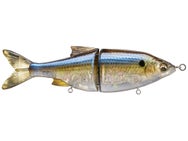
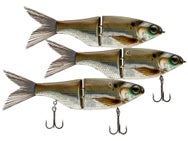
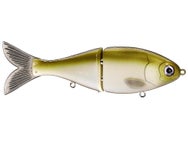
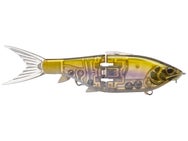
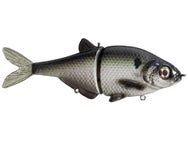
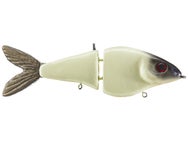
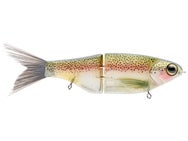
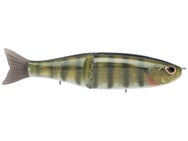
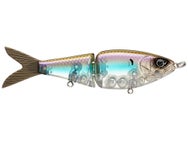
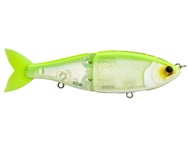
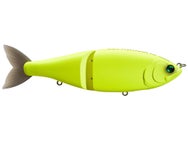
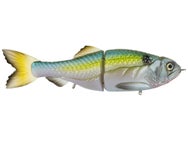
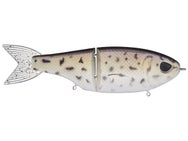
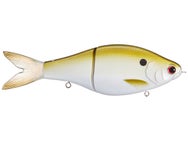
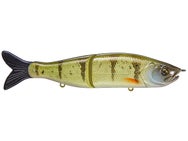
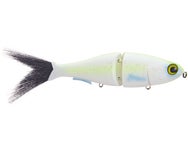
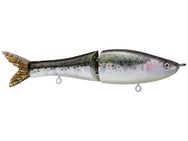
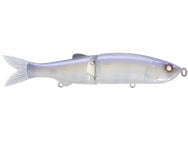
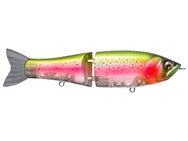
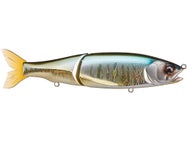
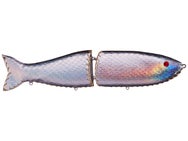
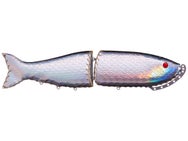
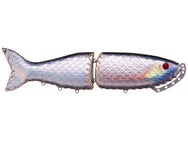
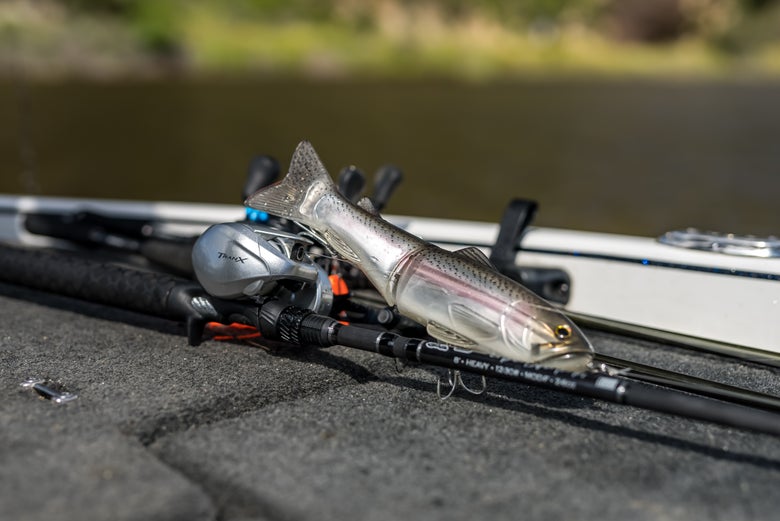
There’s no denying the incredible drawing power of glide baits, and when you commit to throwing one, they afford ample opportunities to potentially catch the fish of a lifetime. Categorized as a single-jointed hard-bodied swimbait, glide baits are used to imitate large forage like trout, hitch, perch, or gizzard shad, and are known for producing a sweeping S-shaped motion that opportunistic bass can’t resist.
Glide baits can be effective for catching numbers of fish under the right conditions, but they truly excel at isolating and engaging larger specimens, as their mesmerizing action is tempting to both active and inactive fish. Glide baits can be an expensive and overwhelming bait category to break into, so our goal is to provide a starting point for choosing the ideal setup, help showcase modification and rigging methods, and deliver useful tips and tricks so you can catch big bass!




Glide Bait Rods
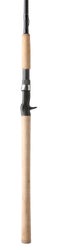
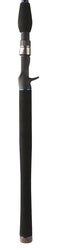
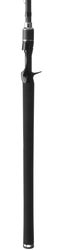
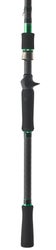
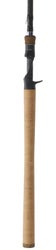
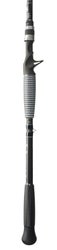
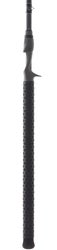
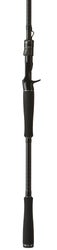
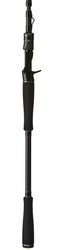
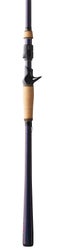
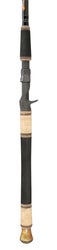
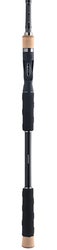
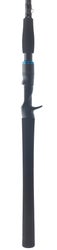
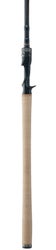
Because glide baits can vary greatly in size and weight, it’s important to match the ratings and length of your rod to the lure you're throwing. When starting out, it’s a good rule of thumb to make sure the bait's weight is around the middle of the rod’s lure-weight rating. So, if your bait weighs 4 oz, the ideal weight rating on the rod would be around 2 –6 oz. Rod length typically correlates to the angler's height and type of bait being fished, however, most glide bait rods for bass fishing span somewhere around 7'4" to 8'0" long.
With most power ratings ranging from heavy to XXH, you want to let the size of the bait dictate the power. If you are using small to medium-size glide baits (4" to 7"), choose a rod on the lower end of this spectrum. As you move into magnum-sized glide baits, look to increase rod length and power accordingly. The ideal glide bait rod will have a moderate or moderate-fast action to help keep treble hooks pinned in the mouths of lunker bass, along with a long handle for added casting ease, comfort, and leverage.
Glide Bait Reels
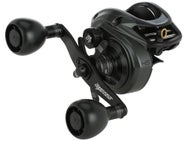
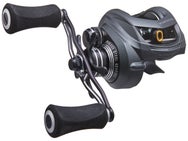
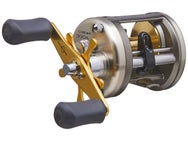
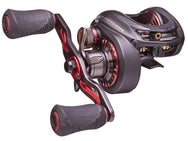
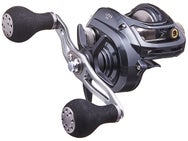
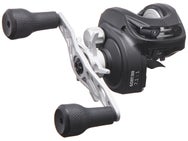
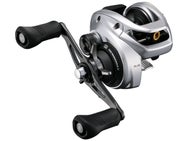
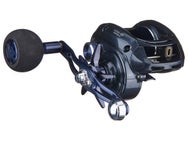
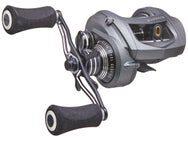
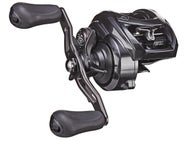
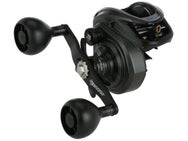
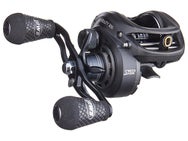
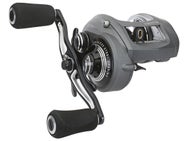
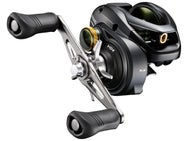
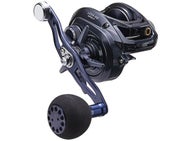
Cranking power, high-speed gear ratios, and higher line capacities are most commonly associated with glide bait reels. For small to medium-sized glide baits, most anglers opt for 200- to 300-size baitcasting reels for better palmability, while magnum glide baits may require 400-size reels to ensure you have enough line capacity to make long casts with heavy line.
Opting for a 7:1 gear ratio or faster gives you a lot of versatility and capability when fishing a glide bait. These ratios enable fast line pickup and retrieves while also allowing you to use small handle turns to erratically "chop" a glide bait to trigger aggressive reaction strikes. It's important to note that a 400-size reel with a large-diameter spool and 5:1 gear ratio may pick up the same amount of line as a smaller reel with a higher gear ratio, so you’ll want to take IPT (inches per turn) into consideration when browsing reels.
Glide Bait Line
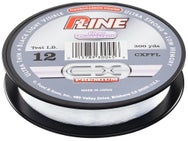
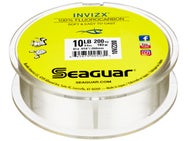
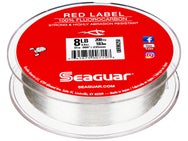
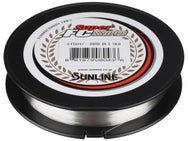
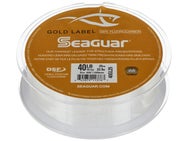
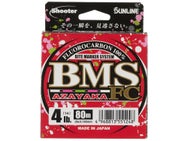
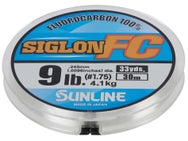
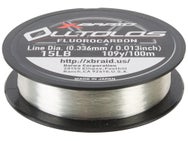
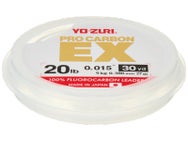
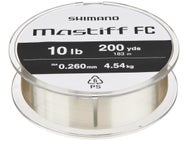
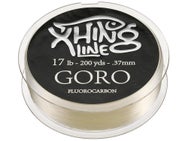
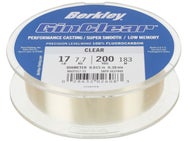
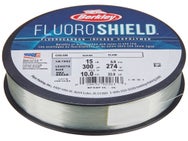
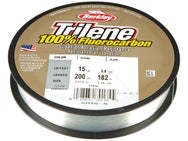
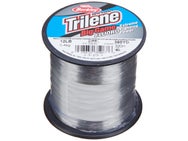
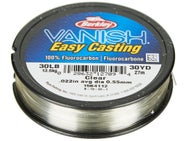
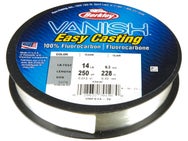
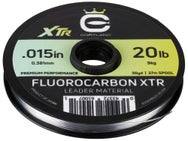
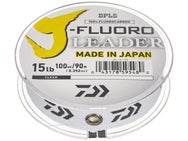
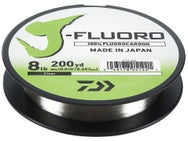
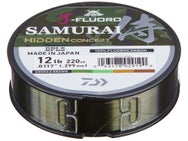
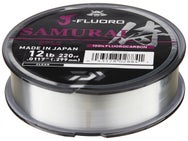
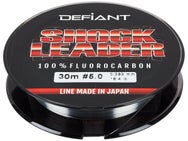
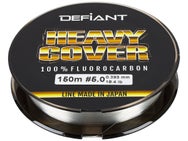
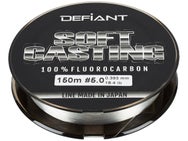
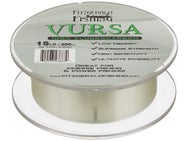
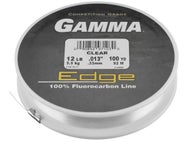
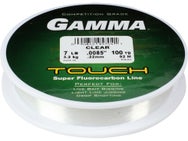
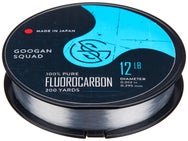
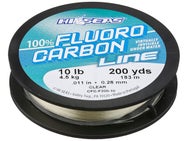
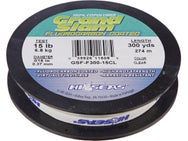
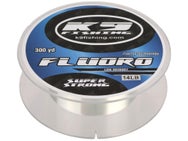
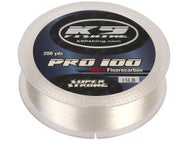
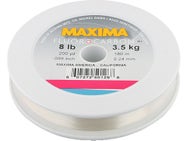
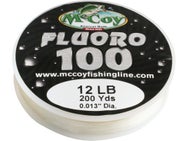
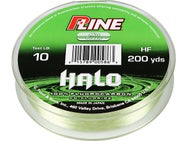
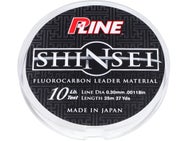
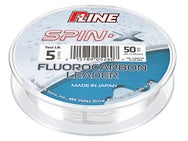
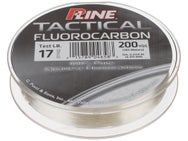
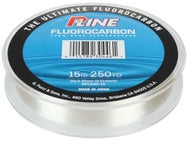
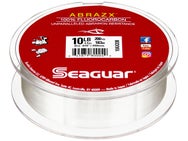
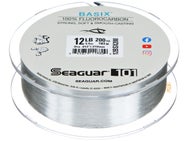
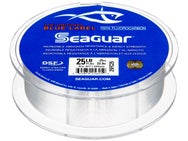
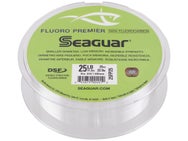
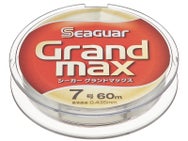
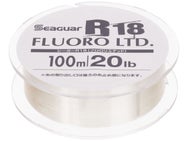
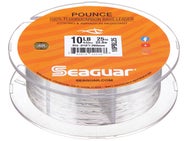
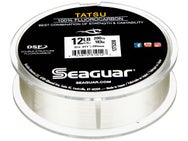
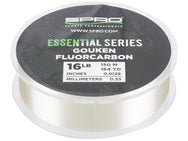
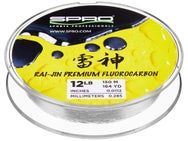
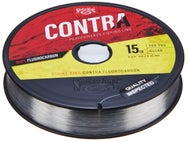
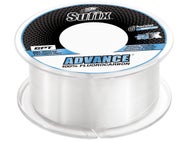
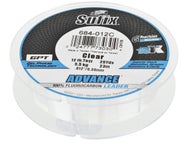
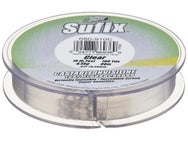
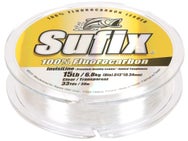
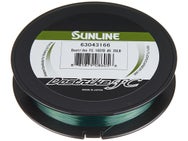
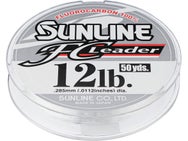
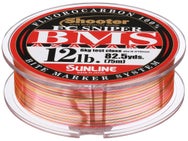
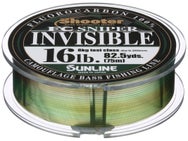
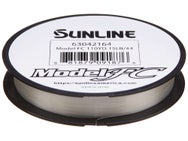
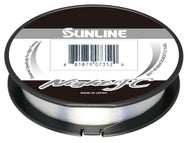
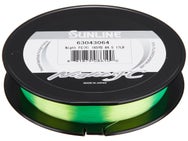
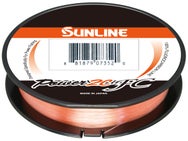
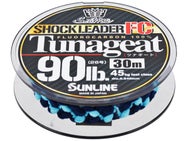
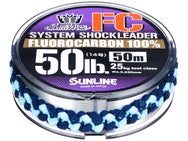
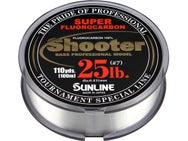
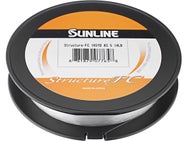
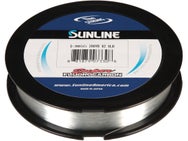
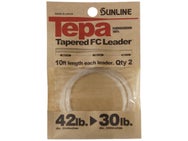
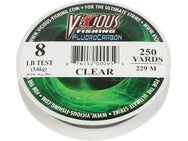
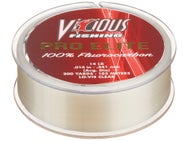
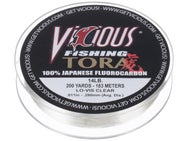
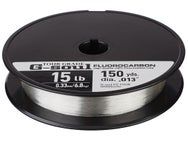
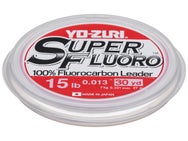
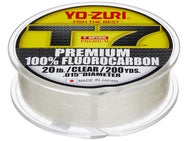
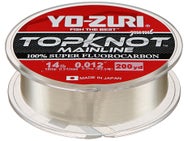
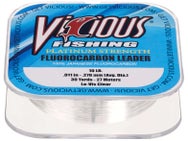
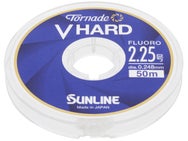
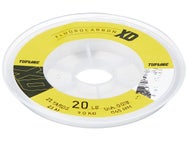
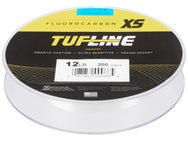
Heavy fluorocarbon lines are popular among glide bait anglers for targeting the biggest and smartest fish in the lake. Fluorocarbon turns virtually invisible underwater and provides minimal stretch to help you quickly and consistently bring big fish to the boat. Being a highly visual and mostly sub-surface presentation, most anglers prefer using fluorocarbon in the 15- to 30-lb range for glide baits, but much like your rod selection, the ideal line is always dictated by the size of the lure you are using.
You will develop your own preference over time, but as a general rule of thumb, use 15- to 17-lb test for 4" to 6" glide baits, 20-lb test for glides that are 7" to 10" in length, and 25-lb or more for magnum glide baits that are over 10" in size.

Glide Bait Modifications & Rigging
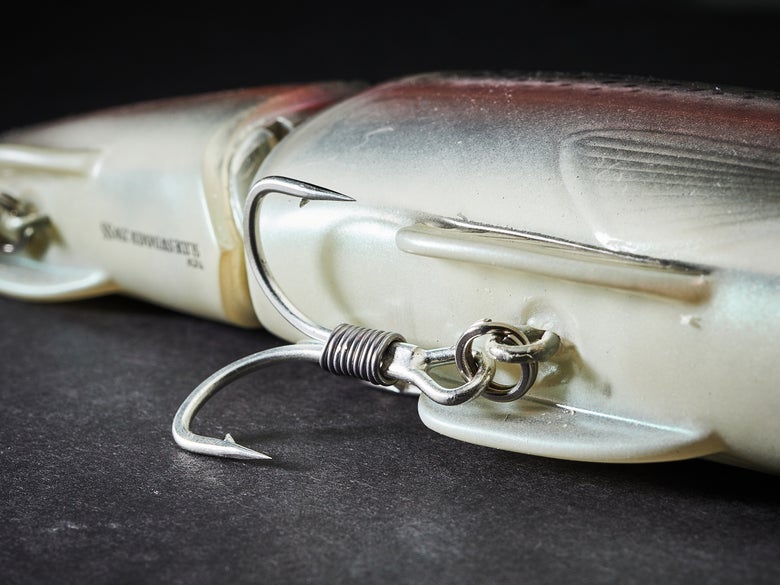
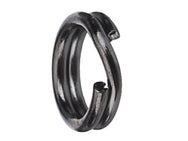
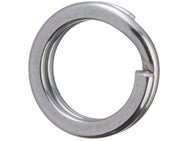
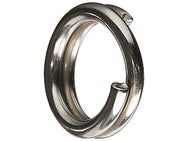
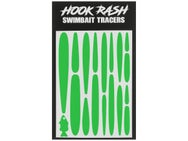
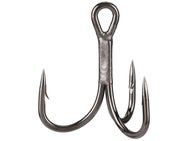
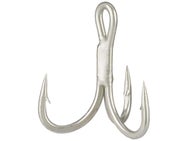
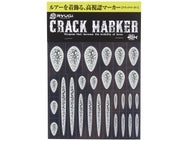
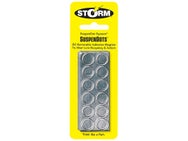
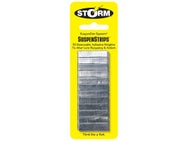
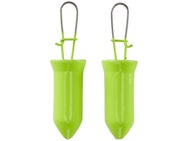
Many glide baits typically come with high-quality stock hooks, but if you are in doubt about the sharpness (or if the hooks have simply dulled from fishing), always sharpen or swap them out. Sharp, stout trebles are particularly important with glide baits in order to get good hook penetration and provide enough power to grind big fish back to the boat. Glide baits naturally have a tendency to rise during the retrieve, so if you find your glide bait coming to the surface too quickly, try using suspend strips or wrapping lead tape around the treble hooks to achieve the ideal depth and sink rate for the day. Lastly, consider adding a split ring or heavy-duty snap to your line tie to keep things free and maximize the wide side-to-side swimming action of your glide bait.
Glide Bait Tips & Tricks
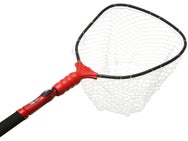
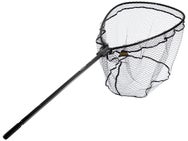
The best way to learn how to fish any glide bait is to study how it reacts in the water based on the particular action you impart. Try playing with retrieves. Pump the rod as you reel. Speed it up. Slow it down. Give it a yank. Incorporate a pause. The goal is to try and find a retrieve that will trigger a bite and be able to replicate that action when you can’t see your lure in the water. When you get a follower, avoid letting the bait stall out. Instead, maximize the length of your retrieve with a quick twitch and pause, and take note of how the fish interacts with your bait. Fish that are hooked on glide baits are often lost when they jump or are given room to fight, so when you hook a fish, keep a good bend in the rod with the tip low toward the water, and grind the reel handle until the fish hits the net.
Glide Bait Colors
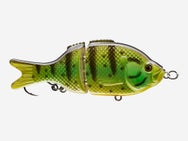
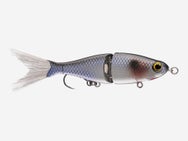
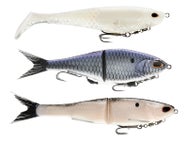
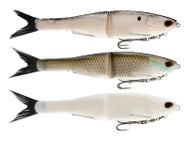
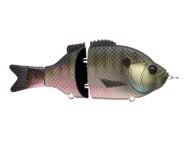
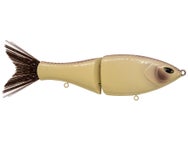
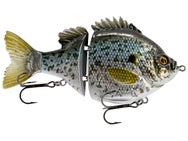
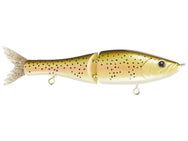
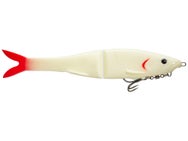
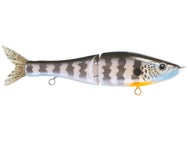
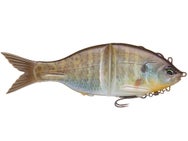
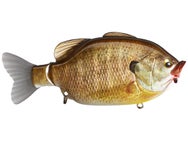
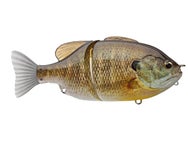
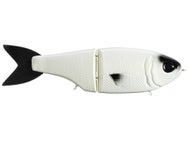
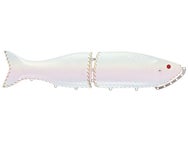
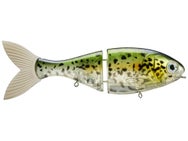
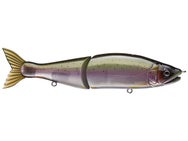
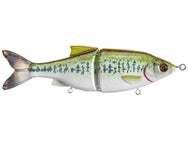
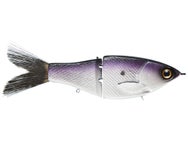
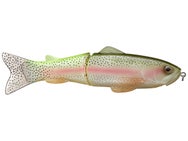
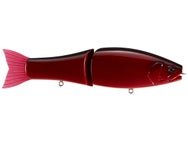
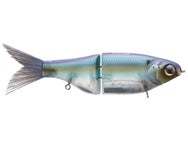
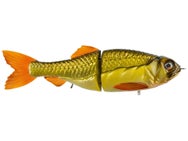
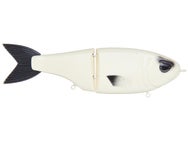
When selecting your glide bait color, always consider what types of large forage live in the body of water you're fishing, as the old adage of ”match the hatch” usually applies. If your lakes are regularly stocked with trout, try using trout colors. During the warmer months when panfish are active in the shallows, something like a bluegill color can generate big bites. If your waters have gizzard shad, the most productive colors are often simple baitfish or shad patterns. Any time you're faced with more than 10 feet of water clarity, it’s usually best to stick with natural colors, but a "bone" or brighter color can produce great results in stained water or under cloudy/low light conditions.
Final Thoughts
Glide baits are extremely effective at targeting big bass and can lead to some absolutely huge limits. Although you may find that bass often follow these baits out of curiosity without striking, dialing in your tackle, lure color, and retrieve can lead to increased success. Big bait fishing can be frustrating in the beginning for some, but incredible results can be had with more time on the water!
Frequently Asked Questions
What is the best time of year to fish glide baits?
Glide baits are capable of working 12 months of the year, but spring through fall is generally the best time period since bass are more active and many of them will be in shallow water. However, even in cold water temperatures in the dead of winter, glide baits can still trigger bass to attack when fished with a slow retrieve.
Is braided line good for fishing glide baits?
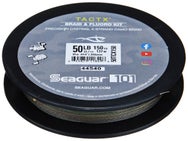
The strength, lack of stretch, and extremely narrow diameter of braided line makes it a great choice for glide baits, especially when combined with a long fluorocarbon leader. Although a few sinking options are available, the vast majority of braids float, which can be a drawback for deeper presentations. However, the use of a long fluorocarbon leader offsets this somewhat, as the sinking properties of fluoro can help keep your bait down in the water column.
Are glide baits primarily used to target big bass?
It's true that glide baits are mostly associated with specifically targeting big bass, but that's not all they are good for. Despite glides often being on the larger side, they come in an array of styles and sizes, even including tiny bait-finesse versions that can also appeal to fish like trout and panfish!