Power Shot Gear Guide
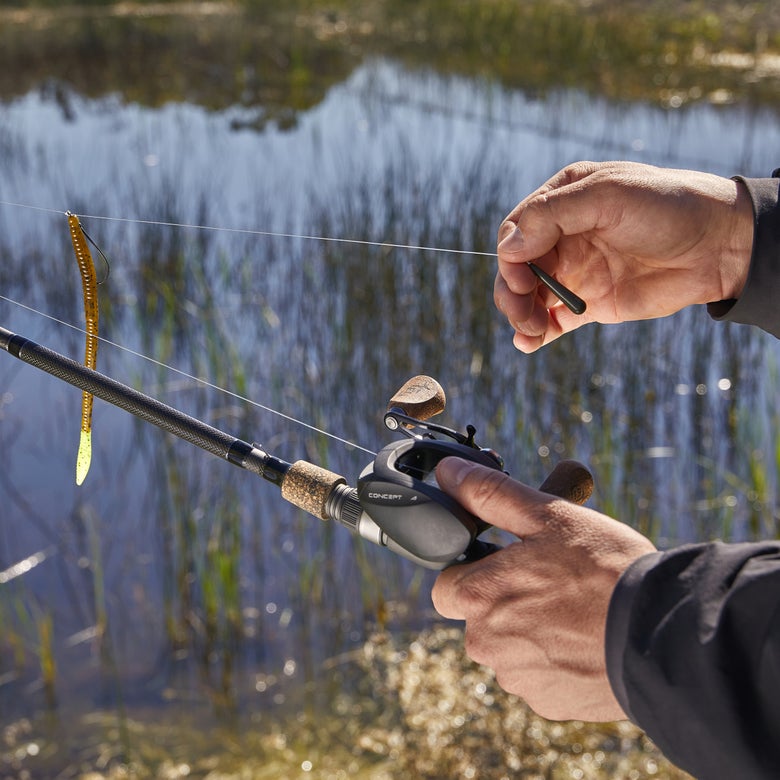
No matter the season, a drop shot is easily one of the most effective techniques for catching bass. However, when fishing around vegetation or during the spring months, using light line can be an issue if you are targeting big spawning fish around matted cover and snag-ridden areas. The power shot is an up-sized, more heavy-duty version of the drop shot, making it the perfect choice for targeting bedding bass and fishing around heavy cover.
Instead of using a spinning setup with light line, the power shot employs baitcasting equipment, heavier line, and beefed-up tackle. In this article, we will go over the best gear for the power shot, explore modifications and rigging methods, and provide some seasonal tips and tricks that will get you ready to power shot with confidence!
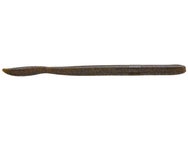
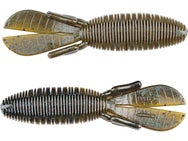
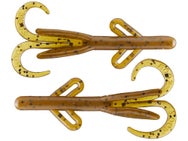
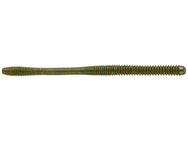
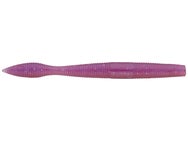
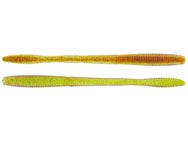
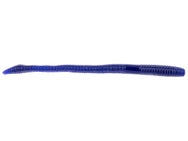
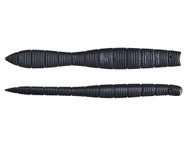
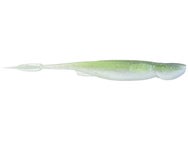
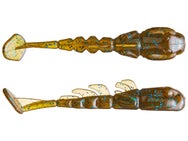
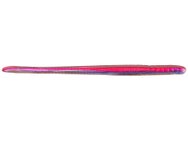
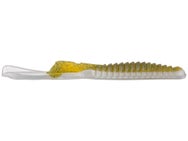
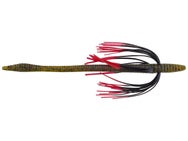
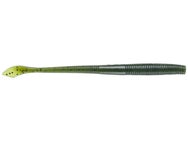
Power Shot Rods
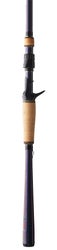
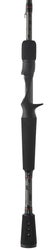
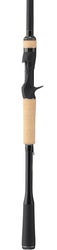
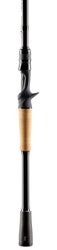
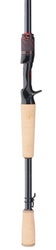
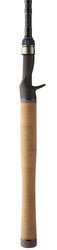
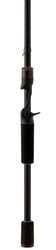
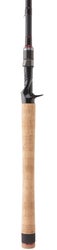
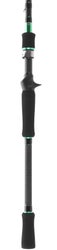
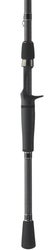
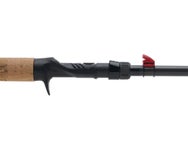
When choosing your power-shot rod, a flipping stick can be a fine choice when fishing in or around thick cover with heavy weights and hooks. However, the tip section on a flipping rod is on the stiff side, which can hinder casting performance and be too stout for fishing lighter rigs. For that reason, a typical jig rod is the ideal all-around choice. Look for a rod in the 7’ to 7’6” range with a medium-heavy to heavy power rating and a fast or extra-fast tip. These attributes will help you make accurate pitches to likely bedding areas or small targets around heavy cover, while also providing ample power and the right taper for setting the hook and horsing big fish out of cover.
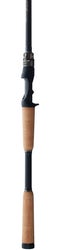
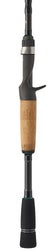
Power Shot Reels
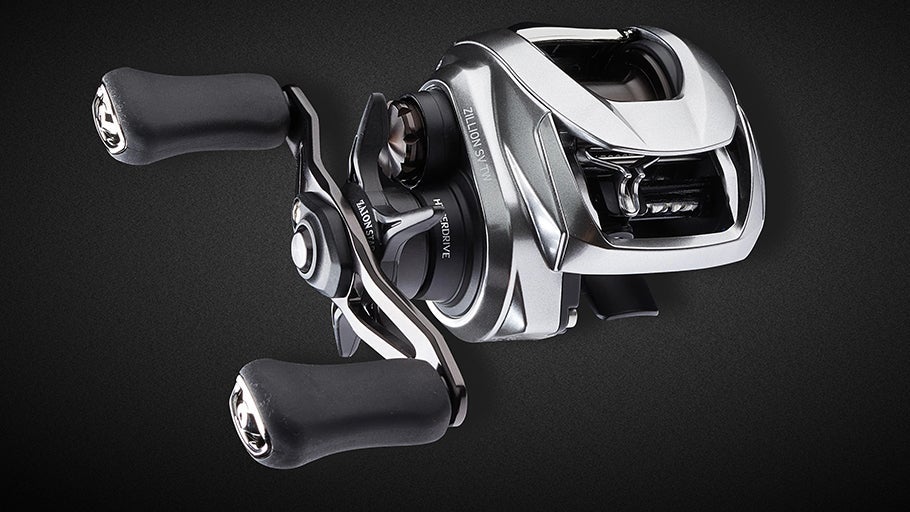
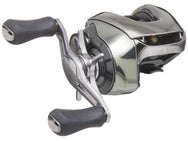
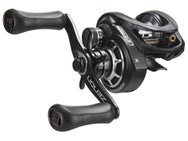
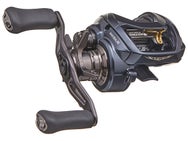
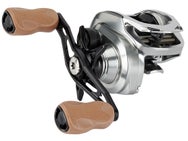
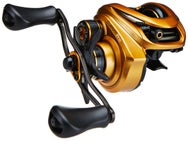
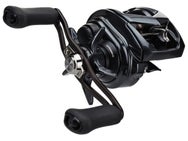
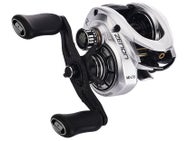
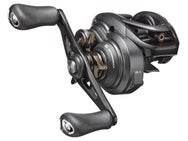
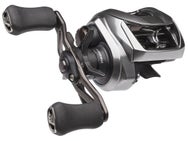
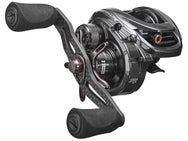
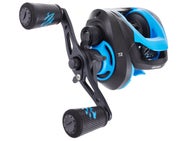
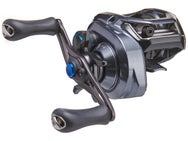
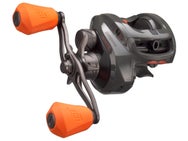
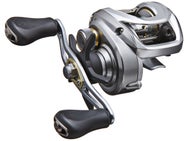
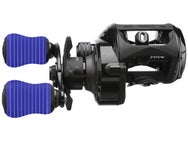
A casting reel with a higher gear ratio is recommended when you’re fishing around heavy cover or targeting bedding bass. Something with a 7:1 gear ratio or higher helps immensely for quickly picking up line for quality hook sets and horsing fish out of the thick stuff. A faster gear ratio also helps you get your bait in and out quickly, so you can make casts to multiple targets more efficiently. A 70- to 100-size casting reel will keep your setup lightweight and compact for increased comfort, and since casting distance isn’t as crucial, a reel with generous line capacity isn’t required. Many anglers are turning to 70-size reels or specialized flip-and-pitch reels for close-quarters fishing, as the shallower spool helps reduce backlashes and aids in fishing lighter lures.
Power Shot Line
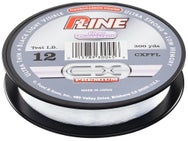
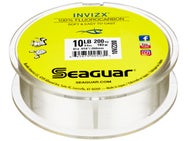
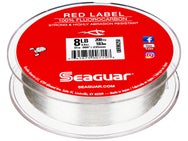
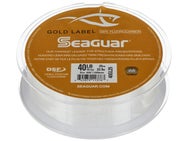
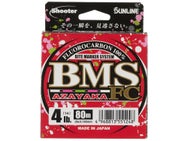
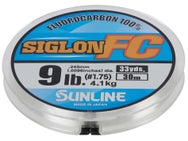
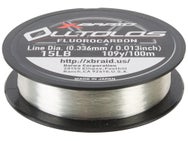
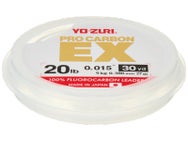
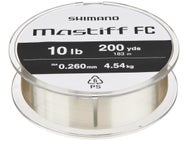
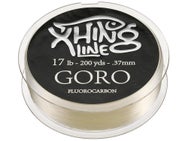
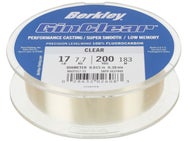
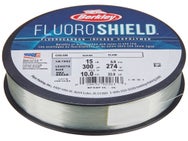
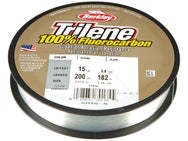
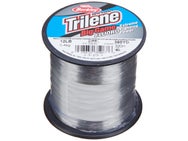
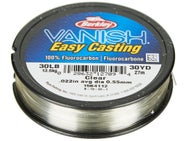
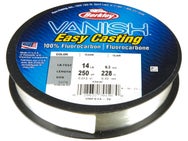
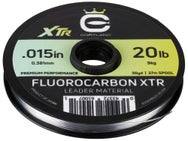
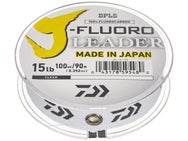
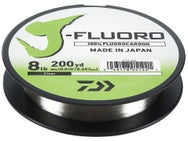
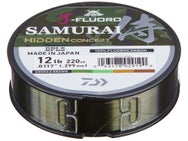
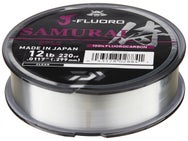
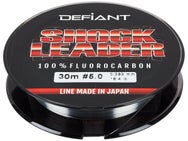
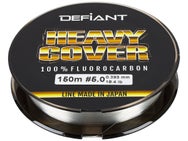
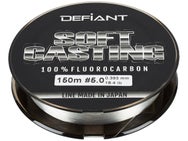
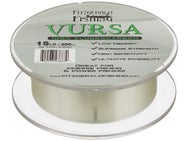
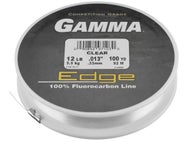
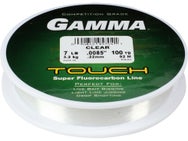
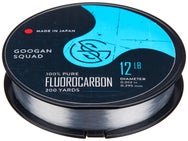
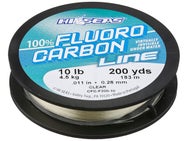
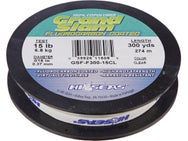
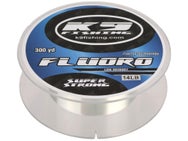
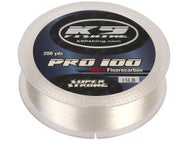
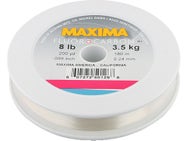
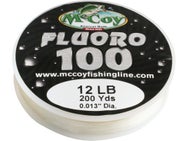
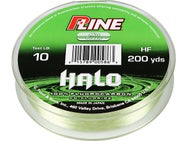
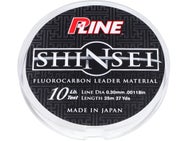
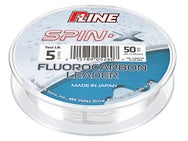
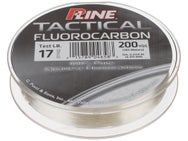
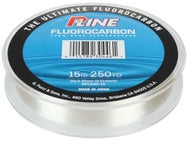
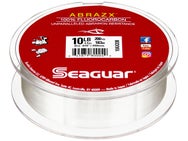
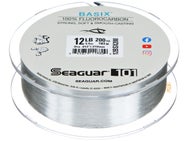
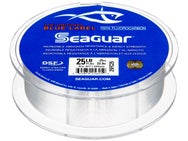
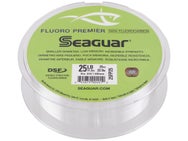
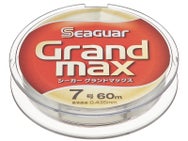
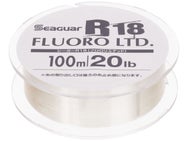
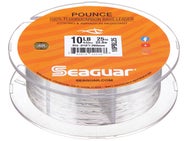
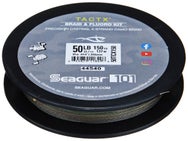
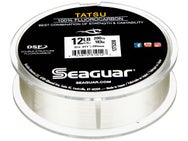
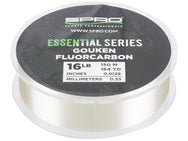
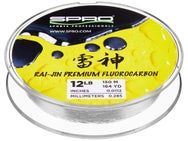
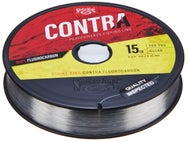
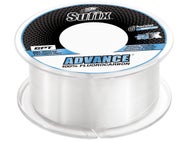
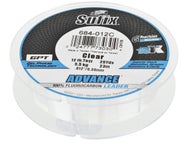
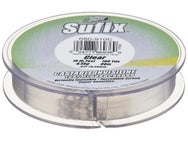
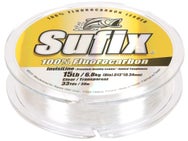
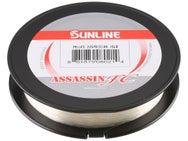
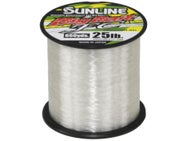
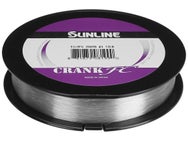
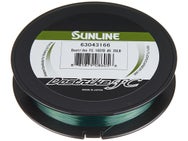
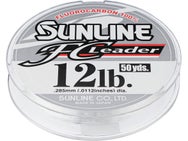
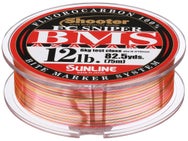
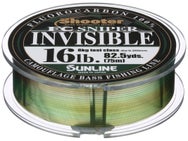
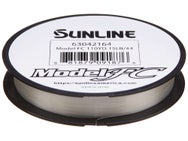
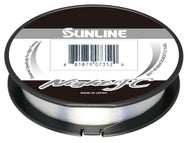
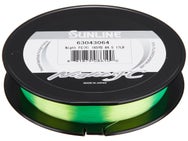
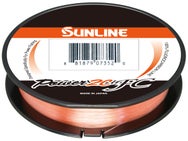
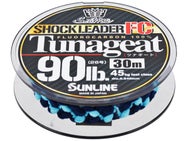
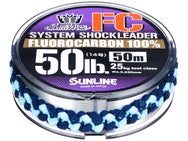
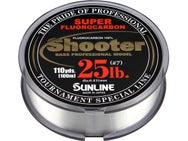
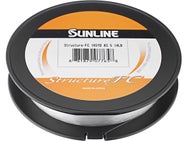
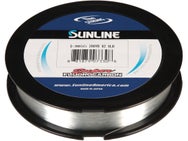
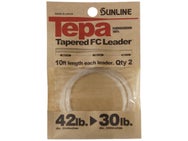
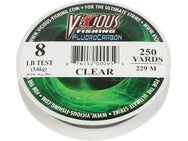
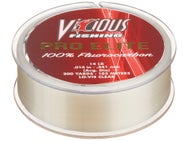
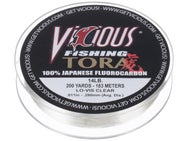
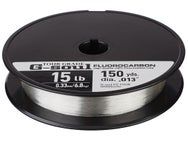
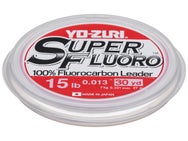
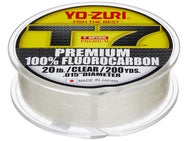
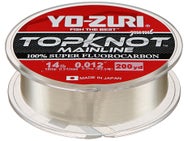
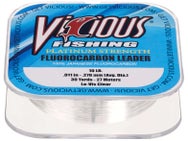
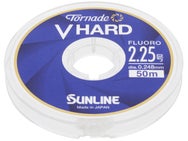
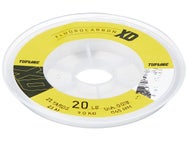
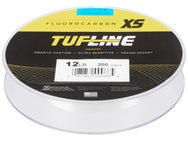
Just like a traditional drop shot, always let the water clarity, cover, and weight of your rig dictate what size line you select for your power-shot setup. Fluorocarbon lines between 12 and 25 lb work very well. If you are new to fishing the power shot, 16-lb fluorocarbon provides a good starting point, but you could definitely go down in line size if the water is super clear or go up in size when fishing dirty water or very heavier cover.
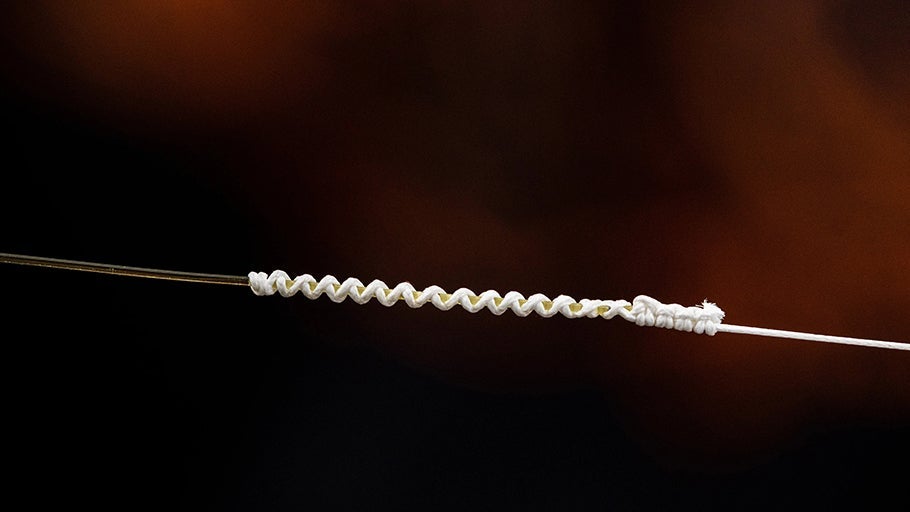
For extreme situations where you’re fishing over logs, behind flooded brush, or around thick vegetation, you may want to consider switching to straight braid in the 50- to 65-lb test range. Many anglers prefer a braided mainline to a short fluorocarbon leader to help manage the line twist commonly associated with fishing a power shot all day.

Modifications and Rigging
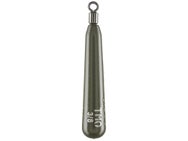
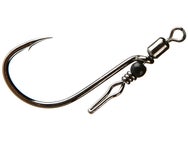
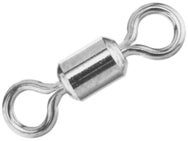
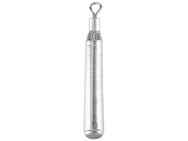
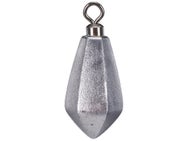
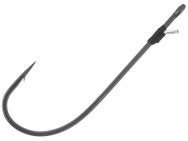
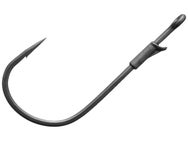
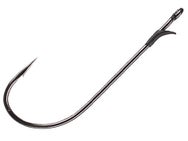
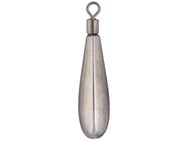
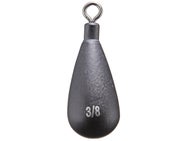
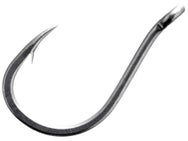
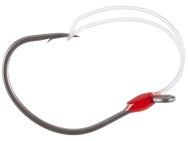
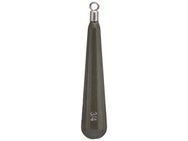
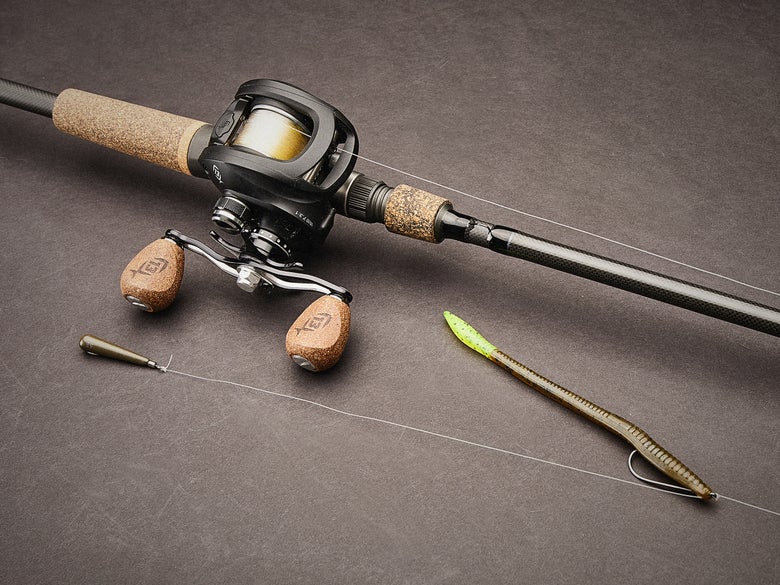
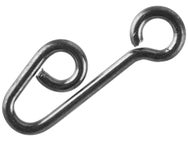
To accommodate for the heavier line and casting gear used with a power shot, you will want to upsize the gauge of your hook to at least medium wire to avoid bending it out during a hookset. Choose a hook that allows you to Texas-rig your lure and conceal the hook point. A straight shank worm hook or extra-wide gap hook will keep the presentation weedless. Tie-on style drop-shot weights are a better option for a power shot, as pinch style weights have a higher tendency to snag and fall off in heavy cover. Most anglers will use 3/8-oz to 1/2-oz weights, but you should adjust your selection depending on the cover and conditions. Some anglers will also add a swivel to their mainline to help combat issues with line twist that commonly plague the power shot. Check out our "How-To Rig a Drop Shot" video for a closer look at the rigging.
Seasonal Tips & Tricks
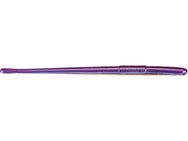
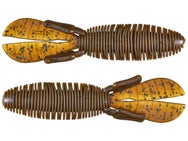
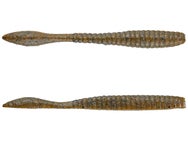
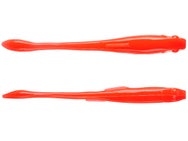
When bass are spawning during the spring, some fish might not bite on the initial drop or first shake, so try soaking your bait a little longer before making the next cast. Additionally, bedding fish often short strike during the spawn, so downsizing your bait can help make the difference between missing tail biters and coming in with a tournament-winning bag. The power shot is also great for experimenting with various soft-plastic styles, so don’t be afraid to change it up and try something different, like small creature baits, craws, and lizards. Experiment with different leader lengths based on the situation; shorten your leader to get your bait even closer to a bed during the spawn, or lengthen your leader to keep your lure above submerged vegetation in the summer.
Colors
Water clarity and local forage play a big role in determining the best color, but it’s hard to beat translucent and/or natural tones, including green pumpkin, morning dawn, shad, and oxblood patterns in clear to mildly stained water. In water with heavier stain, try opaque colors such as black, black/blue, red shad, and solid white. If you are using the power shot to sight fish for bedding bass, easy-to-see colors like bubble gum, merthiolate, chartreuse, or white are great for delivering pinpoint presentations and make it easier to see when a bass takes your bait. Panfish are often hanging out shallow around the spawning areas too, so try using a worm with a touch of chartreuse on the tail or belly to imitate a bluegill.
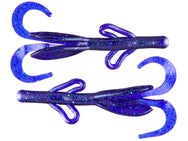
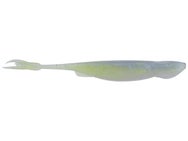
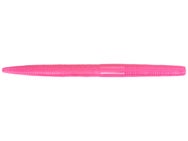
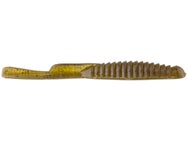
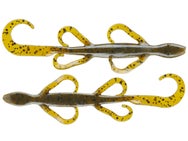

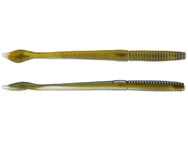
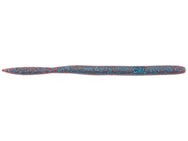
Whether you’re fishing submerged vegetation offshore or flipping cover in shallow water, the power shot provides a beefed-up, weedless approach to presenting a drop shot in areas not typically fished with this presentation. Don’t forget to check out our Drop Shot Gear Guide for more information on this time-tested finesse version of the power shot!